The science of lightweighting: How advanced materials are powering aviation’s sustainable future

December 21, 2025

Rodrigo Elizondo is President of the Composite Materials Global Business Unit at Syensqo, bringing more than three decades of international leadership experience across the chemicals, aerospace, and advanced materials sectors. A chemical engineer by training, he has led global business transformations across North America, Europe, and Asia, and has headed Syensqo’s composites business since 2023.
Lightweighting, the reduction of aircraft mass, is one of the most effective levers available to improve fuel efficiency and cut CO₂ emissions. Every kilogram saved triggers a “mass compounding” effect; a lighter aircraft requires less thrust, which allows for smaller engines and lower fuel loads. The result is a cascade of efficiency gains across aircraft design, operations, and lifecycle performance.
More than a design choice, lightweighting is a scientific strategy rooted in materials innovation. Today’s aircraft manufacturers rely on advanced composites and high-performance polymers not only to reduce weight but also to improve durability, thermal stability, and manufacturing efficiency. Together, these advances are reshaping aviation as the industry charts a path towards net-zero emissions.
Advanced composite materials are transforming aircraft structures and propulsion
At the core of modern lightweighting are advanced composite materials. Both thermoset and thermoplastic composites are now integral to next-generation aircraft structures and propulsion systems, offering exceptional strength-to-weight ratios alongside critical properties such as thermal resistance, fatigue tolerance, and corrosion resistance.
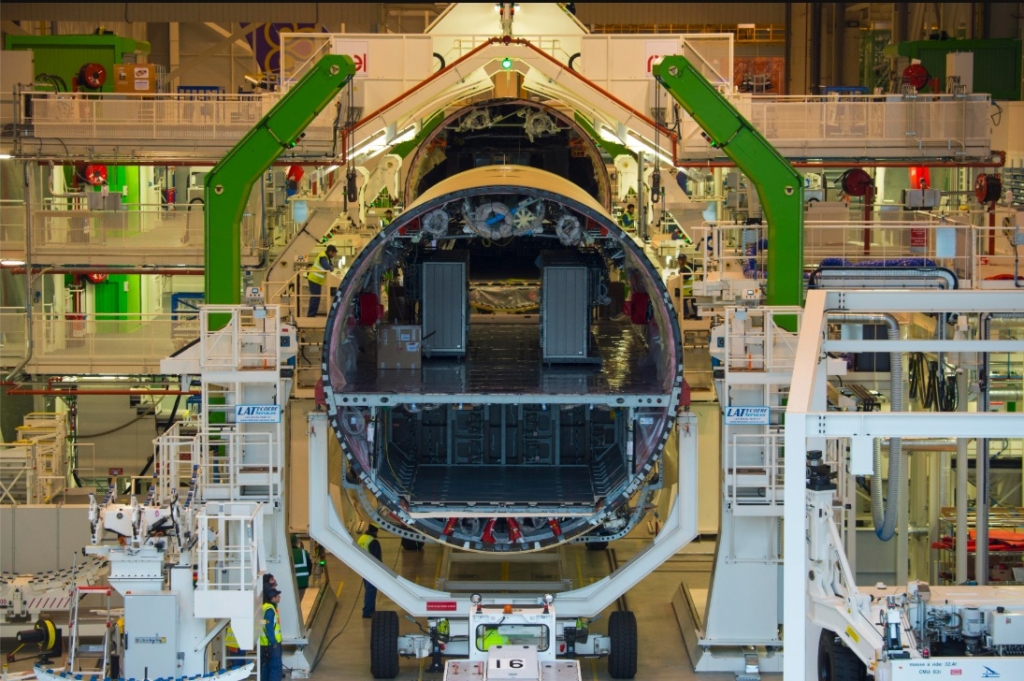
In the latest clean-sheet twin-aisle commercial aircraft programmes developed over the past three decades, composites account for more than 50% of primary structures, including fuselages, wings, nacelles, and engine components. Designed to withstand extreme mechanical and thermal loads, these materials enhance both performance and safety.
While thermoset composites have a long history in aerospace, thermoplastic composites are being adopted more widely due to their processing and production-rate advantages. Their ability to be reheated and reshaped enables automation, shorter cycle times, reduced scrap, and easier repair and recycling, benefits that are increasingly important as global production rates rise.
High-performance polymers enabling lightweight, durable cabin interiors
Lightweighting extends well beyond the airframe and into the cabin. Every interior component, from fasteners to armrests and passenger service units, represents an opportunity to reduce mass while preserving comfort, safety, and aesthetics.
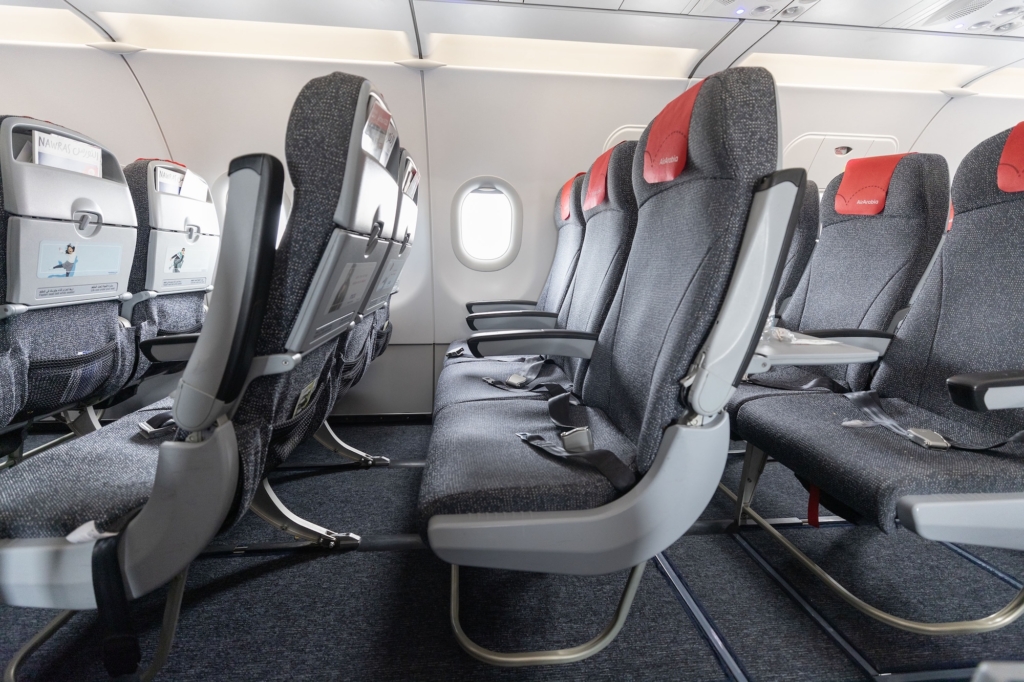
Speciality polymers meet stringent fire, smoke, and toxicity requirements while offering excellent toughness and dimensional stability. Their durability extends component life, reducing maintenance demands and replacement costs. In this way, lightweight materials support both sustainability goals and an improved passenger experience.
Lightweight materials as enablers of sustainable propulsion and net-zero aviation
The benefits of lightweight materials extend far beyond fuel savings. They are a critical enabler of emerging propulsion architectures, including hybrid-electric, hydrogen, and fully electric aircraft, where weight reduction directly translates into improved range and efficiency.
This is particularly evident in advanced air mobility. For eVTOL aircraft, reducing structural mass allows for larger battery capacity without compromising performance, a prerequisite for viable electric flight. Lightweight composites are, therefore, fundamental to making these designs feasible.
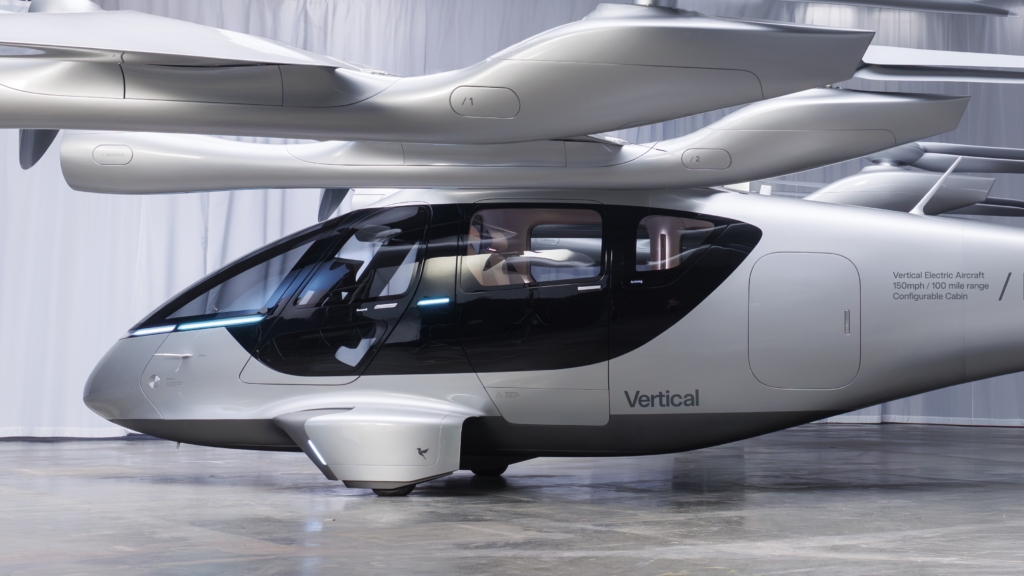
Lightweighting also delivers lifecycle benefits. Lower energy consumption reduces emissions over an aircraft’s service life, while circular manufacturing initiatives are cutting waste and resource use. Partnerships such as Syensqo’s collaboration with Vartega demonstrate how recycled carbon fibre waste can be transformed into high-value polymer materials for aerospace and adjacent industries.
Scaling composites, circularity, and policy support for the next generation of aircraft
As aviation enters a decisive decade, the demand for sustainable materials is accelerating. By 2040, the global fleet is expected to exceed 35,000 aircraft, intensifying the need to scale lightweight composite production, particularly for single-aisle aircraft that dominate the commercial market.
Policy and regulation are reinforcing this shift, with growing emphasis on eco-design, lifecycle assessment, and recyclability. These frameworks are pushing sustainability upstream, from concept and material selection through to production and end-of-life.
Challenges remain, particularly around large-scale composite recycling and certification of new materials for flight-critical applications. Addressing them will require sustained investment and collaboration across the aerospace value chain.
Composites and polymers are no longer niche solutions. They are strategic enablers of aviation’s next evolution, combining performance, innovation, and circularity to support a more sustainable future.