Jet engines can’t fly as far without rhenium: A looming shortage puts aviation at risk

January 25, 2026

Dr Nils Backeberg is a Director and co-founder of Project Blue, specialising in critical materials and supply-chain analysis. Fiona Macdonald is a Research Analyst at Project Blue, with a background in geology and experience across the Southern-Central African mining sector.
Jet engines are the black magic of modern aerospace engineering. A single high-bypass turbofan contains thousands of components made from dozens of specialised metals and alloys, each selected to withstand extreme heat, stress and vibration.
Compared with earlier generations, today’s engines deliver far higher thrust, greater fuel efficiency and lower emissions. This has enabled the rise of ultra-long-range twin-engine widebodies such as the Boeing 787, 777X and Airbus A350, largely replacing four-engine aircraft like the 747 and A340.
At the heart of this performance leap sits an often-overlooked material, rhenium.
Why rhenium is critical to modern jet engines
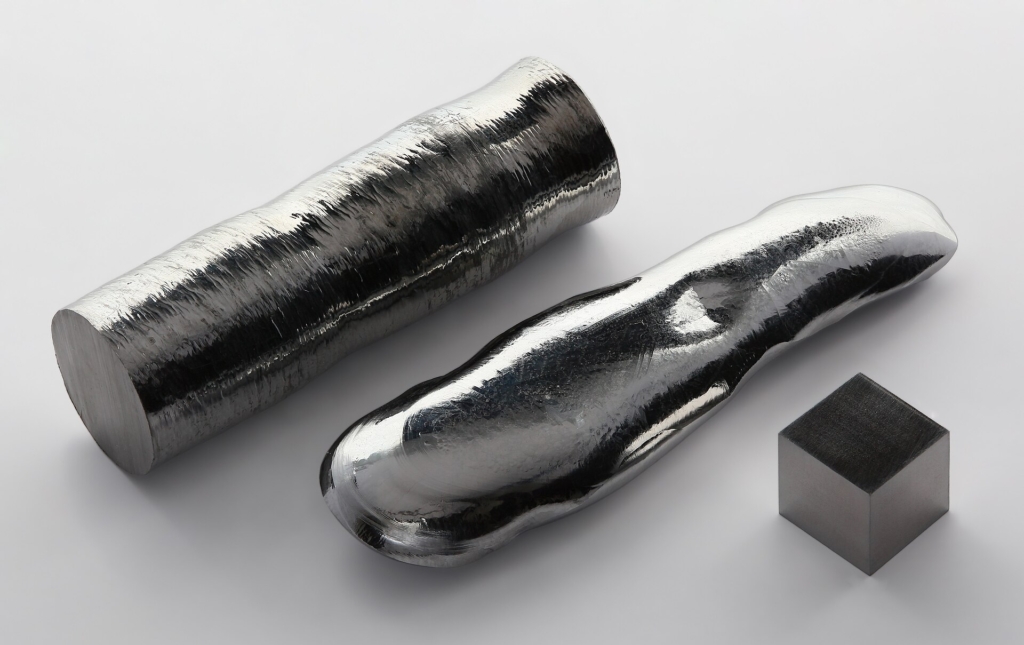
Rhenium is an extremely rare, silvery-white metal with the highest boiling point and the third-highest melting point of all naturally occurring elements. These properties make it indispensable for high-temperature, high-stress aerospace applications, particularly turbine blades.

When alloyed with nickel, rhenium forms superalloys capable of operating at temperatures approaching 1,700°C and rotational speeds exceeding 40,000 rpm. This allows turbine blades to retain their shape and strength under extreme conditions. Without rhenium, improvements in engine efficiency, thrust-to-weight ratio and durability would not be possible.
Data from Project Blue indicates that around 80% of global rhenium production is consumed by the aerospace sector, primarily jet engines. Demand is projected to grow at an average rate of 2.1% per year between 2024 and 2034.
Growing aircraft and jet engine demand intensifies material pressure
As engine production accelerates, sourcing sufficient rhenium, alongside other critical metals, is becoming a strategic concern. Manufacturers are expected to deliver tens of thousands of engines, covering new builds, overhauls and spares, to support demand for roughly 46,500 new commercial aircraft over the next two decades, in addition to turboprops, regional jets and business aircraft.

Geopolitical developments are adding further pressure. Rising defence budgets and new military aircraft orders, including for programmes such as the F-35 and Eurofighter, are increasing demand for advanced engines and high-temperature alloys.
At the same time, Western manufacturers face heightened exposure to supply risks across a range of materials. Heavy rare earths such as yttrium, used in thermal barrier coatings, and titanium, essential to both airframes and engines, are already subject to trade friction.
Rhenium, though used in far smaller quantities, exposes deeper vulnerabilities tied to so-called “minor metals” that are essential but difficult to scale.
The fragile rhenium supply chain behind jet engine production
Global rhenium production totals just 50–60 metric tonnes per year. Around half is sourced from Chile, which also holds an estimated 55% of known reserves.
Crucially, rhenium is not mined directly. It is recovered as a by-product of molybdenum, which itself is typically extracted as a by-product of copper mining. This layered dependency means rhenium supply cannot be easily increased in response to rising demand. Its availability is ultimately tied to the economics and geology of copper mining in South America.
Several converging factors are now placing additional strain on an already constrained supply chain.
First, Chile’s major open-pit copper mines are declining in grade and nearing depletion, forcing a shift to underground mining with significantly higher costs. At the same time, lower-cost copper production in Africa’s Copperbelt, increasingly supported by Chinese investment, is becoming more competitive. However, Central African copper ores tend to yield cobalt rather than rhenium, limiting their usefulness to aerospace supply chains.
Second, while rhenium has so far avoided direct inclusion in trade disputes, its strategic importance at the intersection of aerospace and industrial policy is growing. China is rapidly expanding rhenium processing capacity to support its commercial and military engine programmes, including the CJ-1000A, CJ-2000, WS-15 and WS-19.
China has also begun stockpiling rhenium, visible in rising imports of ammonium perrhenate, the standard traded form of the metal. In 2023, it overtook the US as the largest importer of Chilean rhenium, taking 26 tonnes compared with just 2 tonnes in 2018. Today, China’s domestic consumption exceeds its own production.

Western supply has been partially stabilised by Chilean producer Molymet’s acquisition of Rhenium Alloys in Ohio, creating Molymet Alloys USA and strengthening US domestic processing of rhenium, molybdenum and tungsten. This integrated supply chain remains relatively secure, but capacity is finite.
Third, aerospace is no longer the only sector competing for rhenium. The metal is increasingly used in high-octane lead-free fuels, medical isotopes, radiation shielding and high-precision imaging and surgical instruments. Growing demand across multiple high-technology sectors is placing further strain on global availability.
Recycling and innovation offer limited relief for jet engines
These pressures are already being reflected in the market. In the first three weeks of July 2025, European rhenium prices rose sharply to around $2,400 per kilogram, up from $1,800, while prices in China increased by 17% over the same period.
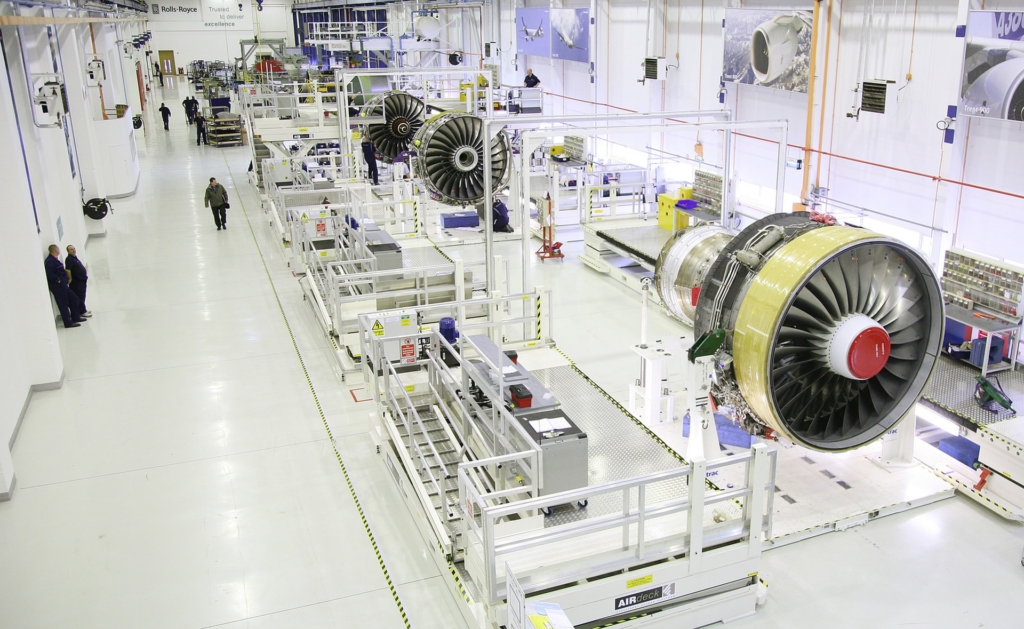
Jet engine manufacturers are actively exploring recycling, processing efficiency and alternative materials to mitigate supply risk. However, bringing such solutions to scale will take years, if not decades.
In the near term, ensuring adequate access to rhenium will require detailed supply-chain visibility, strategic stockpiling and careful material stewardship. Without this, even the most advanced engine designs risk being constrained not by engineering limits, but by the availability of a metal measured in grams, which is essential to global aviation.