Have you ever noticed the black stripes on a Boeing 777’s wings? Here’s what they’re for

January 24, 2026
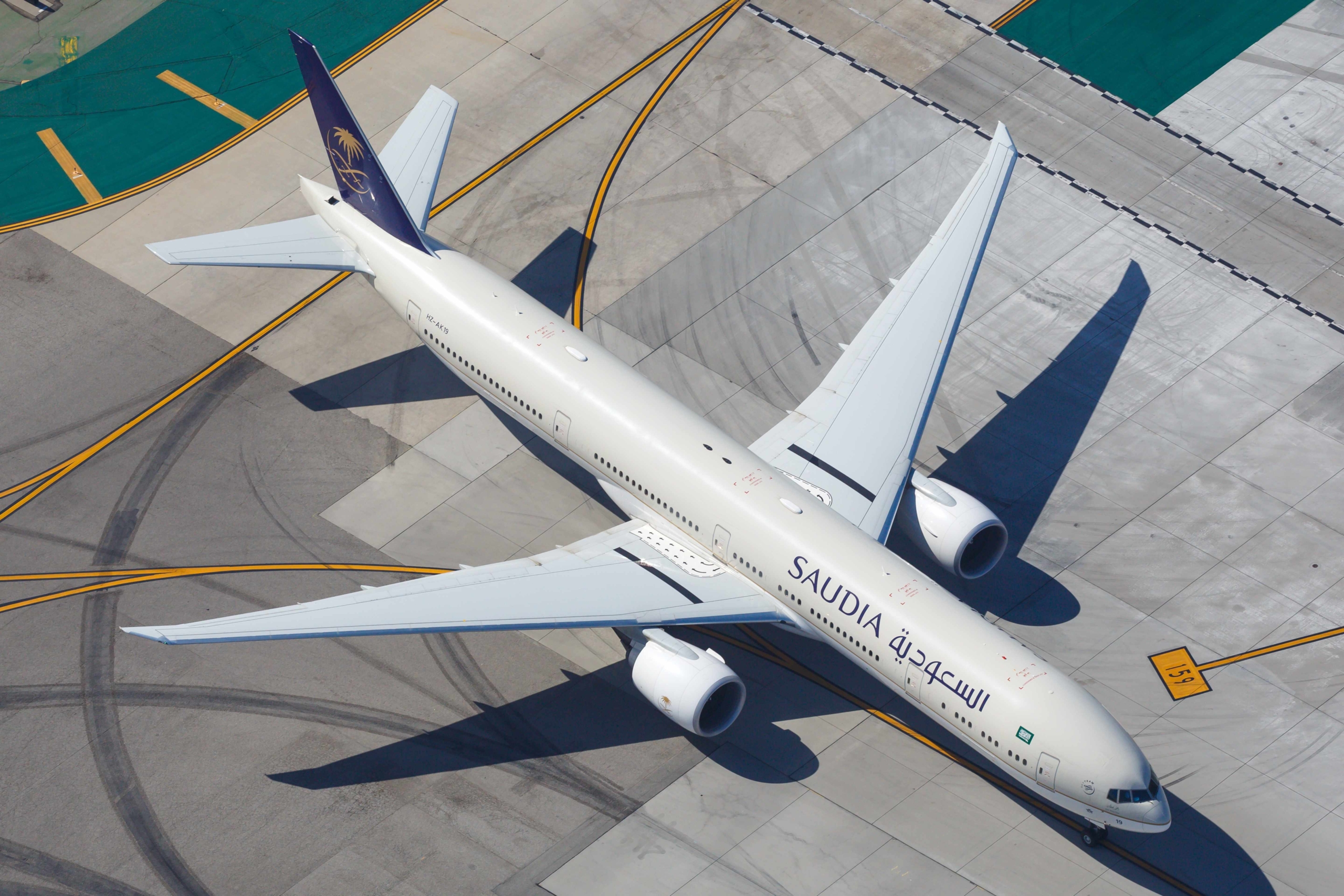
If you’ve ever looked out of a cabin window while taxiing in a Boeing 777, you may have noticed something unusual on the wing, a set of bold black stripes painted near the trailing edge.
They are easy to spot once you know they are there, yet they are rarely explained. Some passengers assume they are linked to emergency exits or evacuation slides. Others dismiss them as decorative markings or airline-specific paint quirks.
In reality, those black stripes serve a very specific and practical purpose, and they have nothing to do with passengers at all. Instead, they are a subtle but important aid for the pilots, designed to help them safely manoeuvre one of the world’s largest twin-engine airliners on the ground.
Why the Boeing 777’s size makes ground manoeuvring challenging
The Boeing 777 is a large aircraft by any standard. Depending on the variant, the fuselage length ranges from around 64 metres to almost 74 metres on the stretched 777-300ER, with a wingspan of nearly 65 metres.
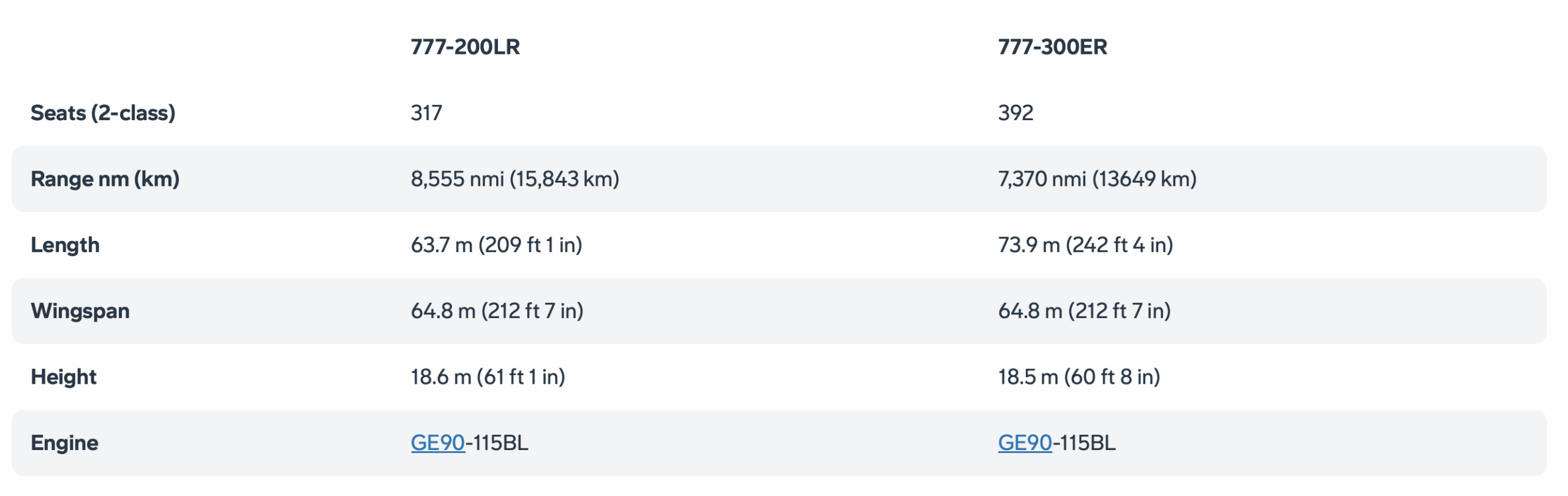
These dimensions can present real challenges when operating at airports with constrained taxiway widths, tight turns, or closely spaced parking stands.
From the cockpit, pilots have limited direct visibility of the main landing gear. Judging precisely where the wheels are tracking during taxi can therefore be difficult, particularly when following taxiway centrelines, negotiating turns, or positioning the aircraft accurately on stand.
How the Boeing 777 uses wing cameras and black stripes to track wheel position
To improve situational awareness during ground operations, the 777 is equipped with a tail-mounted camera that feeds a live video image to cockpit displays.
This is where the black wing stripes come in.
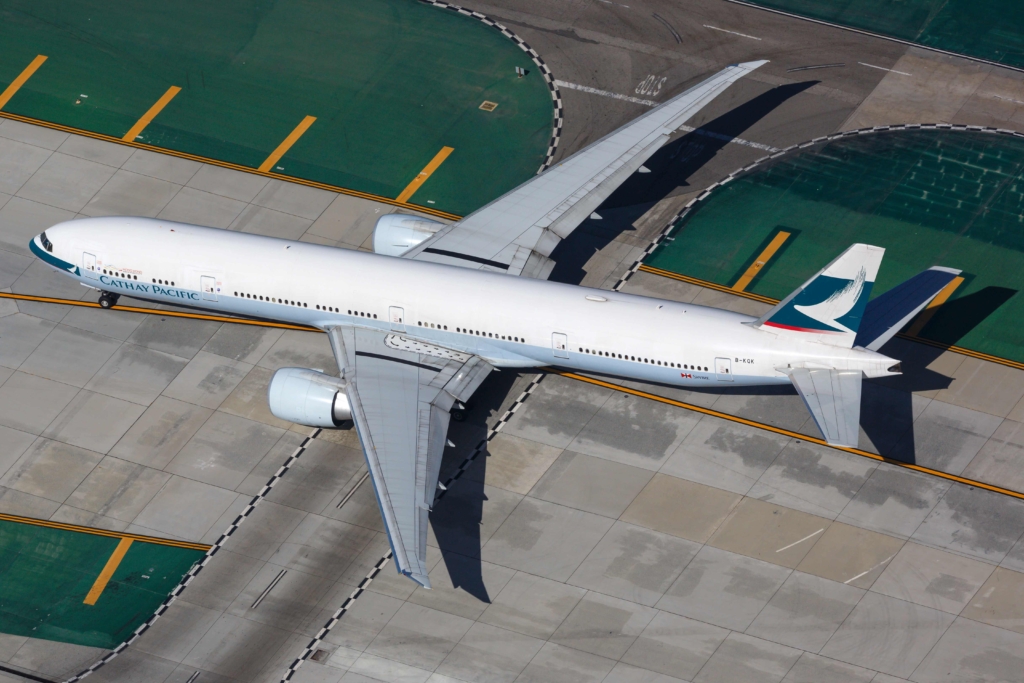
The stripes are painted in precise alignment with the outboard edge of the main landing gear on each side of the aircraft. When viewed through the tail camera, they give pilots a clear visual reference showing exactly where the wheels are tracking relative to taxiway markings, pavement edges, lighting, and nearby obstacles.
Rather than estimating wheel position indirectly, crews can see it in real time.
How the black stripes on the Boeing 777’s wings help during taxi and parking
This visual cue is particularly valuable on narrow taxiways and during turns, where even small tracking errors can result in a wheel straying close to edge lighting, signage, or pavement boundaries.
During parking, pilots are guided by marshallers or electronic docking systems to align the aircraft with the stand centreline and stop position.
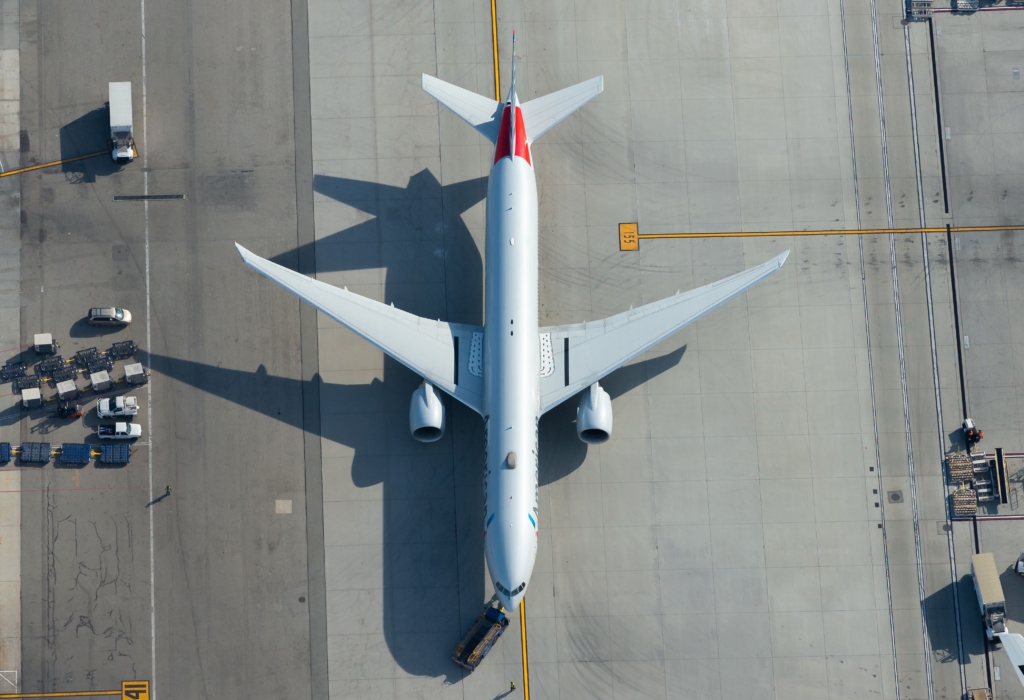
The wing stripes provide an additional cross-check, allowing crews to confirm correct alignment as they approach the stop line and reducing reliance on a single external cue.
Why the black stripes on Boeing 777 wings are a deliberate cockpit design feature
The wing markings are a good example of human-factors thinking applied to modern aircraft design. As airliners have grown larger, pilots have lost direct visual cues that were once available on smaller aircraft.
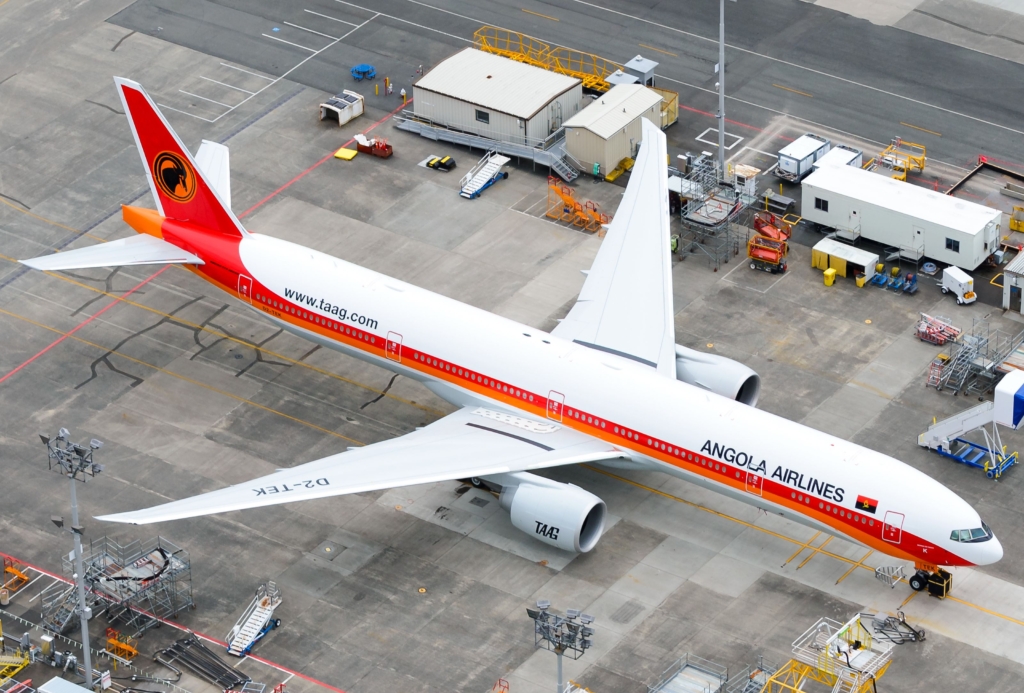
Rather than adding complexity, the 777’s designers introduced a simple, intuitive reference that works seamlessly with existing camera systems to reduce workload and improve accuracy during low-speed ground manoeuvres.
It is a small detail, but one with clear safety and operational benefits.
Will future Boeing 777 variants still use black wing stripes?
The importance of such visual aids is likely to increase further with the introduction of newer 777 variants.
The upcoming 777-9, the largest passenger version, is approximately 2.9 metres longer than the 777-300ER, placing even greater demands on ground manoeuvring accuracy. Meanwhile, the 777-8 Freighter will be more than seven metres longer than the current 777F, making it one of the longest twin-engine aircraft ever built.
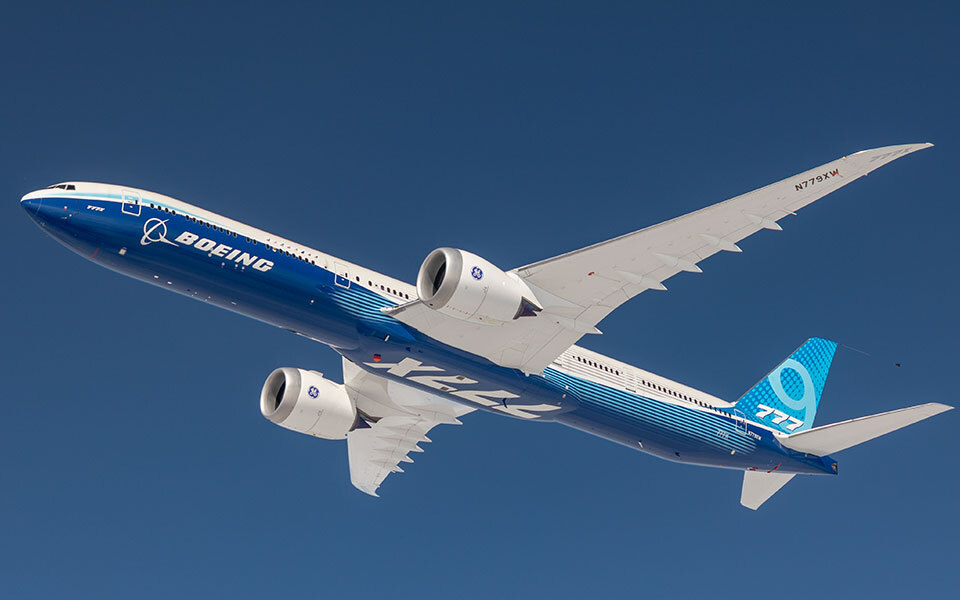
As aircraft continue to grow, small design features like those black wing stripes may play an increasingly important role in helping pilots keep very large aircraft precisely where they need to be, even when they cannot see the wheels themselves.
Featured image: Markus Mainka – stock.adobe.com