Passengers decide: The Which? list of UK’s best & worst airlines for customer satisfaction

March 2, 2026
In the latest annual satisfaction survey from consumer watchdog Which?, British flyers have delivered their verdict on their airline experiences over the past year. The results show significant differences between short-haul and long-haul carriers. The watchdog also raised questions about the value of budget airline pricing once add-on fees are included.
The survey gathered feedback from more than 5,500 economy class travellers who flew from UK airports in the 12 months to November 2025. The study evaluated airlines across key categories, including booking ease, customer service, seat comfort, cabin environment and value for money.
Short-haul: Jet2 tops the list, while larger budget carriers lag
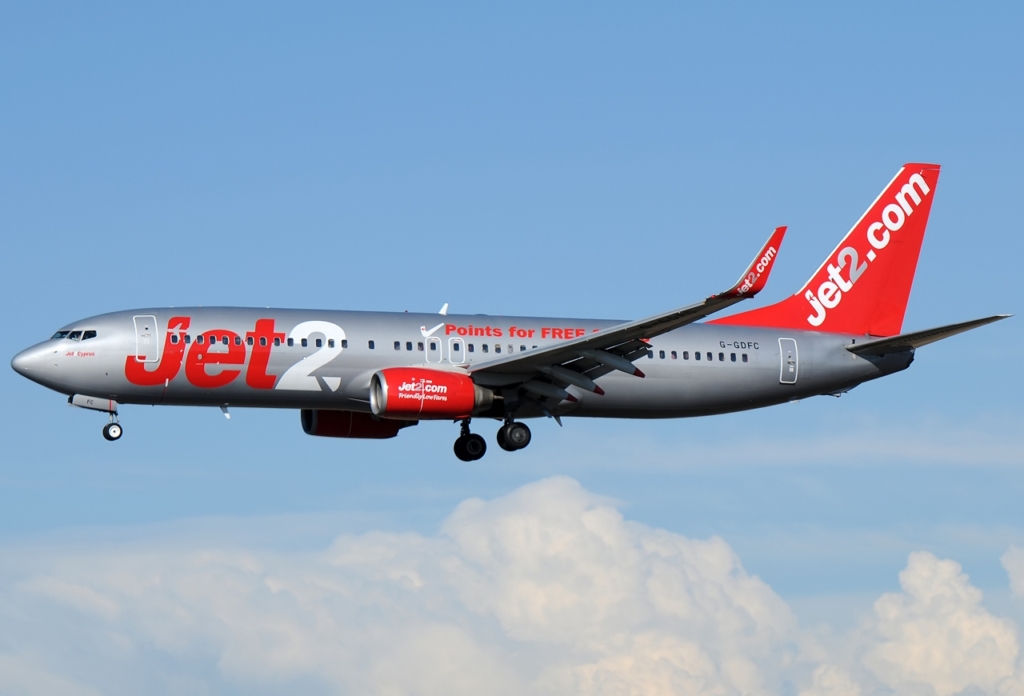
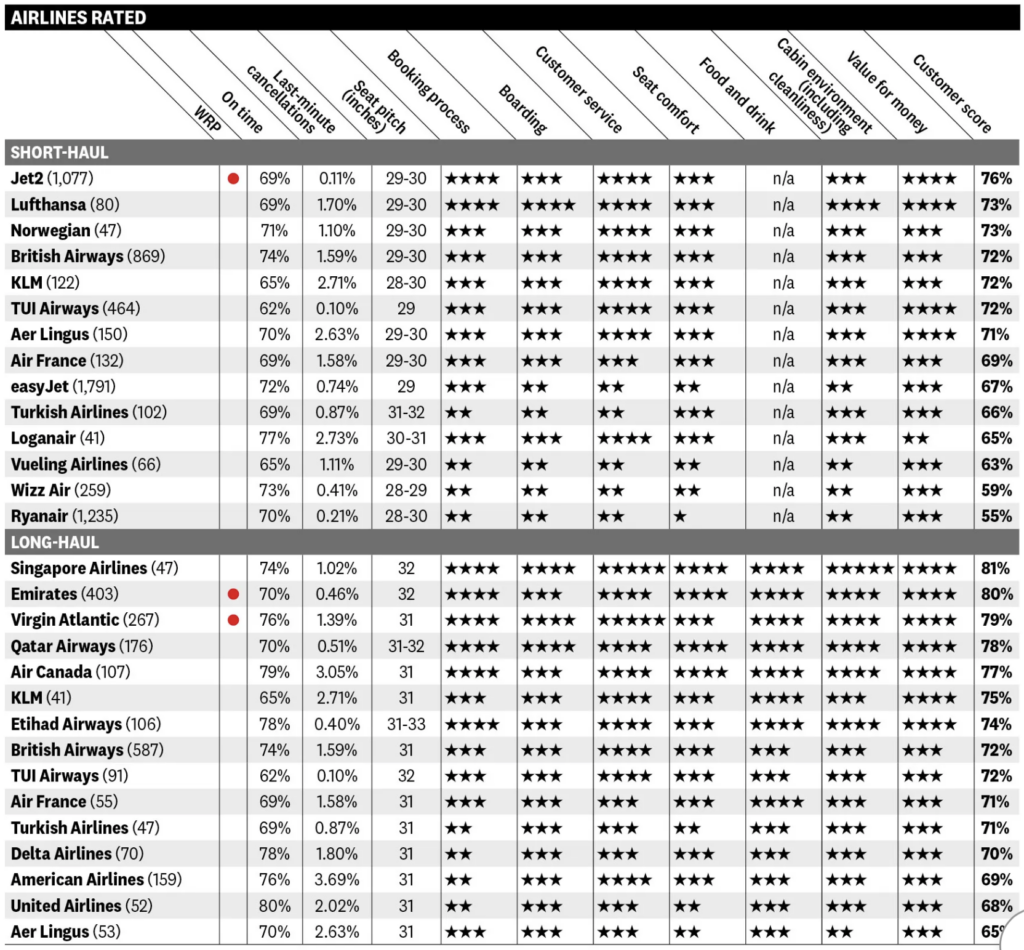
In the competitive European short-haul market, Jet2 emerged as the clear winner. It was the only airline to secure Which? Recommended Provider status in this category, with a 76% overall customer satisfaction score. Travellers surveyed praised the airline for relatively generous luggage allowances, reliable operations and stronger customer service compared with rivals.
In contrast, several larger budget carriers struggled:
- Ryanair finished at the bottom with just 55%, scoring poorly across most aspects of the journey, especially in seat comfort and booking experience. Customers flagged that extras, including baggage and seating charges, eroded the appeal of advertised fares.
- Wizz Air also performed near the lower end (59%), with complaints over customer service and communication around delays.
- easyJet scored 67%, noting improvements in punctuality but still underperforming in cabin comfort and service quality.
Other carriers performed better overall, with Lufthansa and Norwegian both scoring 73%, and British Airways, KLM and TUI clustered around the low-to-mid-70s in customer satisfaction.
Which? highlighted that budget airlines’ low-fare claims can be misleading once add-ons such as bags and seat allocation are factored in—added fees that are often revealed only in the later stages of booking. This ancillary strategy can inflate the final cost more than expected, diluting the value proposition of advertised cheap fares. However, ancillaries have become a common revenue strategy for carriers in all market segments, from low-cost operators to traditional full-service carriers.
Long-haul: Singapore Airlines leads the pack
Among long-haul operators—rated separately by passengers who flew intercontinental economy—Singapore Airlines stood out as the highest-rated airline. The carrier earned an 81% satisfaction score and five stars for cabin environment and customer service, with passengers praising its friendly staff, meal quality and overall cabin comfort.
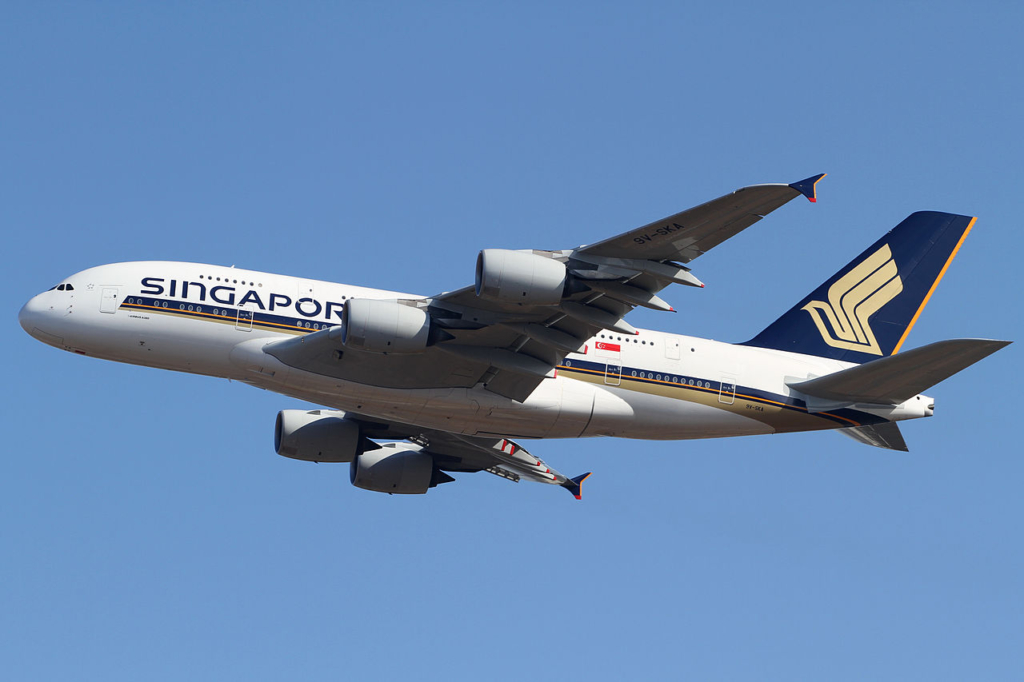
Close behind were other internationally recognised carriers:
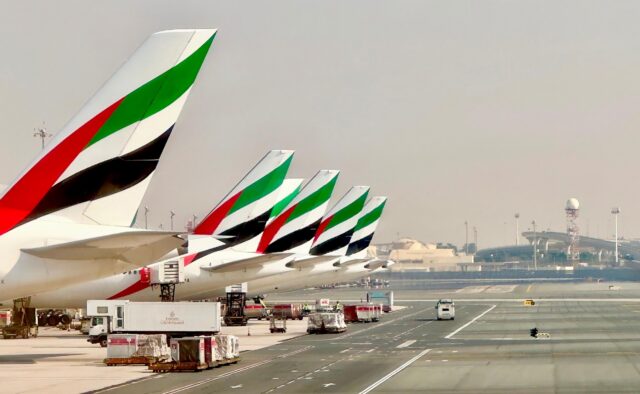
- Emirates (80%) scored highly across the board, including value for money and ease of booking.
- Virgin Atlantic (79%) was another top performer, earning high marks for service and cabin atmosphere.
- Qatar Airways and Air Canada also featured in the upper tiers of satisfaction.
Even national carrier British Airways, which scored 72% in long-haul satisfaction, saw improvements in punctuality and customer service compared with previous surveys, though it remained below the leading long-haul airlines.
At the lower end of the long-haul table, Aer Lingus scored 65%. Travellers noted discomfort and less favourable cabin environments on longer flights. The three major US carriers—Delta, American Airlines and United—also sat near the bottom of the list, scoring between 68% and 70%.
Budget airlines respond to Which? ratings
In the interest of fairness, Which? reached out to airlines that ranked poorly for comments on their results. Spokespersons for the major budget carriers featured in the survey challenged the validity of the findings.
easyJet argues Which? survey is not representative of its 50 million customers
A spokesperson for easyJet commented: “50 million customers in the UK will choose to fly with easyJet this year for our choice of destinations, great value fares and friendly service from our fantastic crew.
“We allow customers to pay for only what they want and no more which enables us to keep fares low for everyone. With around 40% of our customers choosing to travel with just the fare and our customer satisfaction scores at a ten year high, it’s clear that customers continue to value this choice and our service.
“Given this survey is not weighted, it simply isn’t representative when comparing with airlines who carry far fewer passengers.”
Wizz Air sides with easyJet on flaws in the Which? survey sample size
Wizz Air agreed with easyJet that the sampling methodology Which? uses for its survey is not representative of its overall customer satisfaction as it “relies on a tiny sample size.”
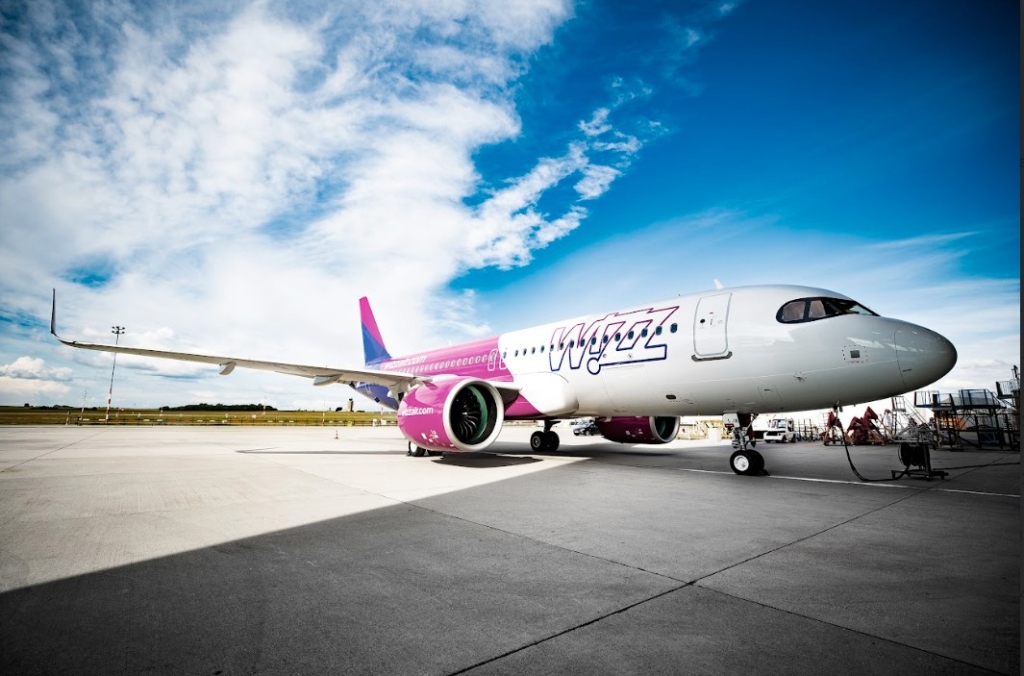
“It surveyed 259 people, which is only 0.002% of the 12 million passengers carried on our UK flights in 2025,” a spokesperson for Wizz Air responded. “No credible organisation can claim that such a sample is representative.
“Our strong passenger numbers, which rise every year, clearly show that travellers value WIZZ’s low prices and industry-leading operational performance. We’re continuing to deliver against the commitments outlined in our £12 billion Customer First Compass initiative.
“From October 2024 to December 2025, customer satisfaction rose by eight percentage points. At the same time, our flight completion rate in the UK was 99.7%—consistently among the best in the industry—while our on-time performance increased by 14% year-on-year.”
Ryanair said its 208 million passengers ignore “Which? fake surveys”
A spokesperson for Ryanair responded with characteristic boldness, saying: “Neither we nor our 208m passengers pay any attention to these made-up, manufactured surveys or their fake results. Every passenger booking a flight has a choice, and last year, 208 million consumers chose Ryanair, while nobody reads or pays any attention to Which? fake surveys.”
Which? also offered Aer Lingus an opportunity to respond to its low ranking on the long-haul list, but the Irish flag carrier did not respond.
Which? argues value versus price: What travellers should know
Which?’s editorial team emphasised that advertised ticket prices alone are a poor measure of value, especially for short-haul travel where ancillaries add up quickly. Travellers who opt for airlines that bundle luggage, seat selection and other basics into the fare, they say, may ultimately pay less—and feel more satisfied—than those lured by ultra-low fares that later balloon during the checkout process.
Rory Boland, Editor of Which? Travel said many travellers select budget carriers because of their enticing advertised fares, but “We’ve repeatedly found that airlines that include baggage and seat allocation in their fares can actually work out cheaper overall.”
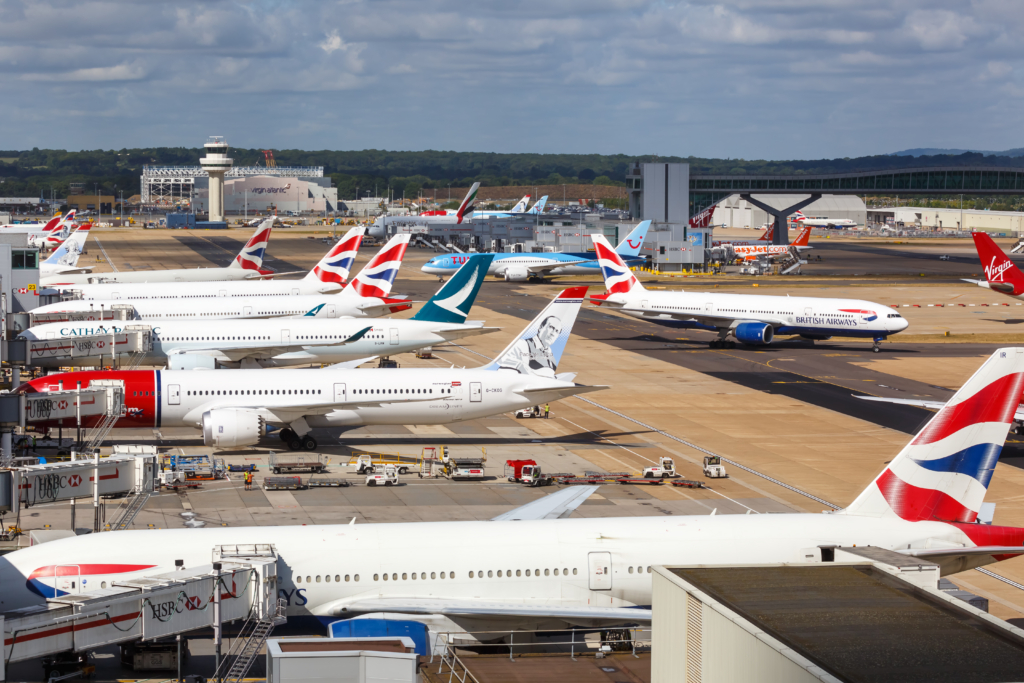
It is true that budget airlines often advertise extremely low fares that include nothing but the right to sit on the aircraft. Adding airline fees for ancillary services can often result in much higher fares at checkout. However, unbundled fares and ancillary strategies are no longer exclusive to low-cost carriers.
Many traditional carriers have adopted these revenue strategies, offering a combination of tiered fares, from fully bundled (all services included) to “bare fares” that include only aircraft access.
Therefore, it is important for consumers to evaluate the types of fares all airlines offer in their advertised deals. Travellers may also want to research their total fare, after adding all necessary ancillary services, on comparison sites like Kayak and Skyscanner before finalising the booking.
In some cases, the total fare, including the desired “add-ons”, may be close to airfares offered by other carriers that might have more convenient schedules, fewer connections, or land at airports closer to the intended destination.
Featured Image: Markus Mainka | stock.adobe.com