What to expect from Boeing in 2026

December 28, 2025
Boeing heads into 2026 with something it hasn’t had for years: a clear – if still fragile – roadmap for getting new jets certified, raising production and turning cash-flow positive again.
Based on recent investor presentations and earnings-call transcripts, 2026 is shaping up as a pivot year for the aircraft manufacturer, centred around three themes:
- Certification of the 737 MAX 7 and MAX 10, and 777-9
- A step-up in 737 and 787 production rates
- The first year of sustainably positive free cash flow since before the MAX crisis
Below is how that story looks, using Boeing’s guidance to investors, along with what customers are signalling about the path ahead.
Certification: 737 MAX 7, MAX 10 and 777-9
On Boeing’s January 2025 earnings call, Boeing CEO Kelly Ortberg addressed the company’s plans for certification of three key aircraft: the 737-7 and 737-10, as well as the 777X.
“On the 737-7 and 737-10, we’re still working through the testing phase, focused on finalising the icing design solution, which we plan to include in the certification programme,” Ortberg said. “Working closely with the FAA, especially in light of their leadership changes, will be a key focus area for us this year. The 777X is back in flight test, and we have a good handle on fixing the thrust link issue we uncovered.”
Where Boeing 777X certification stands
At that point, Boeing was still officially guiding to a first 777-9 delivery in 2026. That timeline has now slipped.
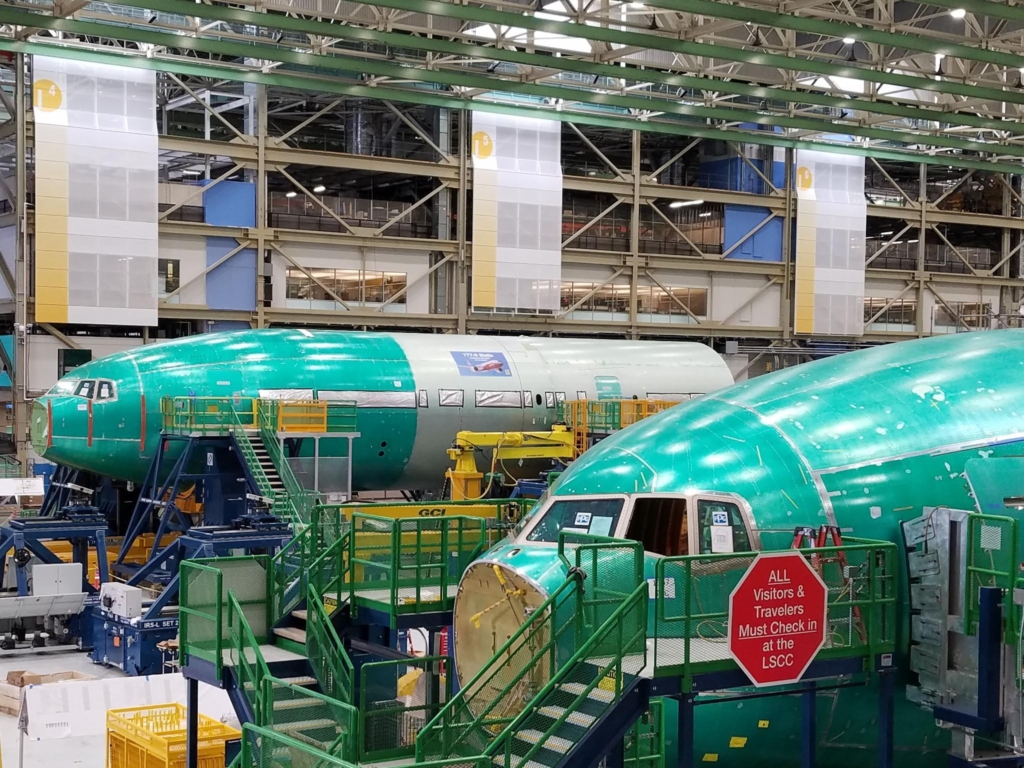
Boeing took a $4.9 billion charge on the 777X programme and delayed the first delivery until 2027. The manufacturer emphasized this was due to a certification risk rather than a new technical defect. While the FAA’s slow-moving type inspection authorization (TIA) process and the ongoing scrutiny of Boeing’s quality record have pushed out the timeline, the aircraft is advancing in flight testing.
Where Boeing 737-7 and 737-10 certification stands
On the narrowbody side, the 737-7 and 737-10 are now broadly expected to certify sometime in 2026. Ryanair’s Michael O’Leary expects to receive MAX 10 deliveries starting in late 2026 or early 2027, following certification.

Taken together, the most realistic 2026 certification picture for Boeing’s new aircraft looks like this:
- 737 MAX 7 – FAA certification sometime mid-2026, with launch customers such as Southwest introducing the plane in 2027.
- 737 MAX 10 – certification later in 2026, enabling first deliveries to airlines like WestJet and Ryanair in late 2026 or 2027 and pushing United’s large MAX 10 fleet well into the second half of the decade.
- 777-9 – continued Type Inspection Authorization (TIA) flight-test work through 2026, with service entry in 2027 after the latest schedule reset.
The key point for 2026: Boeing is unlikely to be delivering new-type aircraft in volume yet, but it needs those certifications in hand to underpin its longer-term production and cash-flow targets.
Production ramp-up: 737 and 787 move toward “normal” rates
The other half of Boeing’s 2026 story is production – especially of 737s and 787s. Unlike its rival, Airbus, Boeing has not set a formal target for unit deliveries. Instead, it has focused on stabilising its production line and increasing its output while maintaining its quality standards.
In the same Q4 2024 call, CFO Brian West described how the narrowbody line would ramp cautiously after the IAM strike and heightened FAA oversight. Boeing restarted the 737 factory in December 2024 and, he said, planned to gradually increase the rate, aiming to be in a position to move above 38 aircraft per month later in 2025 once Boeing demonstrated stability.
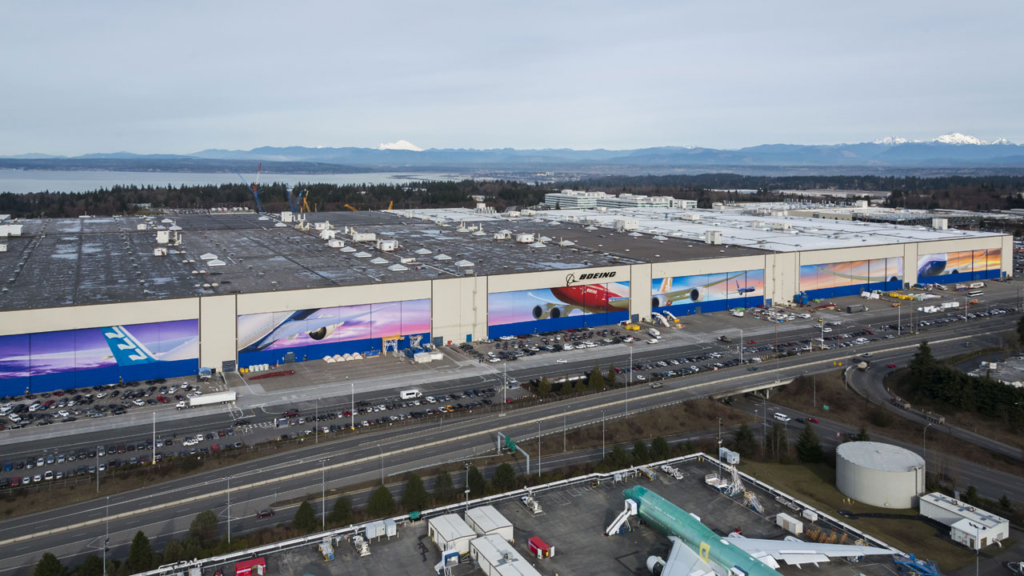
Six FAA-agreed KPIs covering escapes, shortages, rework, travelled work, and ticketing performance measure the OEM’s progress to stable production. Ortberg stressed that Boeing would not ask for a rate increase until those metrics support it.
By October 2025, the FAA had authorised Boeing to increase 737 production from 38 to 42 aircraft per month. This approval positions Boeing to implement further planned increases, with expectations to move to 47 aircraft per month in 2026, then to 52 and 57 per month in subsequent years.
The 787 Dreamliner has already reached seven aircraft per month, with plans to increase to 10 per month in 2026. Those numbers broadly align with rating-agency assumptions; S&P Global, for example, has indicated to investors a 737 rate in the high-40s and a 787 rate of about 10 per month by 2026 in its positive-outlook report on Boeing.
Put simply, if FAA oversight continues to ease and supply-chain bottlenecks stay manageable, 2026 could be the year Boeing’s two core commercial programs finally operate at something close to pre-crisis tempo – even though 737-7/-10 and 777-9 volumes will still be limited.
Cash flow: a return to positive territory
Boeing investors care less about headline deliveries and more about the company’s cash flow.
On the January 2025 earnings call, West framed 2025 as “a use of cash” but emphasised that Boeing expected to exit the year with “real momentum in the business as we return to normal production rates,” adding that the cash-flow profile as they left 2025 “sets us up very nicely for 2026”.
West then outlined what was required to underpin that outlook: higher 737 rates, a steady 787 ramp, liquidation of legacy 737 and 787 inventory, a 777X production ramp, and improving defence margins, all while maintaining strong performance in services.
We got a more explicit 2026 cash-flow number from CFO Jay Malave at the UBS Global Industrials & Transportation Conference in early December.
“For next year, we absolutely expect to grow year-over-year in cash flow. And I would say that that will result – what we expect anyway – is in the low-single digits [billions] in terms of positive free cash flow, which I think is pretty substantial growth year-over-year,” Malave said.
Spirit AeroSystems: integrating a critical supplier
Another 2026 variable is how smoothly Boeing can integrate Spirit AeroSystems, the 737 fuselage and major structures supplier it spun off in 2005 and has now brought back in-house.
On 8 December 2025, Boeing announced it had completed the acquisition of Spirit in a deal valued at about $8.3 billion, including debt – a move regulators had been scrutinising closely after the door-plug blow-out on an Alaska Airlines MAX 9 in January 2024.
On completing the acquisition, Ortberg told investors and employees: “This is a pivotal moment in Boeing’s history and future success as we begin to integrate Spirit AeroSystems’ commercial and aftermarket operations.”
Boeing emphasised that the deal “underscores [its] commitment to aviation safety and aeroplane quality while strengthening commercial production and supply chain stability”, and confirmed that all Boeing-related commercial work at Spirit – from 737 fuselages to major 767, 777 and 787 structures – would come under Boeing Commercial Aeroplanes.
For 2026, that should mean:
- More direct control of key 737 and 787 structures and rework
- Fewer surprises around “travelled work” and out-of-sequence fixes
- A complex labour and culture integration task across major facilities in Wichita, Tulsa, Dallas and Belfast
If Boeing can stabilise those sites while ramping rates, Spirit’s integration becomes a tailwind; if not, it risks becoming another distraction.
What Boeing’s 2026 is likely to look like
Putting the various pieces together, here’s what we might expect for Boeing’s 2026:
- No new clean-sheet jets, but critical certification milestones: MAX 7 and MAX 10 approvals and continued 777-9 progress toward a 2027 EIS.
- 737 MAX production stepping up to the high-40s per month, assuming FAA satisfaction with quality metrics, with scope for further increases in 2027–28.
- 787 Dreamliner reaching 10 aircraft per month, returning the programme to something like its intended steady-state volume.
- First year of positive free cash flow in the “low-single-digit” billions, driven by higher deliveries, lower rework and gradual inventory liquidation – but still far from the company’s $10 billion long-term ambition.
- Spirit integration is in full swing, with Boeing directly managing much of the aerostructures work that has bedevilled its production system over the last decade.
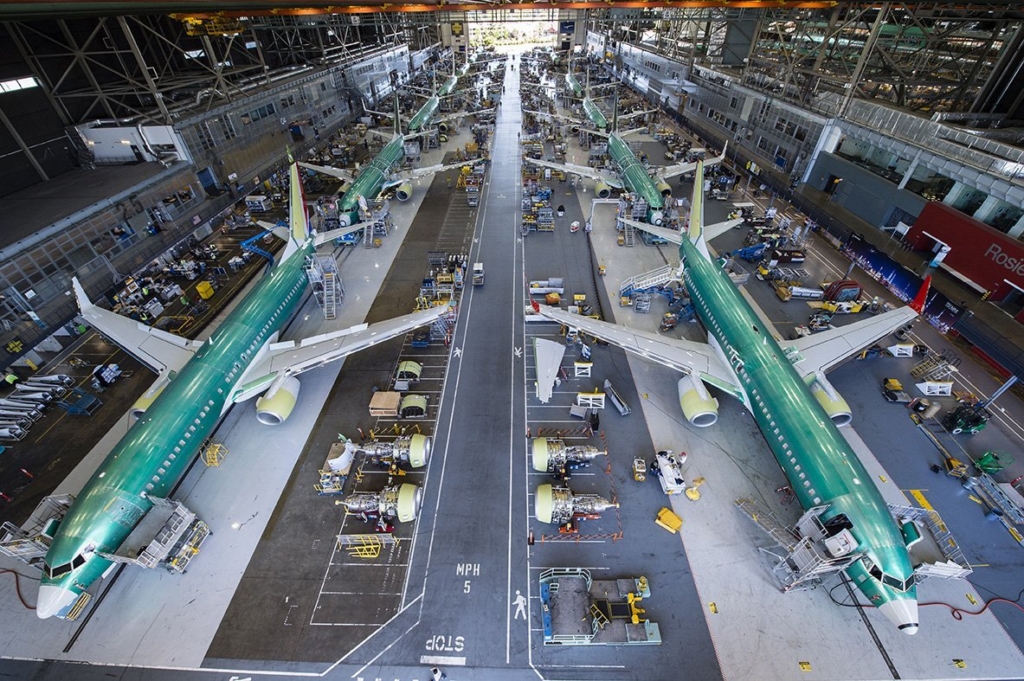
Several caveats remain: FAA oversight is intense; global supply chains are fragile; and Boeing’s industrial culture is a work in progress. Boeing has repeatedly emphasised that progress requires a “multiyear” cultural change around re-baselined values and simplified management layers before performance really turns.
After weathering storms, Boeing’s future is finally more coherent. We can consider 2026 as the company’s early recovery year, with higher production rates and new-type certifications really paying off from 2027 onward.
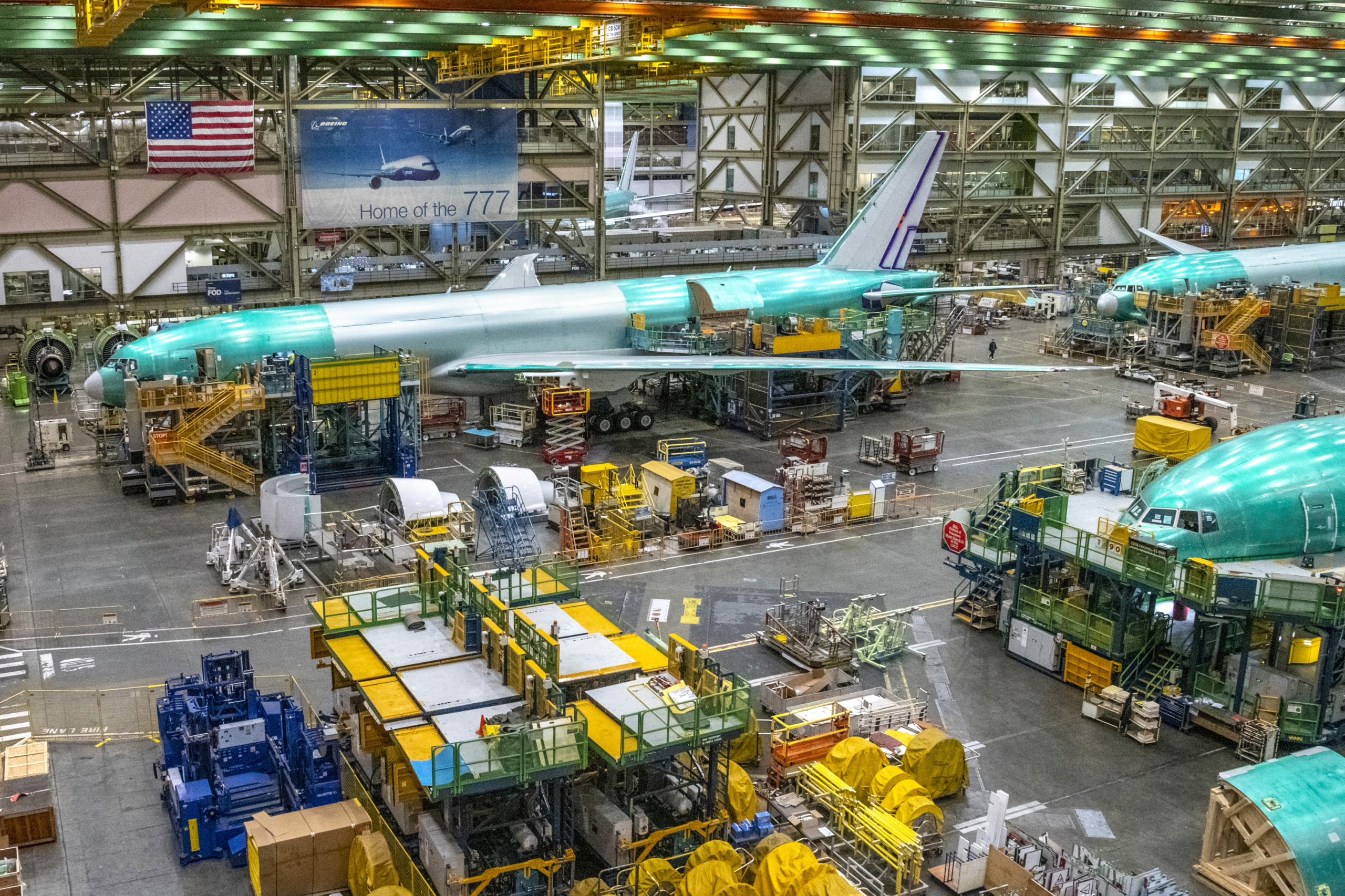
Featured Image: Boeing