Cabin catastrophe: WestJet makes major U-turn on low legroom seats after backlash

January 20, 2026
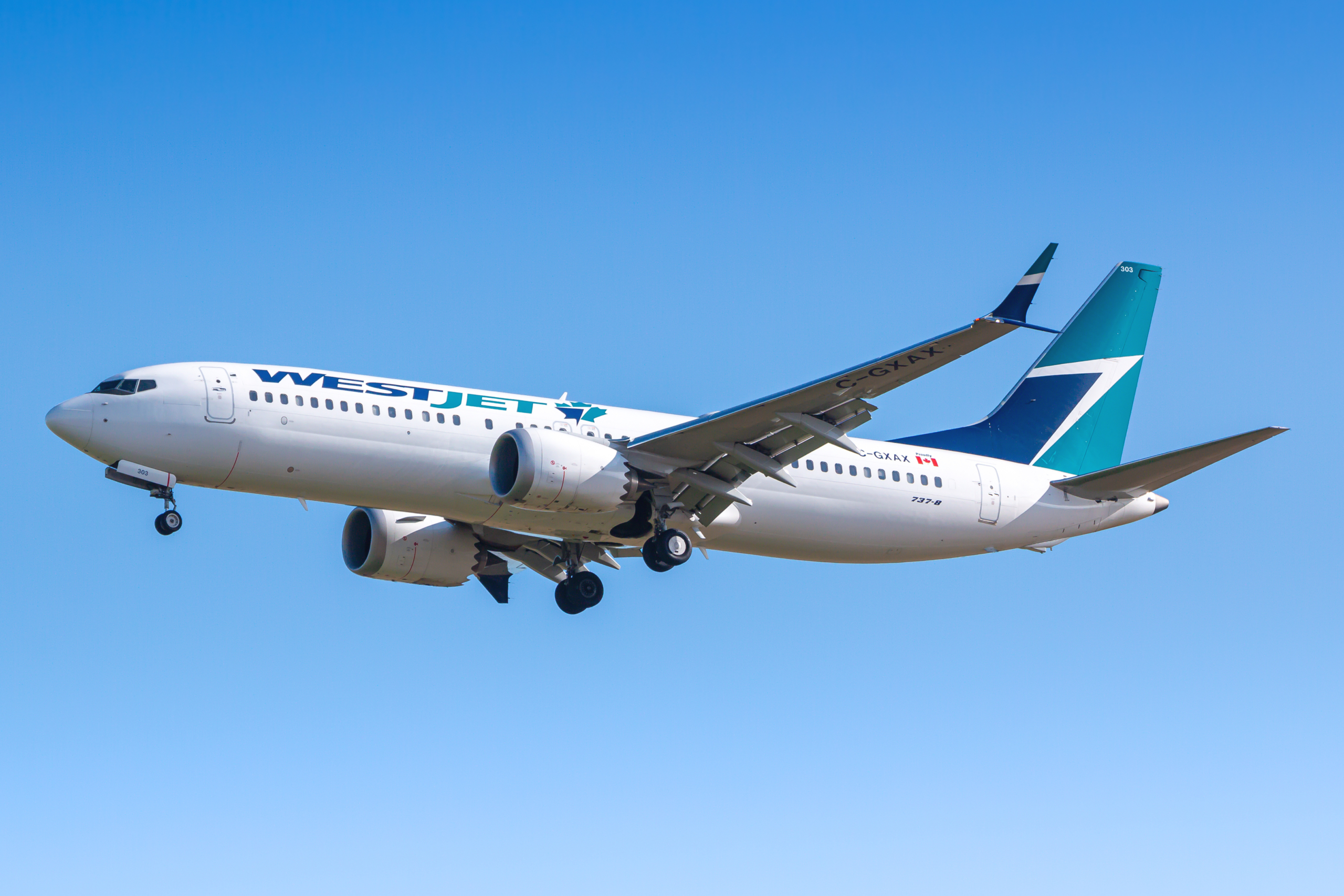
Canada’s WestJet Airlines has announced it will roll back its controversial economy-cabin redesign that reduced legroom to a tight 28” seat pitch on select Boeing 737 aircraft, scrapping the extra row of seats and restoring its prior standard configuration.
The decision follows widespread public, employee and media criticism over passenger comfort.
Seat crunch backlash prompted WestJet’s reversal
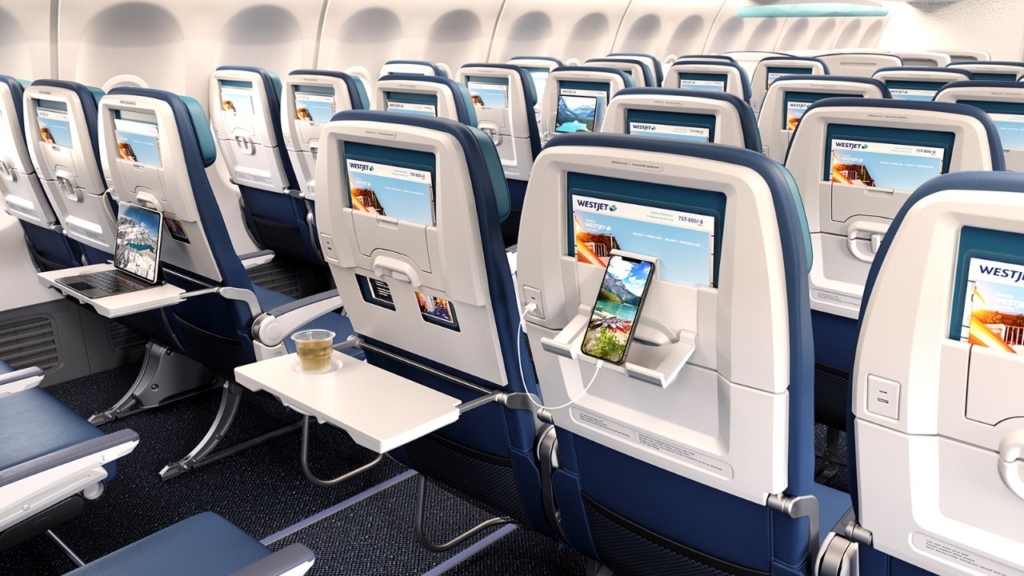
In September 2025, WestJet introduced a varied seating arrangement on some Boeing 737-800 and 737-8 MAX aircraft, installing ultra-slimline seats at the back with a 28” pitch and eliminating recline for many economy seats.
This tighter pitch is lower than the typical 30”–31” spacing on major North American airlines, but on par with other low-cost carriers, including Frontier and Spirit.
WestJet’s goal was to fit an additional row of seats on the aircraft, which enabled it to offer more affordable airfares.

The pitch change quickly drew criticism from passengers, staff, and industry observers, amplified by viral social media videos showing travellers struggling to fit comfortably, with their knees pressed against the seatbacks. Public reaction intensified on platforms like TikTok, where a viral clip garnered over a million views and sparked widespread outrage.
Air Canada took a jab at WestJet’s decision to install non-reclining seats in the new cabins, pointing out that its new cabins would still offer reclining seats.
WestJet commits to rework completed aircraft cabins
The airline had paused the rollout of the new cabin configuration in December 2025 to undertake a review, but has now formally confirmed a full reversal.
In a statement, WestJet said it would remove the additional row of seats on the aircraft, which have already undergone the seat changes and return to its previous standard seat pitch after reviewing operational data and extensive feedback from guests and employees.
The airline is currently working on a plan to return the aircraft, which had been configured to seat 180 to 174. The timeline for completing the reconfiguration across its fleet depends on engineering certification and logistical factors, but the carrier expects the process to continue through 2026.
“WestJet tried seat pitches that are popular with many airlines around the globe as they serve to provide affordable airfares,” said Alexis von Hoensbroech, WestJet Group Chief Executive Officer. “As an entrepreneurial airline founded on making air travel affordable to Canadians, it’s in our DNA to try new products. At the same time, it is just as important to react quickly if they don’t meet the needs of our guests.”
WestJet’s new cabin rework will be costly
Changing the aircraft it had already completed with the new cabins will be a considerable investment for WestJet, both in labour and in aircraft downtime during maintenance. Still, the airline clearly considers the added programme costs worthwhile.
The airline did not state that it would switch out the non-reclining seat model selected for these cabins in favour of an alternate seat that offers recline, but it did state it “is still evaluating other aspects of the new layout, while broader cabin reconfiguration investments, including refreshed interiors, enhanced amenities, and modernized design, will continue as part of its commitment to improving the guest experience.”
It’s possible WestJet could rethink recline too, though that would only add to the programme’s costs and possibly leave the airline with an inventory of unusable seats.
Labour welcomed WestJet’s decision on a more generous seat pitch
The decision to eliminate the row was welcomed by cabin crew and pilot representatives, who had themselves protested the tighter pitch. With this program’s new halt-and-rework plan, the airline is addressing the frustrations of its staff and passengers alike.
“WestJet was founded as an airline centred on guests,” said von Hoensbroech. “It is in this spirit that we will take what we’ve learned and continue to be cost-disciplined and innovative, while staying true to what our guests and our people expect from us. It’s also important to recognise our WestJetters who showed up for guests with care and professionalism throughout.”
While other carriers have successfully implemented a 28” pitch, with little or no customer backlash, it’s clear that Canadians won’t put up with a seat crunch. The airline has committed to a balance between cost-saving seating innovations and customer comfort on its longer flights from Canada to destinations in the US and the Caribbean.
WestJet’s seat-pitch reversal is a rare instance in airline history in which passenger and employee feedback directly led to a major U-turn on a cabin product.
Featured Image: Lukas Wunderlich | stock.adobe.com