Virgin Atlantic nixes Dubai flights after 16-hour “flight to nowhere”

March 9, 2026
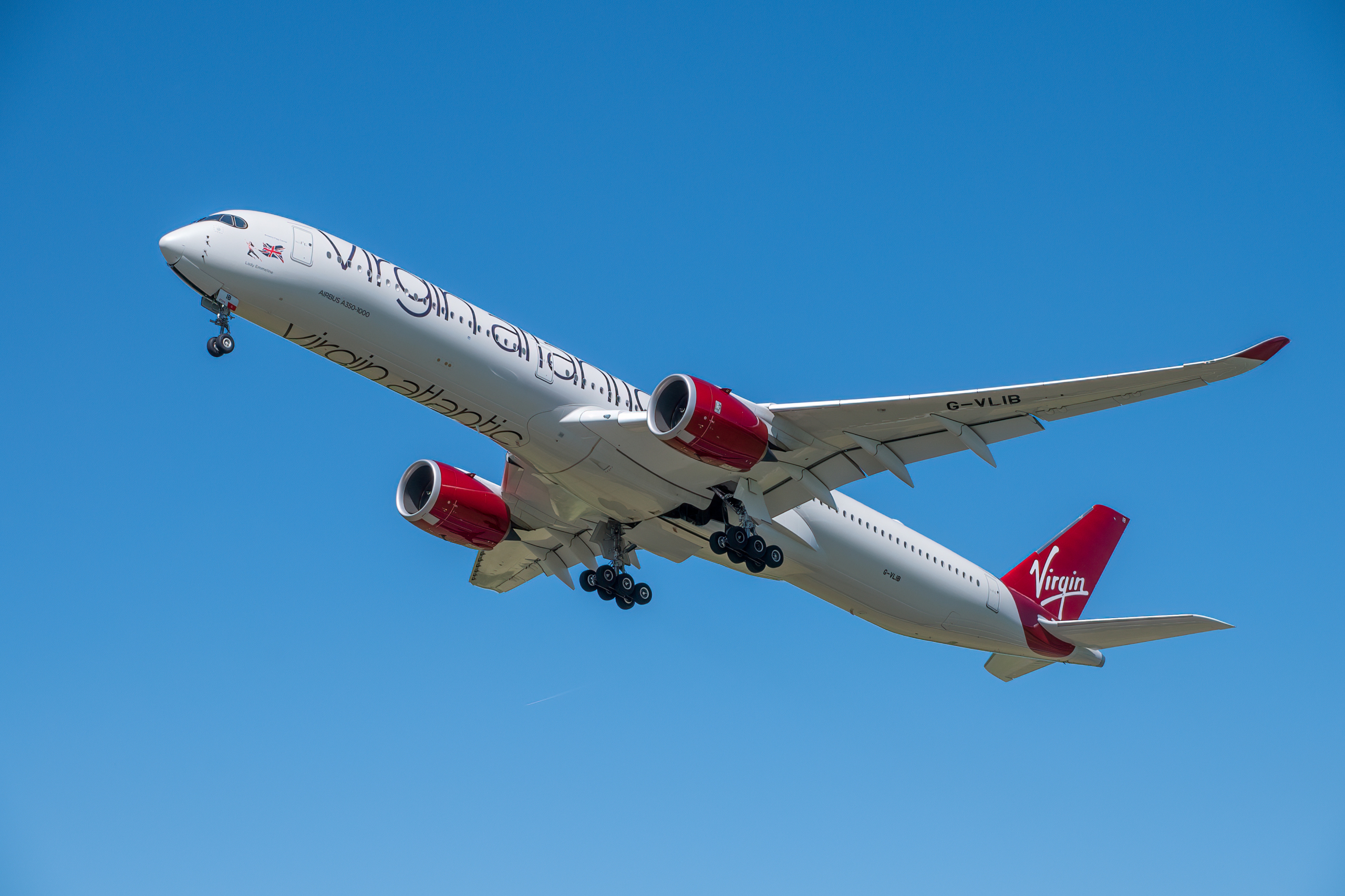
Virgin Atlantic has suspended its London–Dubai service after one of its aircraft was forced into a dramatic 16-hour “flight to nowhere” amid escalating tensions in the Middle East and the ongoing Iran conflict, which disrupted regional airspace.
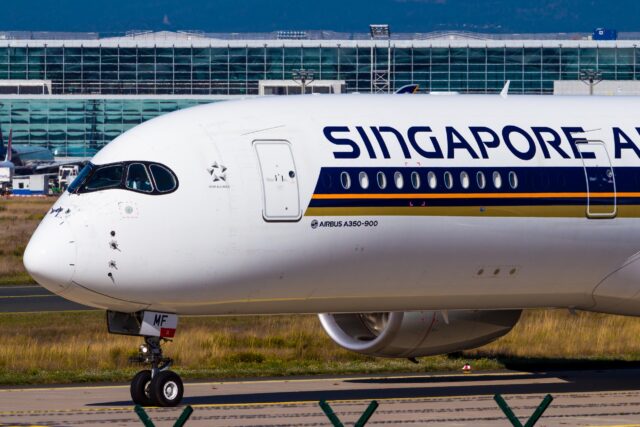
As reported by The Independent, the incident occurred when a Virgin Atlantic flight, VS400, departed London Heathrow on Friday at 10:22 pm, bound for Dubai. Six hours into the seven-hour flight, as the A350 flew over Saudi Arabia, sudden airspace restrictions due to Iranian strikes against targets in the Gulf forced the Virgin Atlantic pilots to return to London.
The aircraft made a 90-minute refuelling stop at Budapest on Saturday, and passengers landed safely at London Heathrow around 2:00 pm, after spending roughly 16 hours in the air, never reaching their destination.
Airspace disruption forces Virgin Atlantic to rethink Middle East routes
Airlines across Europe and the Gulf have been altering flight paths and cancelling services to avoid hot zones following the recent escalation in the region. While most of these decisions are made well-ahead of departure, the long Virgin Atlantic flight to nowhere demonstrates how quickly the current threat level can change.
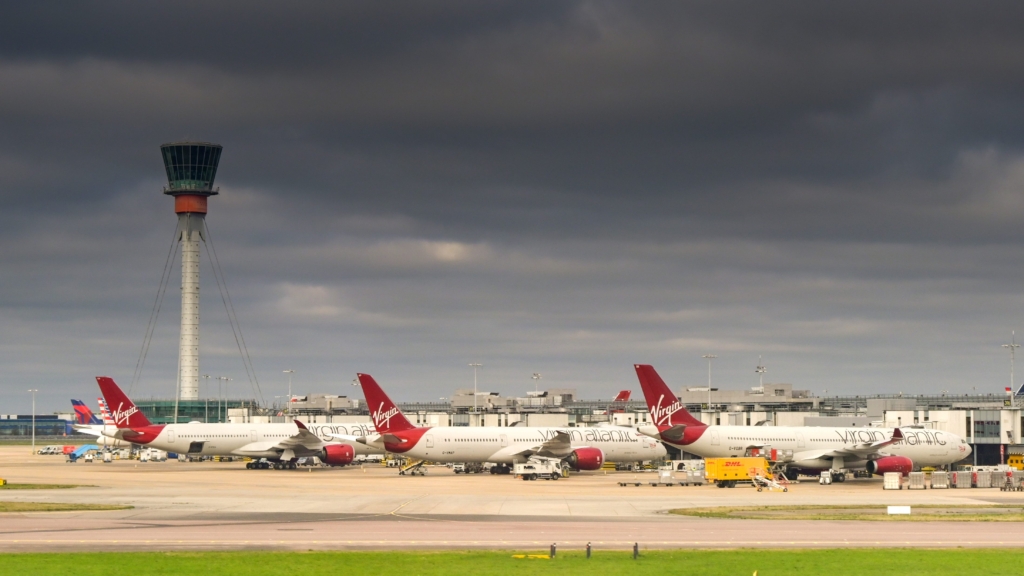
“We have strict criteria that must be met for a flight to continue into the region, and even though Dubai airport reopened shortly after its closure, our criteria for proceeding had not yet been met,” a Virgin Atlantic spokesperson told The Independent.
While Virgin Atlantic had been supporting repatriation flights from Dubai, uncertainty over safe operations moving forward has prompted the airline to halt both the Dubai route and its recently introduced service to Riyadh.
Virgin Atlantic suspends Dubai and Riyadh service
The Dubai route has been a key part of Virgin Atlantic’s Middle East network, connecting the UK with one of the region’s largest travel hubs and a major onward gateway for travellers heading to Asia and Australia.
Virgin Atlantic confirmed the routes’ suspension in a Travel update, published on Sunday:
“Following airport and airspace closures in Dubai and Riyadh on Saturday, 7 March, our Security and Operations teams conducted extensive safety and operational assessments. We have strict criteria that must be met for a flight to continue into any region, and our criteria for proceeding to Dubai and Riyadh were not met. As a result, we took the decision to cancel a number of our London Heathrow, Dubai and Riyadh rotations, and safely divert affected services.”
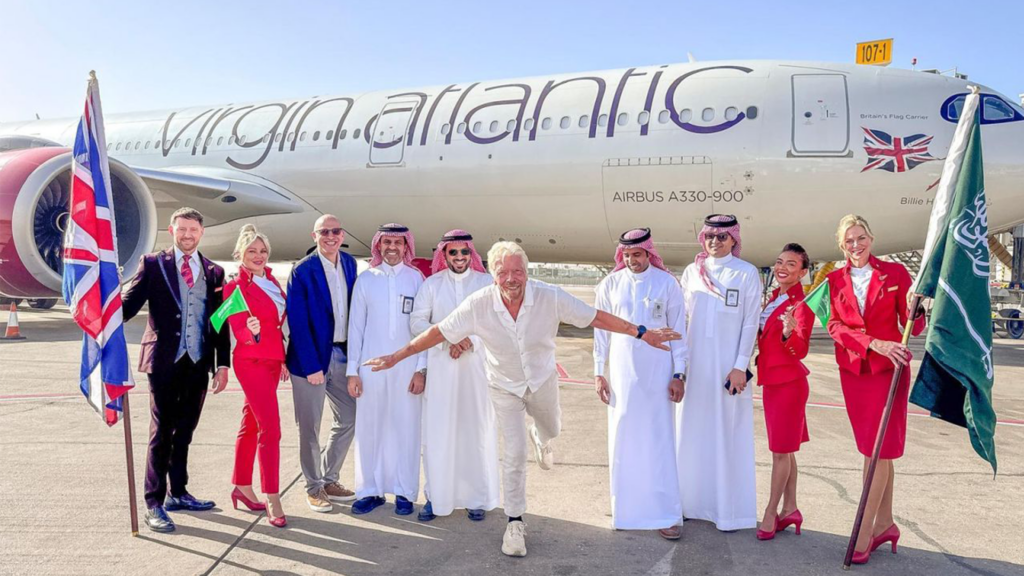
The airline suspended the Dubai service through the remainder of the Winter season. “Dubai is a seasonal route for Virgin Atlantic and was due to conclude on 28 March; however, the recent escalation in the Middle East has brought forward the end of our operation for this season. Flying to Riyadh is paused for the next two weeks and will continue to be assessed on an ongoing basis in line with the latest safety guidance,” Virgin Atlantic stated.
The airline is offering passengers already booked to fly to and from these destinations alternatives, including rebooking them on other carriers, and providing priority support for travellers in need of repatriation. “Our focus is on ensuring customers are able to return home safely, reliably and with the least possible additional disruption,” the airline stated.
Virgin Atlantic will also cover travellers’ expenses for accommodation, meals and essential transport, as needed, for passengers who will be away from home longer than planned.
The wider impact on commercial aviation of the conflict in the Middle East
Airlines have already rerouted flights to avoid Russian airspace since 2022, and conflicts in the Middle East have increasingly complicated flight planning between Europe and Asia.
When airspace closures occur mid-flight, carriers often face difficult operational decisions, including long diversions, extended holding patterns, or full returns to the origin airport, as was the case for Friday’s Virgin Atlantic flight to Dubai.
Airlines face significant cost increases due to the conflict, including higher fuel burn combined with rising fuel prices, as well as increased insurance costs and coverage risks.
As tensions continue to affect airspace across parts of the Middle East, airlines will remain cautious with their operating schedules and adjust routes as needed to ensure passenger safety.
Featured Image: russell102 | stock.adobe.com