Vertical Aerospace completes half a piloted eVTOL transition as it races to catch up with rivals

April 6, 2026
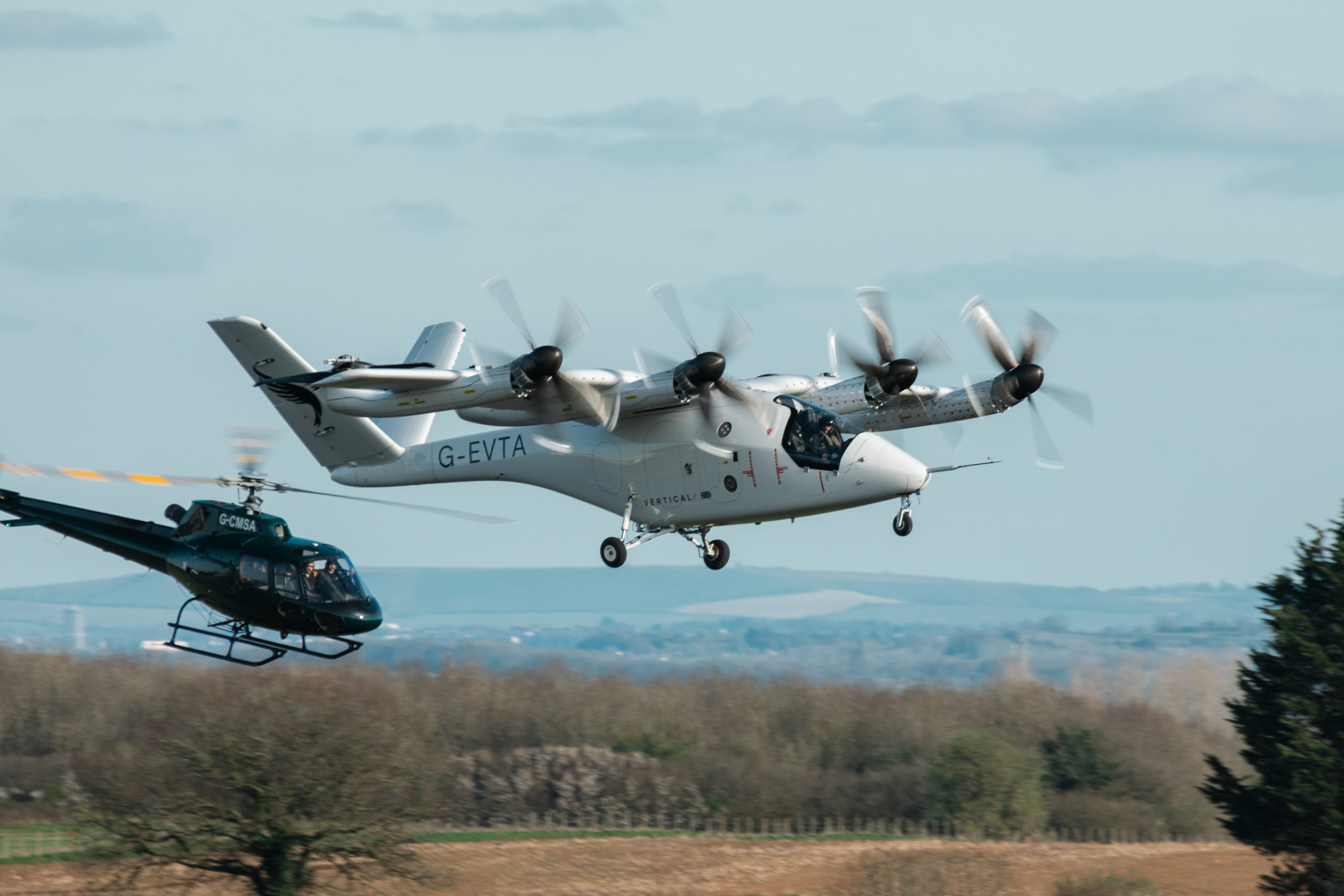
UK-based Vertical Aerospace has completed a key milestone in its flight test campaign, achieving a piloted one-way transition of its full-scale electric vertical take-off and landing (eVTOL) aircraft under regulatory oversight.
The flight, conducted on 2 April at Cotswold Airport, saw the aircraft take off vertically before transitioning into wingborne flight, completing the first half of the transition sequence required for operational use. A full two-way transition, including a return to vertical landing, has yet to be demonstrated.
The milestone was achieved under a Permit to Fly issued by the UK Civil Aviation Authority, working in coordination with the European Union Aviation Safety Agency, aligning the test directly with the aircraft’s certification pathway.
Vertical described the flight as a first for a piloted thrustborne transition of a full-scale aircraft of its class under such oversight. However, other developers, including Archer Aviation and Joby, have already demonstrated transition flight, in some cases including full two-way transition, albeit outside a comparable regulatory framework.
eVTOL transition milestone brings Vertical Aerospace closer to full flight capability
The transition phase, moving from vertical lift generated by propellers to aerodynamic lift from the wings, is widely regarded as one of the most complex challenges in eVTOL development.
During the flight, the aircraft lifted off vertically before its forward propellers tilted to generate forward thrust, allowing it to accelerate into wingborne cruise. The rear propellers were then stowed, with the aircraft completing the sortie via a conventional runway landing.
This marks the completion of the first half of the transition envelope. The next step will be a full two-way transition, including deceleration back to vertical flight for landing without the need for a runway.
Chief executive Stuart Simpson said the milestone demonstrated that Vertical had “solved the hardest engineering challenges” and now had both the regulatory engagement and financial backing to move toward certification.
How Vertical Aerospace compares in the eVTOL race
The milestone comes amid intensifying competition across the advanced air mobility sector, where several developers have already demonstrated transition flight, but are taking different paths toward certification.
US-based Joby Aviation has conducted piloted transition flights as part of a long-running flight test campaign, including operations in FAA-controlled airspace and flights between public airports. The company has logged tens of thousands of flight miles across its test fleet and is now in the later stages of FAA certification.
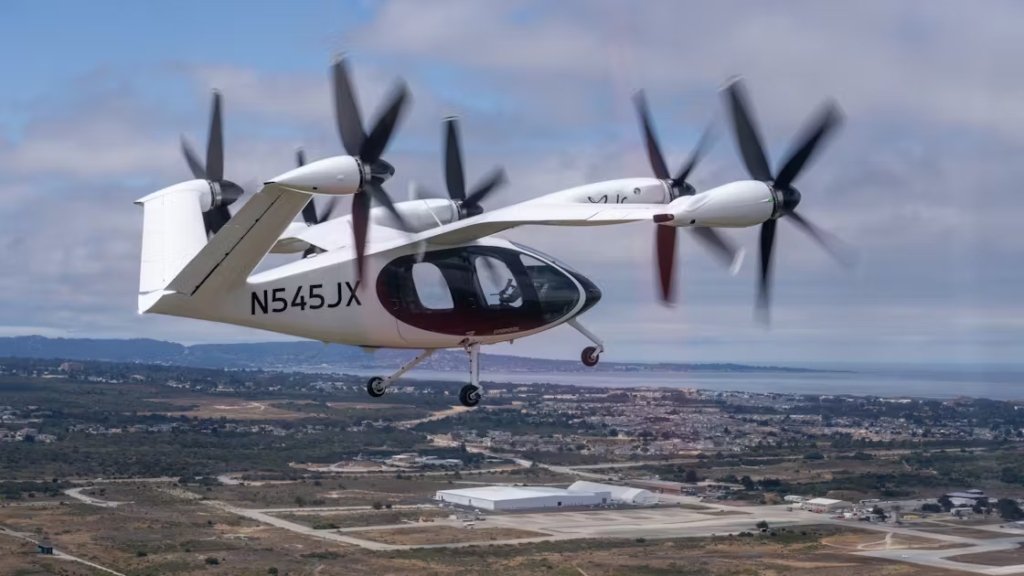
Meanwhile, Archer Aviation achieved full transition with its Midnight aircraft, including the complete sequence from vertical take-off to wingborne flight and back to vertical landing, a key step in demonstrating operational capability for urban air taxi services.
By comparison, Vertical’s flight is a piloted one-way transition, landing conventionally rather than vertically. That milestone will come next, although the company hasn’t specified a timeline. On its recent earnings call, Vertical executives noted that the run of bad weather in the UK had hampered progress on flight testing; they’ll be hoping for more sunshine to get through that final milestone.
It’s a slow and steady approach from Vertical. While competitors have prioritised demonstrating full operational capability, the British company is focusing on conducting each phase of flight within a certification-aligned regulatory framework.
What’s next for Vertical Aerospace?
The full two-way transition, including a return to vertical landing, remains a key milestone that Vertical will no doubt be hoping to tick off soon.
So far, all of Vertical Aerospace’s flight testing has been conducted using its VX4 prototype, while the conforming production aircraft, Valo, has yet to take to the air. Much of the certification-critical testing will need to be repeated on the final aircraft, but the VX4 programme allows engineers to de-risk key systems, refine control laws and map out the flight envelope ahead of formal certification.
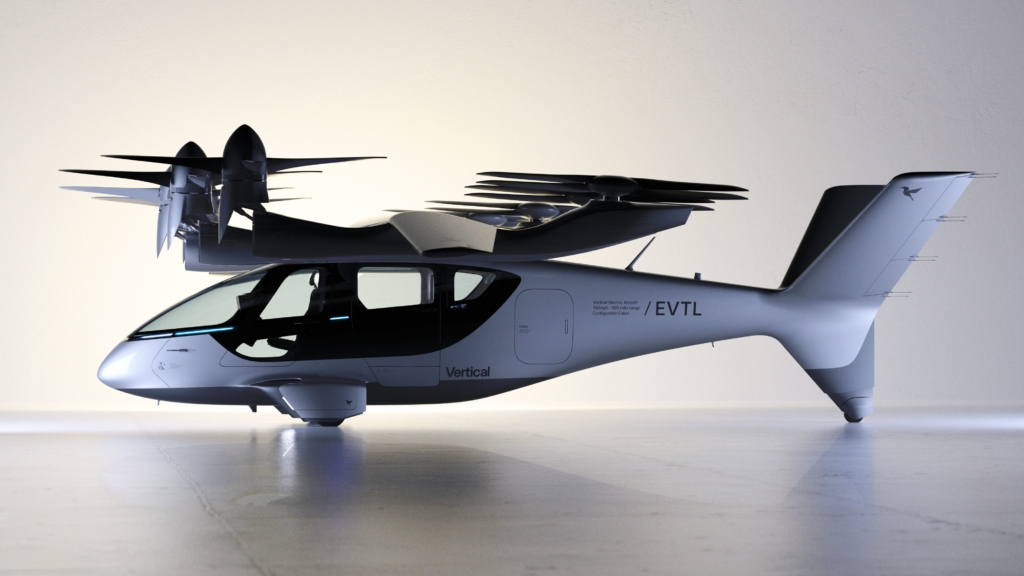
That progress also comes alongside a proposed financing package of up to $850 million, aimed at funding the next phase, from certification through to manufacturing and early commercial operations. It’s a reminder of just how capital-intensive eVTOL development has become, with several programmes already slowed by funding pressures.
Even if it’s only half a transition, it’s still a major step for Vertical. The real test comes next, completing the full two-way flight and carrying that momentum through certification.
Featured image: Vertical Aerospace