USS Gerald R. Ford aircraft carrier leaves Croatia, putting US fighter jets closer to Iran

April 6, 2026
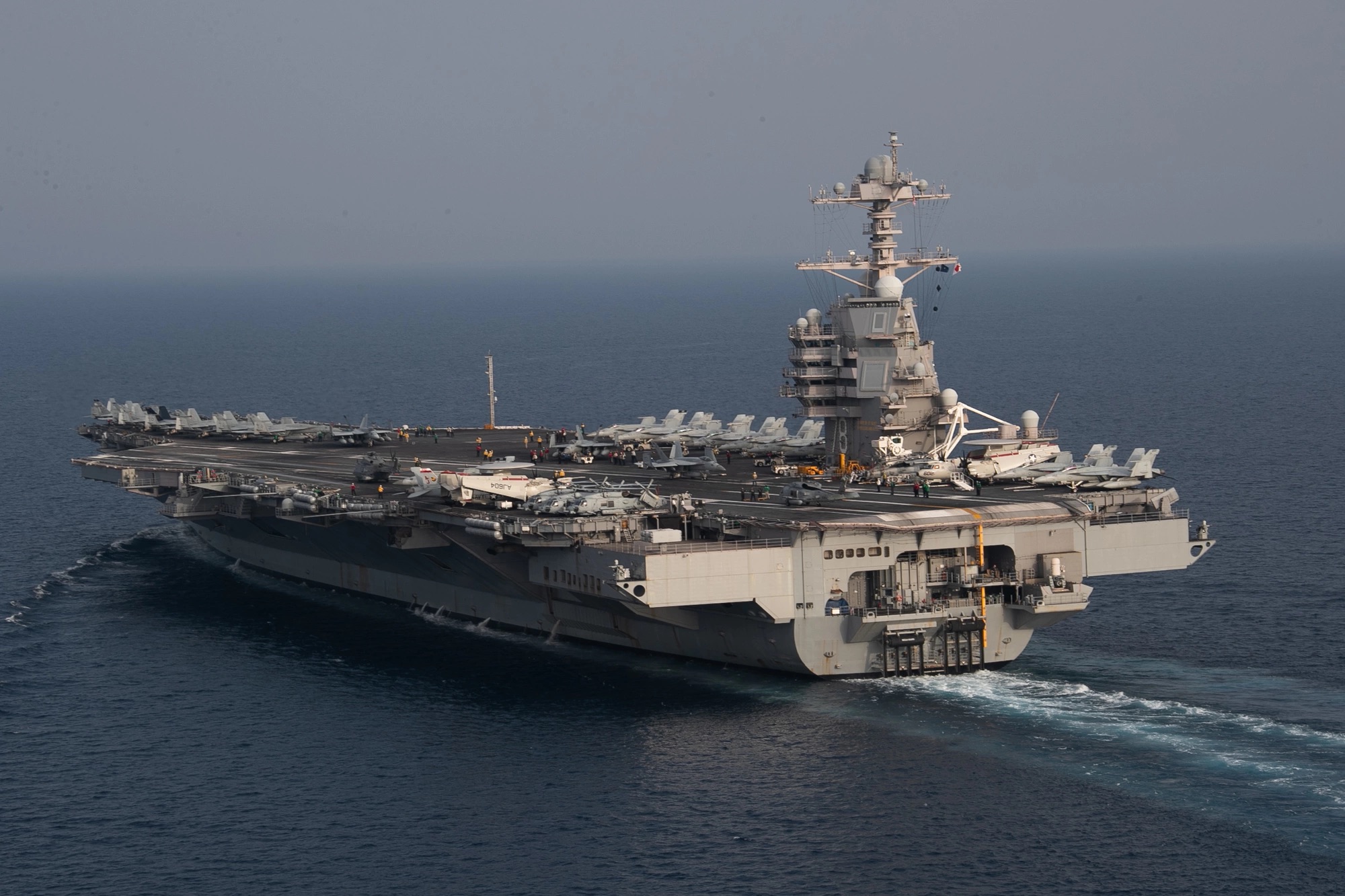
As tensions continue to escalate in the Middle East following sustained US-Israeli operations against Iran, the departure of USS Gerald R. Ford (CVN-78) from Croatia places one of the world’s most capable sea-based airpower packages back into motion.
With Carrier Air Wing 8 embarked, the carrier’s return to sea restores a flexible mix of strike, electronic warfare and airborne early warning capability, effectively reintroducing a mobile, sovereign airbase that can be positioned within reach of the region without reliance on host-nation infrastructure.
The carrier sailed from Split following a short repair stop after a fire onboard, and now appears set to resume operational tasking as part of a broader US military build-up.
USS Gerald R. Ford aircraft carrier returns to service after repairs in Croatia
The stop in Croatia, lasting from late March to early April, was driven by the need to address damage caused by a fire in a laundry and berthing area. While the incident injured two personnel, the US Navy moved quickly to restore full operational capability.
According to official statements, there was no impact on propulsion or core combat systems, allowing the carrier to return to sea with its air wing fully intact.
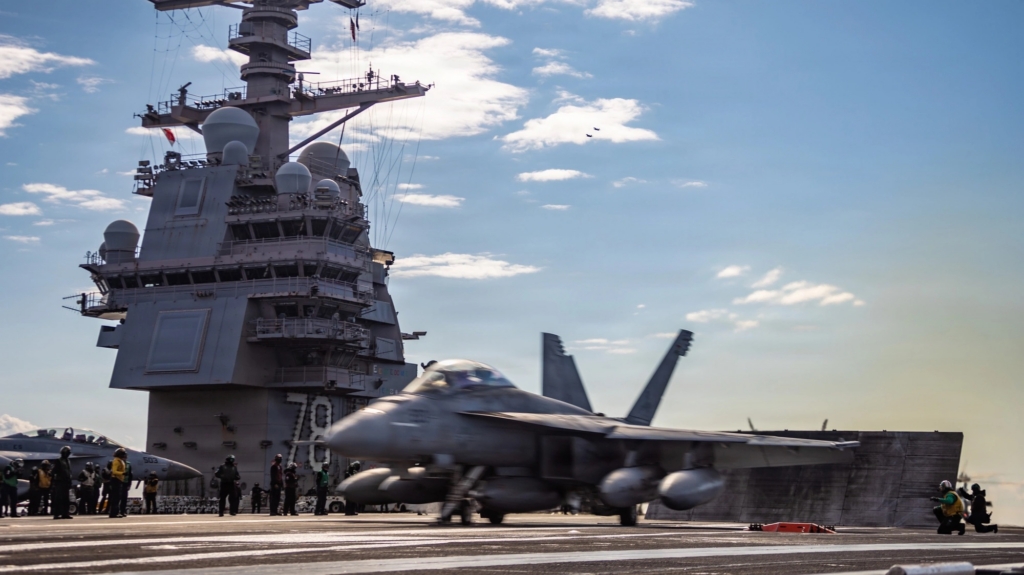
That matters less for the ship itself than for what it carries. With its embarked aircraft and support systems unaffected, Ford leaves Croatia not as a recovering platform, but as an immediately deployable airpower asset.
Carrier Air Wing 8 restores US sea-based airpower capability
Embarked aboard Ford is Carrier Air Wing 8, a composite force that effectively turns the carrier into a self-contained airbase at sea.
The air wing includes:
- F/A-18E/F Super Hornets for strike and air superiority missions
- EA-18G Growlers for electronic attack and suppression of enemy air defences
- E-2D Hawkeyes providing airborne early warning and battle management
- MH-60 helicopters supporting anti-submarine warfare, logistics and search-and-rescue
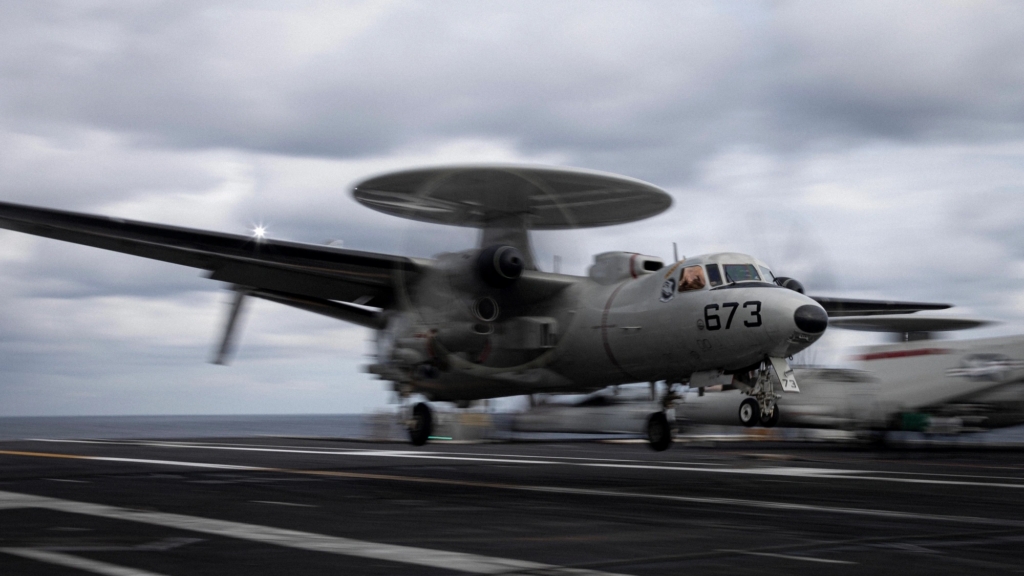
Together, this mix enables sustained combat air operations, from precision strike and defensive counter-air missions to electronic warfare and real-time battlespace coordination.
In the context of the current conflict, that combination is particularly relevant. Electronic attack, airborne command and control and flexible strike capability have all become central to operations in contested and rapidly shifting environments.
Why carrier-based aviation is critical in the Iran conflict
Unlike land-based aircraft, carrier aviation can be repositioned without political constraints around basing or overflight rights, an increasingly important factor in a region where access can shift quickly.
Ford’s return to sea restores a degree of operational flexibility. It provides the US with the ability to generate sorties, maintain a persistent air presence and respond rapidly to developments, without relying on fixed infrastructure.
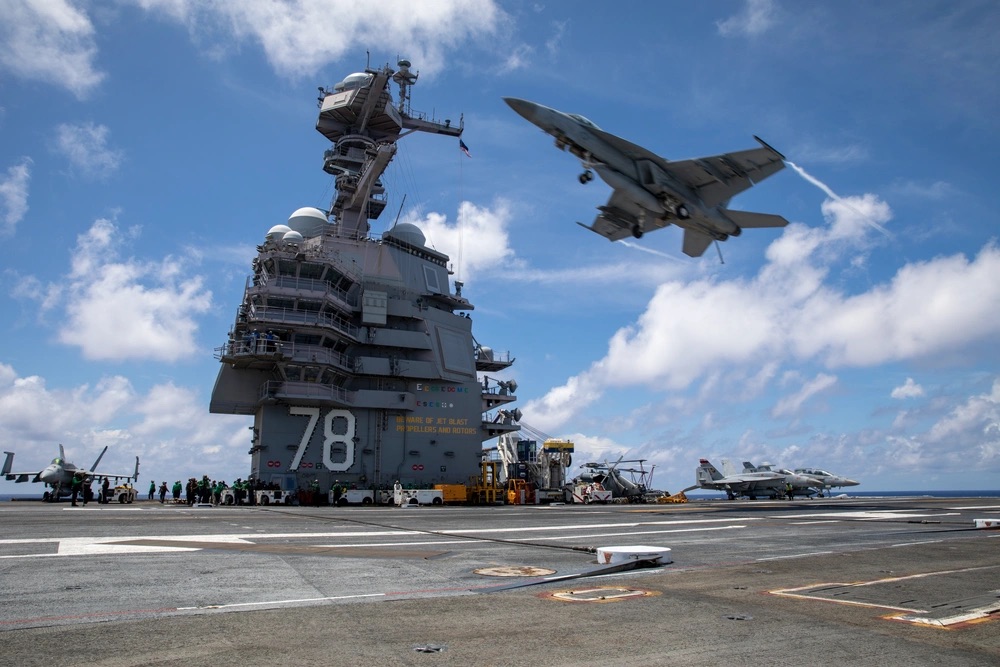
That flexibility is especially significant as missile exchanges, drone activity and maritime tensions continue to shape the operational picture around the Strait of Hormuz and wider region.
USS Gerald R. Ford increases sortie rates with EMALS
As the first of a new class, Ford was designed with aviation output in mind.
Compared with the Nimitz-class, the carrier introduces systems intended to increase sortie generation rates and reduce the manpower required to sustain high-tempo operations. These include the Electromagnetic Aircraft Launch System (EMALS), advanced arresting gear and enhanced power generation.
The result is a platform designed to launch and recover aircraft more efficiently, sustaining a higher operational tempo over extended periods, a capability that becomes particularly valuable in prolonged or multi-domain conflicts.
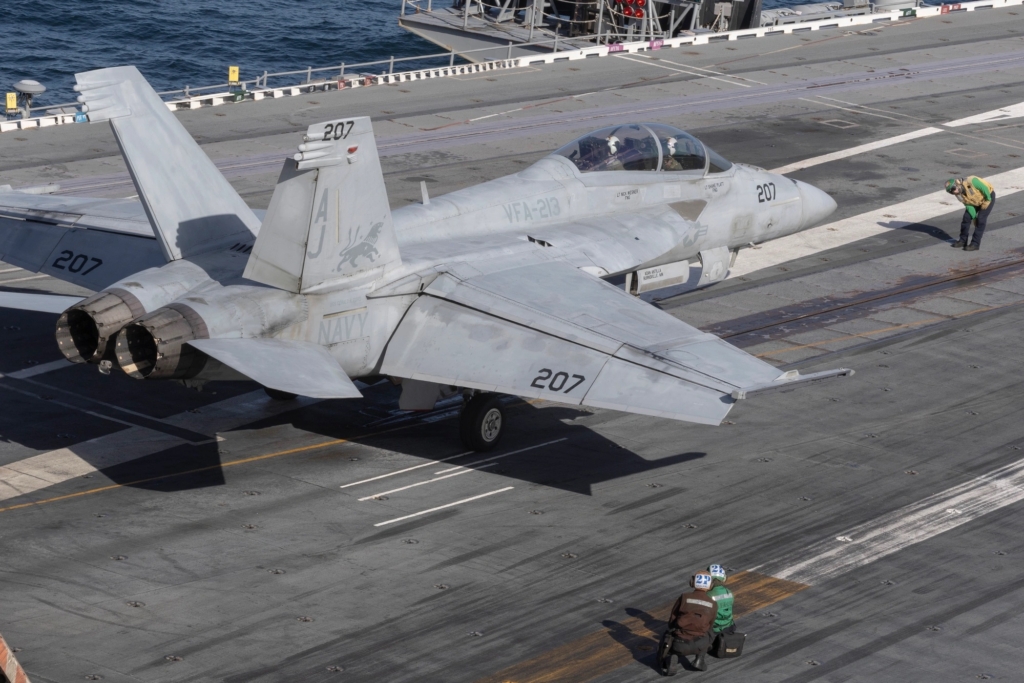
With repairs complete and the carrier back at sea, USS Gerald R. Ford returns not just as a symbol of US naval presence but as a fully operational airpower platform.
In a conflict increasingly defined by contested airspace, electronic warfare and long-range strike, the reintroduction of a complete carrier air wing adds both capacity and flexibility, reinforcing Washington’s ability to project airpower wherever it is needed.
Featured image: DVIDS