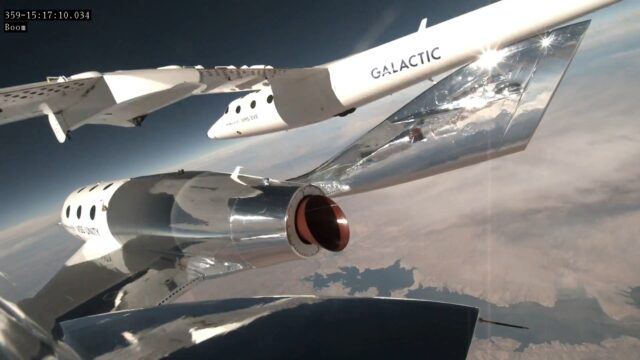
USAF apologises after an F-35A accidentally caused a sonic boom over the East of England

January 15, 2026
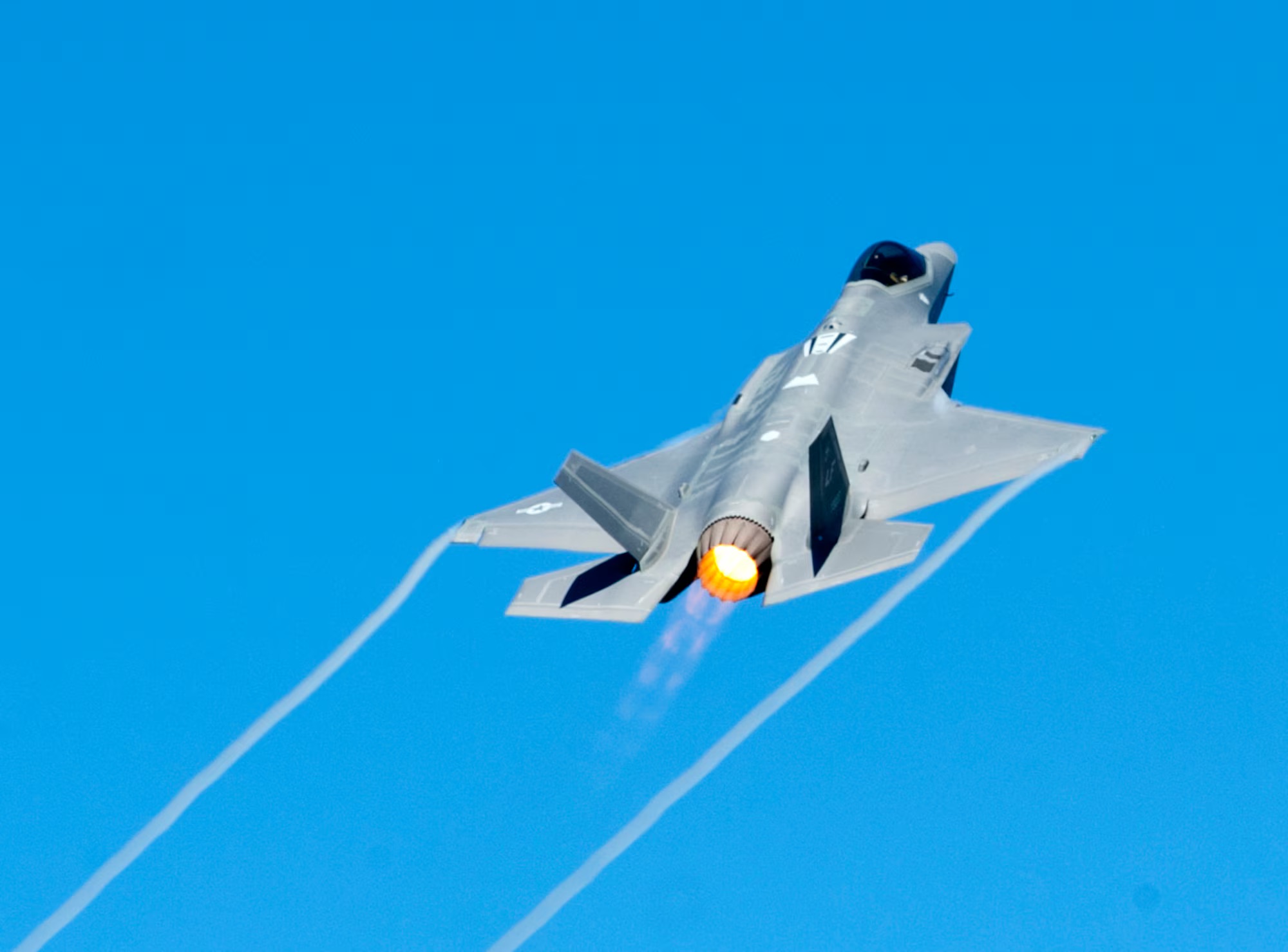
The US Air Force (USAF) has been forced to apologise for a sonic boom that was heard as a loud explosion over Norfolk and Suffolk in Eastern England.
The miscreant aircraft, a Lockheed Martin F-35A, had taken off from RAF Lakenheath in Suffolk and was accelerating out of the area when the sound was heard across the region, causing alarm among local residents.
USAF F-35A causes sonic boom over Eastern England
As reported by the BBC, the incident unfolded on Monday, 12 January, after the F-35A operated by the 48th Fighter Wing of the USAF had departed from RAF Lakenheath on the Cambridgeshire/Suffolk border.
Although owned by the UK Ministry of Defence, the airbase is leased to the USAF for the posting of combat aircraft as a forward position on the periphery of Europe.
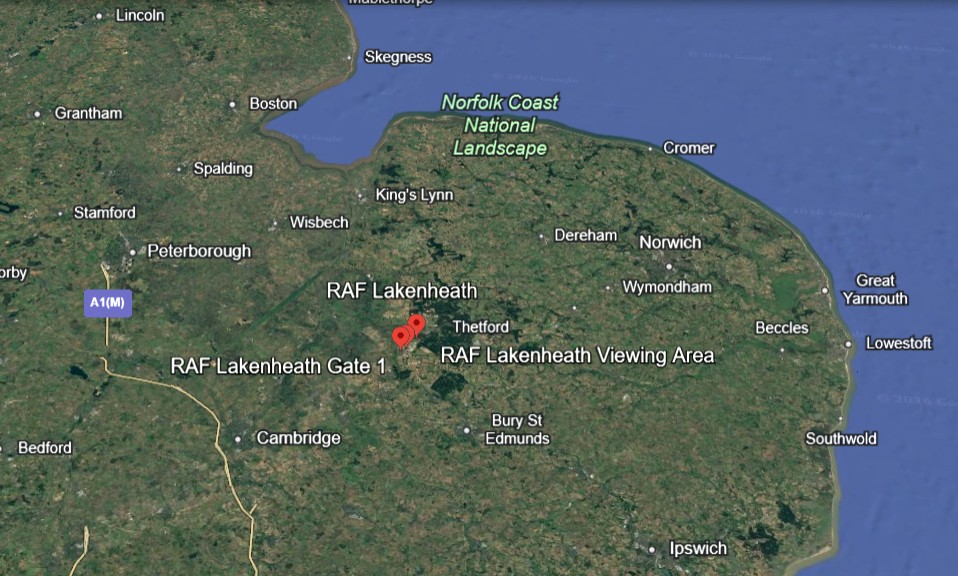
At around 16:30 local time, people located in the region, and particularly around the area’s primary cities of Norwich and Ipswich, reported hearing two loud, audible “bangs” as the aircraft flew overhead. People took to social media to enquire as to the noise, its source, and to complain.
The Ministry of Defence (MoD) told the BBC that there had not been any Royal Air Force Quick Reaction Alerts (QRA) issued in the area, nor had RAF Typhoons been deployed. The RAF’s QRA squadron, based at RAF Coningsby in Lincolnshire, often flies over the area as it responds to unidentified aircraft or those that have lost contact with air traffic control.
However, an MoD spokesperson said, “I can confirm that there was no RAF Quick Reaction Alert today, which would have meant RAF Typhoons taking off from RAF Coningsby.”
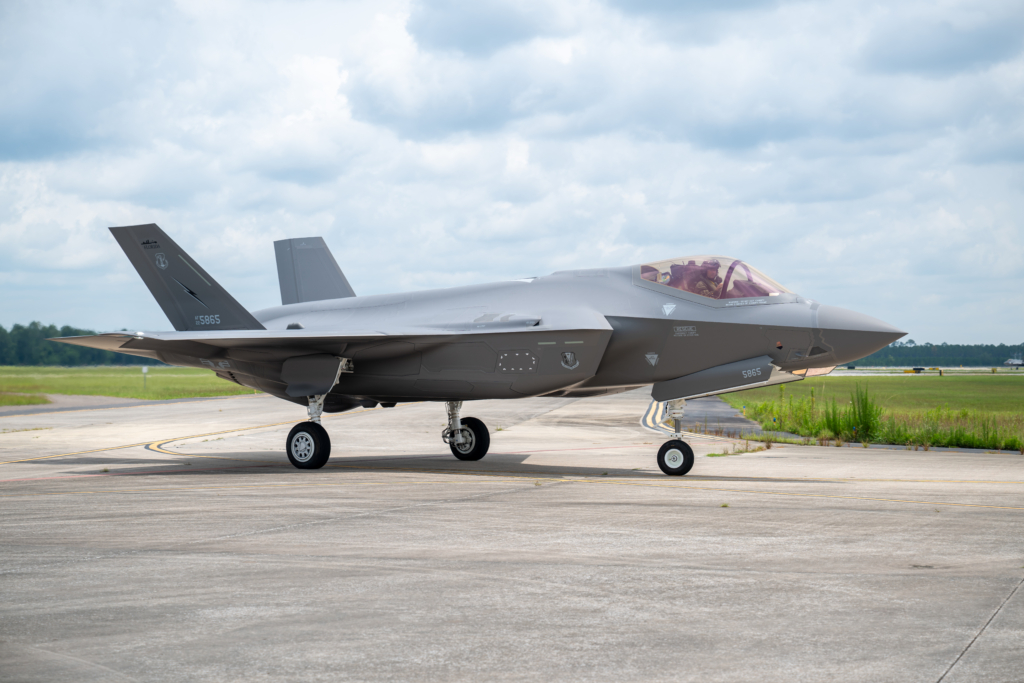
However, the USAF later confirmed that one of its F-35As was the cause, stating that one of its aircraft had been in the area at the time the sounds were heard.
“A corrective manoeuvre during a routine training mission was made by a USAF F-35A pilot, resulting in the pilot briefly reaching supersonic speed inadvertently,” a spokesperson said.
“We apologise for any disturbance this may have caused residents, and we appreciate the community’s patience and support as we conduct essential training to maintain the highest levels of readiness for our collective defence.”
What is a sonic boom?
A sonic boom is caused by an object travelling faster than the speed of sound, creating intense shock waves that rapidly compress and decompress the air, resulting in a loud, thunder-like ‘bang’ that can be heard on the ground as these waves pass.
This happens because the object outpaces its own sound, piling up pressure waves into a continuous ‘wake’ or ‘cone’ of energy that eventually releases as a sharp bang when it reaches an observer.
There are three components to the formation of a sonic boom. The fundamental cause is any object exceeding the speed of sound (around 767 mph or 1,235 km/h at sea level), such as fighter jets or spacecraft.
As the object moves faster than sound, air molecules cannot get out of the way quickly enough, so they compress, forming a cone-shaped shock wave.

The ‘boom’ is the sudden, dramatic change in air pressure as this shock wave passes over an observer, similar to a boat’s wake pushing water aside. Given the speed of sound, a person will hear the boom when the shock wave reaches them, not just when the object breaks the sound barrier.
Often, a double boom is heard. A double boom can occur if separate shock waves from the nose and tail of an aircraft reach the ground at different times.
Different factors can affect the volume of the boom itself. Higher altitudes and larger, heavier aircraft can create wider, less intense booms, but the boom is still heard over a large area. Additionally, aircraft making sharp turns or suddenly accelerating can make booms audibly louder.
Are sonic booms dangerous?
Sonic booms in themselves are not dangerous and do not cause any lasting side effects to either the aircraft, the pilot, or bystanders on the ground. They are purely an aerodynamic phenomenon that lasts a fraction of a second and generally causes no physical harm.
That said, the intense shockwaves which cause a sonic boom can startle, cause psychological stress, and lead to minor property damage like shattered windows. They have also been known to cause vehicle alarms to activate, which in itself can cause a localised nuisance.
While most typical booms are weak, stronger ones can exceed thresholds that damage structures or even potentially affect sensitive animals.

Measured in pounds per square foot (psf), typical sonic booms reach 1psf to 2psf, while property damage usually is caused by sounds at around 2psf to 5psf. Due to adverse effects and the alarm that sonic booms cause, supersonic flight over populated areas is often restricted or requires special authorisation.
In the UK, only flights by the RAF QRA Typhoons or other special military operations are authorised to travel faster than the speed of sound. Even Concorde, when it was in service, was not permitted to exceed the sound barrier until it had passed over the land and was out over the Atlantic Ocean.
Featured image: USAF