What is an elephant walk and why do air forces do them?

December 25, 2025
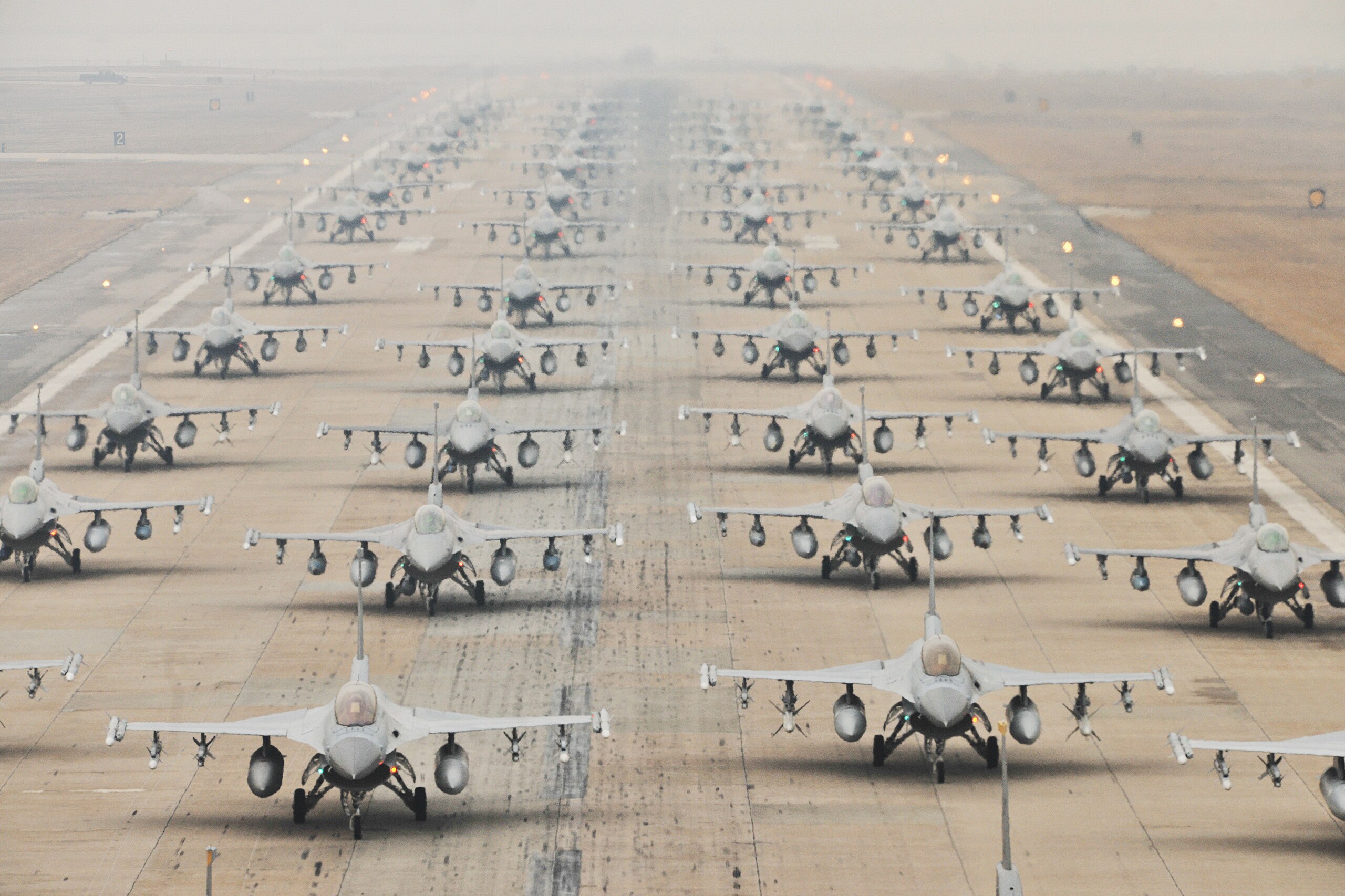
The elephant walk was originally a part of the US Army Air Forces’ efforts to generate large bombing sorties over Europe in WWII, although these days its purpose has more to do with optics and tradition. This means that the USAF tradition of elephant walking is older than the service itself.
The US Army Air Forces origin of elephant walks
“Elephant Walks” are when aircraft taxi together before takeoff, staying in close formation. It takes place just before the minimum interval takeoff.
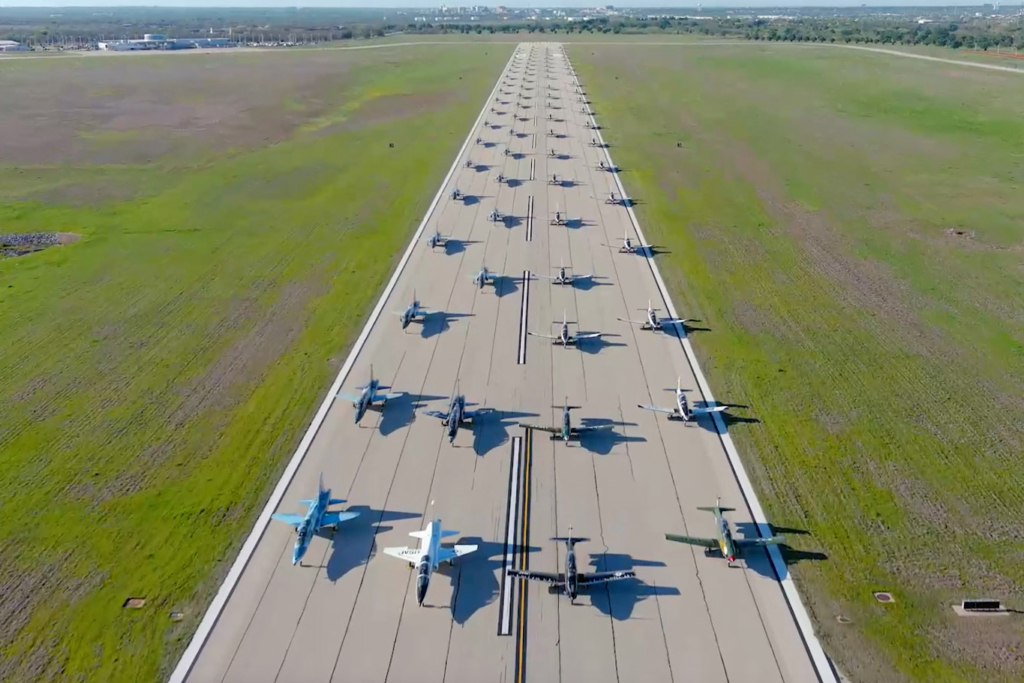
The term and tradition are mostly associated with the US Air Force and originated with the US Army Air Forces during World War II, and then continued into the Cold War. The USAF describes the elephant walk as “a uniquely Air Force term.”
During WWII, the large numbers of heavily-laden bombers sitting nose-to-tail, single-file taxiing resembled the nose-to-tail trail of lumbering elephants as they walk to the watering hole.
The great elephant migration in Gonarezhou National Park Zimbabwe pic.twitter.com/5v5L0bL9h2
— Gary (@Gary161718) August 22, 2024
In WWII, the 305th Bomb Group would often generate as many as 36 bombers for its bombing missions over Europe.
Purpose of elephant walks
The US Air Force says elephant walks for bombers in WWII were “a part of daily operations and focused everyone from maintainers to support personnel on achieving near-miraculous turnaround on battle-scarred aircraft.”
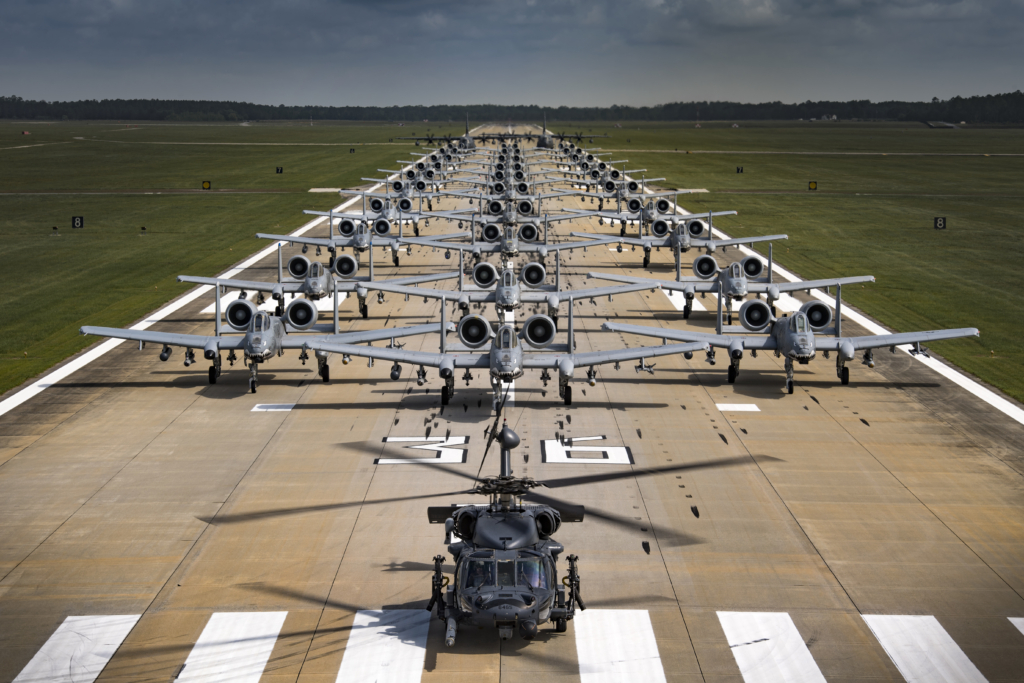
One important aspect of elephant walks is that they look cool. The US military may not parade its military every year as countries like Russia, North Korea, and China do, but the elephant walk is still a way to visually demonstrate US air power. The US likes to do this at Guam’s Andersen Air Force base, a forward airbase closer to China.
An elephant walk of US military aircraft can both reassure allies and domestic audiences, while also sending a warning to adversaries. An elephant walk of 144 A-10 Warthogs was held by the 23/354 Tactical Fighter Wing to celebrate the end of combat operations following Operation Desert Storm.
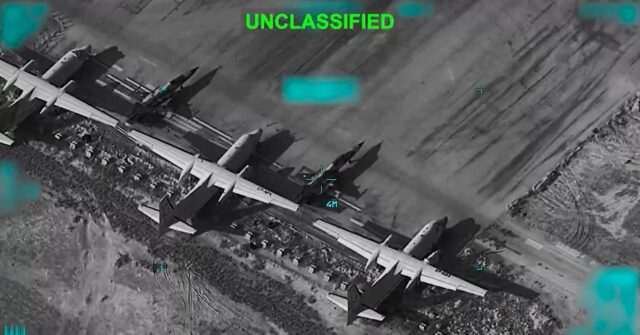
Elephant walk performed by PLAAF’s Y-9 medium tactical transport aircraft.
— SomePLAOSINT (@someplaosint) October 6, 2025
The footage was taken in 2022.
The walk also provides a way to inspect all aspects of a wing’s readiness to meet its wartime mission, while providing training for the pilots. The Air Force also says, “the tradition was often just a way to celebrate the great teamwork and dedication of maintainers.”
Get the latest aerospace defence news here on AGN.
Elephant walks in modern times
Today, the elephant walk has come to mean a “maximum sortie generation in Strategic Air Command.” They are also a notable feature of many military exercises that the US Air Force takes part in. Sometimes they are just taxi exercises without the aircraft actually taking off.
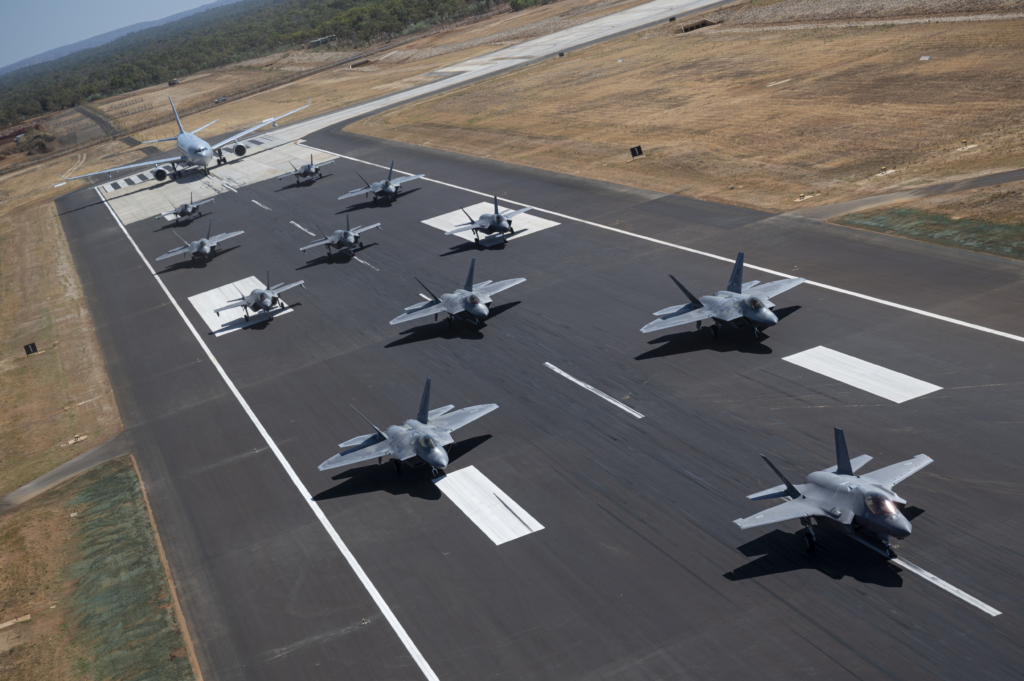
The USAF continues to perform elephant walks out of tradition, displays of power, as a morale booster, and for training. They do have the benefit of helping prep the units for large-scale, rapid sortie generation.
While the tradition may be an American one, plenty of other air forces also do it. Allied air forces, like those of Australia and Japan, often take part in US Air Force-led elephant walks during joint exercises.
But countries don’t need the US Air Force to conduct their own elephant walks. For example, in 2021, India TV reported the Indian Air Force performed an elephant walk with 75 aircraft. In 2019, The Aviationist reported Saudi Arabia performing an elephant walk with 45 aircraft, including a dozen of its new F-15SA fighter jets.
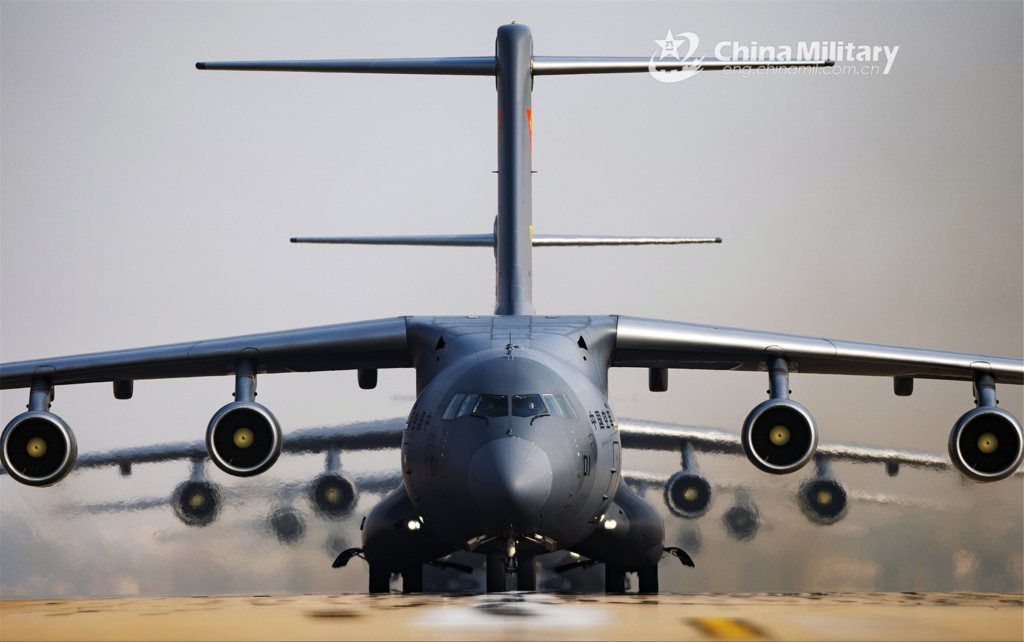
The Chinese PLAAF conducts various elephant walks with its aircraft. Images of the PLAAF elephant walking its Y-9 transport aircraft, J-20s, and J-10Cs circulate online. The Chinese Government has some images on its English-language website of its aircraft doing them in recent years.
Featured Image: United States Air Force