US shutdown nears its end – but air travel faces a long road to recovery

November 11, 2025

The United States’ record-breaking federal government shutdown appears to be heading toward a resolution this week, yet for the aviation sector, the disruption will likely be long-lasting.
Even if a funding deal passes in the coming days, industry voices are warning that flight schedules, staffing, and operations will take weeks – not days – to return to normal.
US government shutdown leaves behind a fragile aviation system
With tens of thousands of federal employees working unpaid since the start of October, America’s air traffic system has been severely impacted.
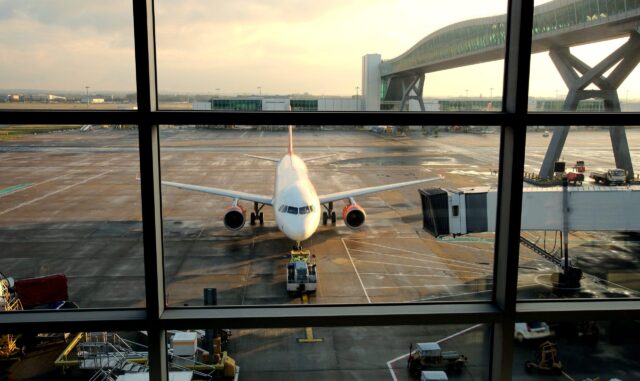
The Federal Aviation Administration (FAA) has been forced to curtail services at major hubs, issuing directives to reduce flight volumes at several of the busiest airports in the country.
A 10% cap on air traffic movements has been in effect across key metropolitan regions, from New York to Los Angeles, in a bid to keep operations safe with depleted controller staffing.

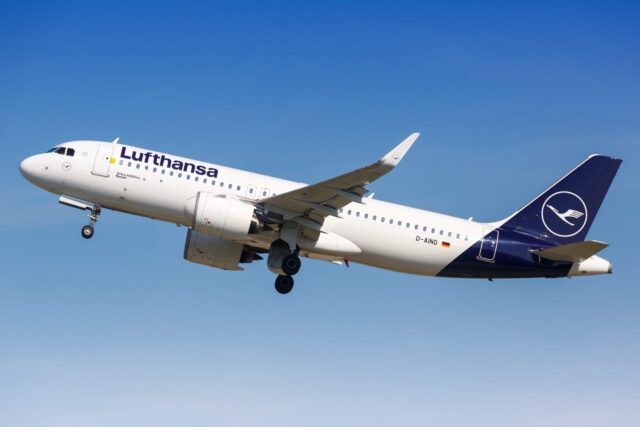
Airlines have cancelled or consolidated hundreds of flights, and as of early November, nearly every major US carrier was operating a reduced schedule.
General aviation and business jet operators have now found themselves caught up in the restrictions, too.
A new directive issued over the weekend barred non-scheduled and private flights from operating at a dozen major airports, including JFK, LAX, Atlanta, Denver, and Dallas–Fort Worth.
The move was designed to prioritise commercial passenger flights and ease congestion caused by limited staffing in control towers and ground services.
Trump’s controversial response to air traffic controller absence
President Donald Trump weighed in on the situation on Monday, with remarks that drew widespread criticism across the aviation community.
Posting on his Truth Social platform, Trump demanded that air traffic controllers “get back to work, NOW!!!” and warned that those who refused could have their pay “docked.”
He went on to promise $10,000 “patriot” bonuses for controllers who had continued working without pay.
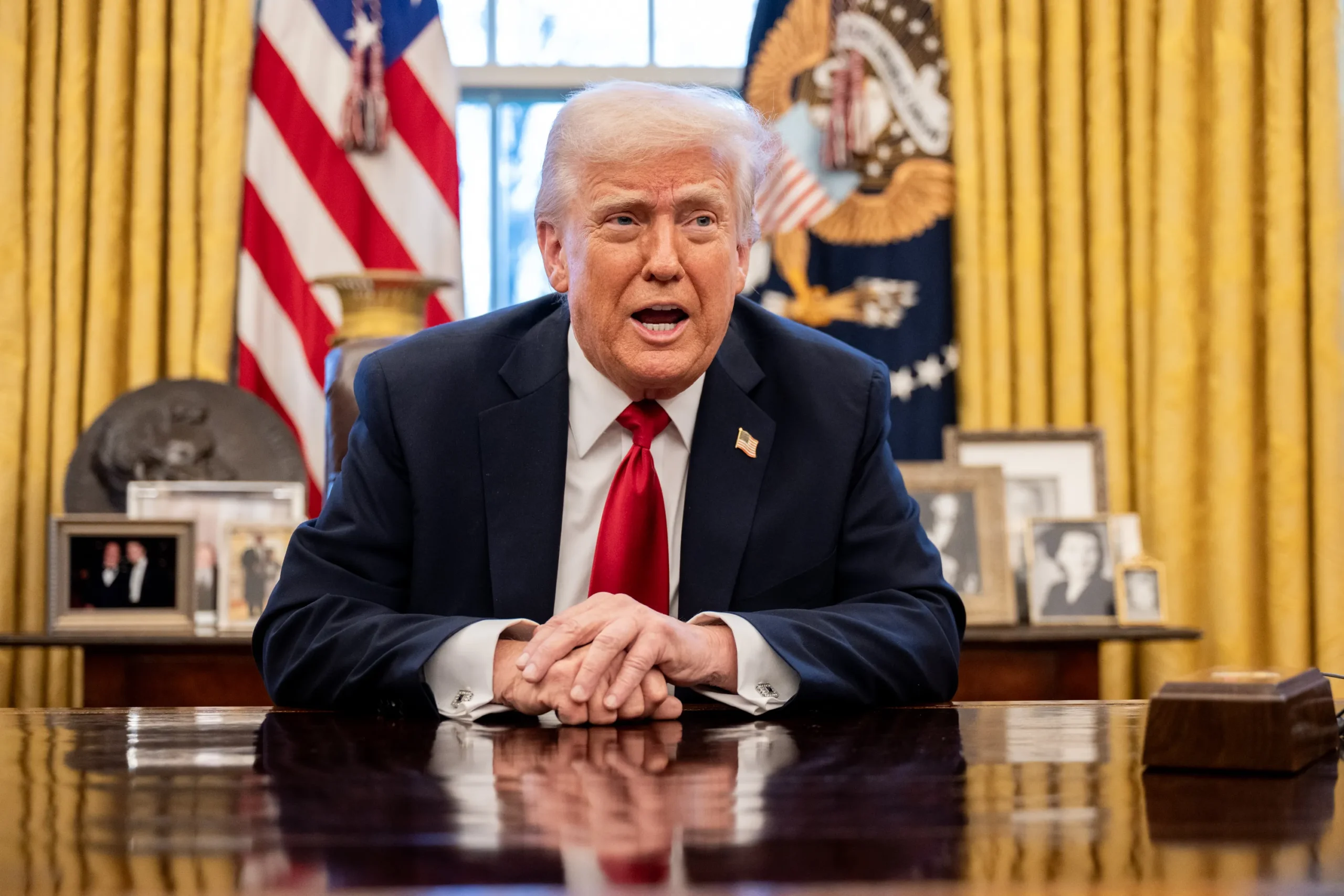
He also described the shutdown as a “Democrat hoax” and claimed that any controller unwilling to work should “resign and make room for true patriots.”
Many have been keeping the system running under intense strain, with long shifts and no pay, while simultaneously managing one of the world’s most complex airspaces.
The National Air Traffic Controllers Association said morale was already at rock bottom, and that such rhetoric risked pushing experienced staff out of the system altogether.
Will flight cancelations stop by Thanksgiving?
Even if Congress manages to pass a temporary funding bill this week, ending the shutdown, the outlook for US aviation is far from immediate recovery. Thanksgiving, which falls on 27 November this year, is traditionally the busiest travel period in the US.
Restoring normal service by then will be a tall order.
Controllers and safety staff must be paid, rescheduled, and re-rostered. Air traffic management systems will need to be recalibrated after weeks of reduced operations. Airlines must rebuild timetables and reposition aircraft and crews.
There is also the human factor. Many controllers and federal security workers have had several weeks without pay; some have taken second jobs, others have retired early. Even once back pay is authorised, fatigue and low morale are likely to linger.
Nick Daniels, president of the National Air Traffic Controllers Association (NATCA), said on Monday: “This shutdown isn’t a light switch, it’s not just on and it’s not just off.”
He added: “Air traffic controllers have to go in and be perfect every single day, and they know, based on what is in the current bill, that January 30 will loom around the corner.” That is when the proposed funding package is due to expire.

The expectation is of a phased recovery rather than an instant rebound. The likely scenario is that flight capacity will be restored in stages, with airlines focusing first on trunk routes and essential domestic services.
Non-hub and regional airports may face extended disruptions. Private and business aviation, currently restricted from operating at the busiest airports, may be among the last sectors to see normal access restored.
Restarting flights post-shutdown is a huge task
To stabilise operations, several things must happen quickly once the shutdown officially ends. The FAA will need to lift its traffic-reduction orders and clear the backlog of certification and inspection tasks delayed since October.
Air-traffic facilities will have to return to full staffing, which depends on confirming back pay and incentives for those who stayed on duty.
Airlines will then need to reinstate thousands of cancelled flights, rebuild crew schedules, and ensure that maintenance cycles are caught up.
Airport operators, meanwhile, must recalibrate everything from security staffing to baggage handling and fuelling operations.
Lessons for aviation from the government shutdown
The shutdown has exposed how thinly stretched the US aviation system has become. Even a few weeks of political gridlock were enough to trigger significant disruptions.
However, the system has been strained for months, if not years. Before the shutdown even began, the FAA was short of around 3,500 air traffic controllers versus target staff levels.
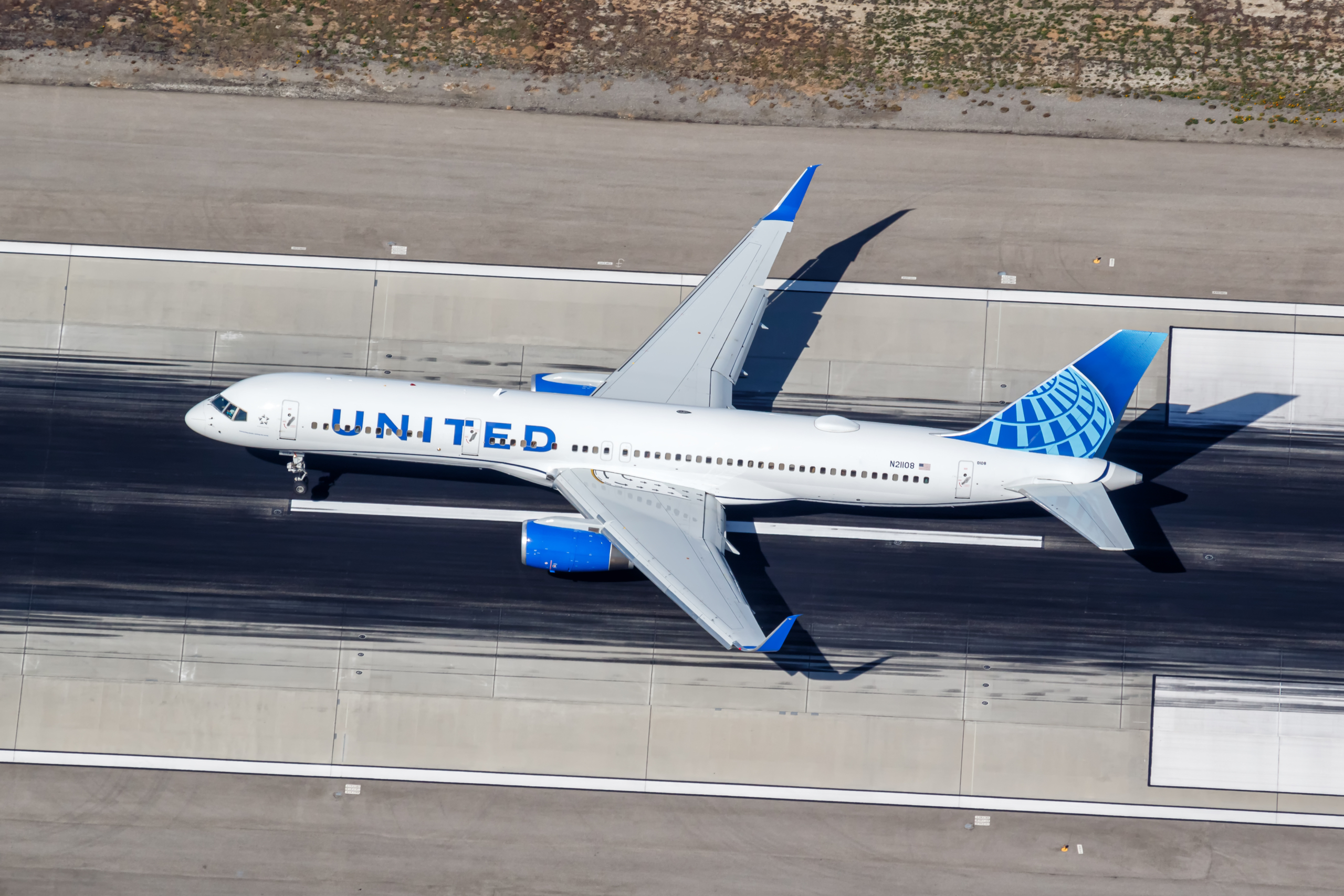
Airlines for America (A4A) has welcomed moves by the Senate to approve the bipartisan deal and for “doing their part to reopen the government”, before the bill heads to the House for a vote.
But the trade body warned: “Airlines’ reduced flight schedules cannot immediately bounce back to full capacity right after the government reopens. It will take time, and there will be residual effects for days.
“With the Thanksgiving travel period beginning next week and the busy shipping season around the corner, the time to act is now to help mitigate any further impacts to Americans.”