Phoenix II: US Navy’s E-130J TACMO nuclear command aircraft is named

August 8, 2025
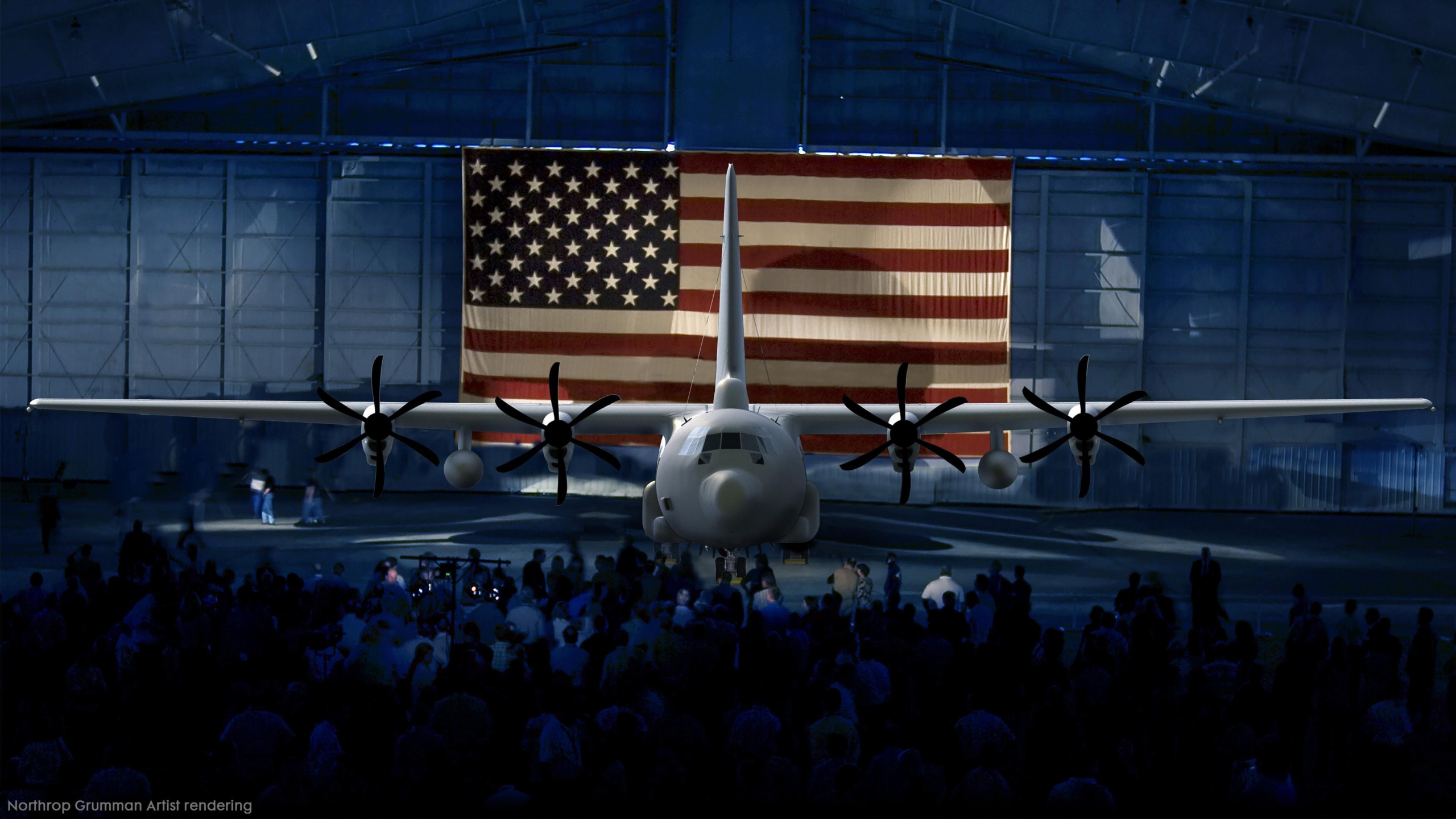
The Navy has officially designated its upcoming E-6B Mercury replacement, the E-130J, with the popular name ‘Phoenix II’. These unassuming aircraft play an important role in ensuring the US’s nuclear deterrent remains functional even during a nuclear war.
Official name for TACAMO aircraft announced
NAVAIR News reported on August 7th that the US Navy’s Airborne Strategic Command, Control and Communications Program Office (PMA-271) and Strategic Communications Wing 1 (SCW-1) have officially announced the name for the next generation of Take Charge and Move Out (TACAMO) mission aircraft.
The new aircraft will be called the E-130J Phoenix II, referencing the mythical bird capable of rebirth. These aircraft will replace the Navy’s existing fleet of E-6B Mercury fleet for the TACAMO mission, which is based on the ageing Boeing 707 airliner.
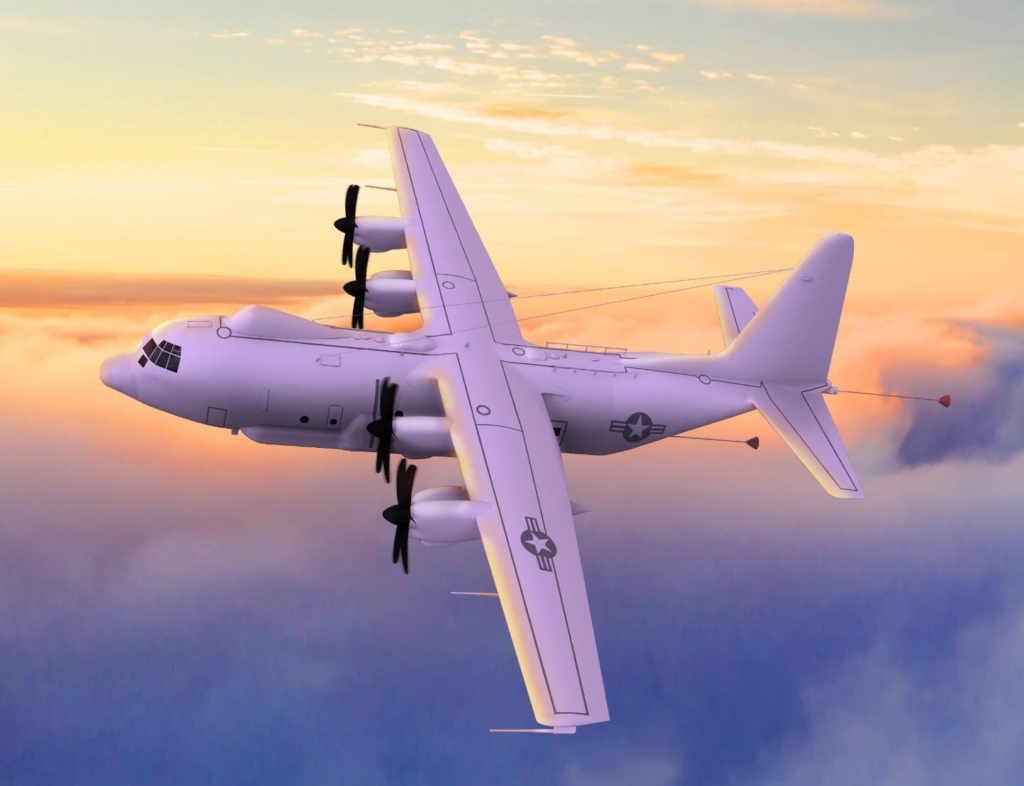
The name appears to also be a reference to the United States Air Force’s WC-135 Constant Phoenix, a specialised ‘sniffer’ aircraft built to detect nuclear explosions around the world.
The incoming Phoenix II aircraft are based on the Lockheed Martin C-130J Super Hercules tactical airlifter. The C-130 family of turboprop has been one of the most successful and versatile in US military history. It is widely regarded as the longest continuously produced aircraft in the world. The Super Hercules will also serve as NOAA’s next generation of ‘Hurricane Hunters.’
The E-130J Phoenix II is expected to enter service in FY 2028 as the E-6B Mercury is phased out. It is unclear how many aircraft the Navy plans to buy, although it currently has 16 E-6Bs in service.
The TACAMO’s important nuclear role
TACAMO aircraft are a key link in the US nuclear chain. They can remotely control Minuteman ICBMs using the Airborne Launch Control System, and offer a vital connection between the highest levels of command in Washington and naval ballistic missile forces.
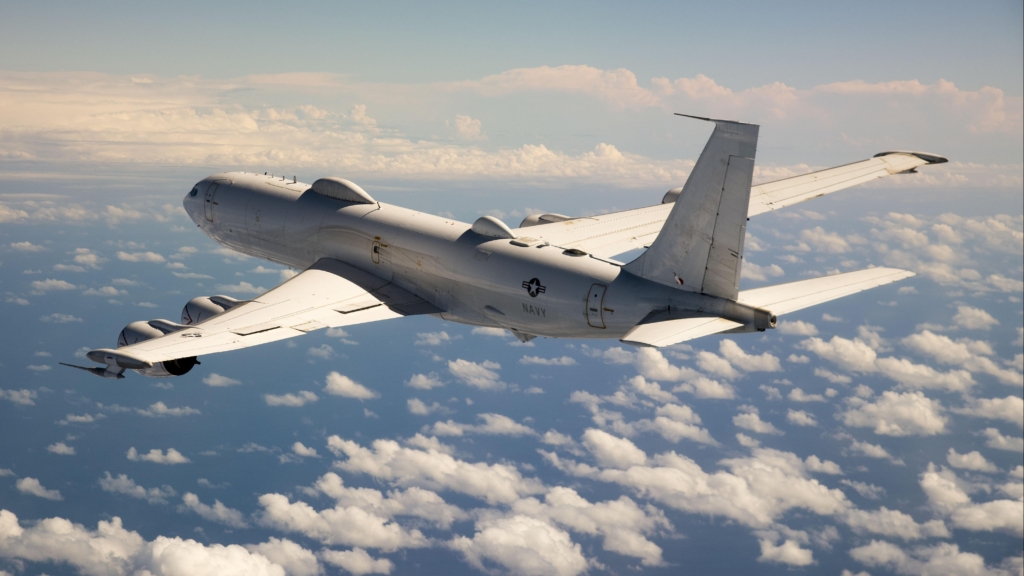
NAVAIR explains that the “E-6B Mercury, is a communications relay and strategic airborne command post aircraft. It provides survivable, reliable, and endurable airborne Nuclear Command, Control, and Communications (NC3) for the president, secretary of defence and U.S. Strategic Command.”
The new E-130J Phoenix II aircraft will recapitalise the Navy’s fleet and will provide “survivable, reliable and endurable airborne command, control and communications” to ensure the White House and Pentagon remain in communication with their navy-based nuclear missiles in the event of a crisis.
US military nuclear-related aircraft
The US Navy and Air Force operate a variety of aircraft with roles related to maintaining America’s nuclear deterrent. Some of these capabilities are unique, with no similar aircraft in other air forces.
The US is one of three nations that maintain a fleet of nuclear-capable strategic bombers. These are made up of the old B-52 Superfortress, the variable-sweep wing B-1 Lancer, the stealthy B-2 Spirit, and the incoming next-generation B-21 Raider stealth bomber.

The WC-135 Constant Phoenix “Sniffer” is a special aircraft derived from the Boeing C-135 Stratolifter used to collect samples from the atmosphere to detect and identify nuclear explosions. A predecessor “sniffer” aircraft, the WB-29, was the first to alert the United States to the fact that the Soviet Union had tested its first nuclear test and became a nuclear power in 1949.
Another aircraft operated by the Air Force is the Boeing E-4 Advanced Airborne Command Post (AACP) “Nightwatch” aircraft, dubbed the “Doomsday plane”. These are highly secretive modified Boeing 747-200Bs built to be the National Emergency Airborne Command Post for the highest figures in the chain of command in the event of a nuclear war or other doomsday scenario.