US Air Force funds Beehive’s 3D-printed engines for next-generation drone warfare

April 10, 2026
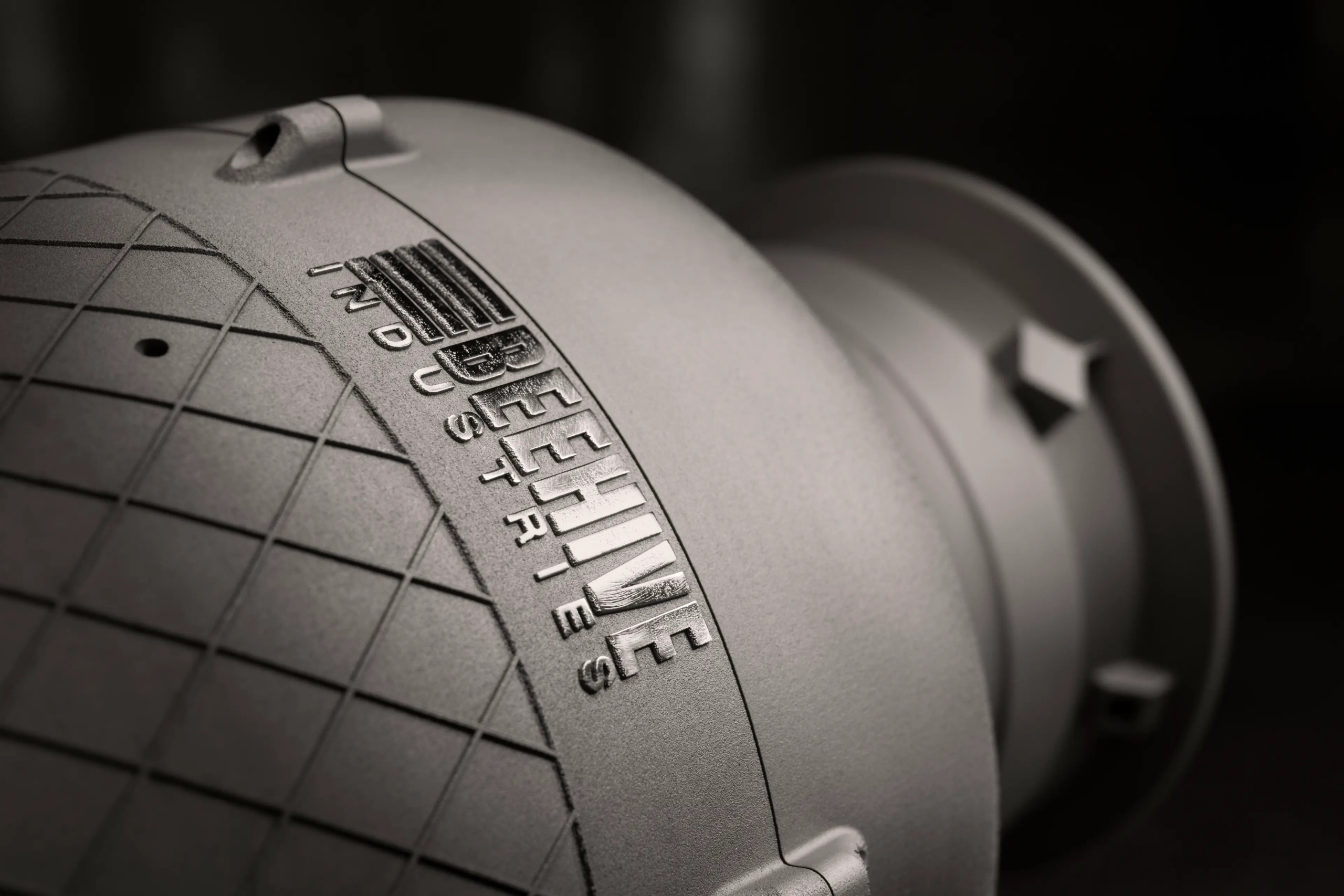
The United States Air Force has awarded Beehive Industries a $29.7 million contract to push its 3D-printed Frenzy engine family towards operational use, marking a significant step in the Pentagon’s shift towards large-scale, low-cost drone warfare.
The funding will support final qualification, flight testing and integration of the 200 lb-thrust Frenzy 8 engine, while also advancing development of the smaller Frenzy 6 variant.
Together, the engines are designed to power a new class of mass-produced, expendable drones and stand-off systems that are expected to define future combat operations.
Pentagon’s ‘affordable mass’ strategy drives demand for low-cost drone engines
Behind the contract lies a broader change in how the US military is preparing for future conflicts.
The Pentagon is moving away from relying solely on expensive, highly capable platforms and instead investing in what it calls ‘affordable mass’, or in simple terms, large numbers of relatively low-cost systems that can overwhelm adversaries through scale.
Gordie Follin, Chief Product Officer at Beehive Industries, said, “This collaboration ensures our warfighters will have the high-volume, mission-ready capabilities they need to maintain a competitive edge in any theatre.”
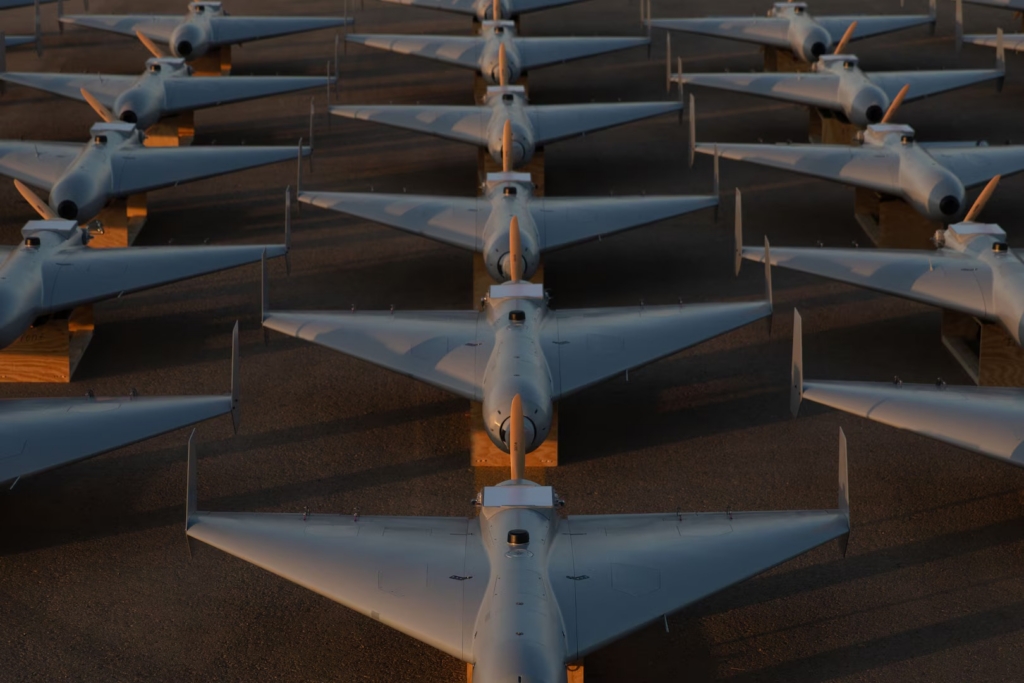
Beehive’s Frenzy engines sit at the heart of this concept. They are being developed under the Family of Affordable Mass Munitions (FAMM) initiative, a Pentagon-wide effort to build what officials describe as a virtually unlimited supply of high-performance, expendable systems.
At the centre of that effort is propulsion. Without engines that are cheap, reliable and quick to produce, the idea of fielding thousands of drones simply does not work.
Beehive’s Frenzy engine family is designed for scale and repeatability in drone warfare
Unlike conventional jet engines designed for longevity and peak performance, the Frenzy family has been built with a different purpose in mind.
The engines, ranging from around 100 to 300 pounds of thrust, are tailored for uncrewed systems that may be expendable or operate in high-risk environments.
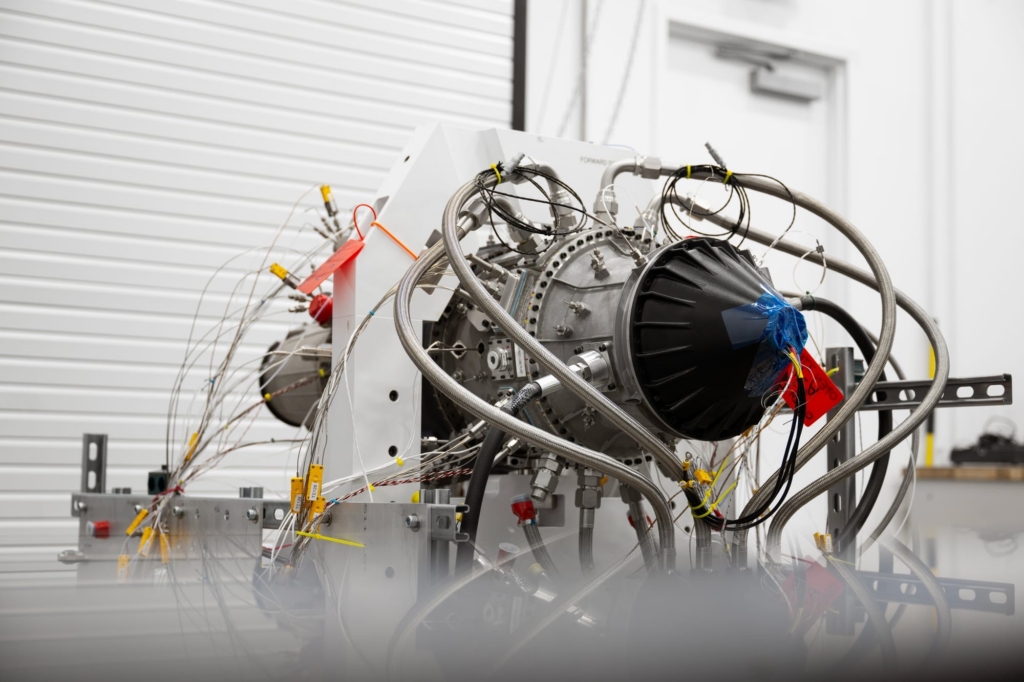
That changes the design philosophy. Instead of focusing purely on durability over thousands of hours, the emphasis shifts to cost, manufacturability and consistent performance across large production runs.
The Frenzy 8, the lead variant, has already reached a stage where it is ready for vehicle integration and flight testing, an unusually rapid progression in aerospace terms.
Frenzy engine goes from concept to high-altitude testing in under a year
One of the most notable aspects of the programme is the pace at which it has moved.
According to Beehive, the engine went from concept to proven high-altitude performance in less than a year, far faster than traditional aerospace development cycles that often stretch across several years.
Ground testing was completed on multiple engines within months, followed by altitude trials that examined ignition, fuel burn, thermal behaviour and stability under real-world conditions.
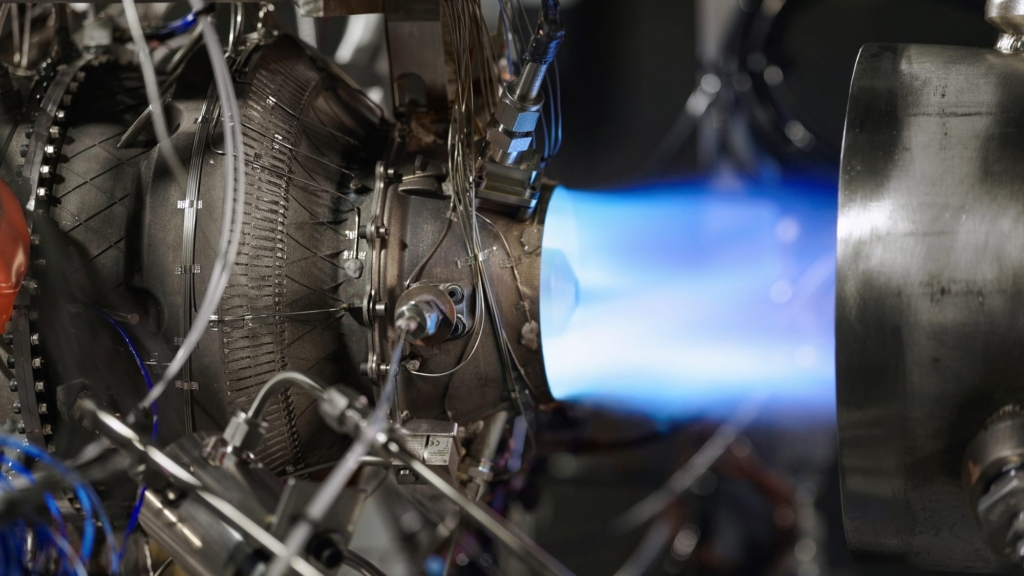
All key parameters met or exceeded Air Force requirements, with engines demonstrating reliable ignition, smooth acceleration and stable operation across the flight envelope.
Equally important, the hardware showed minimal wear even after extended testing, pointing to a level of durability that supports operational use despite the focus on low-cost production.
Amid ongoing ground testing, Beehive launched a “Pathfinder” program to validate production scalability, and the results proved out Beehive’s path for mass engine production starting this year.
3D-printing allows Beehive to collapse traditional engine supply chains
At the core of Beehive’s approach is additive manufacturing, commonly known as 3D printing, which is reshaping how propulsion systems are designed and built.
Instead of relying on complex supply chains involving multiple suppliers and long lead times, Beehive produces engine components using an ‘additive-first’ process. Parts are printed, tested, refined and reprinted in rapid cycles.
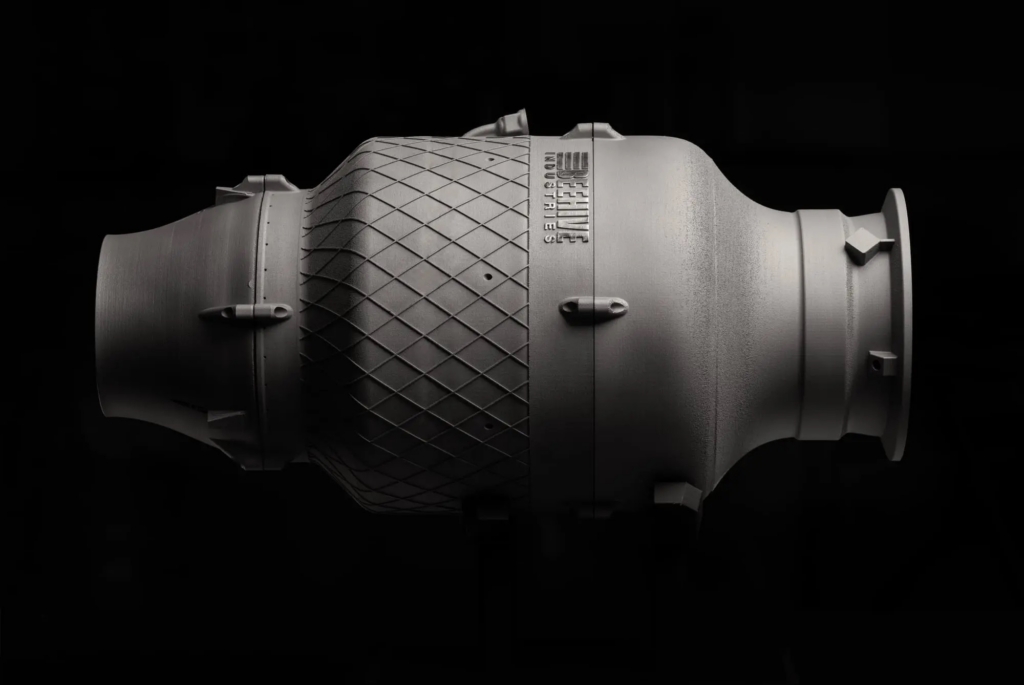
This approach has allowed the company to reduce production costs by around 60% while significantly speeding up manufacturing timelines.
More importantly, it enables rapid iteration. Designs can be adjusted quickly based on test results, a critical advantage when developing systems intended for evolving operational needs.
For the Air Force, this means engines can be produced not just quickly, but at the scale required for swarm operations.
Beehive moves from prototype to high-volume production of drone engines
The latest contract signals that Beehive is moving beyond experimentation into production.
The company has already demonstrated its ability to transition from prototype engines to production-ready units, supported by internal programmes aimed at validating manufacturing scalability.
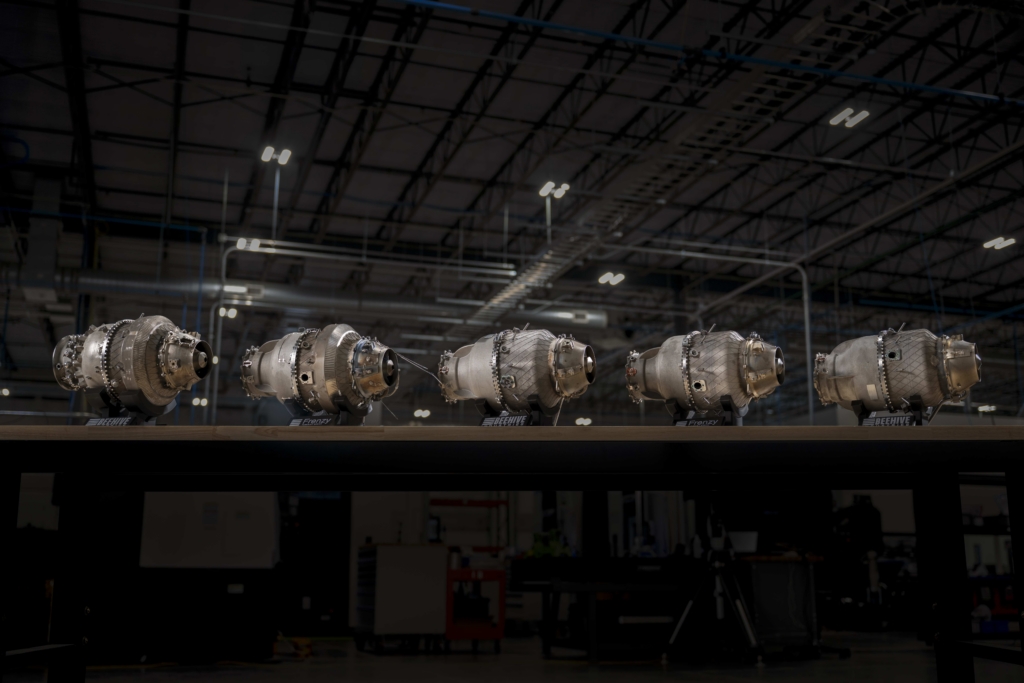
Facilities across multiple US locations are being prepared for low-rate initial production, with plans to scale up output as demand grows.
This shift is significant. Defence programmes often stall at the prototype stage, but the Frenzy effort appears to be moving towards actual deployment, supported by both technical validation and production readiness.
Why small jet engines are critical to future uncrewed and drone warfare
While the engines themselves are relatively small, their impact on future warfare could be considerable.
Swarm-class drones and stand-off munitions rely on compact, efficient propulsion systems that can be produced in large numbers without compromising reliability.
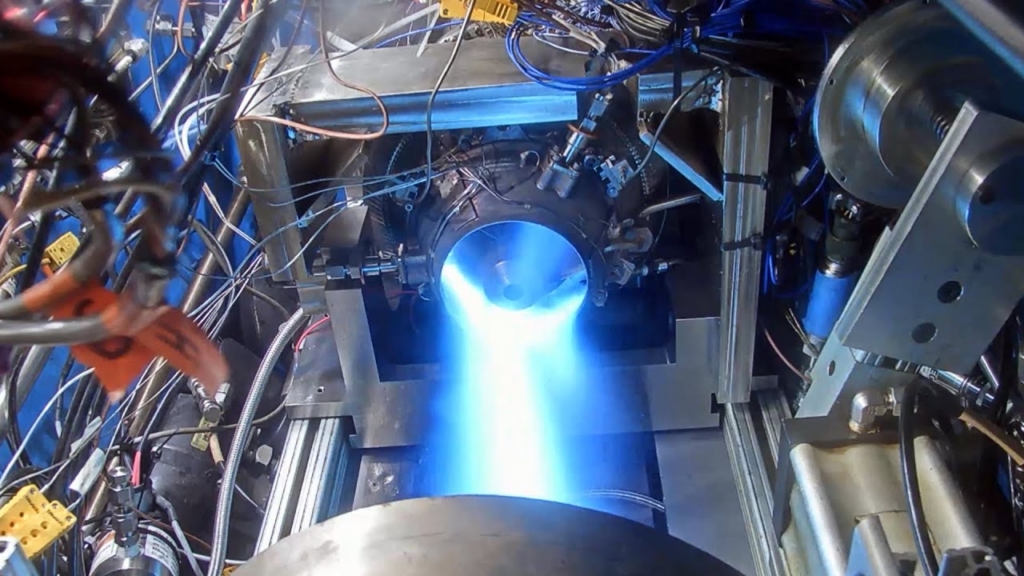
The Frenzy family is designed to meet that requirement, offering a balance between performance and affordability that aligns with emerging operational concepts.
As more programmes across the US defence ecosystem move towards modular, rapidly produced systems, propulsion is becoming a key bottleneck-and an area of intense innovation.
Beehive plans flight trials of Frenzy in 2026
Frenzy is not Beehive’s first attempt at redefining propulsion.
The company’s earlier Rampart engine programme demonstrated that fully 3D-printed turbine engines could be developed for higher thrust applications, including collaborative combat aircraft.
Together, Rampart and Frenzy represent a broader strategy: to cover a wide spectrum of propulsion needs, from small expendable drones to larger uncrewed platforms.
This layered approach mirrors the Pentagon’s evolving requirements, where different classes of uncrewed systems will operate alongside traditional aircraft.
With ground and altitude testing completed, the Frenzy engine is now moving towards flight trials expected later in 2026.
These tests will mark a crucial step in validating the engine in real operational conditions, including integration with air vehicles and performance during actual missions.
The outcome will determine how quickly the engine can transition from development into widespread use.
Featured image: Beehive Industries