US Air Force turns to 3D printing to keep legacy aircraft flying longer

February 10, 2026

The US is using 3D printing (aka additive manufacturing) to produce parts for legacy aircraft for which it can’t easily source replacements. The effort enables the Air Force to operate older aircraft for longer and at a lower cost.
How the US Air Force uses 3D printing for hard-to-find aircraft parts
The US Air Force Materiel Command has a small team at Georgia’s Warner Robins Air Logistics Complex at Robins Air Force Base, which is using 3D-printing to improve operational readiness and aircraft availability.
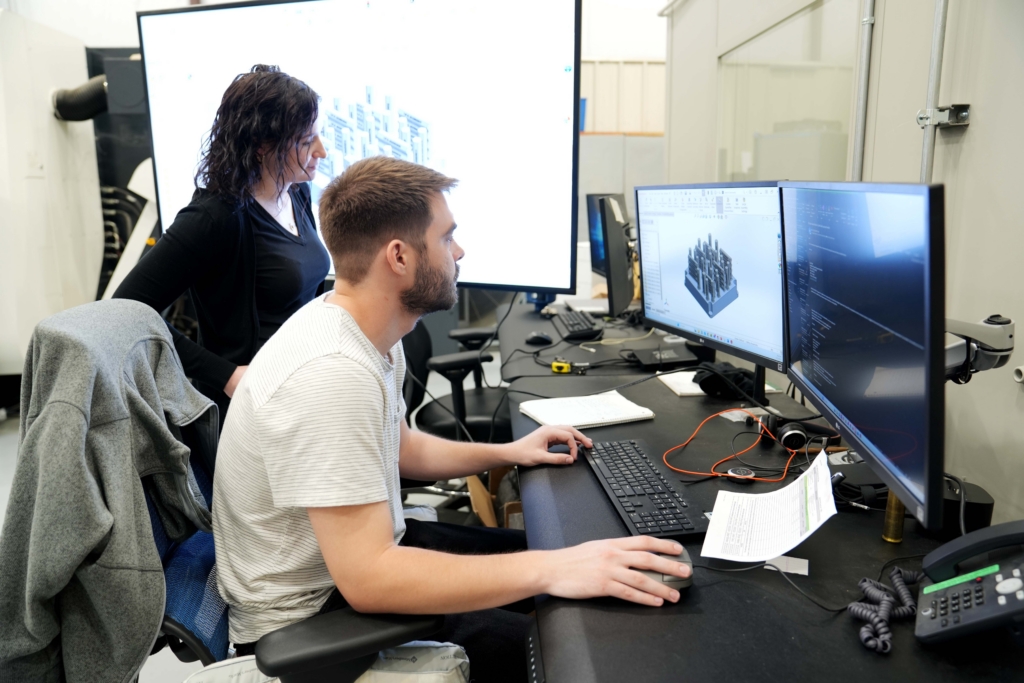
The Air Force said, “The 402nd Commodities Maintenance Group, CMXG, Reverse Engineering, Additive, Design and Inspection, READI, Lab utilises additive manufacturing, reverse engineering, and specialised engineering services to generate parts for aircraft.”
The Air Force’s 3D printing mission started around 10 years ago using polymer machines. In the last two or so years, they have been using metal additive machines, which allow the lab to increase its mission scope and efficiency.
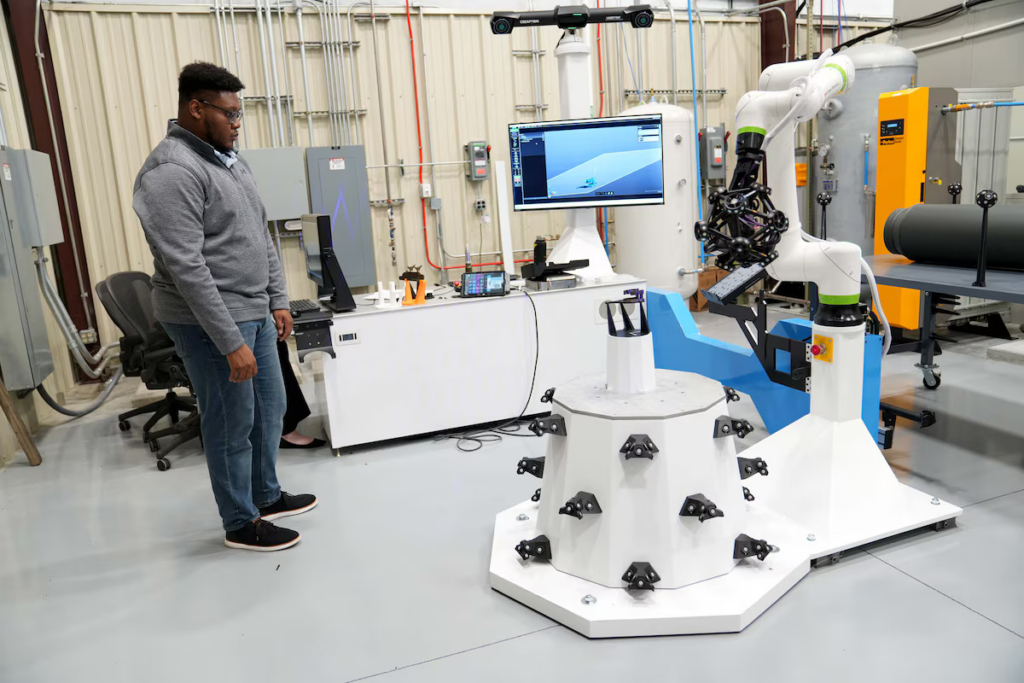
Hunter Henry, a 402nd CMXG additive manufacturing engineer, said, “We’ve seen significant savings with 3D printing. 3D printing lets us quickly create everything from prototypes to tools, saving both time and money by avoiding complex machining processes.”
Get the latest aerospace defence news here on AGN.
3D printing tackles supply chain gaps in USAF legacy fleets
The Air Force elaborated that 3D printing is helping to address supply chain challenges and sustainment for the Air Force’s legacy aircraft.
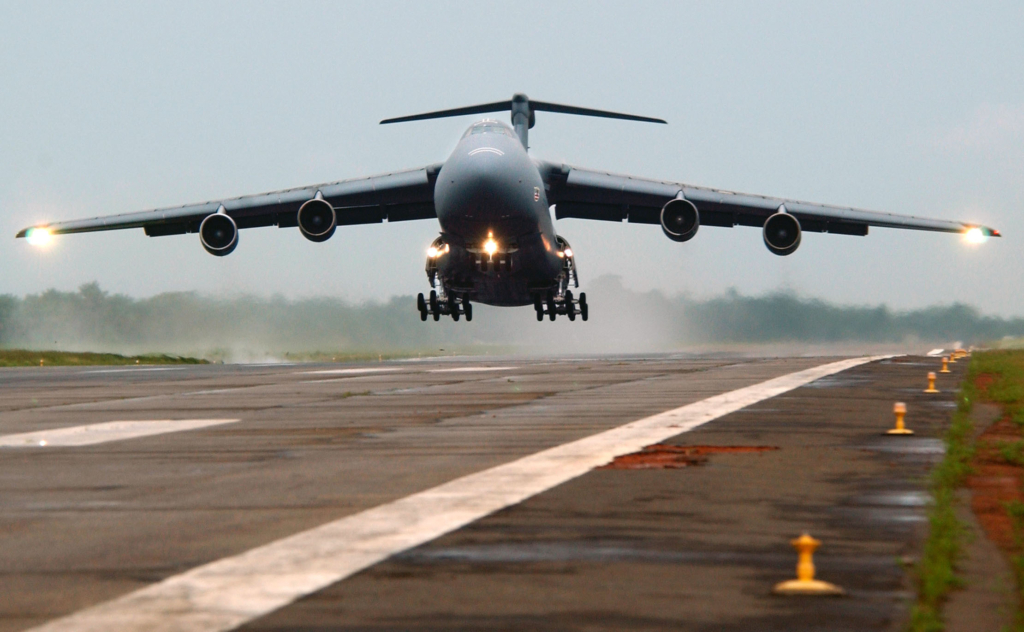
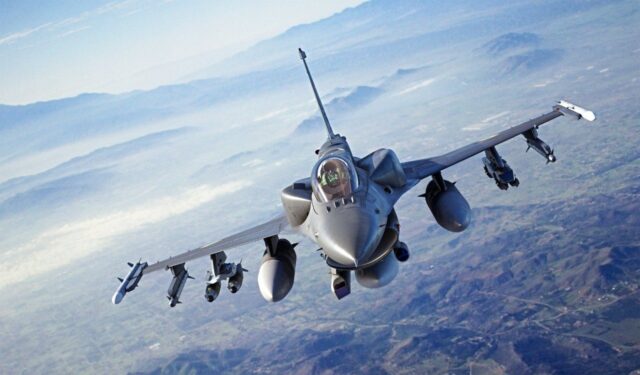
Named aircraft include the C-130 Hercules, C-5M Super Galaxy, C-17 Globemaster III, B-1B Lancer, B-52 Superfortress, KC-135 Stratotanker, and F-15 Eagle.
Separately, the Royal Air Force has also recently fitted the first 3D printed component to a Eurofighter Typhoon.
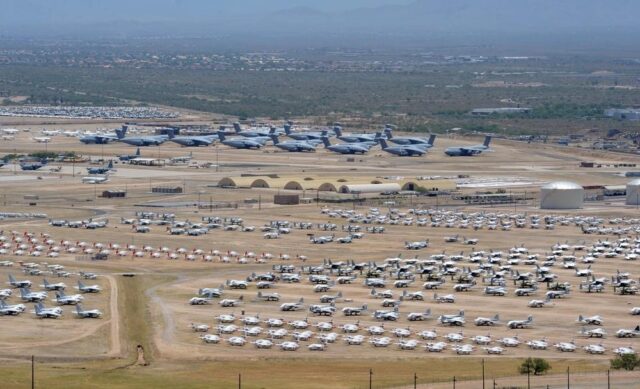
Aircraft components are produced by a dizzying array of subcontractors. Once the aircraft goes out of production, subcontractors can move on or disappear. This can make it difficult to source new parts and is one of the reasons why legacy aircraft tend to be cannibalised to sustain an ever-shrinking fleet.
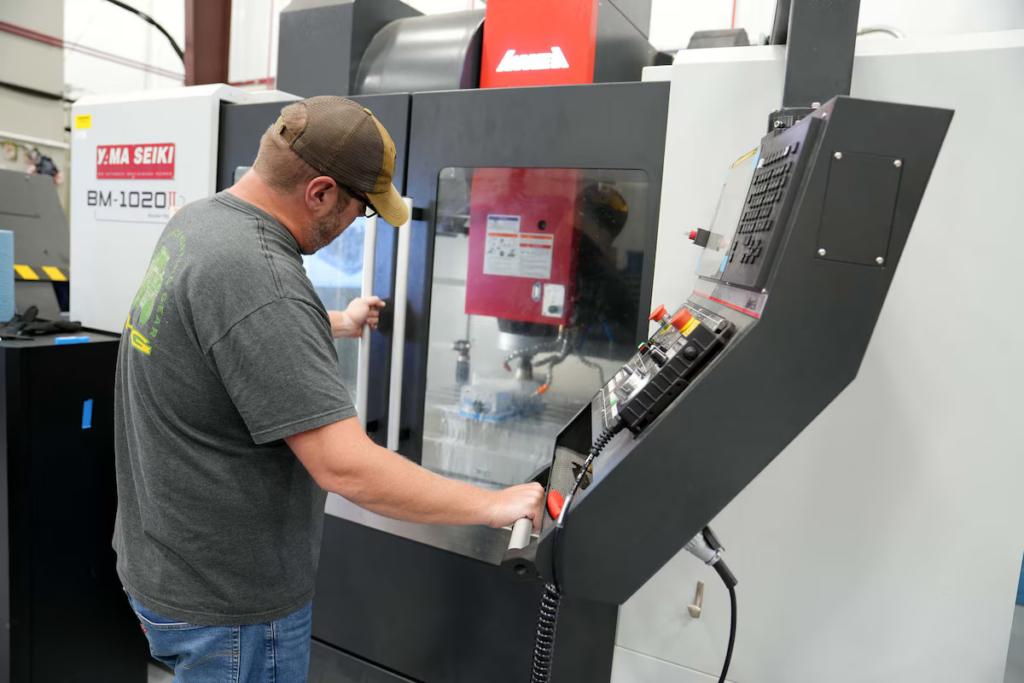
The Air Force’s 402nd CMXG 3D printing lab said that “We can bridge the gap through additive manufacturing by providing an alternate solution for producing parts that can no longer be sourced in a reasonable amount of time and at a reasonable cost.”
Often, metal parts can be replaced by 3D printed polymer parts.
From legacy aircraft to drones: How 3D printing is scaling up
While the US Air Force news release focused on a team dedicated to 3D printing difficult-to-source parts for legacy aircraft, the use of additive technology extends well beyond that.
YouTuber Preston Stewart visited Ukraine a few weeks ago and remarked how 3D printers were everywhere, particularly for manufacturing and modifying FPV drones.
A fundamental difference was that instead of just having dedicated 3D printing teams, this was also happening at the army company level by the soldiers themselves. It’s reasonable to extrapolate that something similar will be happening on the Russian side.
But Ukraine and Russia are two lower-tech and lower-funded militaries focusing on small FPV drones.
While the US is now building its own FPV drones and cheap one-way attack Shahed-style drones, the US is also thinking much bigger.
For example, the US is developing advanced jet-powered combat drones, including the Collaborative Combat Aircraft. It needs to keep the costs reasonable.
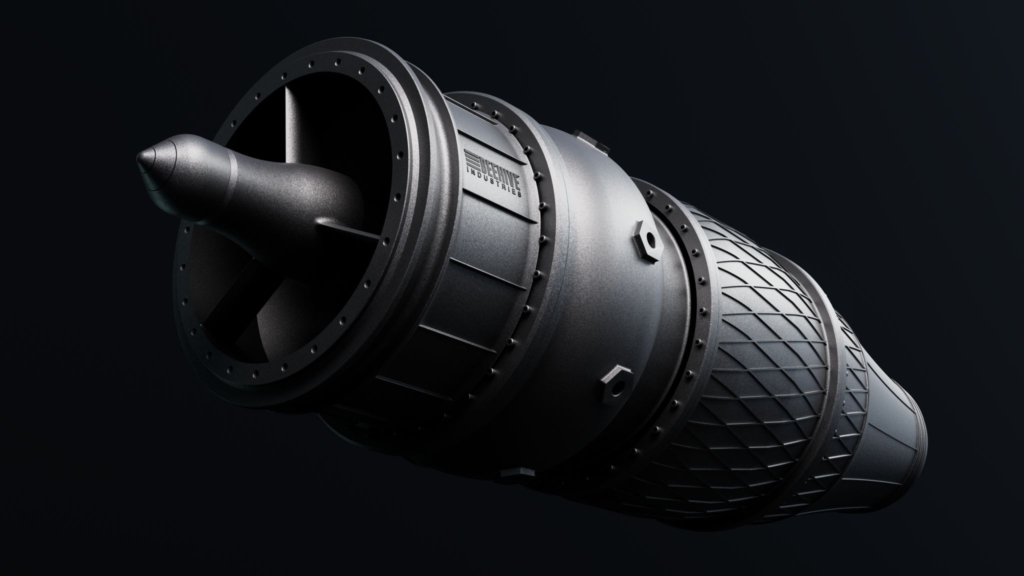
Beehive Industries is developing the propulsion systems, like Rampart, for these drones. It is using 3D printing as a key part of keeping costs down and accelerating the speed at which they can be produced.
Beehive Industries says benefits include accelerated cycle time, low supplier dependence, no obsolete parts, and local production and access.
Featured Image: US Air Force