Unpacking NDAA 2026: Congress blocks USAF aircraft retirements and protects A-10, F-15E, KC-135 and RQ-4 fleets

December 10, 2025

The United States’ defence aviation plans will advance under tighter congressional oversight in 2026, as lawmakers seek to preserve operational capacity while major modernisation programmes continue to face delays, cost pressures and production uncertainty.
The newly enacted National Defense Authorization Act (NDAA) for Fiscal Year 2026 directs significant investment toward fighter, mobility and tanker fleets, yet simultaneously restricts Air Force efforts to retire legacy aircraft that still underpin day-to-day operations.
The result is a force caught between eras. The Air Force wants to move quickly toward next-generation aircraft and autonomous systems, but Congress is demanding greater patience, arguing that future capabilities remain too far from fielding to justify reductions now.
NDAA 2026 blocks A-10 retirement plans and preserves USAF close-air-support fleet
Congress has again blocked Air Force plans to reduce A-10 Thunderbolt II squadrons. The NDAA prohibits using FY2026 funding to retire, prepare to retire or divest A-10s below a fleet of 103 aircraft.
Any waiver must include a detailed recapitalisation plan covering mission reassignment, personnel impacts and community effects, with Congress receiving 30 days’ notice before any aircraft leaves service.

The provision reflects persistent scepticism that the Air Force has a viable, fully funded replacement for dedicated close-air-support roles. The service had aimed to retire all 162 remaining A-10s in 2026, three years ahead of earlier timelines.
Lawmakers have instead mandated that at least 103 remain, with 93 categorised as primary mission aircraft, through 30 September 2026. The Air Force must also brief Congress by 31 March 2026 on its 2027 to 2029 A-10 transition plan.
USAF F-15E retirements delayed in NDAA 2026 as Congress slows Strike Eagle drawdown
Earlier legislation permitted a steeper drawdown of F-15E Strike Eagles, but the Air Force’s plan to retire 21 in 2026 has been halted. The NDAA delays reductions until FY2027 and FY2028, allowing:
- 2026: no retirements
- 2027: up to 21 aircraft
- 2028: up to 30 aircraft
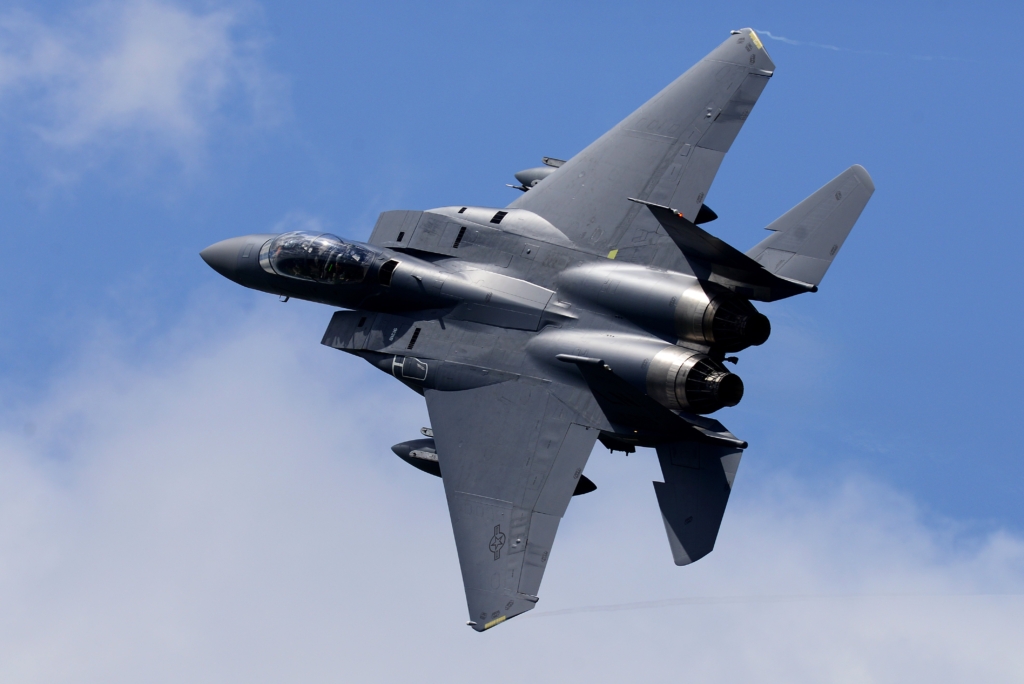
These measures are intended to preserve strike-fighter mass as NGAD and F-15EX numbers remain years away from stabilising.
Congress extends RQ-4 Global Hawk retirement ban, protecting ISR capacity to 2030
Congress has extended the statutory restriction on retiring RQ-4 Block 40 aircraft until 30 September 2030. While the Air Force argues that space-based ISR and classified penetrating systems will assume the mission, legislators say current operational demand, particularly in the Pacific and Europe, leaves no margin for cuts.
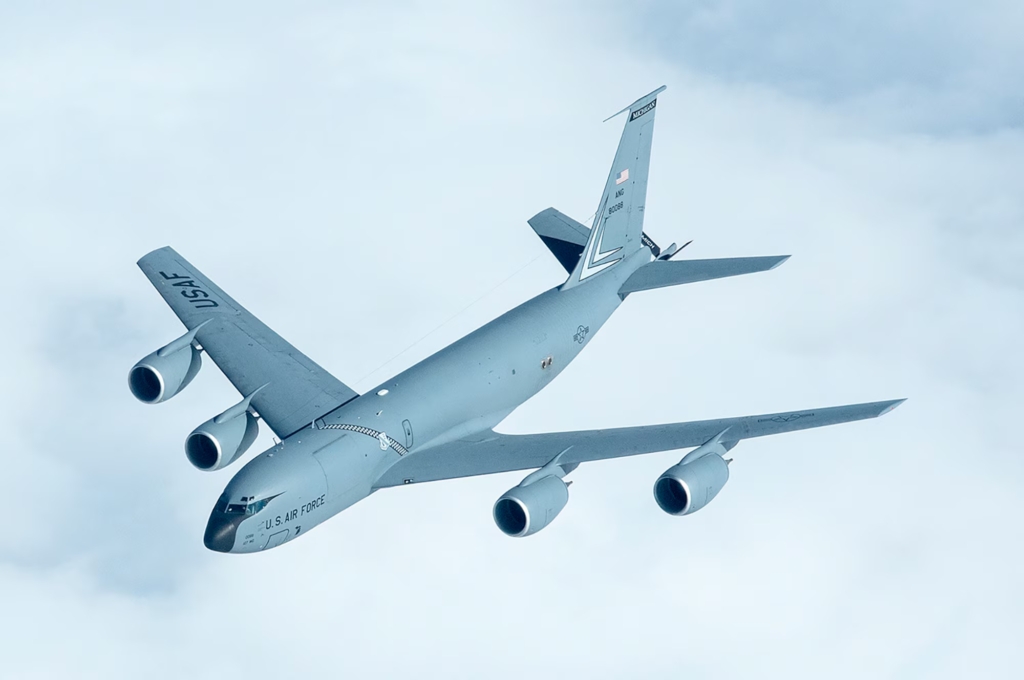
KC-135 divestments halted as KC-46 delays force Congress to protect tanker fleet
With KC-46A deliveries slower than planned, the NDAA requires KC-135 Stratotankers to remain primary mission aircraft, reassigning them to wings with adequate manning and training capacity. The move prevents any early shift of KC-135s into storage or backup roles.
USAF C-130 retirements frozen to 2028 as Congress protects National Guard mobility fleet
Congress has extended the minimum C-130 inventory requirement and a ban on reducing National Guard strength through FY2028. Annual reporting on inventory, divestment plans, block upgrades and basing decisions will now be required, signalling concern about availability and Guard readiness.
Congress moves to prevent USAF fighter gap as A-10 and F-15E cuts slow
Lawmakers are increasingly attuned to the simultaneous decline of multiple ageing fleets. Even with sustained F-35A procurement, NGAD timelines remain uncertain and F-15EX numbers limited.
Restrictions on A-10 and F-15E retirements reflect a clear message that operational capacity cannot fall at a time of heightened global demand. Congress is equally wary of pressure on mobility and tanker networks, which underpin the United States’ ability to respond worldwide.
NDAA 2026 strengthens B-21, F-35 upgrades and NGAD development despite tighter oversight
Despite tighter guardrails, Congress continues to fund next-generation capabilities.
Combat air systems
- B-21 Raider funding is sustained, with additional reporting on schedule and industrial-base readiness.
- F-35 upgrades across all variants remain a priority, including Block 4 and TR-3 recovery plans.
- F-15EX procurement continues with strong congressional support.
- NGAD research progresses, although with strict oversight on cost and maturity.

Autonomous and collaborative systems
Congress supports unmanned collaborative aircraft concepts but wants clearer lifecycle cost models before procurement ramps up. The RQ-4 extension prevents an ISR gap while new systems evolve.
Mobility and refuelling
- KC-46A growth remains funded, with sharp scrutiny of Remote Vision System 2.0.
- C-130J recapitalisation for Guard and Reserve units is protected.
Naval aviation
Congress is maintaining carrier aviation capacity until next-generation and unmanned platforms mature, supporting F/A-18E/F sustainment, CH-53K procurement, MQ-25 development and the Marine Corps’ F-35B/C transition.

Army aviation
Army rotorcraft modernisation, including FLRAA, is funded but heavily scrutinised. Uncrewed systems gain prominence, and divestments now require assurance that operational coverage will not degrade.
NDAA 2026 prioritises USAF operational capacity over rapid aircraft retirements
The FY2026 NDAA resets the balance between recapitalising the force and preserving capability today. Legislators want proof that new aircraft, autonomy programmes and advanced networking are real, deliverable and supportable before legacy fleets are sent to the boneyard.
The United States is entering a period where two aviation eras must operate side by side, with ageing but proven aircraft filling current missions while next-generation systems develop for the 2030s and beyond. Congress’ message is clear: maintain credible airpower today while building the force of tomorrow. How long that balance can be sustained will shape US strategic aviation for the rest of the decade.
Featured image: USAF