United Airlines introduces tiered premium fares: What you need to know

April 7, 2026
United Airlines is introducing a new tiered fare structure, giving premium travellers more options to select the features they value most. It follows the unbundled pricing model that has become common in economy class and has already been adopted by select airlines for premium tickets.
The Chicago-based carrier, which has very quietly celebrated its 100th anniversary this week, announced that customers flying in long-haul international business class, premium economy and certain high-profile domestic routes can choose among three fare categories: Base, Standard and Flexible. The new fare options will launch in select markets before expanding later this year.
“These new tiered options give customers more choice and make it easier to find a fare that includes the benefits they want most — whether that’s a great value, added perks, or maximum flexibility,” said United’s chief commercial officer, Andrew Nocella.
How United’s new fare tiers work
United’s new fare structure extends the airline’s economy merchandising strategy — where customers can choose among Basic, Standard and Flexible fares — into premium cabins.
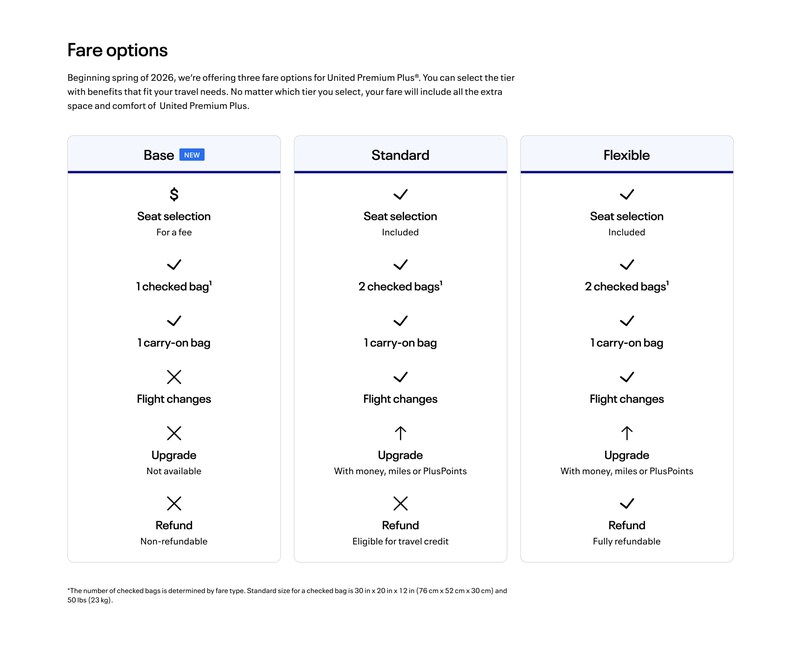
It introduces a Base fare tier in premium cabins while keeping the airline’s existing Standard and Flexible options.
- Base: The lowest price point with fewer benefits included. Travellers typically receive one checked bag but must pay extra for seat selection. Tickets are non-refundable and cannot be changed or upgraded.
- Standard: Includes perks such as free seat selection, additional checked baggage and the ability to make changes to the ticket.
- Flexible: The priciest option offers full ticket refundability and includes all the benefits of the Standard fare.
Customers on base fare tickets still enjoy the benefits of a seat in the premium cabin. Those who need to travel with more luggage may want to book the standard fare. Passengers whose travel plans may change can benefit from paying more for the flexible fare.
Where United’s new premium fares will apply
United will roll out its new premium fares in limited markets at first. Tiered premium fares will initially apply to:
- Long-haul international flights
- Transcontinental U.S. routes
- Select long-distance flights to Hawaii
The rollout will expand across additional routes later in 2026.
Polaris lounge access requires Standard and Flexible tickets
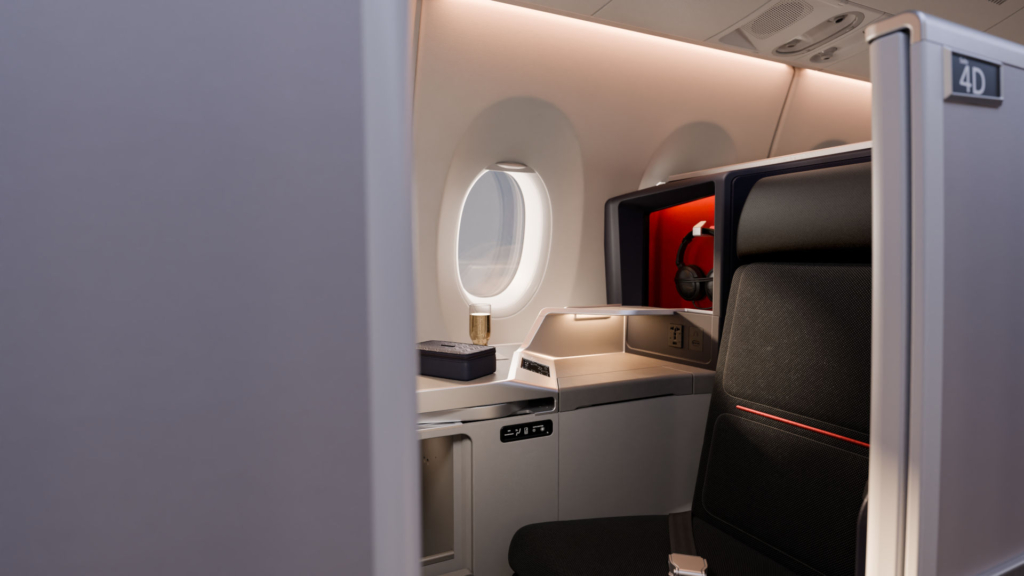
United also plans to expand its United Polaris premium cabin on some transcontinental and longer Hawaii flights.
Passengers flying on United Polaris will have lounge access based on the fare tier they book.
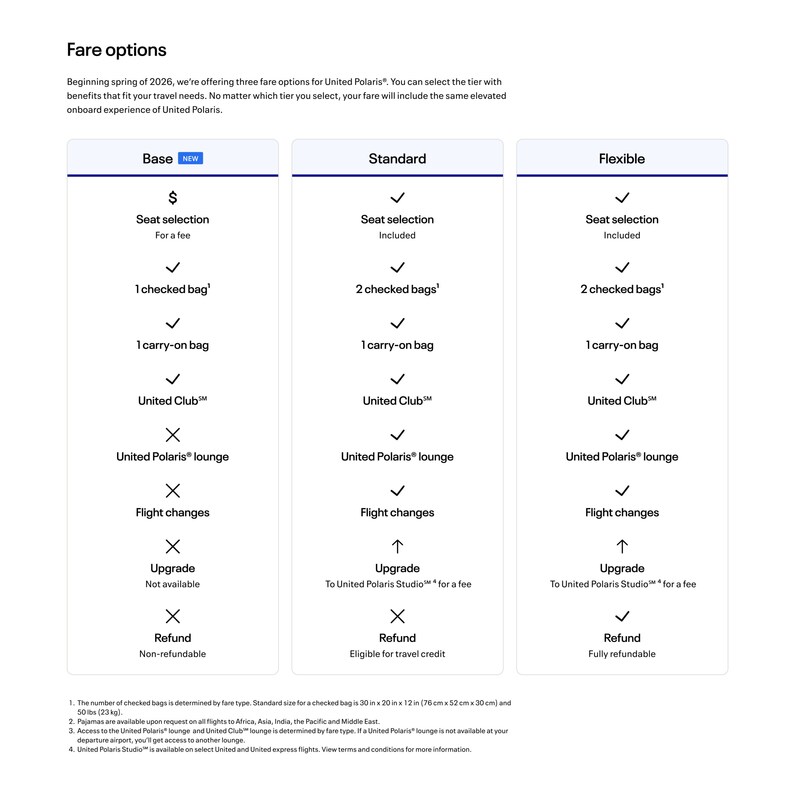
- Standard and Flexible Polaris fares include access to Polaris lounges and United Club lounges
- Base Polaris fares grant entry to United Club lounges instead

Passengers holding Standard and Flexible tickets are also eligible to upgrade to the United Polaris Studio for a fee, whereas Basic fare ticket holders cannot.
More airlines unbundle premium cabins
United’s move follows an airline industry strategy of unbundling premium products to capture more revenue from travellers willing to pay for additional perks, while offering a lower entry price for those who want fewer extras.
Other international carriers that have successfully introduced tiered fares on premium tickets include the Lufthansa Group airlines, Air France-KLM, Emirates, and Qatar Airways.
US airlines have increasingly focused on premium travellers since demand for seats at the front increased after the pandemic. They expect those customers to remain more resilient to rising fares and economic uncertainty going forward. Still, unbundling premium fare tiers provides a buffer, keeping the premium cabin more competitive and accessible for those who want to pay less and are comfortable giving up some benefits.
Delta Air Lines also announced plans to introduce tiered fares for premium tickets earlier this year.
As CEO Ed Bastian said on the Q4 2025 earnings call in January, the airline has considered introducing three fare tiers for every cabin product: basic, main, and extra. “We put those products in place for Comfort Plus earlier in the year. And that implementation is producing results that are actually slightly above our internal projections,” Bastian said, adding that the airline will roll out fare tiers in premium cabins later this year. Bastian’s explanation of premium fare tiers fits all similar airline merchandising strategies: “It’s the seat, and then it’s the product attributes.”
Customers who want to sit at the front for less can choose the basic fare and still fly more comfortably—other travel benefits may cost more.
Premium travellers should review fare tiers before booking
For those accustomed to booking premium tickets with all the perks, fare tiers add complexity that requires careful review before booking. Airlines generally make the fare tiers visible in their booking engines, detailing what passengers can expect on each tier. Travellers should ensure they select the tier that offers all the benefits they need for their journey.
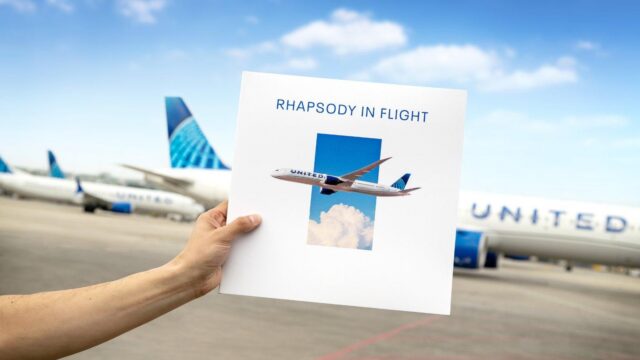
Featured Image: United Airlines