Ukraine tests Sunray laser system as low-cost alternative to missile air defence

March 27, 2026
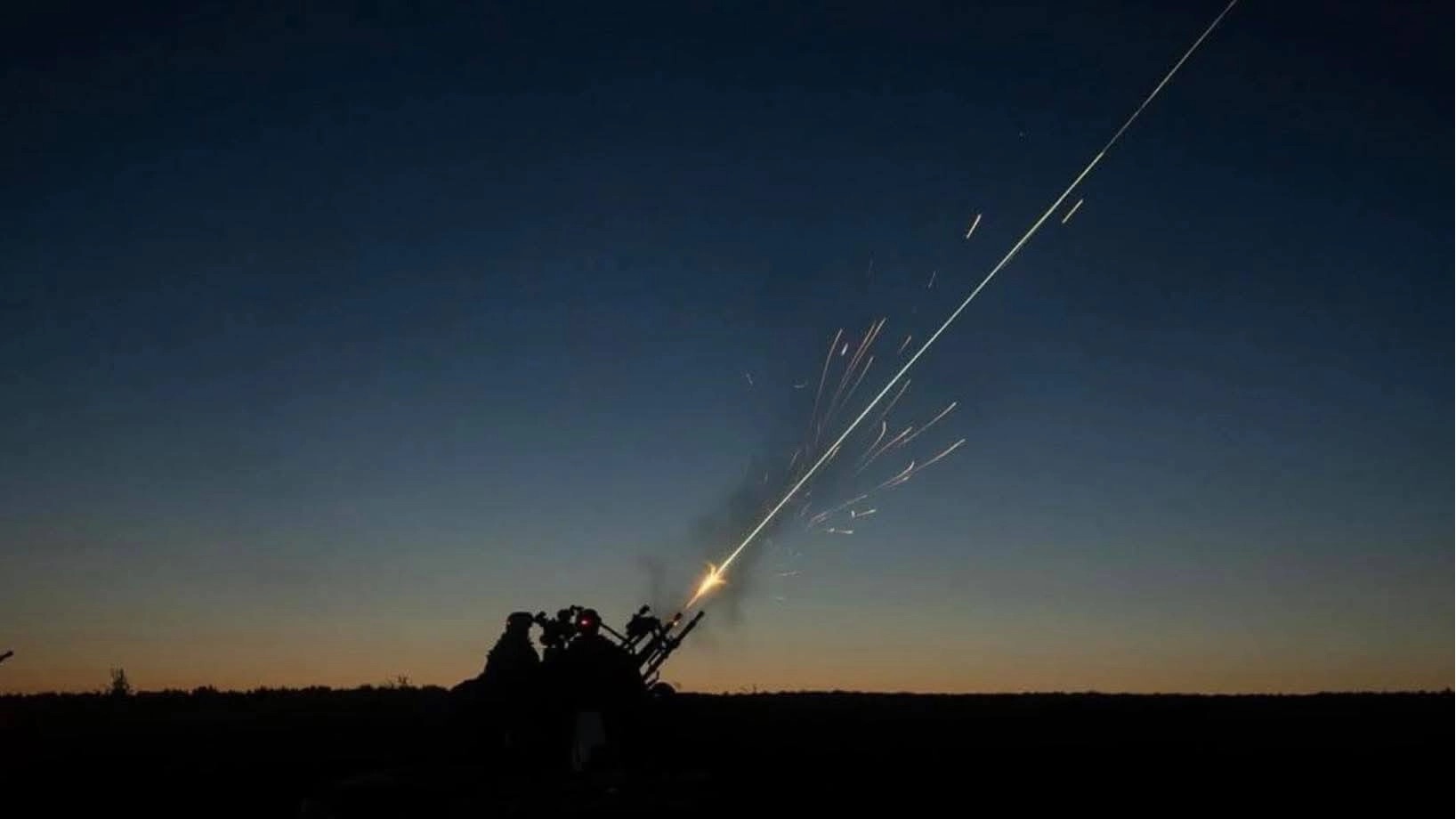
Ukraine is testing a compact laser-based air defence system designed to counter drones at a fraction of the cost of conventional interceptors.
The system, known as Sunray, has been developed over roughly two years by Ukrainian engineers in response to the growing pressure on air defence networks caused by large volumes of low-cost drones.
According to The Atlantic, which witnessed a demonstration, the system is capable of engaging small aerial targets by directing a concentrated laser beam that burns through a drone’s structure or disables its electronics within seconds.
Low-cost laser air defence system replaces missiles with directed energy
Reports describe Sunray as a relatively simple system in physical terms.
Ukrainska Pravda, citing The Atlantic, noted that the weapon resembles a small telescope fitted with cameras and can be mounted on the roof of a pickup truck.
The cameras track the target automatically, while an operator initiates the laser engagement.
During testing observed by the Atlantic journalist, a drone was set alight within seconds of engagement and fell from the sky, highlighting the system’s ability to deliver rapid effects without the need for traditional munitions.
The system operates almost silently and does not emit a visible beam, a departure from the conventional perception of laser weapons.
Drone warfare drives demand for cheaper air defence solutions
The development is closely tied to the economics of the current conflict. Ukraine has faced sustained drone attacks, often involving relatively inexpensive systems.
Using high-cost surface-to-air missiles against such targets has created an imbalance in cost-effectiveness, prompting efforts to find cheaper interception methods.
As Ukrainska Pravda reported, Ukrainian officials have highlighted the inefficiency of using expensive Western-supplied missiles against low-cost drones, underlining the need for alternatives that can be deployed at scale.

Sunray is positioned as one such alternative. The prototype reportedly cost several million dollars to develop, with a projected unit price in the hundreds of thousands, significantly lower than most modern missile systems.
The focus of laser systems will be on short-range threats such as kamikaze drones and reconnaissance UAVs, where speed of engagement and low cost per shot offer clear advantages.
However, the technology remains in development. Challenges include integration into existing command-and-control networks and ensuring consistent performance under operational conditions.
Separate Ukrainian efforts, such as the Tryzub laser system demonstrated in 2025, suggest a wider push to explore directed energy as a viable air defence option, with claimed engagement ranges of several kilometres depending on the target type.
Sunray vs HELIOS shows split between low-cost and high-end laser weapons
While Sunray represents a relatively low-cost, rapidly developed solution, more mature laser weapon systems are already in limited operational use elsewhere.
The US Navy’s High Energy Laser with Integrated Optical-dazzler and Surveillance system, or HELIOS, developed by Lockheed Martin, forms part of a longer-term effort to field directed energy weapons at sea.
Unlike the Ukrainian system, HELIOS is integrated into a ship’s combat system and designed for multiple roles, including intelligence, surveillance and reconnaissance, as well as countering unmanned aerial systems.
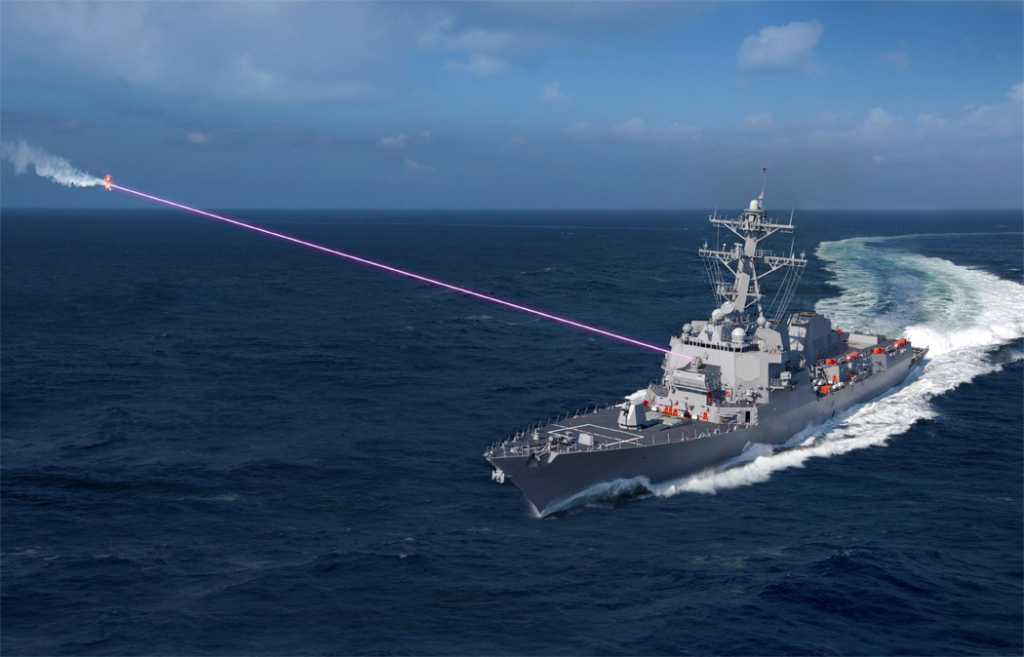
The system offers what Lockheed Martin describes as a “deep magazine” and low cost per engagement, using energy rather than physical munitions, and delivers effects at the speed of light. It has demonstrated power levels above 60 kilowatts and is designed with a scalable architecture to address a broader range of threats over time.
The contrast between HELIOS and Sunray underlines two parallel tracks in laser weapon development: highly integrated, high-cost systems developed over years, and more agile, lower-cost solutions emerging from battlefield necessity.
Drone threats accelerate shift toward directed energy air defence systems
The emergence of systems like Sunray reflects the pace at which drone warfare is reshaping defence priorities.
Cheap, mass-produced drones have forced militaries to rethink traditional air defence models, where each interception often carries a high cost. Directed energy systems offer one potential answer, particularly for short-range engagements where reaction time and cost efficiency are critical.
As reporting from both The Atlantic and Ukrainska Pravda suggests, Ukraine’s approach has been driven as much by necessity as by innovation, seeking solutions that can be built quickly, deployed flexibly and operated at lower cost.
Featured image: General Staff of the Armed Forces Ukraine