Ukrainian F-16s intercept over 1,300 air targets and hit 300 ground targets

November 20, 2025
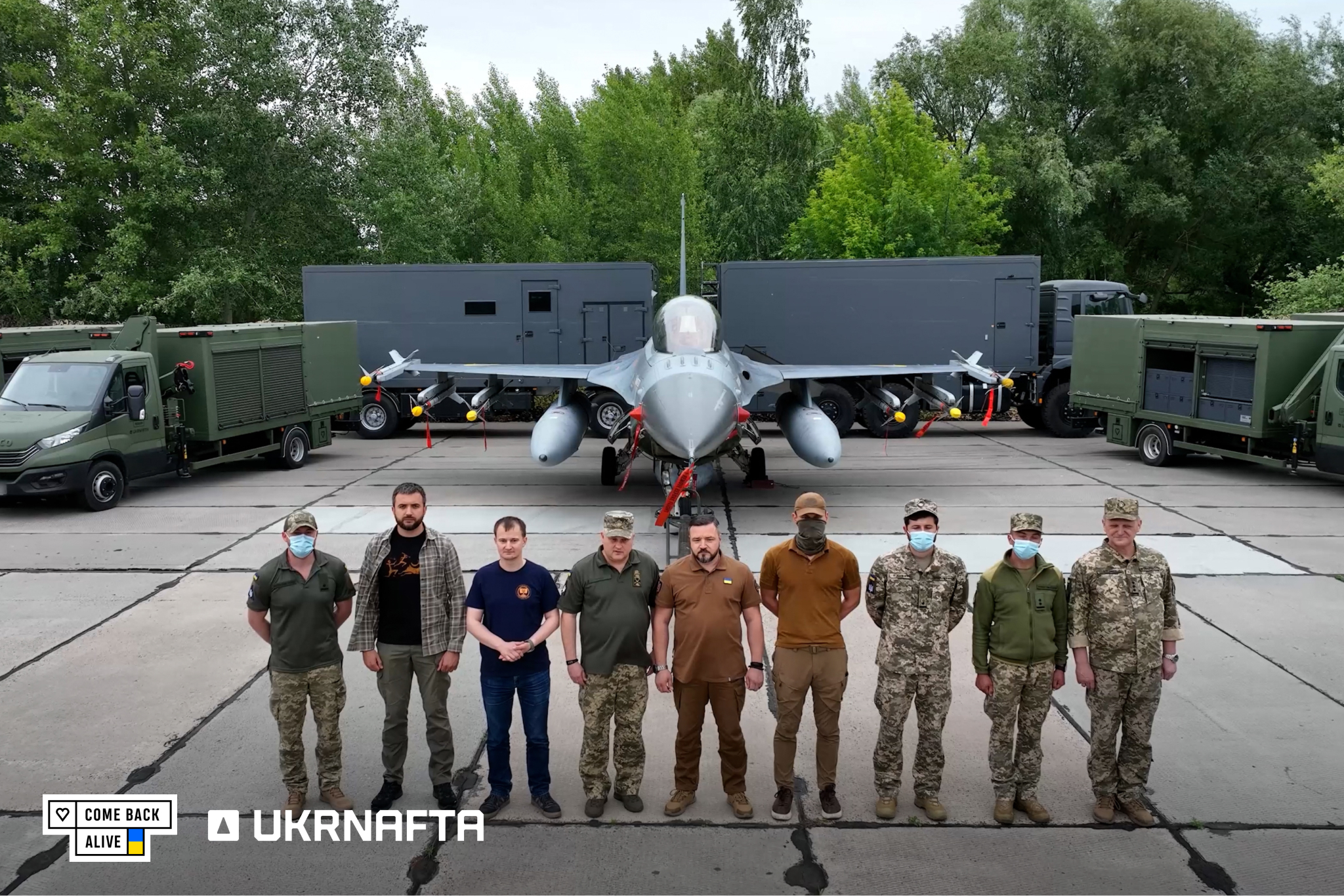
Ukraine’s newly fielded F-16s have rapidly become one of the Air Force’s most valuable assets, intercepting more than 1,300 airborne threats and striking 300 ground targets in barely a year of operations. The jets, donated by European allies and first introduced in August 2024, are now central to Ukraine’s ability to blunt massed missile and drone attacks launched by Russia almost daily.
Ukrainian F-16s neutralised 1,300 airborne threats
Yesterday, the Ukrainian Air Force was once again tasked with defending Ukrainian skies from massed Russian missile and drone attacks. In an update, the service stated, “During today’s attack, F-16 and Mirage 2000 pilots intercepted and shot down at least 10 russian cruise missiles.”
P.S. Please repost
— Ukrainian Air Force (@KpsZSU) November 19, 2025
⬇️
F-16 fighter jets appeared in Ukrainian skies in August 2024 — a historic milestone for our country and a major breakthrough in strengthening the Air Force’s aviation capabilities. After mastering the aircraft with remarkable speed, Ukrainian pilots turned… pic.twitter.com/uRyCLltTjt
In a summary of the F-16’s accomplishments, the Ukrainian Air Force claimed, “The F-16 alone is credited with intercepting more than 1,300 airborne threats.”
These European-donated F-16s first arrived in Ukraine in August 2024 and marked a major milestone for the Ukrainian Air Force to start transitioning from its beleaguered fleet of legacy and worn-out Soviet-era fighter jets to Western aircraft.
Ukrainian Air Force F-16AM Fighting Falcon on a ground strike mission.
— OSINTtechnical (@Osinttechnical) November 20, 2025
Under its wings, 8x individually targetable GBU-39 SDB glide bombs, 2x AIM-9L sidewinders, and 2x AIM-120C AMRAAMs. pic.twitter.com/8OY57gdYcf
The Ukrainian Air Force says it mastered the new jet with “remarkable speed” and turned the Fighting Falcon into “a highly effective tool in countering the aggressor.” It added that continued Ukrainian F-16 success relies on uninterrupted and timely delivery of air-launched weapons for the jets.
It’s hard to overstate how remarkable this is. On the eve of the Russian invasion, most analysts thought the Ukrainian Air Force would be wiped out in Russia’s opening salvos over the first few days. Almost four years later, not only does the Ukrainian Air Force survive, but it is growing in capabilities.
Ukraine’s F-16’s secondary ground attack role
The primary role of the F-16 and the Dassault Mirage 2000 is to defend Ukraine’s airspace by shooting down drones and cruise missiles. That said, they can also carry out other roles like air-to-ground missiles and countering Russian fighters.

While many online were asking whether F-16s or Russian Flankers were better in a dogfight, experts noted Ukraine was likely to use its new aircraft in an air defence role. To date, there have been no verified accounts of F-16s or Flankers shooting each other down in air-to-air combat, although these stories have been reported multiple times.
In the update, the Ukrainian Air Force did not remark on any air-to-air kills against Russian fighter jets, but it did say F-16s are “actively employed for close air support.”
Go back and look up with U.S. officials were saying about why Ukraine didn't need F-16s (and how long it would take them to learn how to fly 'em): https://t.co/8P6BIJrbkY pic.twitter.com/9hRnlieSuO
— Michael Weiss (@michaeldweiss) October 10, 2025
The Ukrainian Air Force elaborated that Ukrainian pilots have struck more than 300 ground targets. These strikes have destroyed hundreds of Russian vehicles, command posts, UAV control centres, ammunition depots, and logistic nodes.
Get the latest aerospace defence news here on AGN.
Ukraine’s plan for its post-war fleet
Ukraine’s plan for a post-war fighter jet fleet is taking shape. By around 2035, the country is planning to have a fleet of between 250 and 300 Western fighter jets.
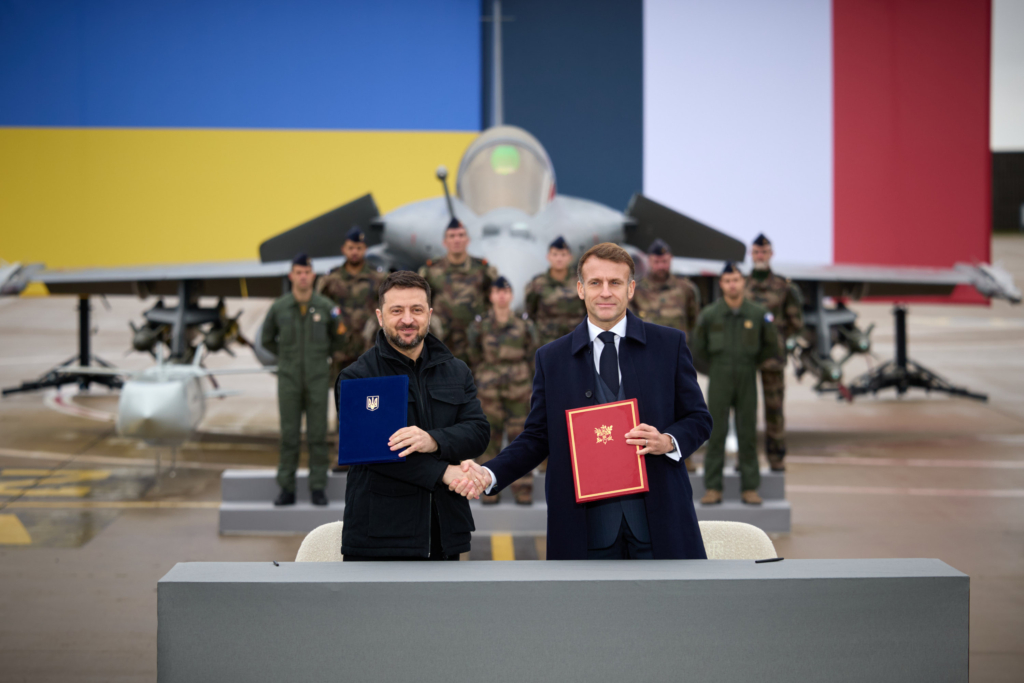
This should include up to 100 modern French Rafale fighters, 120-150 Swedish Saab Gripen fighter jets, and F-16 Fighting Falcons.
It remains unclear if Ukraine is planning to only operate the older hand-me-down F-16s it has now, or if it plans to purchase more advanced new-build Block 70 F-16s to complement the fleet.
It is unlikely the Rafale or Gripen fighters will arrive in time for the current war, at least in significant numbers. Ukraine has said it expects the first Gripens to arrive in 2026, but these could be older Gripen C/Ds from Swedish Air Force stocks. The new Gripen E has only just entered production.

It is also possible that France could ship a limited number of Rafales from its stocks in a shorter timeframe.
While operating three types of Western fighter jets will be a logistical nightmare, this will ease somewhat as Ukraine is expected to retire its remaining Soviet-era Su-25s, Su-24s, Su-27s, and MiG-29s post-war as the new Western jets are delivered in sufficient numbers.
Featured Image: Come Back Alive