UK regional airports under threat as government imposes eyewatering property tax hikes

December 30, 2025
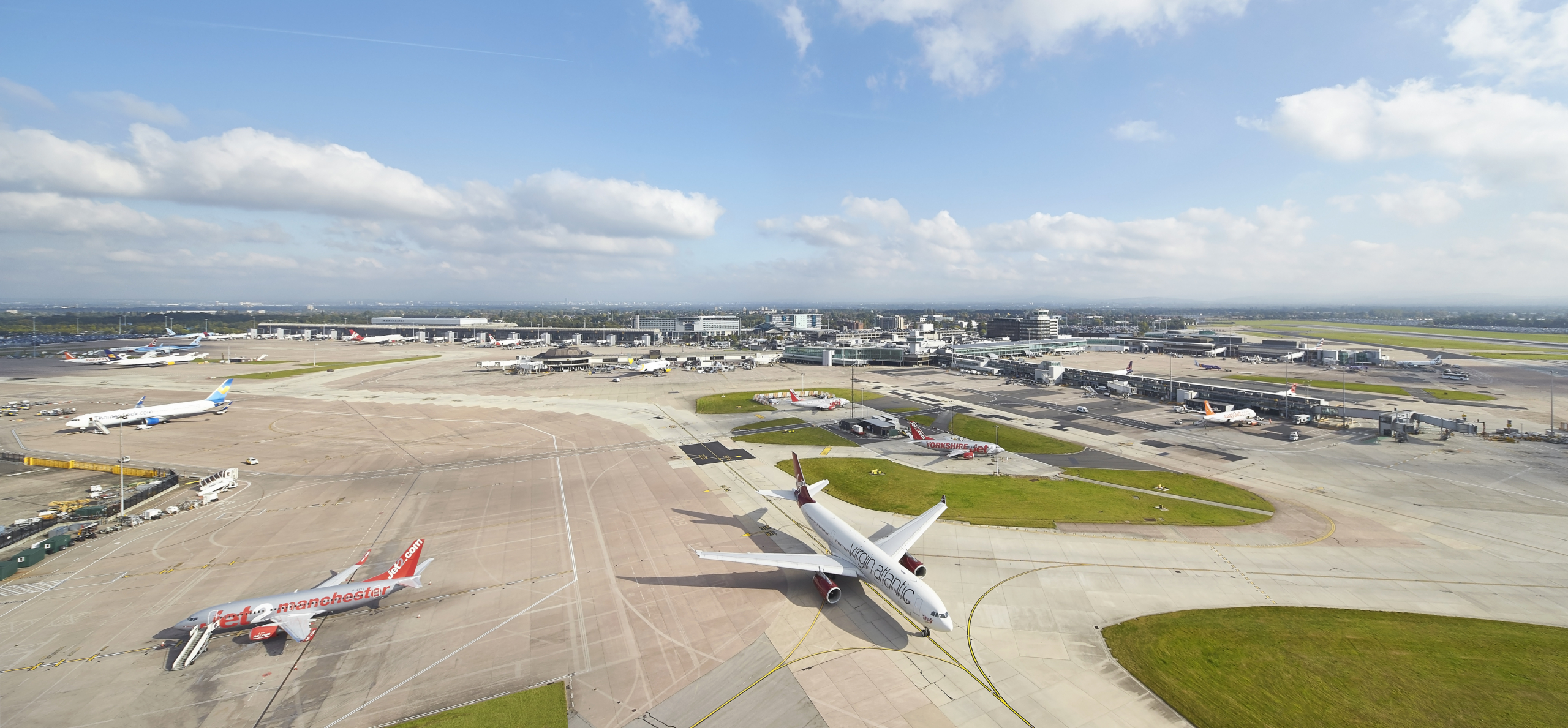
UK regional airports are facing a sharp and potentially destabilising rise in costs just as they are emerging from years of financial strain. A nationwide revaluation of commercial property is set to drive some of the largest business rate increases seen in decades, hitting smaller and mid-sized airports particularly hard and raising fresh questions about the long-term viability of regional air connectivity.
The increase in business rates follows the latest national property revaluation. Analysis of the UK government’s Valuation Office Agency (VOA) data by global tax firm Ryan, for PA Media, shows that rateable values for many regional airports have increased more than sixfold. This has led to tax bills that will increase sharply over the next few years.

Regional airports in UK set to face dramatic tax hikes
Major air transport hubs such as London Heathrow and London Gatwick are also subject to the higher tax rates, with eye-watering increases in their business rates bills. But it is regional airports outside the capital where the most dramatic percentage increase will occur.
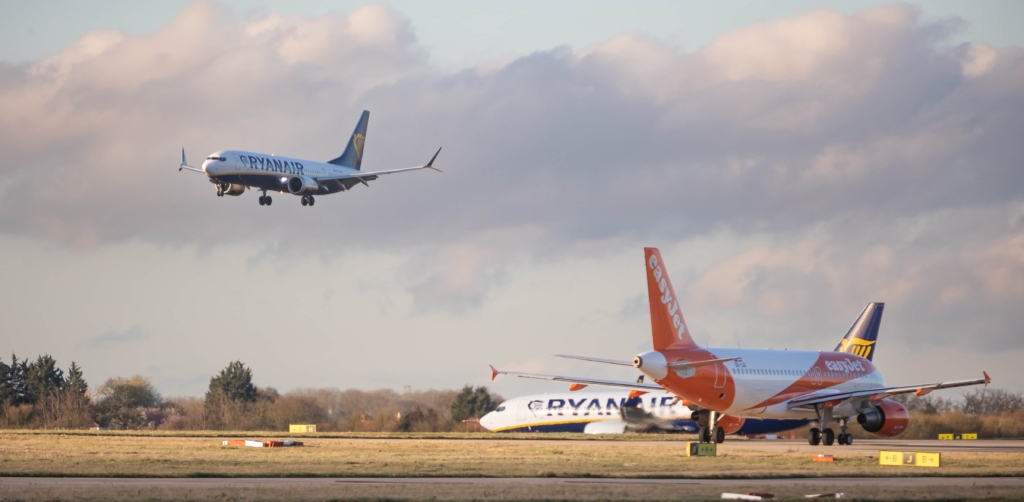
Even with transitional relief, which the UK government has introduced to cap initial increases at 30% next year, regional airports will suffer with some of the largest cash increases in the country. As relief tapers off over the next three years, most regional airports will see their business rates more than double.
Manchester Airport is among the worst affected
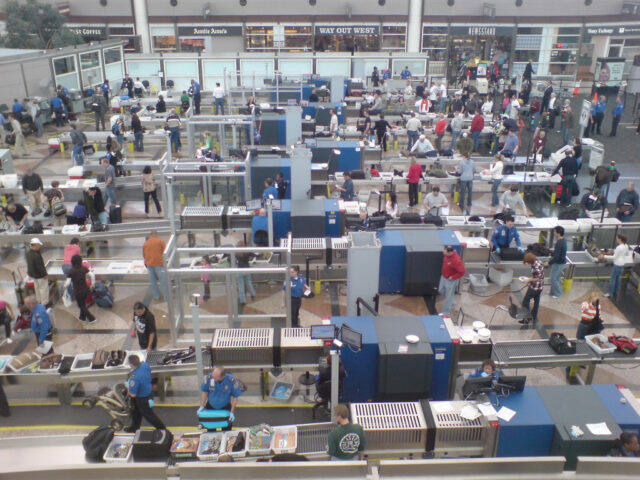
The gateway to England’s Northwest, Manchester Airport, is set to be one of the hardest hit by the hikes in property tax. It is going to pay an extra £4.2 million per year, meaning an increase in its business rates to £18.1 million next year, according to Ryan’s data.
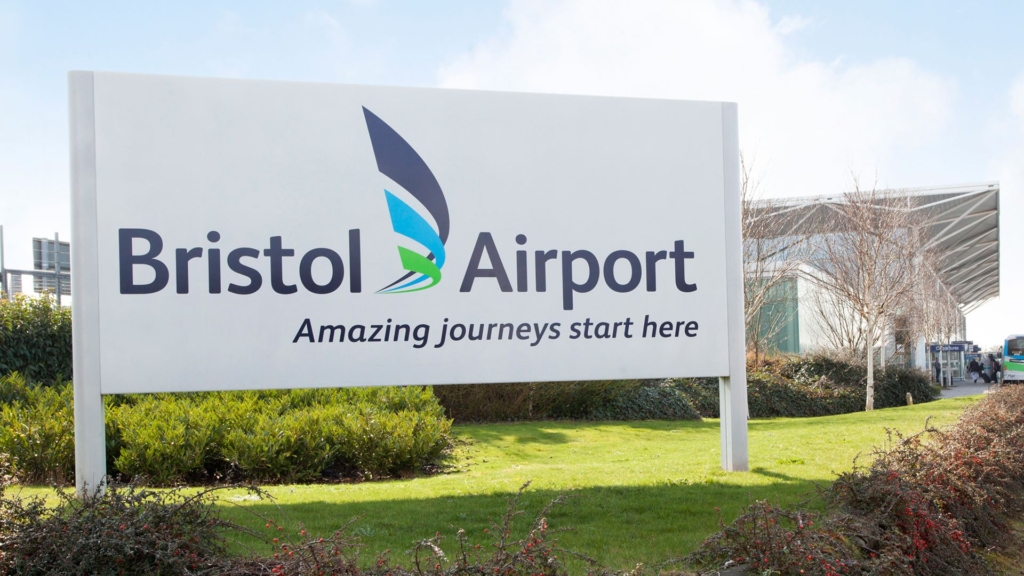
Meanwhile, Bristol Airport faces an increase of around £1.2 million and Birmingham International around £1.8 million. Newcastle Airport will see business rates rising by roughly £244,755, while smaller airports such as Bournemouth will also see six-figure increases.
Although the UK’s airport sector has seen record passenger traffic this year, regional airports rely heavily on low-cost carriers and domestic air links. These services typically generate lower yields per passenger and less non-aeronautical spend than long-haul international traffic.
Subsequently, their operating margins tend to be tighter than those in primary hubs. Sharp rises in fixed costs like business rates make it harder for these airports to absorb costs without passing them on.
Why are airports among the hardest hit?
Business rates (the UK’s commercial property tax) are based on rateable values. Set by the VOA, these are estimates based on a property’s rental worth. As part of a regular cycle, the VOA revalues properties across the UK using updated information on how these facilities are performing financially.
Airports across the UK have seen record passenger traffic and are generating more revenue following the global pandemic. The VOA treats this as a sign of increased value. When a property’s rateable value goes up, so too does the amount an owner or operator must pay in business rates.

What the tax hike means for passengers and airport investment
Regional airports are vital to local economies, meaning any impact on their revenue affects the wider communities they serve. They provide employment, support tourism and facilitate trade. When faced with sharply rising tax bills, these airports face difficult choices: increase passenger fares, scale back investment programmes or seek government assistance.
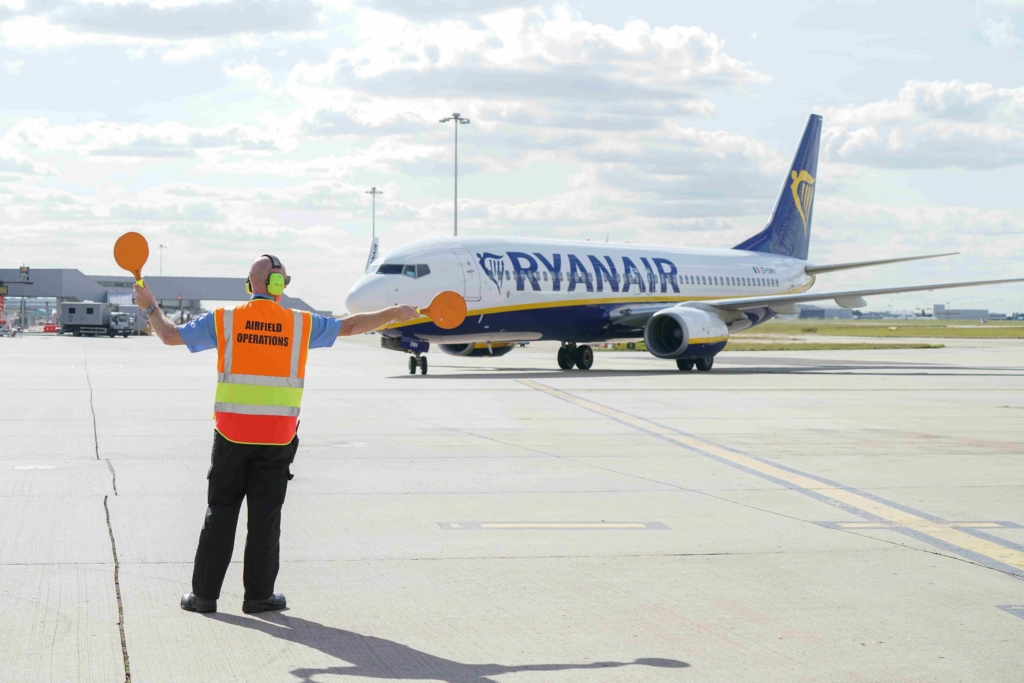
The tax increase also risks discouraging investment in airport infrastructure. Sharp increases in business rates may force operators, such as Manchester Airports Group, which also operates London Stansted and East Midlands Airport, to postpone or reconsider capital expenditure projects.
UK airports at risk of falling behind peers
Speaking earlier in December, AirportsUK Chair Baroness Ruby McGregor-Smith called on the government to do more to reduce the costs and burdens on airports.
“Airports’ business rates are set to more than double at a time when global competition for connectivity, investment and trade has never been so fierce,” she said, speaking at the Airports UK annual conference in London.
McGregor-Smith also warned: “The UK is at serious risk of falling behind as our peers in Europe, the US and the Middle East expand capacity more easily, enjoy a more benign fiscal environment and fight hard to attract airlines.”
The UK airport trade body has emphasised the importance of a long-term review into how airport business rates are calculated.
Featured image: Manchester Airport