Ranked: The UK’s best and worst airports in 2025

September 10, 2025
UK-based consumer organisation Which? recently published the results of its annual airport survey, ranking the UK’s major passenger airports from best to worst.
Out of the 29 airports surveyed, smaller regional airports fared well, while the larger airports, particularly those that serve the London area, appear well down the list.
In April 2025, Which? carried out its research to learn more about the experiences of 5,789 passengers over the preceding 12 months. Those questioned were either members of the general public (1,141) or Which? consumer group members (4,648).
Respondents were questioned about their airport experiences, ranking a series of ten categories that covered various aspects of their experience. These included customer service, waiting times for baggage, security queues, and availability of seating, as well as the range of retail and food/beverage outlets.
Where some airports offer multiple terminals, data was collected by Which? relating specifically to each individual terminal. The overall customer score is expressed as a percentage and is based on satisfaction and likelihood to recommend. These two questions alone contribute 50% each to the score.
The top six UK airports in 2025 – regional airports reign
Taking the top spot of the results table was Exeter Airport (EXE) in the southwest of England. The airport currently serves around 500,000 passengers annually (compared to 29 million at Manchester Airport (MAN) or 84 million at London’s Heathrow Airport (LHR)).
The airport received an impressive overall customer score of 80%. As a result of scoring so highly, Exeter Airport was one of six airports in the UK to secure a Which? Recommended Provider (WRP) endorsement in 2025.
According to a Which? statement, travellers awarded the airport five stars for its customer service, check-in facilities, toilets, bag drop, and security queues.
However, the airport only received a three-star rating for its range of shops and eateries. One traveller told Which? “Exeter offers a relaxed and stress-free travel experience, a welcome change from larger airports.”
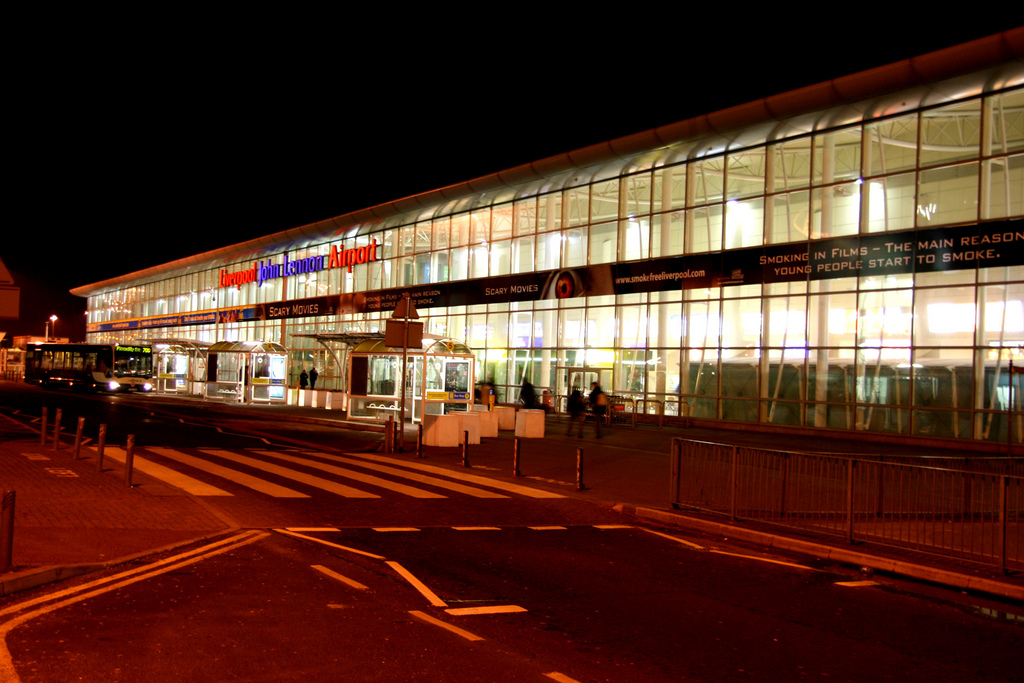
Rapidly expanding Liverpool John Lennon Airport (LPL), which in 2025 expects to serve five million passengers, came second in the table and received a score of 78% while also bagging itself a WRP award.
Passengers praised a quick, efficient process and friendly staff. Additionally, Liverpool scored five stars for security, bag-drop, and check-in. One traveller praised the security process as “consistently quick and hassle-free”. Another passenger praised the airport as “efficient, clean, easy to navigate, good facilities.”
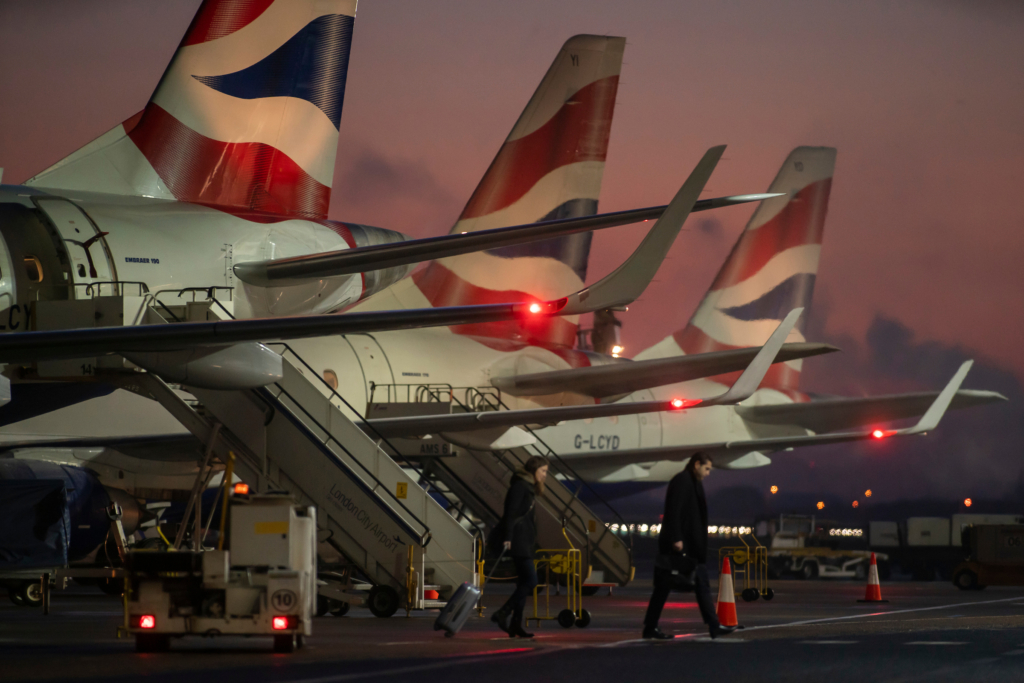
Third from the top and serving 3.5 million customers each year, London City Airport (LCY) received an impressive score of 76% and a WRP. It was the only airport on the list of contenders to get five stars for all of the queue categories, but was rated three stars for its toilets and range of shops.
In August 2024, the airport was given the regulatory green light to increase its annual capacity from 6.5 million passengers per year to nine million. However, an application to increase the number of movements on a Saturday afternoon was rejected.
Rounding out the top six on the list of 29 UK airports to be assessed were the airports at Bournemouth (BOH), Norwich (NWI), and Newcastle (NCL), recording overall scores of 73%, 72% and 72%, respectively. Each of these airports was also awarded WRP accreditation.
The middle ground
The next six airports on the list maintained the momentum set by the top six regional airports, while also representing more provincial areas of the UK.
Airports at Inverness (INV, 70%), Cardiff (CWL, 68%), and Southampton (SOU, 68%) all scored highly, followed by Belfast City (BHD, 67%), East Midlands (EMA, 66%), and Glasgow International (GLA, 63%).
The following slot on the results table (in position number 13) was London Heathrow (LHR) Terminal 5. The first major airport to appear on the Which? list and as the newest terminal at Heathrow (which opened in March 2008), the facility comes in seven places above the next Heathrow terminal to feature – Terminal 2 (57%). Terminal 5 scored an overall percentage of 59%.
The major airports struggle to keep up with the pace
London’s lowest-scoring airport was London Luton (LTN) with a score of 51%. The airport received one star for seating and prices of goods in shops and food outlets. While most other categories only managed two stars, Luton did achieve three stars for baggage queues.
One passenger said the airport had a “disorganised and confusing layout” and “overpriced food and drink options.” Passengers will possibly see an improvement in the coming years at Luton as the government has given its approval for a massive £2.4 billion expansion, taking the airport’s capacity to 32 million by 2043 from the current 19 million.
Other London airports surveyed, including Heathrow’s Terminal 2 (57%), Terminal 3 (54%), Terminal 4 (55%), all fell short of the 59% benchmark set by Terminal 5.
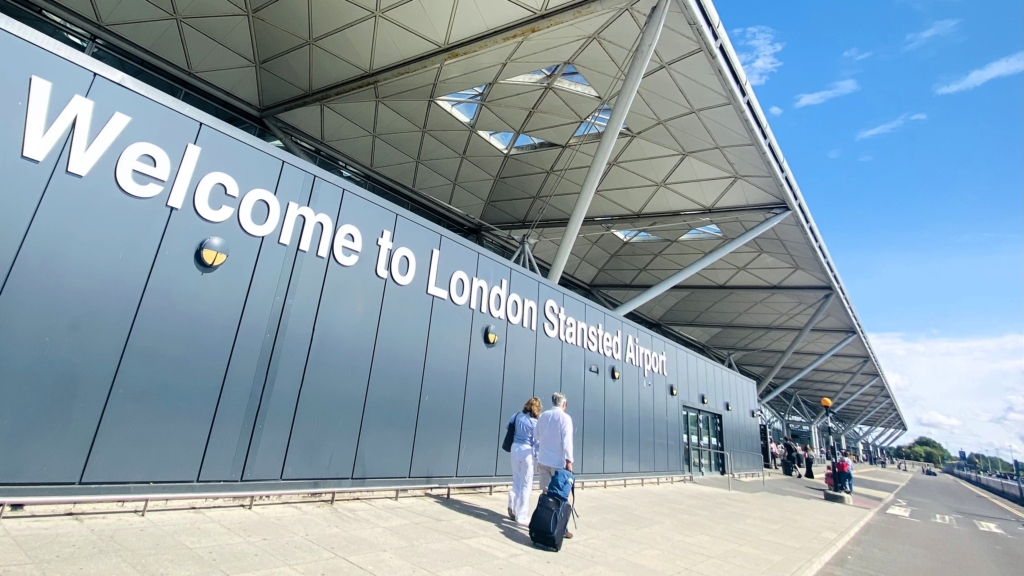
London Stansted (STN) scored 53% overall, while London Gatwick (LGW) North Terminal (57%) and London Gatwick South Terminal (55%) all recorded common themes in comments by passengers, including poor customer service and lack of seating. All London airports, except London City, scored just one star for prices in shops and food outlets.
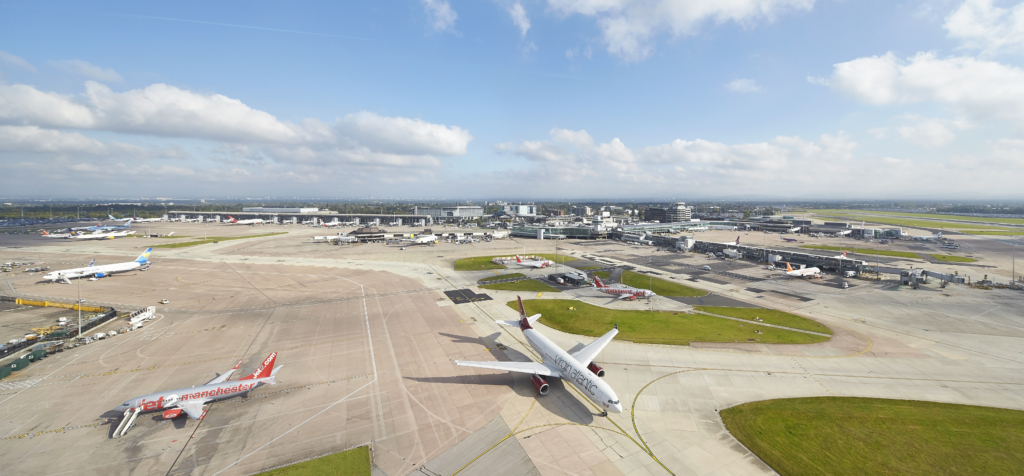
Manchester Airport Terminal 3 finished last for the fourth year in a row, with a customer score of 43%. The terminal received just one star for security queues, seating, prices of goods in shops, and food outlets, as well as the range and quality of shops and food outlets.
Meanwhile, Manchester Terminal 1, which is scheduled for closure this year, was the second-lowest-scoring UK airport, managing just 47%.
While this terminal also only managed a one-star rating for security queues and price in its shops and food outlets, it managed two out of a possible five in the other categories.
Manchester Terminal 2 managed a customer score of 53% but feedback from passengers overall was less negative. Reflecting a three-star rating in multiple categories covering queues and wait times, one passenger praised the terminal for “little queuing,” and another praised the “good facilities before a long-haul flight.”
Similar to Terminals 1 and 3, Terminal 2 was given only one star for the prices in its shops and eateries.
Annual scores and rankings – the airports respond
“I am proud that Manchester Airport is serving more passengers than ever before, connecting 31 million people a year to more than 200 destinations – dozens of which you cannot fly to from anywhere else outside London,” commented Manchester Airport Managing Director Chris Woodroofe.
“Through our historic £1.3bn transformation programme, we have created a world-class and award-winning Terminal 2. We have also announced plans to invest significantly in Terminal 3 – starting this year.”
“I am also proud to say customer satisfaction has increased significantly over the past four years. We know how customers feel about their experience because we ask hundreds of them every week about it. “
Between January and June this year, 91% of 3,045 people surveyed told us their experience was good, very good, or excellent.”
“That is how I know this latest outdated and unrepresentative report from Which? bears no resemblance to the experience people receive at Manchester Airport day in, day out.
The most disappointing thing about Which’s continued pursuit of headlines over robust consumer advice is the disservice it does to the hard work and dedication of our thousands of colleagues – and those of our partner organisations.”
Meanwhile, a spokesperson for London Gatwick responded to the survey by stating, “With flights departing or arriving every 55 seconds, London Gatwick is proud to be the world’s most efficient single-runway airport.”
“In the first half of 2025, passengers received great service, as the airport significantly improved its on-time performance, following excellent collaboration with airline partners and National Air Traffic Services (NATS). “
“London Gatwick also hit 100% of its agreed service metrics, getting passengers through security in five minutes or less 98% of the time, following a £60m investment to become fully compliant with the Department for Transport mandate to install next-generation security screening technology.”
“A £7m investment to refurbish the South Terminal and enhance the departure lounge experience for passengers is nearing completion. In 2024, a full refurbishment of the North Terminal departure lounge concluded with new flooring, more seating with different areas to suit varying passenger requirements, better sightlines to shops and restaurants, and other features to improve the passenger experience.”
A London Heathrow spokesperson added, “Which? has relied on unrepresentatively small sample sizes and recollections to assess an industry that already collects vast amounts of data daily, all verified and published by an independent regulator, the Civil Aviation Authority.”
“We have just delivered our busiest ever summer as Europe’s most punctual hub airport, with 94% of passengers telling us they experienced a good or excellent journey. More than 96% of passengers wait less than five minutes for security, giving ample time to enjoy our award-winning range of retail and dining options across the terminals.”
Adding to the responses from the airports, a representative for London Stansted Airport told Which?, “London Stansted is proud to have welcomed a record-breaking 30 million passengers to the airport in the last year, driven by the great value and reliable service on offer, and convenient access to over 200 destinations across Europe and beyond.”
“To keep pace with our continued growth, we have kicked off a five-year £1.2bn investment programme to transform the airport, delivering wide-ranging benefits to passengers and helping secure links to even more global destinations.”
“While we have significantly increased passenger numbers and added new destinations, we also saw an increase in customer satisfaction levels. We survey hundreds of passengers every week, with more than 91% rating their experience as good, very good, or excellent so far this year.”
“We have also delivered a strong and consistent security performance for our passengers this summer, with at least 95% passing safely through security in less than 15 minutes each month.”
Why airports should care about the results
While the airports themselves may be quick to dismiss the Which report’s findings and cite the relatively low sample size, airlines themselves will likely take far more notice of the results.
Competition among airlines remains fierce. This is particularly true where airports are located geographically near each other (Manchester and Liverpool, Birmingham and East Midlands, Belfast City and Belfast International, Southampton and Bournemouth, as well as the multiple airports serving the London area), all competing for the same passenger pool.
The passenger experience can have a huge influence on which airports consumers want to use (or avoid) in the future and can affect which airports airlines will choose to invest in with more based aircraft and more routes on offer.
More popular airports for passengers are likely to translate into more airlines serving that airport. With that comes more passengers through the facility and ultimately more revenue for the airport owner/operator.
As Rory Boland, Editor of Which? Travel puts it, “While some airports show that the few hours before your flight can be an enjoyable start to a holiday, others are an endurance test as passengers feel more like cattle herded from expensive shops to overpriced bars and restaurants, as well as dealing with long queues and dirty toilets.
“Next time you’re booking a flight, it’s well worth considering not just your choice of airline but also your airport – it could make all the difference to the start of your getaway and maybe even get that holiday feeling started a little sooner.”