Meet the UAVs used at the US Department of War’s ‘drone school’

January 1, 2026
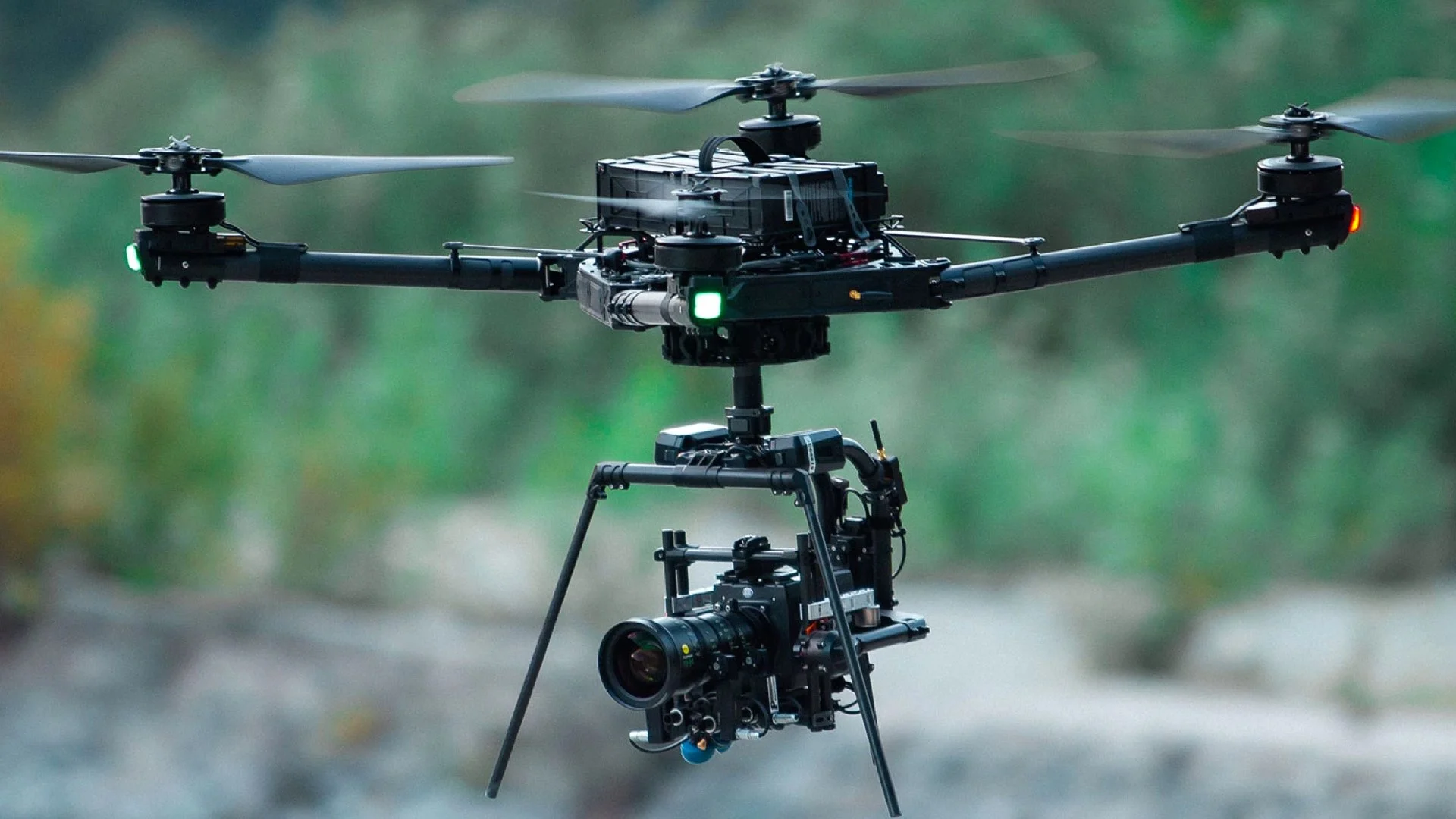
The US Department of War (DoW) runs the Joint Counter-Small Unmanned Aircraft Systems University (JCU) at Fort Sill, Oklahoma. The institution provides drone training to DoW service members, enabling them to detect, identify, and counter adversary systems.
From quadcopters to micro unmanned aerial systems (UAS), the drone school familiarises students with the ins and outs of a wide variety of drones used in defence aviation.
Students learn about 24 types of commercial UAS, including custom-built foam drones. We highlight some of the most prominent drones used at the DoW drone school.
Alta X
| Alta X | |
|---|---|
| Weight | 24 pounds (11 kg) |
| Payload | 33 lb (15 kg) |
| Flight Time | Up to 50 minutes |
| Design | Compact design with folding linkages |
The Alta X is JSU’s largest quadcopter, which is primarily used for detection. With the ability to carry up to 40 pounds (18 kg), the Alta X is quieter than any other drone at the DoW drone school. With a push of a button, the Alta X folds to half its normal size in less than 20 seconds.
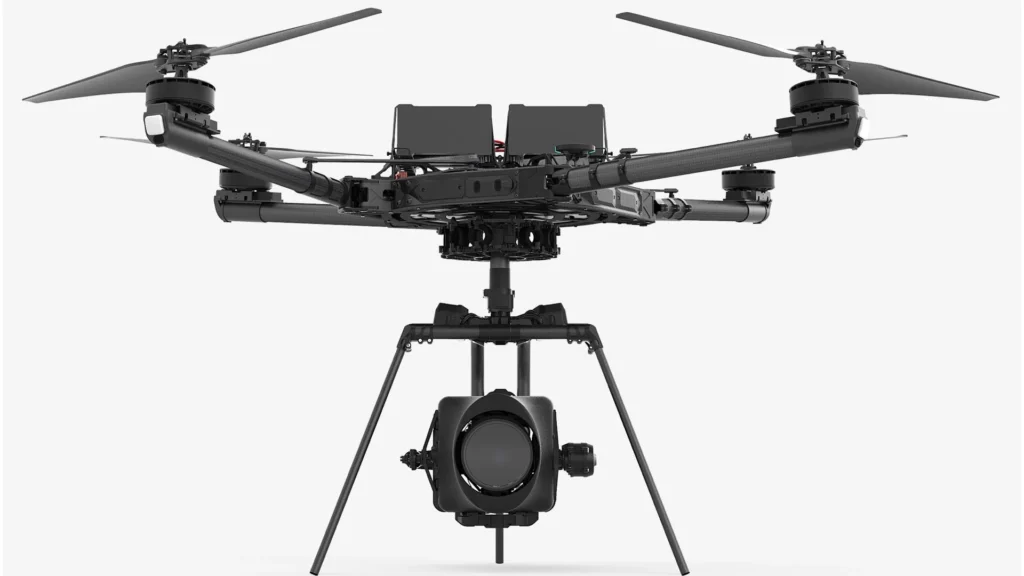
The folding linkages stiffen the booms to ensure low vibration, low noise, and precise flight characteristics. The drone is equipped with LiDAR sensors, mapping, high-speed cameras, and LED lighting for cleaner data collection.
Inspired Flight IF1200
| IF1200 | |
|---|---|
| Weight | 17 lbs (7.8 kg) |
| Payload | 19.1 lbs (8.7 kg) |
| Maximum speed | 56 mph (90 km/h) |
| Service ceiling | 12,800 ft (3,900 m) |
The IF1200 is a smaller counterpart of the Alta X, a heavy-lift electric hexacopter primarily used for detection at the DoW. Designed for repeatable and robust workflows, the drone is capable of LiDAR mapping, aerial photogrammetry, and precise inspections. The UAS has a speed of up to 70 mph (112 km/h) and can lift up to 19.1 pounds (8.7 kg).
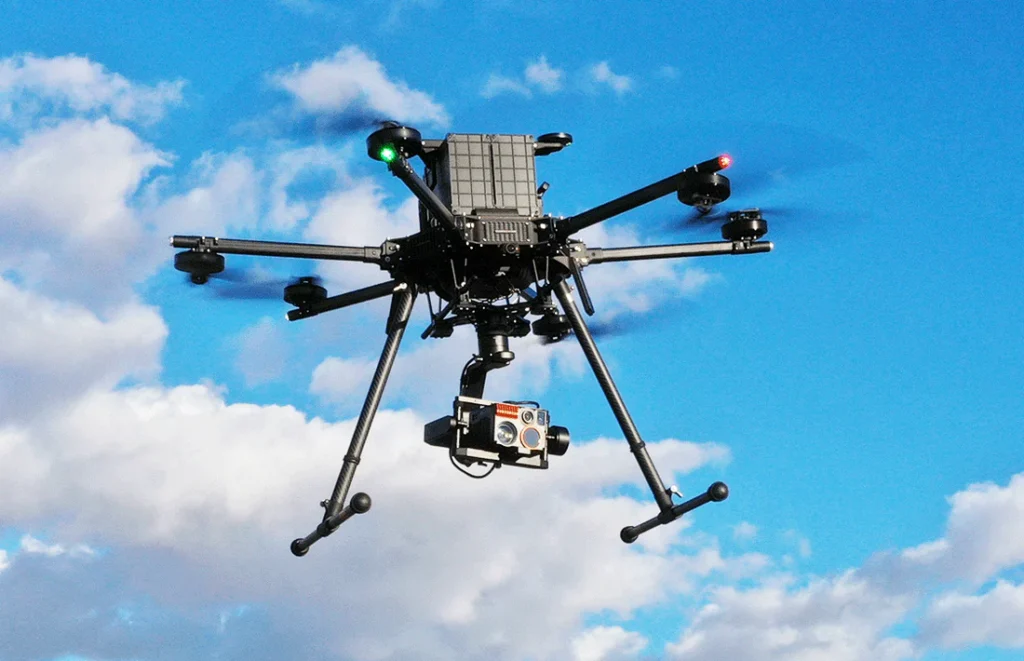
With the ability to withstand 23 knots of wind, the IF1200 can stay in the air for up to 43 minutes. Whether it is surveillance or emergency response missions, the IF1200 enables mission readiness while ensuring safety and operational efficiency. The Air Boss at JCU, Jacob Cameron, states,
“That drone can do flips. You think it’d be slow and clunky, but that is probably the fastest hexacopter drone that we have, and it’s the most capable.”
The Black Hornet
| The Black Hornet | |
|---|---|
| Weight | 70 grams |
| Size | Small enough to fit in a hand |
| Noise | Extremely quiet, ideal for close-range surveillance |
| Imaging | 12MP cameras and high-res thermal imagers |
| Operability | Withstand winds up to 25 knots |
| Launch time | Under 20 seconds |
The Black Hornet is a nano-sized combat drone used for battlefield intelligence, surveillance, and reconnaissance (ISR). The drone weighs only 70 grams and features a high-resolution camera and thermal imaging system.
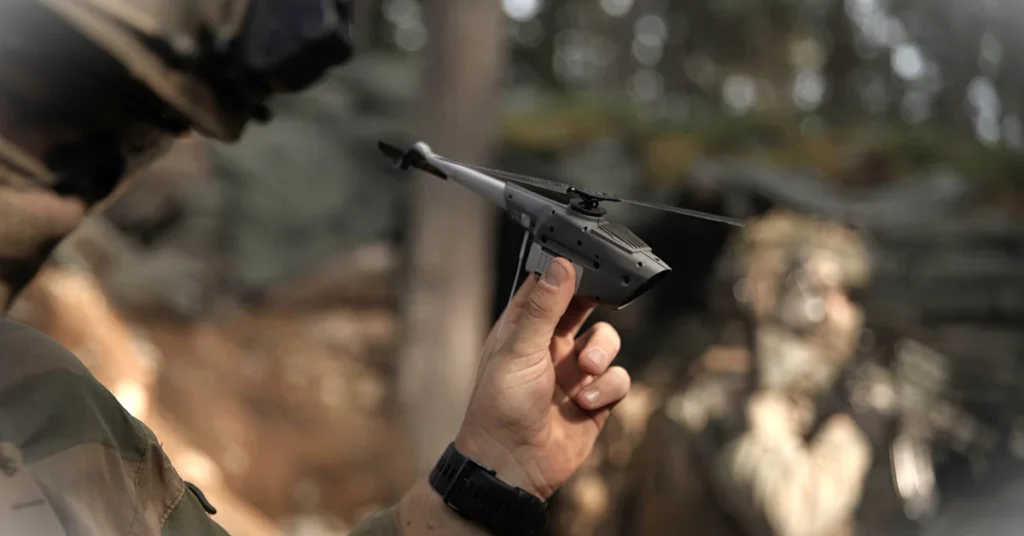
The drone offers virtually silent flights with a low flight signature. The all-weather tactical-awareness drone is developed under the Special Operations Command and can be used inside buildings for surveillance and hostage rescues. The drone can be operated in GPS and communications-denied environments.
R80D SkyRaider
| R80D SkyRaider | |
|---|---|
| Portability | Backpack fitted, having single-operator deployment |
| Payloads | Up to 7.7 lbs (3.5 kg) |
| Equipment | E0/IR optics, chemical/biological detectors, radios, etc |
| Operation | All-weather operations |
| ISR Capability | Long-distance target detection and identification |
Developed exclusively for DoW by Teledyne FLIR, the R80D SkyRaider is a tactical quadcopter used for reconnaissance and chemical detection missions. The portable UAS features a vertical takeoff and landing (VTOL) capability, ensuring efficiency and agility during complex missions.
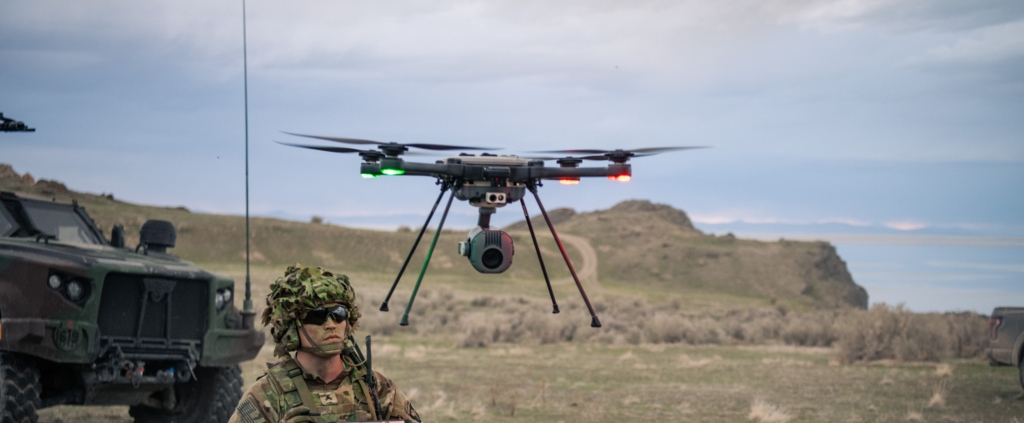
Capable of lifting loads of up to 7.7 pounds (3.5 kg), it utilises one of the fastest artificial intelligence computing devices. The system is based on an open architecture, allowing enhanced customisation and future adaptability. The drone can be operated in GPS and communications-denied environments.
WingtraOne Gen II
| WingtraOne Gen II | |
|---|---|
| Takeoff Weight | 10.6 lbs (10.6 kg) |
| Maximum Speed | 36 mph |
| Flight time | Up to 59 minutes |
| Payload | 1.8 lbs (800 g) |
| Altitude | 8,200 ft (2,500 m) |
The WingtraOne Gen II is a fixed-wing VTOL drone used for mapping and surveillance. With multiple cameras and a LiDAR (Light Detection and Ranging) system, it is one of the fastest drones of its kind.
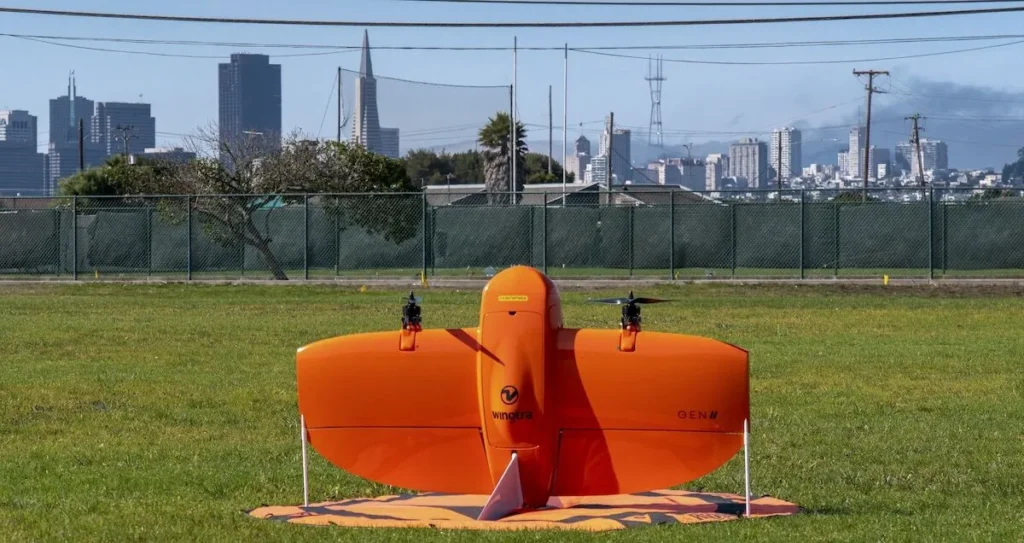
The drone has a flight speed of 36 mph (58 km/h) and can fly at up to 8,200 ft (2,500 m) altitude. By creating precise 3D mapping, the WingtraOne Gen II delivers consistent, professional results with high-end sensors.
Vesper
| Vesper | |
|---|---|
| Camera | 2x low light EO + IR, 320p thermal, 48x zoom, 3-axis stabilized gimbal |
| Flight | 50-minute flight time, 45 mph top speed, 28 mi flight range, inaudible at 50 m |
| Portability | 2.2 lb packed in IP64 waterproof and crush-proof case |
| Security | AES-256 encryption, secure boot, NDAA compliant |
Vesper is an extremely lightweight quadcopter that offers ISR capabilities. The portable drone has a top speed of 45 mph (72 km/h) and can fly for approximately 50 minutes.
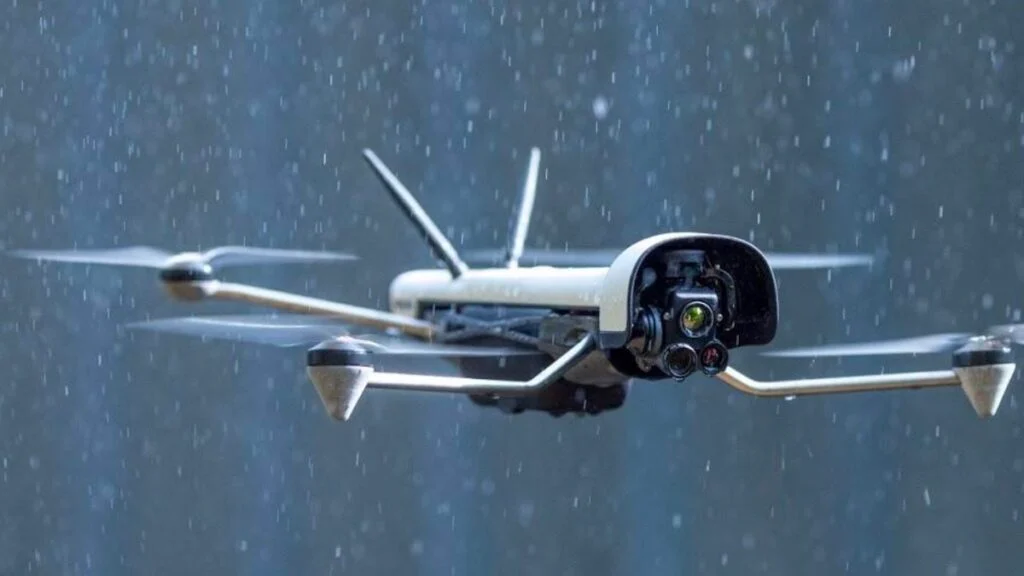
The drone has an unmatched low-light performance and a 3-axis stabilised tri-sensor payload. Vesper has a modular design that allows greater operational flexibility, particularly for mission-critical operations.
Opterra
| Opterra | |
|---|---|
| Weight | 4.2 lbs (1.9 kg) |
| Length | 40.8 inches |
| Equipment | Up to three camera mounting stations |
| Imaging | Go pro camera, FPV camera, video headset and transmitter |
Opterra is a lightweight UAS that is used as a target drone. With multiple camera mounting stations (in the nose and belly), the drone has a very small air signature.
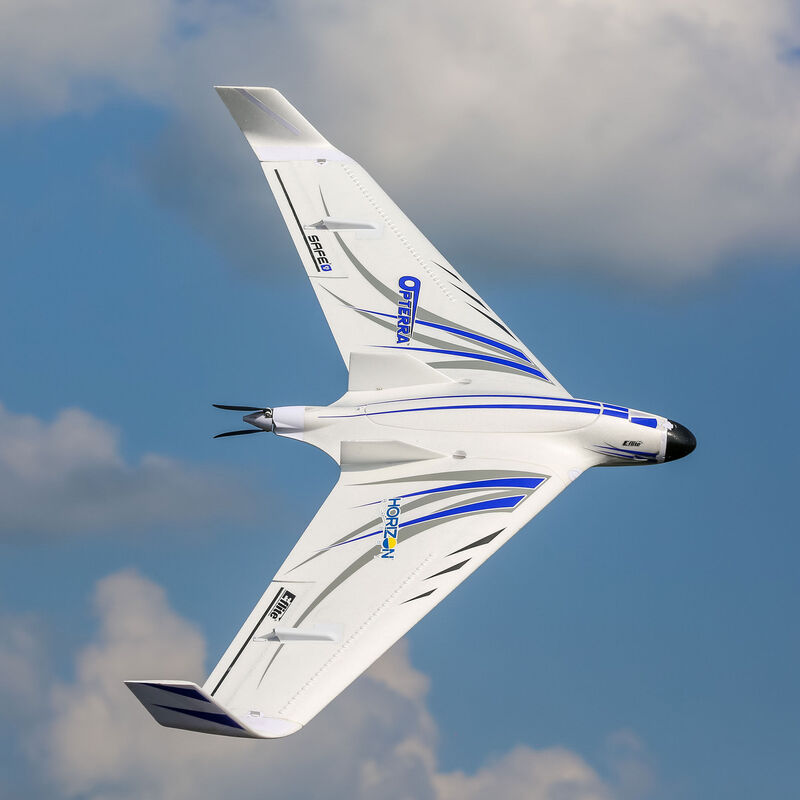
It complements multiple 3D printed target drones at JCU, enabling high-resolution target capturing. The plug-in wing sections allow for easy assembly and disassembly, making it highly portable.
Featured Image: Freefly Systems