TSA will charge $45 fee to travellers without a REAL ID from 2026

December 2, 2025
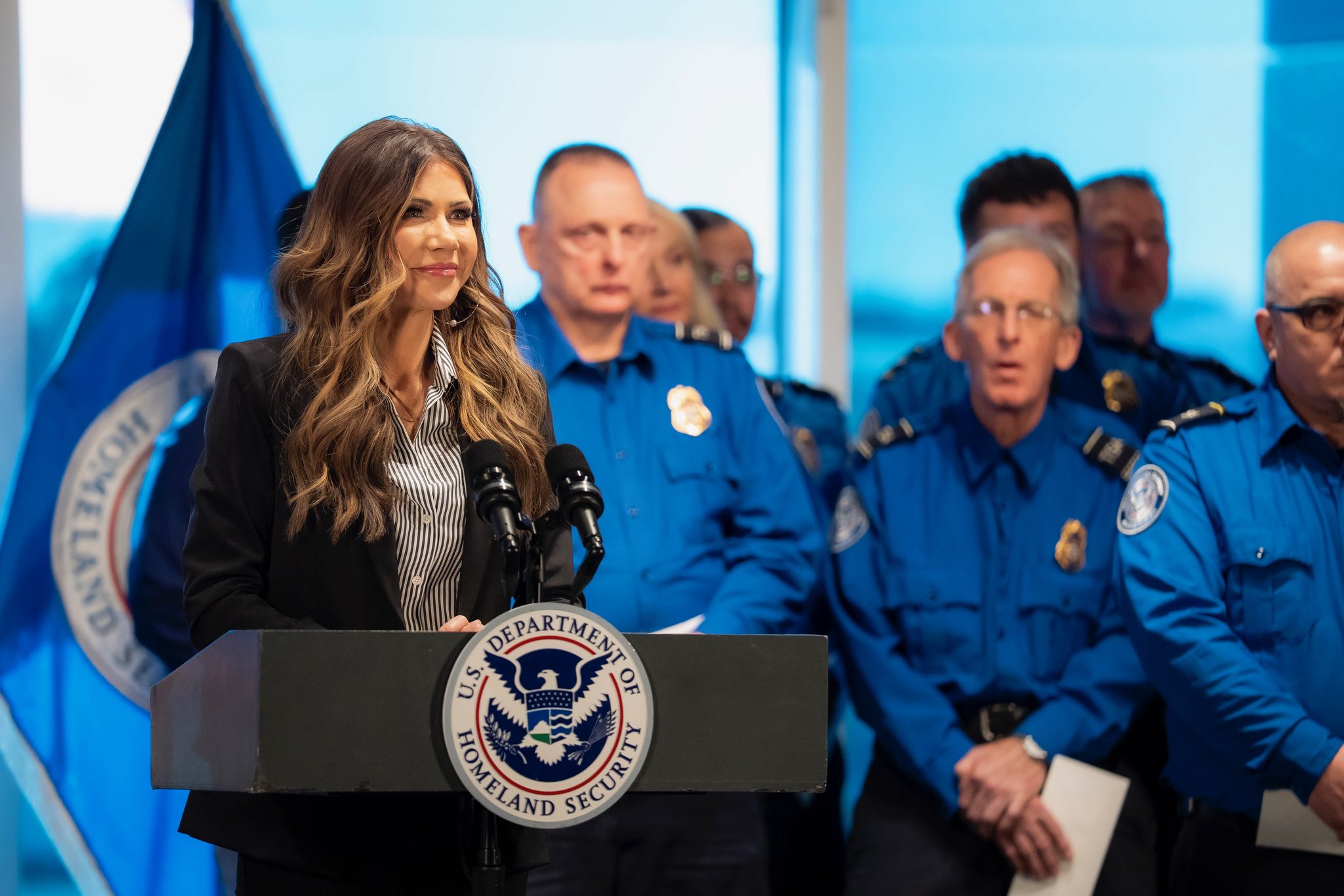
The US Transportation Security Administration (TSA) will begin charging airline passengers a $45 fee to confirm their identity if they show up at the airport without a REAL ID or another acceptable form of identification. The agency announced the new fee on December 1.
Traveling and don’t have a REAL ID or another acceptable form of ID? You’ll want to get yours soon. Starting on Feb. 1, 2026, travelers may pay a $45 fee to verify their identity through TSA Confirm. ID.
— TSA (@TSA) December 1, 2025
Learn more: https://t.co/8RMsLuqyB7 pic.twitter.com/9ExDjh5GFS
The fee will apply starting February 1, 2026, marking the strictest enforcement phase yet of the long-delayed REAL ID Act.
The TSA REAL ID fee is a sharp increase from the initial proposal
The TSA initially posted a notice in the Federal Register on November 20, setting the fee at $18, but later raised it to $45 to cover the costs of its new identity-verification system for non-compliant travellers.
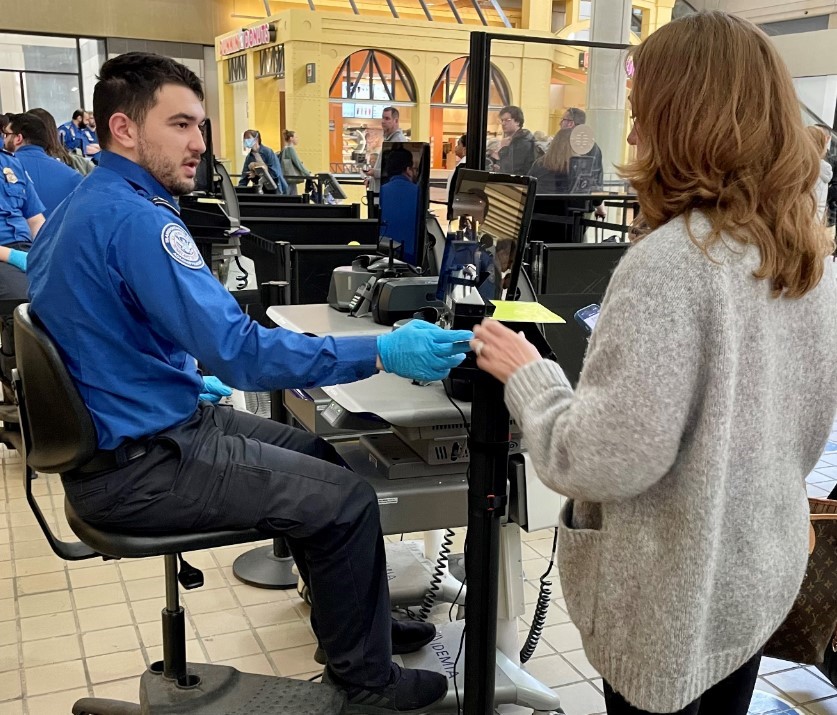
“Identity verification is essential to traveller safety, because it keeps terrorists, criminals, and illegal aliens out of the skies and other domestic transportation systems such as rail,” said Senior Official Performing the Duties of Deputy Administrator for TSA Adam Stahl in the TSA’s announcement.
“The vast majority of travellers present acceptable identification like REAL IDs and passports, but we must ensure everyone who flies is who they say they are. Beginning February 1, travellers who do not present an acceptable form of ID at our security checkpoints and still want to fly can pay a $45 fee and undergo the TSA Confirm.ID process.
“This fee ensures the cost to cover verification of an insufficient ID will come from the traveller, not the taxpayer. The security of the travelling public is our top priority, so we urge all travellers to get a REAL ID or other acceptable form of ID as soon as possible to avoid delays and potentially miss flights.”
What happens if a traveller lacks a REAL ID
Passengers who do not present a REAL ID-compliant licence or another approved credential will be directed into a secondary process that uses TSA’s Confirm.ID system.
Passengers can pay the $45 fee online in advance or at the airport. The TSA recommends that all travellers without a REAL ID pay the fee online. Passengers who arrive at the airport without pre-paying will find information about how to pay for Confirm.ID service “at marked locations near the security checkpoint in most airports,” according to the TSA.
The Confirm.ID fee covers only a 10-day window, allowing a round-trip within that period. Passengers who set off on longer journeys without a REAL ID or other compliant identification will need to pay the fee again. Verification is required every time a traveller flies without a REAL ID outside the 10-day window.
The TSA gives no guarantee of clearance, and the fee is non-refundable if the TSA cannot verify the traveller’s identity. According to the TSA, travellers requiring TSA Confirm.ID processing at the airport “should expect delays.”
REAL ID enforcement ramps up
REAL ID standards trace back to legislation passed in 2005, but implementation has been repeatedly delayed due to slow state-level rollout and concerns over public readiness. As the TSA states, “The REAL ID law was signed more than 20 years ago, but previous presidential administrations failed to properly implement it. Under President Trump’s leadership, the law was finally implemented and enforced by Secretary Kristi Noem as of May 7, 2025.”
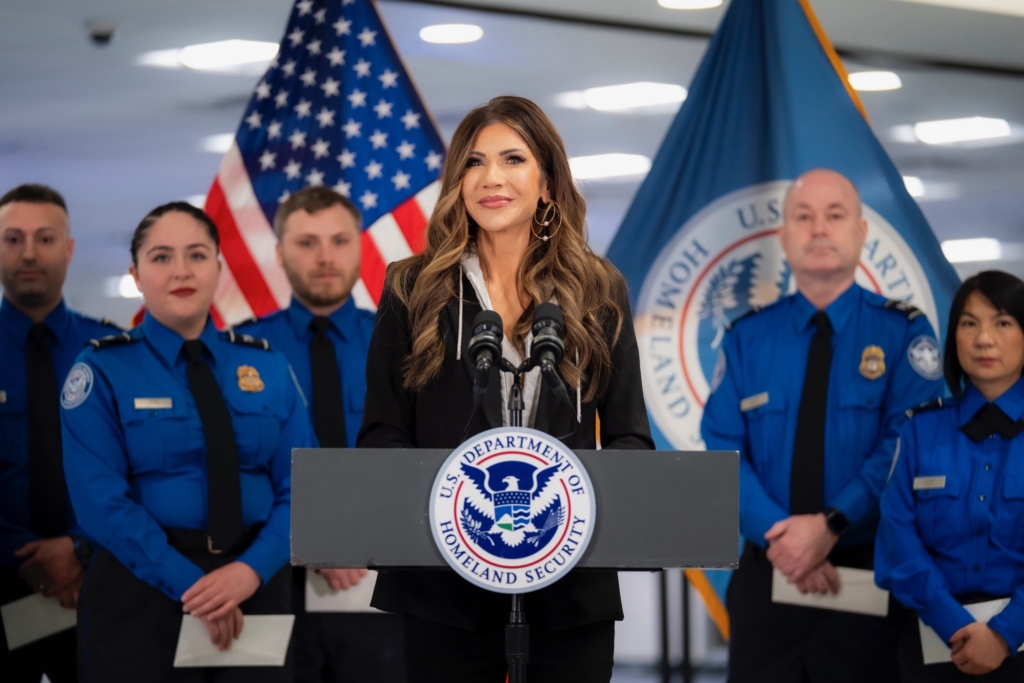
Despite early challenges, the TSA indicates that 94% of US air travellers already use REAL ID-compliant identification or an alternative such as a passport.
The new fee is meant to accelerate the remaining portion of the population into compliance ahead of full enforcement in 2026.
The TSA lists other acceptable forms of identification for those without a REAL ID:
- State-issued Enhanced Driver’s License (EDL) or Enhanced ID (EID)
- US passport or US passport card
- DHS trusted traveller cards (Global Entry, NEXUS, SENTRI, FAST)
- US Department of Defence ID, including IDs issued to dependents
- Permanent resident card
- Border crossing card
- An acceptable photo ID issued by a federally recognised Tribal Nation/Indian Tribe, including Enhanced Tribal Cards (ETCs)
- HSPD-12 PIV card
- Foreign government-issued passport
- Canadian provincial driver’s license or Indian and Northern Affairs Canada card
- Transportation Worker Identification Credential (TWIC)
- US Citizenship and Immigration Services Employment Authorisation Card (I-766)
- US Merchant Mariner Credential
- Veteran Health Identification Card (VHIC)
How to fly with the new TSA REAL ID requirement
The new TSA fee will likely impact occasional travellers, who may not realise their state ID is non-compliant. Low-income passengers may face barriers to obtaining or updating their REAL IDs—fees vary by state, and some add a separate charge on top of the standard identity renewal fee. Older travellers, many of whom rely on legacy state IDs, may also face extra hurdles, making air travel less convenient. Last-minute fliers may discover the issue only at the checkpoint, causing processing delays.
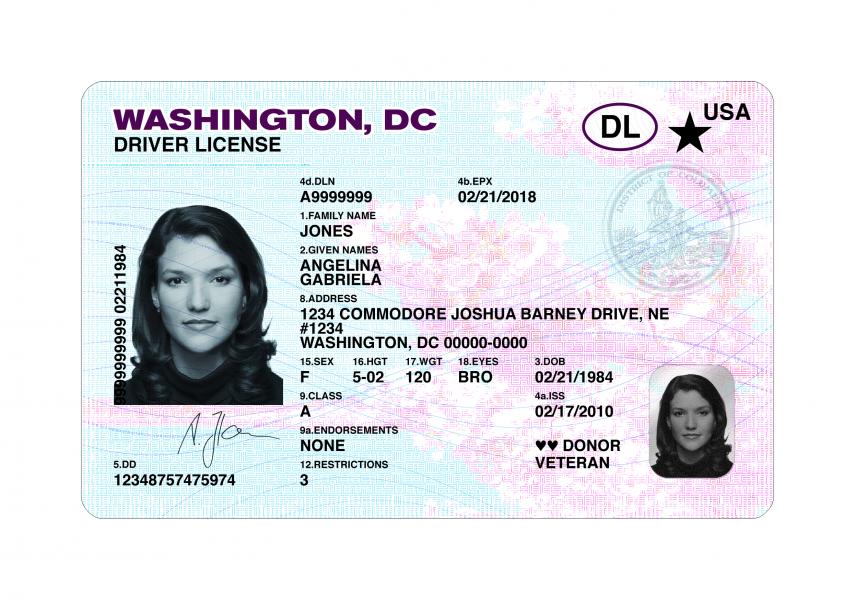
To avoid the new charge, passengers flying domestically after Feb. 1, 2026, should:
- Check their state-issued ID for the REAL ID star or equivalent marking (these vary by state).
- Apply early for a REAL ID to avoid appointment backlogs.
- Use a passport, which remains valid for airport screening.
- Use another acceptable form of ID if available.
The fee is intended to advance the federal government’s two-decade-long effort to standardise identification requirements across all US states and territories for aviation security. But, for travellers, flying without REAL ID after 2026 will be both slower and more expensive.
Featured Image: TSA