FAA takes first major step towards modernising US air traffic control with radar upgrades

January 7, 2026
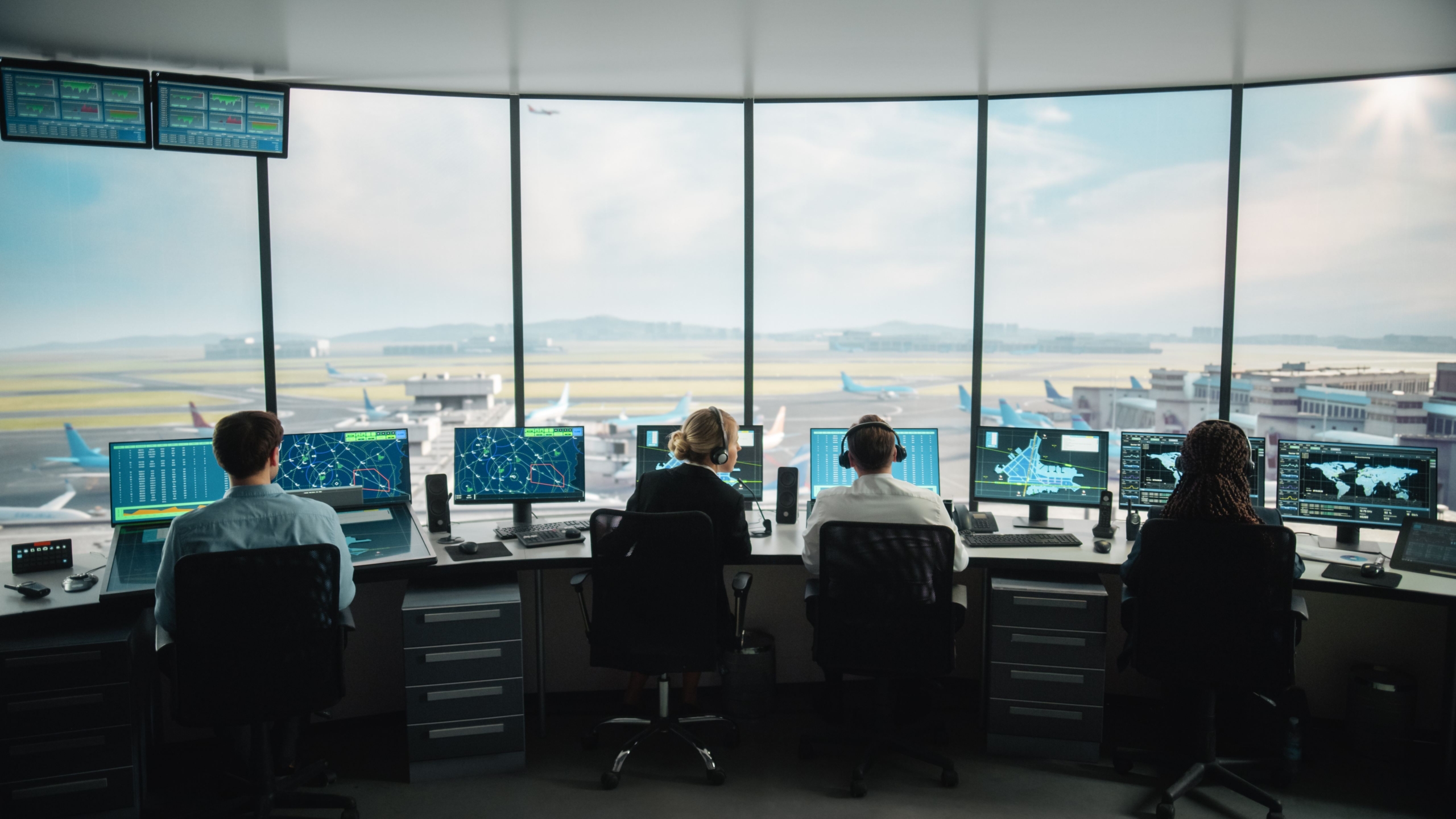
The US Federal Aviation Administration has confirmed plans to replace a large proportion of its ageing radar infrastructure, awarding contracts to RTX and Indra as part of a broader effort to modernise the country’s air traffic control system.
The announcement, made in Washington on 5 January by transportation secretary Sean Duffy and FAA administrator Bryan Bedford, covers the replacement of up to 612 ground-based radars that form a critical element of the National Airspace System (NAS).
Many of the existing systems entered service in the 1980s and are approaching, or have exceeded, their intended operational life.
The FAA says the radar programme is intended to improve system reliability, reduce long-term maintenance costs and provide a more consistent technical baseline across US airspace.
Initial replacements are expected to begin in the first quarter of this year, with completion targeted for June 2028.
Ageing air traffic control infrastructure under growing strain
Despite handling some of the highest volumes of air traffic globally, the US air traffic control network continues to rely on surveillance and communications equipment designed decades ago.
FAA officials have repeatedly warned that maintaining this legacy technology has become increasingly complex, with spare parts harder to source and support costs rising each year.

According to the agency, many radar units are now well beyond their original design life, creating operational risks that are becoming harder to mitigate. The current network also comprises 14 different radar configurations, adding to logistical and training burdens across the system.
By consolidating these variants into a smaller number of modern, standardised systems, the FAA is aiming to simplify maintenance and improve long-term sustainability. High-traffic areas will be prioritised during the rollout.
RTX and Indra contracted for new ATC radars
RTX and Indra were selected to supply the new surveillance radars, which the FAA describes as commercially available systems adapted for national airspace requirements.
While detailed technical specifications have not been disclosed, the agency says the equipment will provide improved performance and be easier to support over its service life.

The contracts are funded through the ‘One Big Beautiful Bill’, legislation that underpins the Trump administration’s air traffic control modernisation agenda.
FAA leadership has placed particular emphasis on the role of domestic production, citing the strategic importance of maintaining US-based manufacturing capability for critical infrastructure.
Indra will manufacture its radar systems in the United States, while RTX’s Collins Aerospace business has a long-established industrial footprint supporting FAA programmes.
The big US air traffic control overhail
The radar replacement programme is one element of a broader effort to modernise the US air traffic control system, much of which still relies on decades-old infrastructure.
Alongside surveillance upgrades, the Federal Aviation Administration is replacing ageing copper-based communications networks with fibre and rolling out digital voice switching systems to improve reliability and resilience across towers, TRACONs and en-route centres.
Automation upgrades are also underway to modernise flight data processing and traffic flow management, supporting greater use of real-time data and trajectory-based operations.

At airports, the overhaul includes expanded deployment of surface surveillance systems to improve situational awareness and reduce runway incursion risk. In December, the FAA appointed Peraton as prime integrator to coordinate these parallel efforts and avoid the fragmented modernisation that has hampered previous programmes.
Together, the radar replacements represent an early but foundational step in addressing near-term reliability risks while enabling later phases of the air traffic control overhaul.
How the new radars begin to improve US ATC
The radar upgrade is expected to address persistent concerns about reliability and maintainability within the NAS.
While the FAA continues to describe US airspace as safe, periodic outages and equipment failures in recent years have highlighted vulnerabilities associated with ageing infrastructure.
“While our air travel system is the safest in the world, most of our radars date back to the 1980s. It’s unacceptable,” said Duffy.
“Our radar network is outdated and long overdue for replacement. Many of the units have exceeded their intended service life, making them increasingly expensive to maintain and difficult to support,” added Bedford.
“We are buying radar systems that will bring production back to the US and provide a vital surveillance backbone to the National Airspace System.”
Featured image: Gorodenkoff / stock.adobe.com