Travelling to Europe for half term? Here’s what you need to know about the new border controls

February 6, 2026
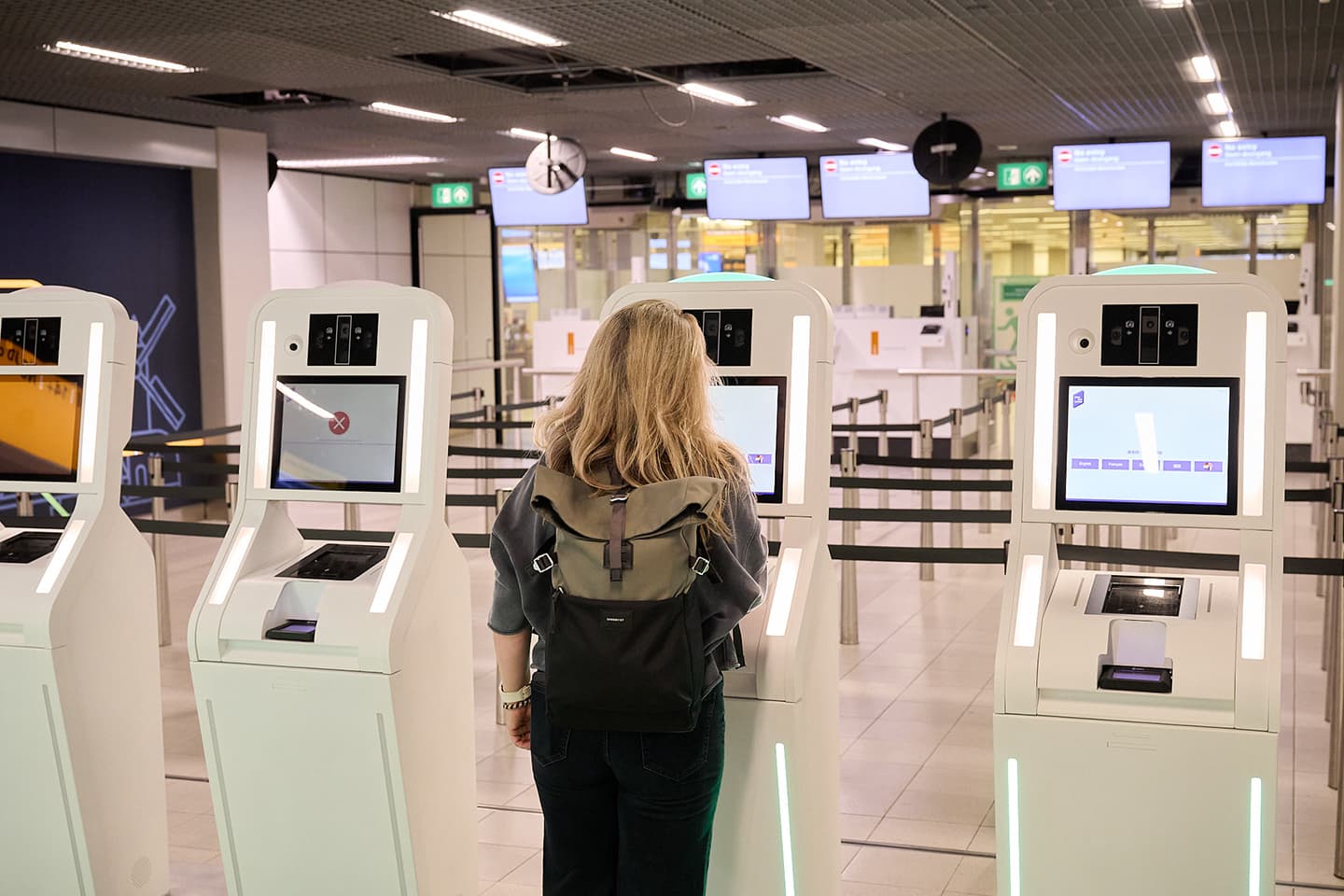
British families heading to Europe for the upcoming half-term break face a major change at the border: the EU’s new Entry/Exit System (EES).
Designed to modernise border checks through biometrics, the rollout has resulted in longer queues at airports in popular destinations. Due to concerns about summer travel disruptions, the European Commission has updated its requirements to ease congestion.
Below is a clear guide to what the system is, when it applies, and how it could affect UK travellers in 2026.
What is the EES?
The Entry/Exit System is the EU’s new biometric digital border system for non-EU nationals entering and leaving the Schengen area, including UK passport holders. It replaces passport stamps by electronically recording facial images, fingerprints, and travel dates at kiosks during the first visit, with identity verification required on subsequent trips.
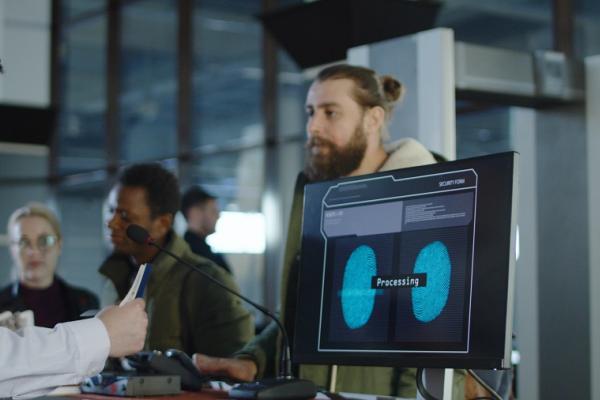
Instead of passport stamps, travellers must:
- Scan their passport
- Provide fingerprints and a facial image
- Have entry and exit dates stored electronically
Registration is typically valid for three years, or until the passport expires, so subsequent trips should be faster once initial enrolment is complete.
The system covers 29 Schengen-area countries but not Ireland or Cyprus.
The EES is intended to strengthen border security, detect overstays, and eventually speed up crossings once travellers are enrolled. It began a phased rollout in October 2025 and was initially scheduled for full deployment by April 10, 2026.
Airports warned of significant travel disruption
In December, Airports Council International (ACI) Europe warned that the registration and biometric data capture process for travellers entering the Schengen area had “led to border control processing times at airports increasing by up to 70%, with waiting times of up to 3 hours during peak traffic periods.”
The airports group reported a significant impact on the passenger experience at airports in multiple popular holiday destinations, including France, Germany, Greece, Iceland, Italy, Portugal and Spain.
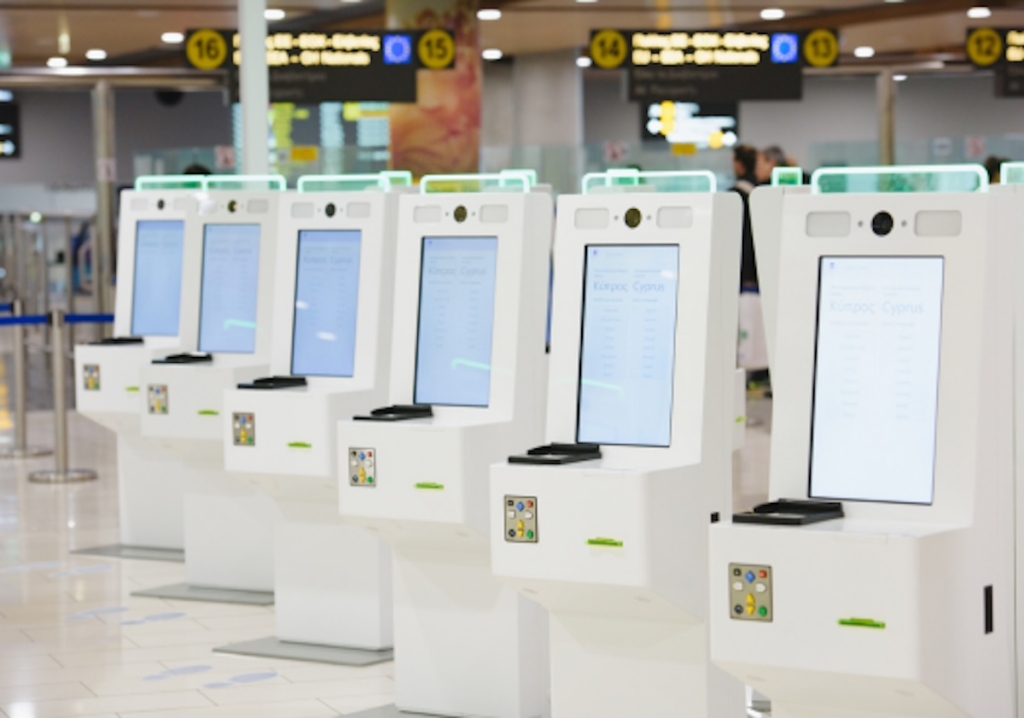
ACI attributed risks of travel delays and congestion at border crossings to complications in the deployment of the EES, including:
- Regular EES system outages affected the process’s predictability.
- Unavailability or partial deployment of self-service kiosks used by travellers for registration and biometric data capture in the EES.
- Unavailability of automated border control gates for EES processing at many airports.
- The lack of an EES pre-registration app places the entire registration burden on the airport.
- An insufficient number of border guards were deployed at airports due to staffing shortages within the authorities.
“Significant discomfort is already being inflicted upon travellers, and airport operations are impacted with the current threshold for registering third country nationals set at only 10%,” Olivier Jankovec, Director General of ACI EUROPE, said.
“Unless all the operational issues we are raising today are fully resolved within the coming weeks, increasing this registration threshold to 35% as of 9 January — as required by the EES implementation calendar — will inevitably result in much more severe congestion and systemic disruption for airports and airlines. This will possibly involve serious safety hazards.”
Jankovec warned that “the EES cannot be about mayhem for travellers and chaos at our airports” and that the European Commission and Schengen Member states would need to “allow additional flexibility.”
EES rollout gets flexibility to ease summer travel
The European Commission heeded advice from travel groups and has taken steps to ease congestion. Member states are still required to implement EES technology at all border crossings and to register all third-country nationals entering the country by April 10, 2026.
However, they can partially suspend EES operations after this date, if necessary, for up to 90 days, with the option to extend by an additional 60 days to cover the summer peak.

“Rolling out such a large-scale system is a complex task,” Euronews quoted European Commission spokesperson Markus Lammert as saying during a press briefing in late January. “By extending the flexibility for the summer period, we give Member States the tools necessary to manage potential problems and, most importantly, avoid summer travel chaos.”
What UK travellers should expect in 2026
1) First-time biometric enrolment
UK visitors must provide fingerprints and a facial image at their first EES-enabled crossing as required
2) Uneven rollout and continued queues
Only 35% of European ports were active by early 2026, so travellers may encounter mixed procedures and delays during the transition.
3) Possible summer suspensions
Countries may temporarily pause EES checks to manage congestion, so border control may still involve passport stamping in some destinations this summer.

The EES delay also pushes back the EU’s ETIAS visa-waiver system—expected to cost about €20—and now likely to arrive in late 2026.
Travellers should prepare for EES implementation with fewer disruptions
The bottom line is that Europe’s biometric border checks are being implemented gradually, not all at once.
- Queues and disruption remain possible, especially during busy periods.
- Full implementation is now expected after summer 2026, with flexibility built in to prevent travel disruption.
For UK families travelling this half term, the practical advice is simple: arrive early, allow extra time at border control, and be ready for biometric registration as required.
Europe’s borders are changing, even if the timeline keeps shifting.
Featured Image: Amsterdam Schiphol Airport



![NASA's X-59 Quesst [registration N859NA '859'] is seen in-flight over California during the experimental supersonic aircraft's brief second test sortie on 21 March 2026. Image: NASA/Jim Ross](https://aerospaceglobalnews.com/wp-content/uploads/2026/03/X-59-Second-Flight-21-03-26-NASA-Jim-Ross-crop-scaled-640x0-c-default.jpg)