Top 5 travel trends for 2026 and what they mean for airlines

December 9, 2025

Amadeus has released its Travel Trends 2026 report, produced with forecasting agency Globetrender, which highlights six macro-shifts that will shape how people travel in the coming year.
While the trends include hospitality and rail, many are aligned with—and, in some cases, powered by—significant developments in commercial aviation.
“From new pet travel technology to AI-powered trip planning, long‑range narrow‑body jets, pop culture‑inspired pilgrimages, and hyper-personalised hotel stays, a wave of innovation is reshaping travel,” said Dan Batchelor, Senior Vice President, Global Corporate Marketing and Communications, Amadeus, in the report.
“Our pets are travelling with greater dignity, travellers are blending machine intelligence with human instinct, aircraft are shrinking global distances, entertainment franchises are inspiring new forms of belonging, and hotels are offering guests the power to design every detail of their stay. Together, these shifts signal a transformative new era for travel.”
We examine how each of the 2026 travel trends identified by Amadeus may relate to aviation.
1. The pawprint economy: Airlines prepare for the pet boom
The global pet industry is on track to hit US$500 billion by 2030, and Amadeus reports a surge in first-time pet travel during 2025. Although the report highlights rail and hotel moves—like China Railway Express pilots and Italy’s ENAC rule changes—aviation is also becoming more pet-friendly.

Amadeus notes that SkyePets will launch trans-Pacific in-cabin pet flights between Australia and the US in 2026. Virgin Australia launched a ‘pets in cabin’ service this year, responding to passenger demand.
Not all air travel policies are pet-friendly, though. The European Union recently classified pets as baggage, limiting airlines’ liability when furry friends go astray.
2. Travel mixology: The rise of the algorithmic flight shopper
Amadeus describes ‘travel mixology’ as the act of combining multiple digital tools—Large Language Models (LLMs), social platforms, video content, and AI trip assistants—to build the perfect itinerary.
Google Flight Deals, powered by Amadeus inventory, now allows users to input a destination “vibe” rather than naming a specific destination—an early sign that flight search patterns are decoupling from geography.

AI-driven dynamic offers (NDC-enabled) from airlines like those working with Amadeus are preparing for this multi-source shopping reality. This trend is covered in the 2026 report as part of the broader shift in distribution and retail models.
LLM trip-planning, including the integration of generative AI tools, is expected to influence route choice and cabin-class selection as travellers blend machine speed with human authenticity.
The industry must keep up with travellers who hop between LLMs, Reddit, YouTube, and social video before booking. They will expect cross-platform price consistency and instant personalisation without handing over extensive personal data.
In 2026, carriers and OTAs will need to adapt legacy retail from static fare ladders into real-time, AI-assembled trip bundles.
3. Point-to-point precision: long-haul narrowbodies redraw the map, as URL widebodies cut down distance
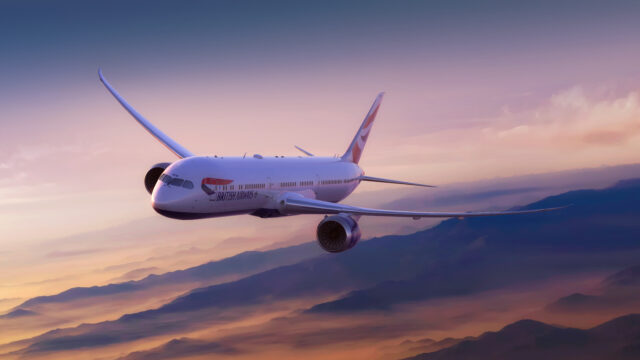
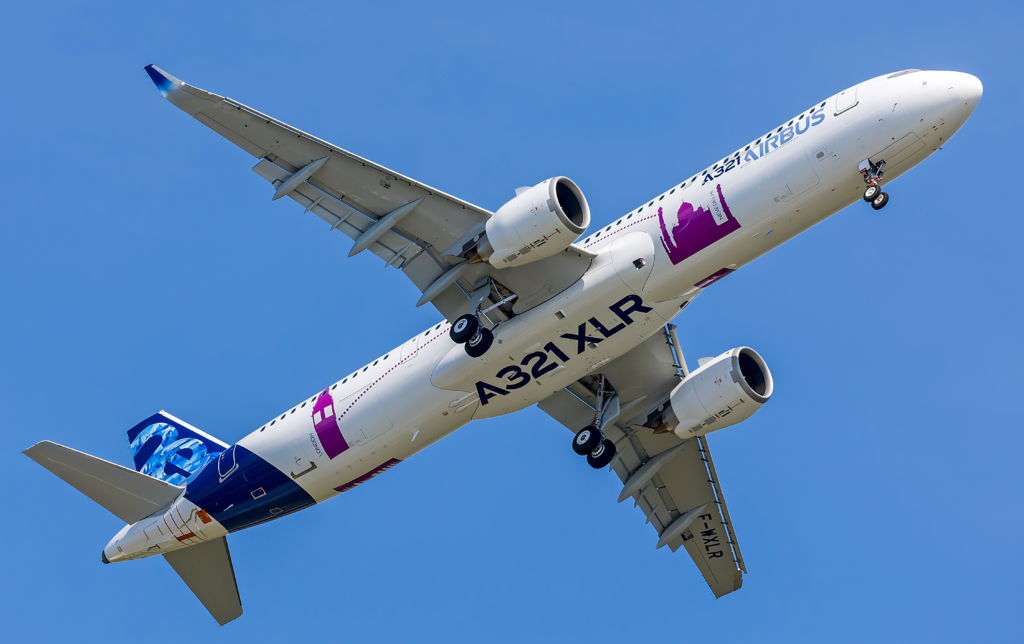
The most aviation-focused trend in the report focuses on the rise of next-generation long-range narrowbodies, notably the Airbus A321XLR. Amadeus predicts “a new dawn for air travel” in 2026 as this new aircraft class expands airlines’ global reach.
IndiGo will launch the first nonstop service between India and Athens in January 2026 using this aircraft. Air Canada will launch service to six European destinations with the A321XLR: Berlin, Dublin, Edinburgh, Palma de Mallorca, Porto and Toulouse. These non-stop flights were not feasible with previous-generation single-aisle aeroplanes.
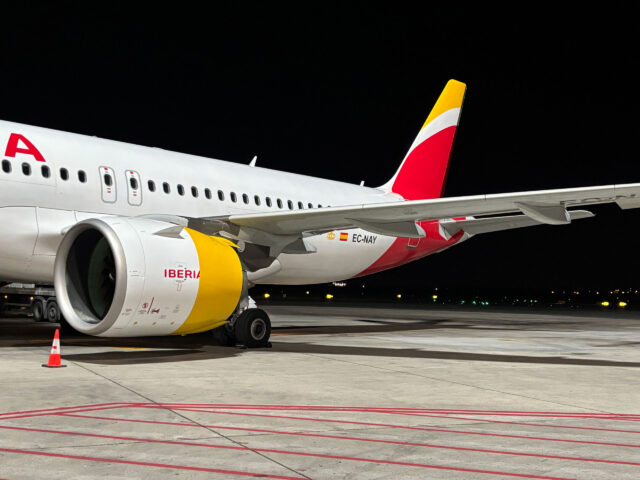
Iberia, the launch customer for the A321XLR, announced plans to use the aircraft to expand its service to secondary airports in Brazil. By early 2026, the A321XLR will operate nearly 10% of Iberia’s flights on seven long-haul routes between Madrid and the Americas, according to Amadeus Travel Intelligence.
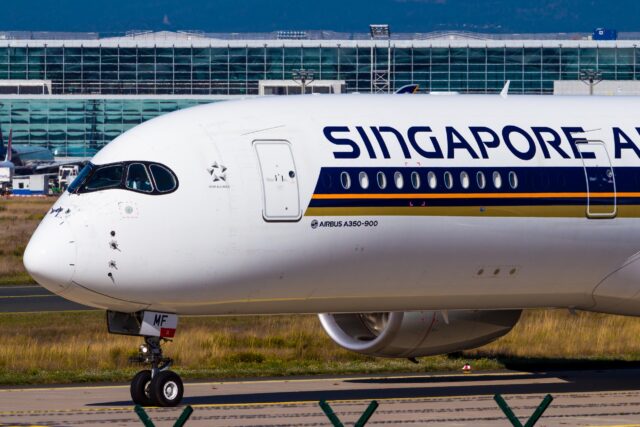
Amadeus also sees opportunities for more efficient long-haul routes with newer widebody aircraft. The travel trends report highlights Qantas’ Project Sunrise, which will use the Airbus A350-1000ULR to operate non-stop flights between Sydney and London and New York, with up to four hours shorter travel times than traditional routes.
With these aircraft, smaller markets and secondary cities gain long-haul access without hub dependence, democratising long-haul travel. As airlines introduce more point-to-point flying, they reduce connection pressure on mega-hubs.
Both aircraft are also spurring innovations in the passenger experience as cabin-product differentiation intensifies. Airlines are now offering widebody-style comfort on narrowbody jets, including lie-flat seats, blurring the lines between short-haul and long-haul service standards.
It could be the most consequential aviation trend of the late 2020s.
4. Pop culting: IP-driven demand takes flight
The ‘pop culting’ trend identifies intellectual property (IP), including series, films, books, music and games, as a driver of travel behaviour. Amadeus sees that IP fandom is already reshaping seasonal demand curves.
Airlines have long embraced pop culture trends, including references to Japan’s cute ‘kawaii’ culture, introducing themed liveries, and employing fan-oriented marketing to drive travel demand.

Amadeus sees new IP-driven attractions emerging globally, including entertainment hubs and theme-park-linked resorts. Airlines operating to gateway cities may see the first IP-event-driven route surges outside traditional tourist hotspots.
The report cites searches for flights to San Diego around Comic-Con International 2026, which are up 9% year-on-year, as a strong sign of fandom-driven travel.
Locations used for filming and television (e.g., historical settings featured in the Netflix series Bridgerton) may influence route planning, especially for airlines serving leisure peak periods.
5. Pick ’n’ Stays: Hyper-personalised fares for custom cabin experiences
While the ‘Pick ‘n’ Stays’ trend Amadeus identified focuses on hotels, its logic mirrors a shift already underway in aviation: “pixelated” retail, where every component of a trip is customizable.
In 2026, many airlines will begin shifting from legacy Passenger Service Systems (PSS) to unbundled, attribute-based retail. Just as hotels allow travellers to pick a VR-ready room with noise-shielding materials, airlines could shift from “economy/premium/business” to more modular micro-cabin products.

These could be bookable across LLMs and conversational-AI systems. For example, airlines could allow travellers to choose their seats based on experiential factors, rather than merely on their LOPA location. While not all window seats offer a window, airlines can promote positive cabin attributes such as sleep comfort, productivity, cabin quietness, and accessibility.
Pick ’n’ Stays for hotels could become Pick ’n’ Seats for airlines. While this shift may not happen next year, it will be a natural evolution of airline retailing as the travel mixology trend takes off.
6. Innovation tourism: aviation as the gateway to the future
Amadeus’ final trend for 2026 highlights destinations where the future already exists, including tech-driven cities, autonomous vehicles, robotics, AR/VR, and more.
Aviation is the on-ramp as ultra-long-haul connectivity from Asia and the Middle East allows tech-oriented travellers to reach innovation hubs without transfers.

For example, Amadeus reports that flight searches to Shenzhen for the first half of 2026 are up 48% year-on-year, reflecting surging interest in cities at the intersection of technology, creativity, and capital. For these “future-tourism” travellers, aviation is the link to innovative urban experiences.
Amadeus’ 2026 travel trends suggest that the boundaries between technology, culture, and mobility are vanishing as we move into an era of long-range narrowbodies, AI-powered trip design, IP-driven demand spikes, pet-inclusive policies, and futuristic experiences. Airlines will have to keep pace with passengers’ expectations.
Featured Image: Amadeus