Transport Canada certifies Gulfstream G500, G600 but fuel icing issues delay G700 & G800 approval

February 24, 2026

Transport Canada has finally certified Gulfstream Aerospace’s G500 and G600 business jets, according to a document filed by the Canadian government.
The certification comes following a recent diplomatic spat with President Trump, who had alleged that the Canadian regulator was taking too long to certify the US-built types. Trump warned that, as a result, the US would withdraw certification of certain Bombardier business jets as a result until the Gulfstream aircraft were certified.
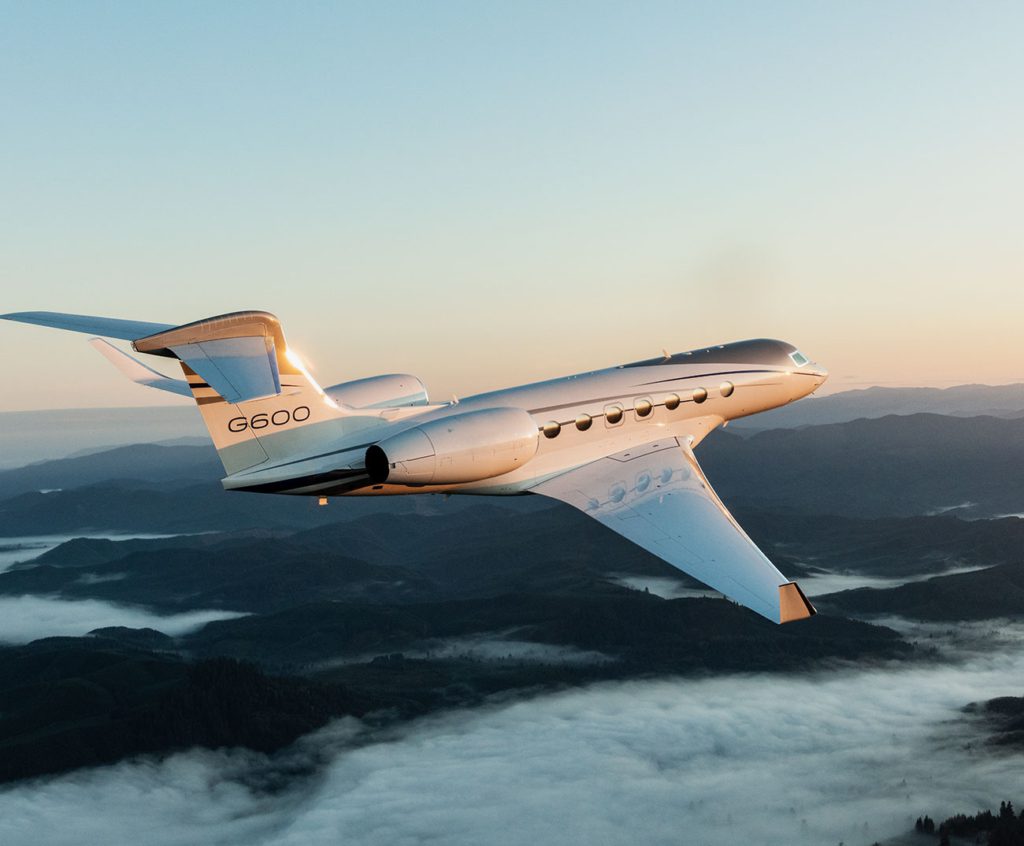
Transport Canada certifies the Gulfstream G500 and G600
Transport Canada has issued certification paperwork for the Gulfstream G500 and G600, although the approvals appear to come with certain strings attached. The paperwork was filed on 15 February, around three weeks after President Trump accused the Canadian authorities of dragging their heels over certifying the jets, which are built in Savannah, Georgia.
Under global aviation rules, the country where an aircraft is designed and developed is responsible for the primary certification of any new aircraft. This document is known as a type certificate and is taken by authorities to vouch for the design’s safety.
The Type Certification Data Sheet filed by Transport Canada for the G500 and G600 lists the certification basis for the two business jets that formed part of the diplomatic row with President Trump.
However, rather than approve the aircraft wholesale by accepting the US FAA certifications for the aircraft (which were granted in 2018/2019), Transport Canada added a list of “additional requirements” that required addressing as part of the certification process.

Convention dictates that other national regulators generally validate the primary certification, but can decline approval or request more information, as seems to be the case here.
These requirements include small changes required to various systems on the G500 and G600, including the stall warning system, lift and drag devices controls, lift and drag devices indicator, engines, the fuel system, aeroplane operations after cold soak, powerplant limitations, and miscellaneous cockpit markings and placards.
It remains unclear whether Gulfstream has already made any changes to the two aircraft types or whether these still need to be addressed.
Whether these were the issues that held up the process for certification in January also remains unclear, as does whether any kind of deal has been done with the US authorities to get the certification process across the line.
Certificates for the G700 and G800 remain outstandingat the time of writing. This is likely due to possible de-icing concerns, according to CTV.
Certification not granted for Gulfstream G700 and G800
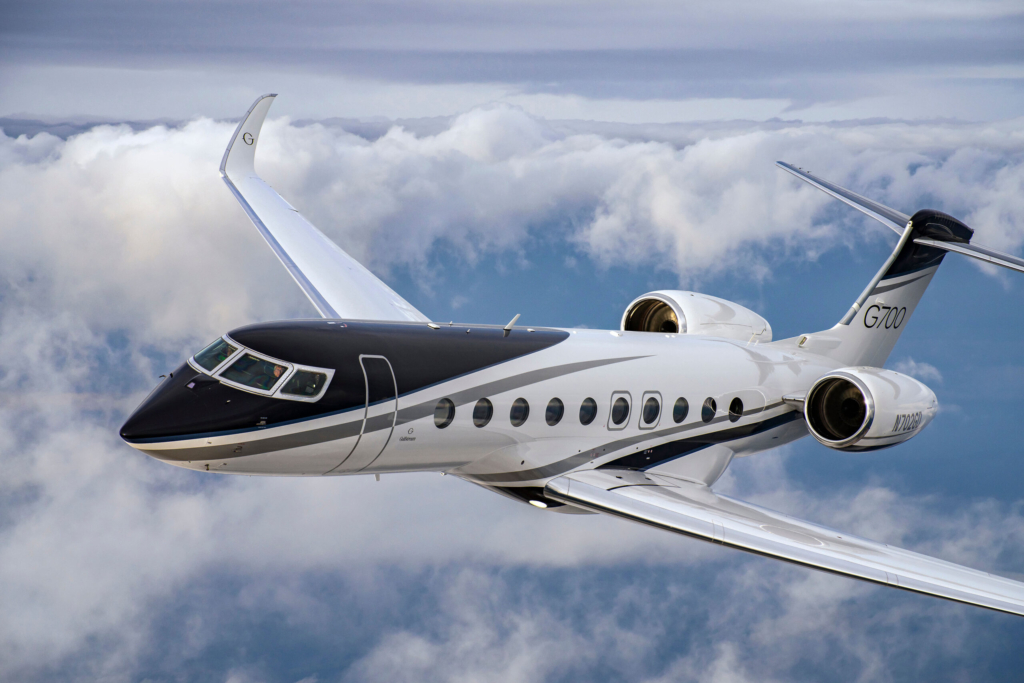
The G700 gained FAA approval in March 2024 and multiple international validations, again excluding Canada, while the G800 received FAA and EASA certification in April 2025, also without Canadian sign-off.
As part of the US certification process, the FAA granted Gulfstream a limited-time exemption from certain fuel system icing rules for the G700 and G800 in 2024.
The exemption was granted with certain conditions and limitations. Before 31 December this year, the G700 and G800 must be shown to fully comply with specific fuel icing-related amendments before an airworthiness certificate will be granted.
Before 30 June, Gulfstream must complete certification testing for the planes, using a type design test configuration and certification test method approved by the FAA and demonstrating that the fuel system is capable of operating and functioning properly under conditions where ice may form in the fuel system of the G700 or G800.
Then, before 30 September, the company is to submit service instructions for in-service retrofits for all the design changes and/or operating and maintenance limitations required to meet the requirements for final FAA approval.
This issue is the likely cause of the Transport Canada certification delays on the G700 and G800, according to aviation experts. However, as reported by ch-aviation, Canadian Industry Minister Mélanie Joly described the certification process for the G700 and G800 as “well underway.”
Transport Canada did not agree to the FAA exemption
Canadian regulators have said that they require further evidence that the G700 and G800 can handle fuel system icing, which is especially important in Canada’s colder operating climate. Reports say this is not because of any safety incidents but is a matter of satisfying rules and showing compliance, rather than a current safety concern.
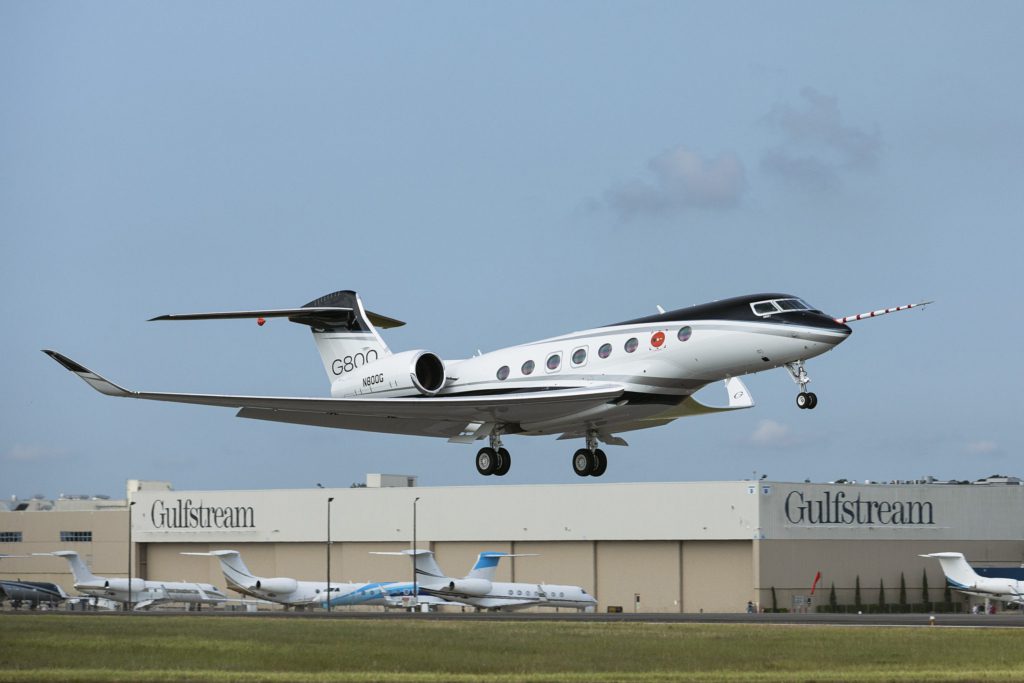
Until Transport Canada finishes its review, Canadian operators cannot register the G700 or G800 in Canada. However, planes registered in other countries can still fly in Canadian airspace under international rules.
Trump turned certification issue into a diplomatic row
At the end of January, President Trump posted on social media that the US was planning to decertify Canadian-made Bombardier Global Express business jets and threatened 50% import tariffs on all other aircraft made in Canada and sold in the US until Canada’s regulator, Transport Canada, certified the four aircraft types produced by Gulfstream.
On 29 January, Trump publicly accused Canada of “wrongfully, illegally, and steadfastly” refusing to certify four Gulfstream models (the G500, G600, G700, and G800).
In a Truth Social post, he warned that unless the situation was “immediately corrected,” the US would impose a 50% tariff on Canadian-built aircraft and “decertify” Bombardier jets operating in the US. Trump framed the issue as unfair treatment of the US manufacturer by the Canadian authorities.

However, the cross-border dispute raised concerns among aviation experts who argued that aircraft certification should remain within the domain of aviation safety and remain free from political influence.
Bombardier said it was aware of the President’s comments, confirmed it was engaging with the Canadian government, and emphasised that its aircraft are fully certified by the FAA and supported by a substantial US industrial footprint.
Markets reacted quickly, with Bombardier’s share price falling sharply following the remarks, reflecting concern not that aircraft would suddenly be grounded, but that political risk had been injected into sales campaigns, financing and residual values.
The diplomatic skirmish is over…for now
With the G500 and G600 now certified in Canada and the process of certifying the G700 and G800 also well underway, it would appear that the diplomatic heat has been out of the row between President Trump and the Canadian authorities – for now, at least.
Considering that the FAA itself has time-limited exemptions for the latter two aircraft types, there could be some distance left to travel in this story, but for the time being, the G500 and G600 can at least now appear on the Canadian register and can be operated by their Canadian owners.
Features image: Gulfstream Aerospace