Meet the Spirit SE-1, the retro light sport aircraft turning heads

January 7, 2026
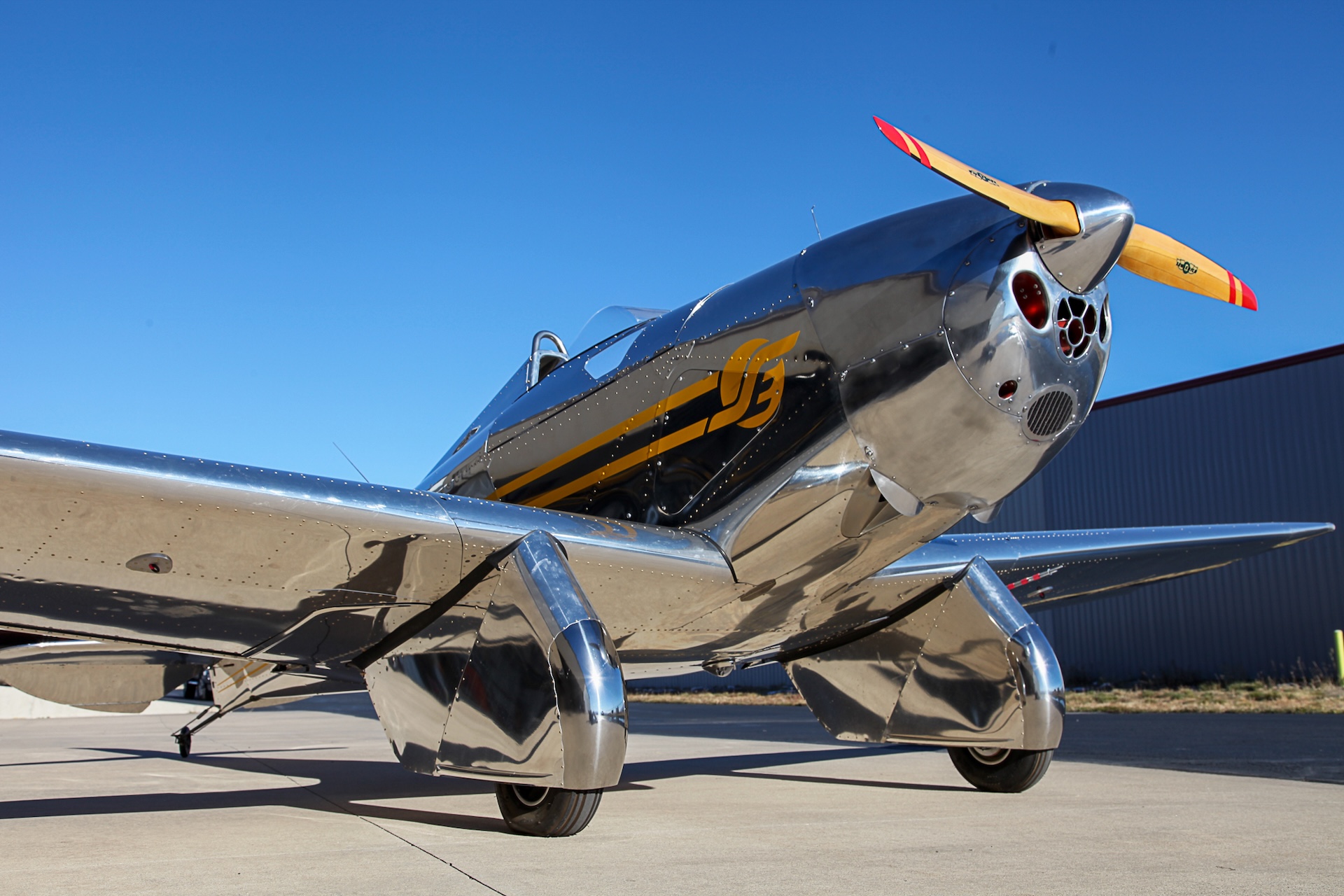
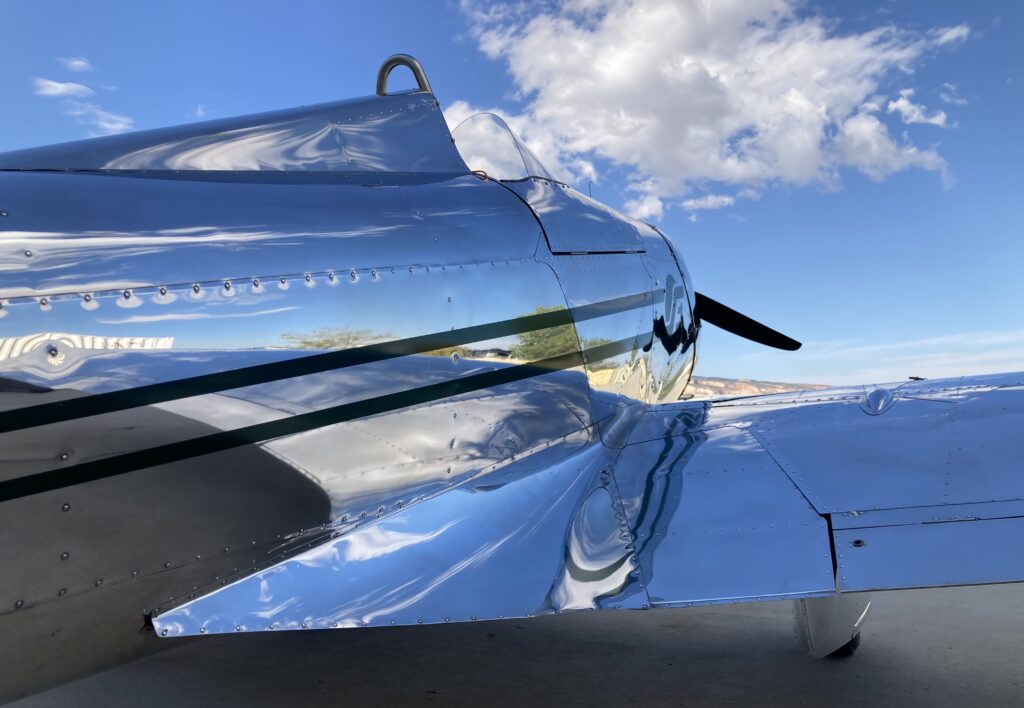
Spirit Engineering, based in Colorado, USA, has produced a new light sports aircraft known as the SE-1. The aircraft is set to revive the heydays of aviation with its all-metal construction, aluminium finish, and sleek aerodynamic lines.
Stirring up recollections of pioneering aviation daring-do and the legendary Reno Air Race era of the 1960s, the SE-1 is set to transform the light sports aircraft arena, where private pilots can indulge their desire for vintage aviation through a modern-day platform.
Introducing Sprit Engineering’s SE-1 light sports aircraft
In the early days of aviation, aircraft of all shapes and sizes simply rolled out of the factory in gleaming aluminium finishes, with fancy external liveries only taking off in the 1970s.
The aviation adventurers and pioneers of the early 20th century all flew in aluminium planes, while early airline customers also did likewise.
Embracing the spirit of yesteryear, Spirit Engineering, an aviation company based in Grand Junction in Colorado, finally launched its demonstrator SE-1 light sports aircraft at the EAA Oshkosh AirVenture event in July 2025, after ten years of secret development.
The aircraft has received much acclaim and has been warmly welcomed by the aviation community since its launch.
More details about the SE-1
The single-seat, single-engined 1930s-style aircraft was presented to the public for the first time and is set to capture the hearts of many of today’s budding aviation pioneers.
Lighter, smaller, and selling at a fraction of the cost of other aircraft in the sector, the aircraft is being sold at a fraction of the cost of its competitors and at a price similar to that of a new family car in the US – $69,500 (£51,430) for the basic model.
The Spirit SE-1 is a Special Light-Sport Aircraft (Federal Aviation Administration category ‘SLSA’) which is sold ready to fly and is not available in self-build kit form. The aircraft received its SLSA certification from the Federal Aviation Administration on 8 July 2025.
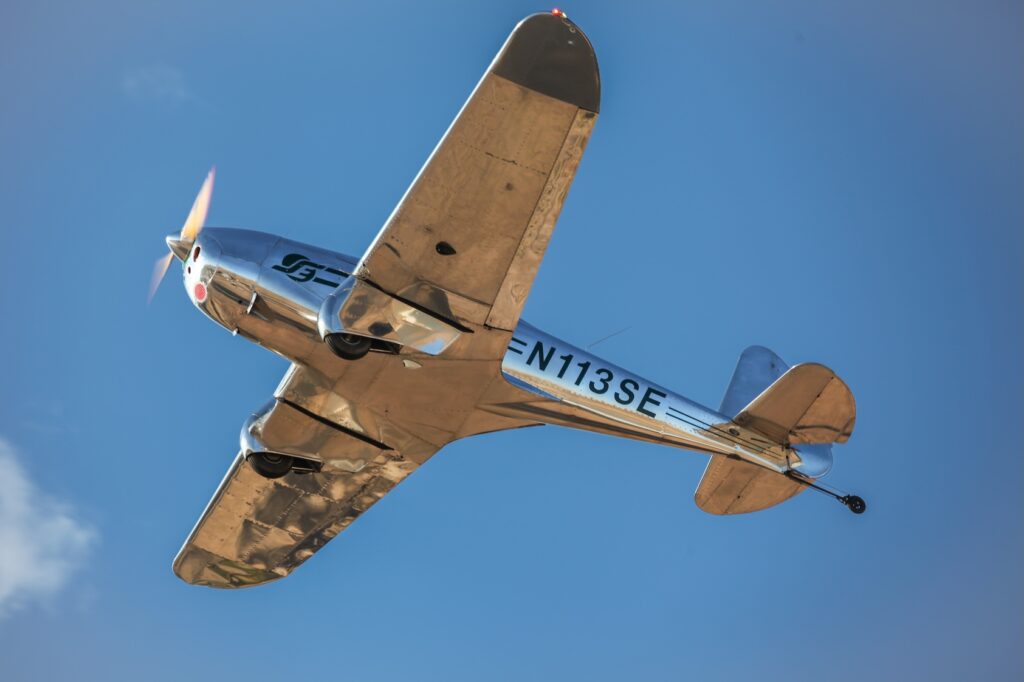
In launching the new model at Oshkosh 2025, the company did not scrimp on the occasion, bringing no less than four SE-1 prototypes to the event.
With the first deliveries having already been made to customers, Spirit Engineering is ramping up production at its impressive manufacturing plant in Grand Junction to meet the demand for its new offering.

Being single-seated, SE-1 has only been designed for the leisure flyer in mind. There is no space for passengers, the cockpit design is fairly rudimentary to cater for the low hours, low-experience aviator, and above all, the plane has been designed with fun flying in mind.
Dimensions of the SE-1
The SE-1 is powered by a single Spirit V2 engine
Also appealing to the private flyer, along with the surprisingly low purchase price (although certain additional equipment items are available as options), maintenance costs of the SE-1 have been made as low as possible.
The SE-1 is powered by a single nose-mounted 1288cc V-twin four-stroke air-cooled engine of Spirit’s own design and manufacture. The company states that its engine can develop 42hp and burns two US gallons of mogas (unleaded motor petrol) per hour (7.5 litres per hour) – around the same as an older variant Piper Cub.
According to the EAA (Experimental Aircraft Association), the four demonstrator SE-1 aircraft flew from Grand Junction to Oshkosh (a distance of over 1,200 miles/1,920 km) using just 88 US gallons of fuel (333 litres). The SE–1 has a no-reserve range of four hours and 400 miles (640 km).
According to the company, in keeping with the rest of the aircraft’s design, the V2 engine has been designed with a view towards simplicity, performance, reliability, maintainability and overall weight.
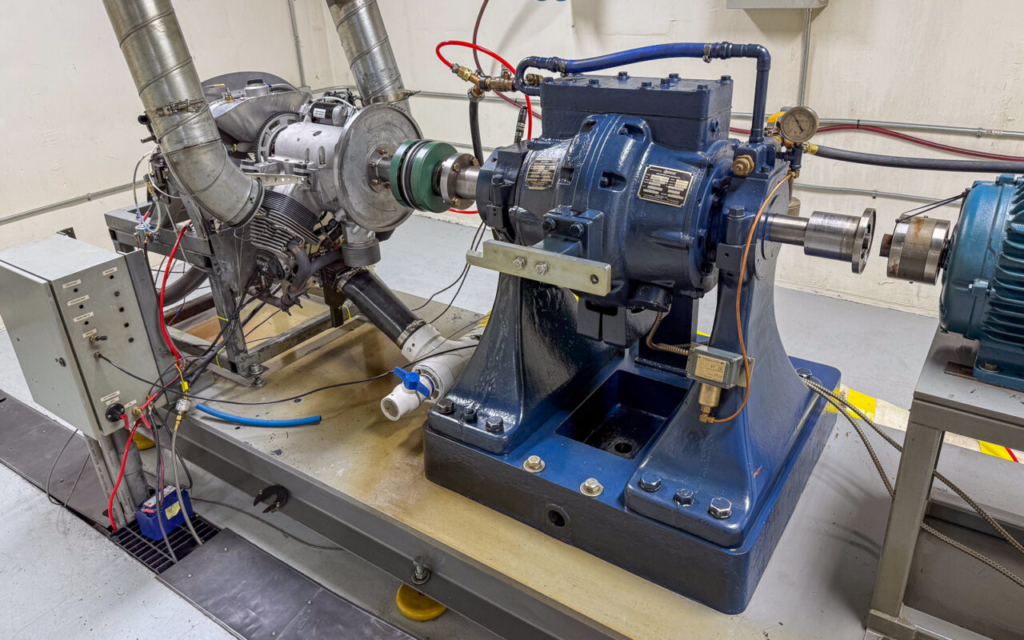
Spirit Engineering says it has carried out thousands of test runs of the Spirit V2 engine in its specially-designed engine test cell at its HQ. These tests included running the engine for hundreds of hours at maximum power to demonstrate its durability and performance reliability.
Performance of the SE-1
- Maximum cruise speed: 112 mph
- Cruise speed (75% power): 100 mph
- Climb performance: 750ft per min / 228.6m per min
- Service ceiling: 17,500ft / 5,334m
- Take-off distance: 500ft / 152.4m
- Landing distance: 800ft / 243.8m
A lot of aeroplane in a small package
Another feature of the SE-1 that will drive down costs for owners is its size. With folding wings, the company claims that it can be stored in the garage of most US homes and simply towed or transported by enclosed trailer to a local airfield. This cuts down the need for leasing hangar space, adding to the attractiveness of the SE-1’s economics.
All SE-1 aircraft include the following standard features and equipment.
- All-Metal Airframe Construction
- Spirit V2 Engine
- Folding Wing Panels
- Digital Avionics and Radio
- Fixed-Pitch Wood Propeller
- Electric Elevator Trim
- Adjustable Position Rudder Pedals
- Adjustable Position Seat
- Removable Baggage Compartment
- Electric Starter
- 12-volt Lithium Iron Phosphate (LiFePO4) Battery
- Carburettor Heat
- 4-Point Safety Restraints
- Dual USB Charging Port
- 12-volt Standard Power Port
- Aluminium Black Anodised Instrument Panel
- Industry-standard mounting location for tablets/smartphones/other
Who is Spirit Engineering?
According to the company’s website, Spirit Engineering was formed more than a decade ago with the sole purpose of designing and producing the “best-looking, highest quality, and most affordable light-sport aircraft in the world.”
“The team at Spirit Engineering has combined expertise in aeronautical and mechanical engineering with extensive manufacturing experience to produce an aircraft that is not only exciting to fly but affordable to the average pilot.”
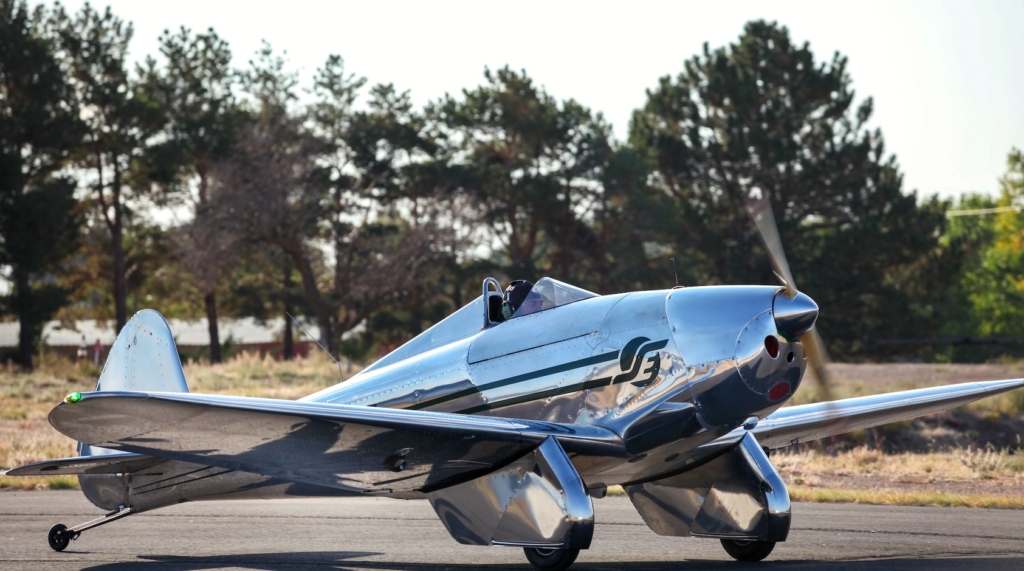
Speaking with the AOPA at Oshkosh in July 2025, Steve Wood, the founder of Spirit Engineering, said, “We designed the aircraft with an expectation that people would love it because it’s pretty.”
“People come around the corner, they see the plane for the first time, they are drawn to it like moths to flame because it is eye candy. It’s shiny.”
Featured image: Spirit Engineering