SpaceX steps in to stop Russian drones and horses using Starlink in Ukraine

January 30, 2026
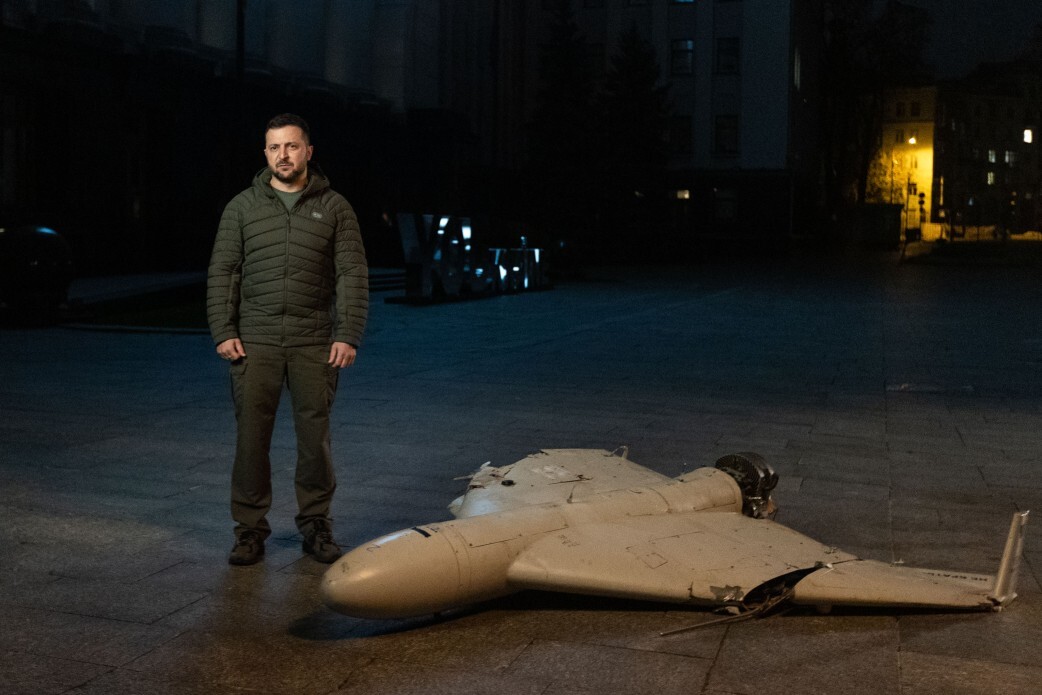
Ukraine says it is working urgently with SpaceX to curb the growing use of Starlink satellite terminals by Russian forces, after evidence emerged that Moscow is increasingly integrating the system into long-range attack drones.
What was once a critical Ukrainian advantage in contested electromagnetic environments is now at risk of being turned against it, potentially making Russian Shahed-style UAVs harder to jam, more accurate, and more difficult to intercept.
Ukraine and SpaceX work to stop Russian forces using Starlink
Reuters has reported that Ukraine is working with SpaceX to “resolve the issue of Russian drones using the Starlink satellite internet system.”
A Russian BM-35 drone has been confirmed using Starlink for control for the first time. Shahed drones may soon follow, making them harder to jam and more accurate. pic.twitter.com/e8V3JCrSUp
— Open Source Intel (@Osint613) January 15, 2026
This comes amid increasing reports that Russian armed forces are using Starlink to guide their long-range UAVs on strikes into Ukraine.
Crashed Russian Shahed-style drones are increasingly found equipped with Starlink terminals. Ukraine says there are now hundreds of such cases of Russian drones using Starlink.
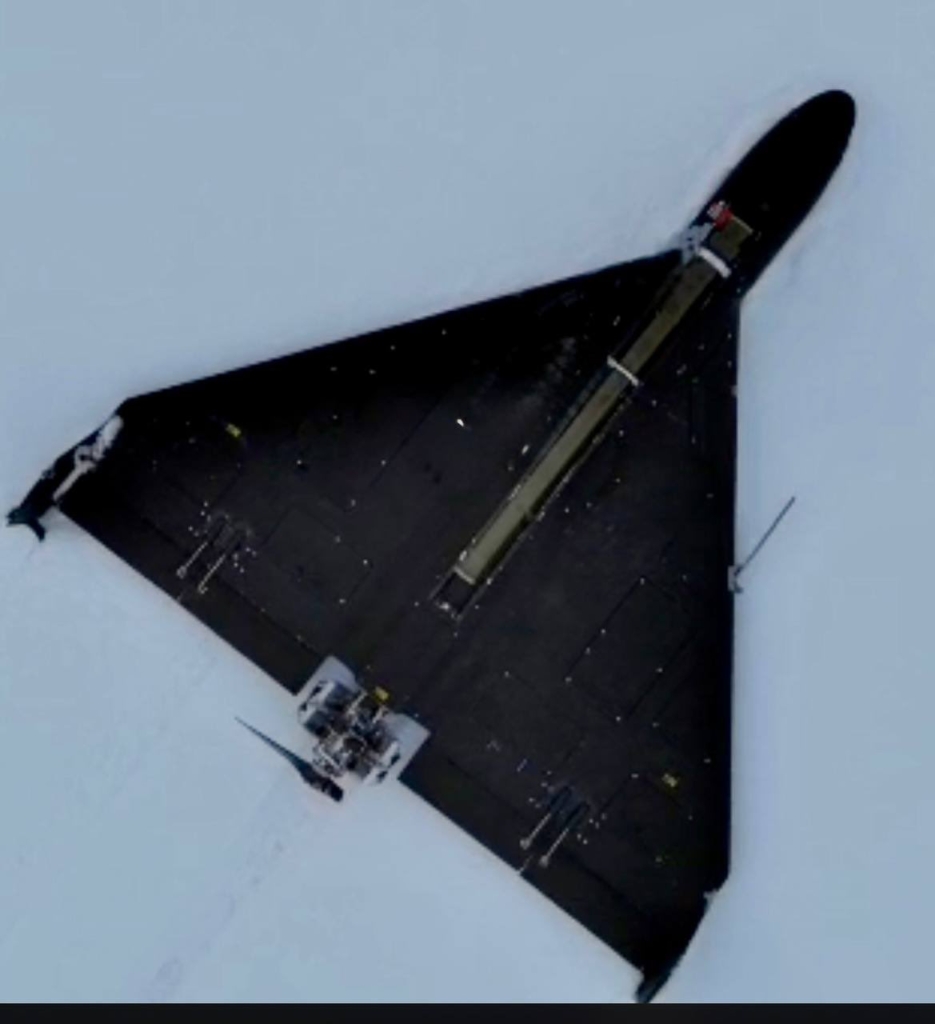
Ukraine’s defence minister, Mykhailo Fedorov, posted on Telegram, “We are grateful to SpaceX President Gwynne Shotwell and personally to Elon Musk for the quick response and the start of work on resolving the situation.”
Drones using Starlink are almost impervious to traditional signal jamming, and allow Russians to fly their drones into Ukrainian targets manually.
Starlink is a key Ukrainian capability
As Russia’s full-scale invasion began in February 2022, Starlink was still in the early stages of its global rollout. The United States quickly prioritised its delivery to Ukraine, where it had an immediate and significant impact on the ability of Ukrainian forces to communicate.

Over time, the Ukrainians have used it not only for communication with ground forces but also to guide their one-way attack drones, including naval drones.
To prevent Russia from using Starlink, its usage was geofenced to the line of control. Notably, in 2022, Elon Musk denied a Ukrainian request to extend Starlink’s coverage as Ukrainian sea drones were sent to attack Russian warships at harbour in Crimea.

Separately, Ukrainian drones also sometimes seek to use Russia’s cellular network, which is a major reason why cellular data is often blocked across much of Russia.
Get the latest aerospace defence news here on AGN.
Russia’s “Starlink cavalry” highlights expanded battlefield use
Although the war has now outlasted the Pacific campaign of World War II, many of Russia’s promised next-generation weapons remain conspicuously absent. In their place, horses and even camels are becoming a more visible feature of the Russian army’s logistics.
Various Russian cavalry units have begun installing Starlink terminals on horseback. This is not just an isolated case. https://t.co/GoFZ8NGWfd pic.twitter.com/yTtpp9dCqT
— Special Kherson Cat 🐈🇺🇦 (@bayraktar_1love) January 8, 2026
Russia’s beleaguered army is struggling to move vehicles to the frontline. Horses are often quieter, don’t require fuel, and can move off-road. The idea of a “frontline” has largely given way to an expanding “grey zone” that acts as a great kill zone.
Russians released new footage showing a camel, possibly in a combat zone. https://t.co/uzuRonsNNm pic.twitter.com/qdxrxRKBfS
— WarTranslated (@wartranslated) December 28, 2025
Horses and donkeys were mostly used by non-elite Russian units for logistics. But videos have emerged of Russians using horses to carry Starlink terminals.
In January 2026, OSINT account Special Kherson Cat posted, “Russian military have started equipping cavalry units with Starlink terminals and cameras.” Now enough vidoes at emerged to show this was not an isolated case.
Ukraine's 1st Assault Regiment captured two horses used by Russian soldiers. https://t.co/yqKzRsDyS2 pic.twitter.com/wThqOajQ0L
— Rob Lee (@RALee85) January 14, 2026
Since then, Ukraine has successfully captured its first Russian horses. While Ukrainian FPV operators will target Russians on horses, they would prefer not to hurt the horse if they can avoid it.
Jakub Janovsky, the main aggregator for the famous Oryx list, which independently confirms Russian and Ukrainian losses, posted “Bonus (but not on the list): 2 Horse Obr. 2025, 2x captured.”
Featured Image: President of Ukraine