Singapore delays SAF levy amid Middle East conflict and rising fuel costs

March 27, 2026
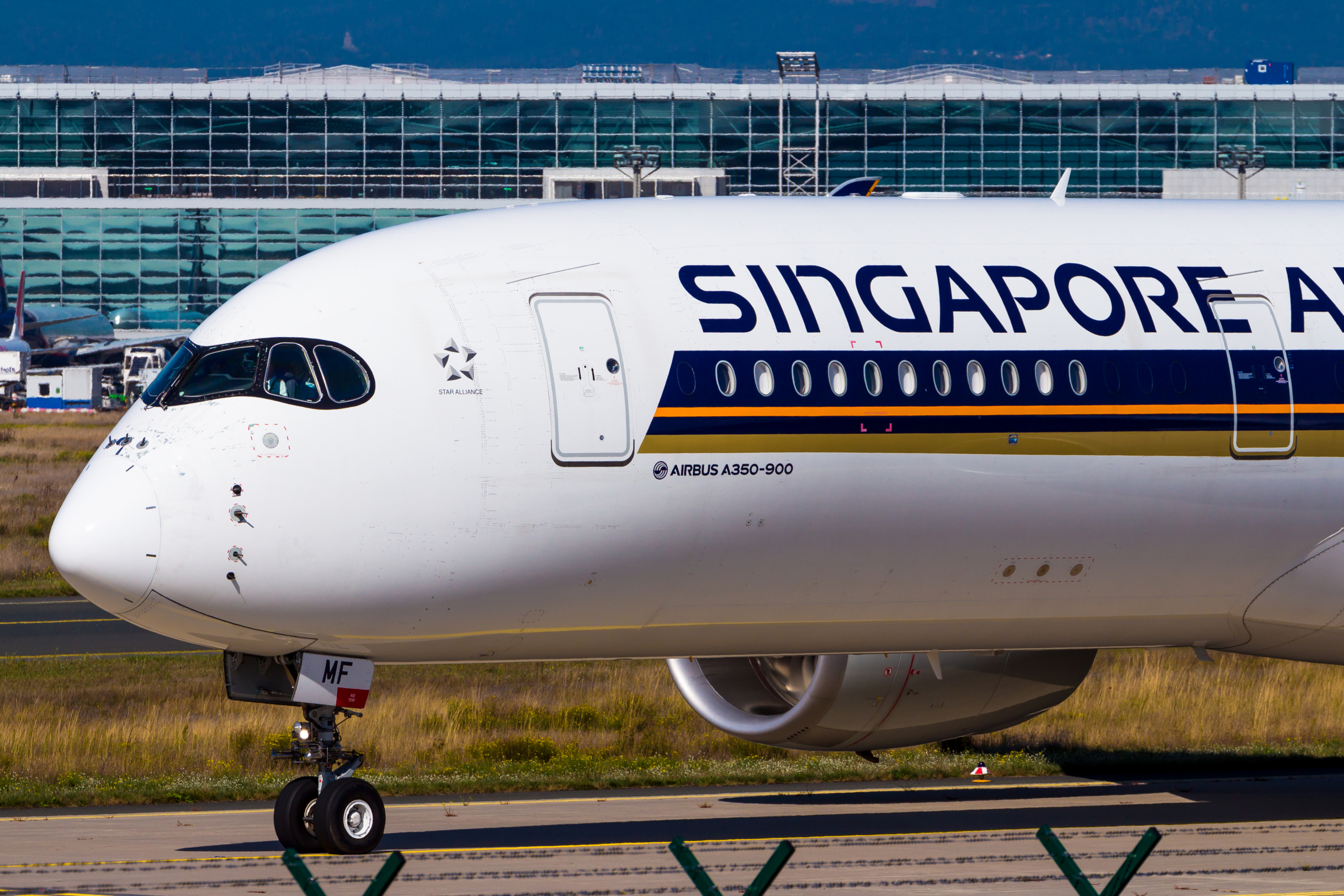
Amid the ongoing conflict in the Middle East, the Civil Aviation Authority of Singapore (CAAS) is delaying its sustainable aviation fuel (SAF) levy, which was originally due to take effect from 1 April.
In November 2025, the CAAS announced that passengers departing from Singapore would have to pay a SAF levy based on the volume of SAF required to meet the 1% SAF target for 2026. Depending on their travel destination and class of travel, passengers will pay between S$1 and S$41.60. Transit passengers are exempt from the additional fee.
The levy was due to take effect from 1 April this year for tickets sold on flights departing Singapore on or after 1 October. It will now apply to tickets and services sold from 1 October for flights departing from 1 January 2027.
Singapore is committed to decarbonisation despite the SAF levy delay
“Singapore remains firmly committed to aviation decarbonisation,” said Han Kok Juan, director general of CAAS, commenting on the postponed levy. “We are taking a pragmatic pause in view of the current situation. We will continue to work closely with our aviation industry partners and monitor global developments.”
The levy will apply to all origin-destination passengers, as well as cargo, general aviation and business aviation flights departing Singapore.
Charges are structured across four geographical bands based on distance: Band I covers Southeast Asia; Band II includes Northeast Asia, South Asia, Australia and Papua New Guinea; Band III spans Africa, Central and West Asia, Europe, the Middle East, the Pacific Islands and New Zealand; while Band IV covers the Americas.
How Singapore’s SAF levy works across routes, aircraft and travel classes
According to the CAAS, economy class passengers, including those travelling in premium economy, can expect to pay S$1.00, S$2.80, S$6.40 and S$10.40 for flights to Bangkok, Tokyo, London and New York, respectively (approximately $0.75, $2.10, $4.75 and $7.70).
For passengers in premium cabins, including business and first class, the levy is set at four times the economy rate, rising to S$4.00, S$11.20, S$25.60 and S$41.60 for the same routes (around $3.00, $8.30, $19.00 and $30.80).
As longer flights consume more fuel, the SAF levy will vary based on the distance travelled, while for flights with multiple stops, the fee will be based on the immediate next destination after departing Singapore.
For cargo, the levy is applied on a per-kilogram basis and varies by distance, ranging from S$0.01 per kg for Band I destinations to S$0.15 per kg for Band IV (approximately $0.007 to $0.11).
In general and business aviation, charges are calculated per aircraft, taking into account distance and the aircraft’s International Civil Aviation Organization (ICAO) wingspan classification, from Code A to F.
A smaller aircraft such as a Cessna 404 Titan, with a wingspan under 15 metres, would pay between S$40 (approximately $30) for Band I destinations and S$390 (approximately $290) for Band IV.
At the other end of the scale, a large aircraft such as an Airbus A380 or Boeing 747-8 would incur charges ranging from S$630 (approximately $465) to S$6,500 (approximately $4,800) across the same bands.
Certain training and charitable or humanitarian flights will not be subject to the levy.
SAF levy revenues will fund sustainable aviation fuel in Singapore
Describing the levy as “a major step forward in Singapore’s effort to build a more sustainable and competitive air hub,” Han Kok Juan said funds collected will be channelled into a SAF Fund managed by the CAAS.
The fund will support the procurement of sustainable aviation fuel and SAF Environmental Attributes (EAs), as well as associated administrative costs.
The levy, he added, will “provide a mechanism for all aviation users to do their part to contribute to sustainability at a cost which is manageable for the air hub.”

The Singapore SAF Company (SAFCo), established in October 2025, will oversee the procurement, allocation and administration of SAF and EAs.
Earlier this year, CAAS and SAFCo, alongside nine other companies, launched Singapore’s first trial of centralised procurement for voluntary SAF. As SAFCo’s first SAF purchase, the trial is intended to validate the operational, commercial and accounting frameworks required for national-scale SAF procurement and EA allocation.
“By aggregating regulated and voluntary demand, we seek to grow a robust and efficient SAF ecosystem to achieve a more resilient and affordable fuel supply for our aviation sector,” said Juan.

By pooling demand and working closely with airlines, corporate partners and government agencies, the initiative aims to establish a scalable and credible model for SAF procurement and distribution.
With SAF identified as a critical pathway for aviation decarbonisation, Singapore’s 1% SAF uplift target for 2026 is expected to rise to between 3% and 5% by 2030, subject to global developments and the availability of supply.
Singapore ramps up SAF production capacity with Neste and Project Beacon
Singapore is rapidly positioning itself as a regional hub for sustainable aviation fuel (SAF) production. Aster, a Southeast Asian chemical solutions provider, has partnered with Chicago-based Aether Fuels to develop Southeast Asia’s first next-generation commercial-scale SAF facility at Aster’s Pulau Bukom site.
Known as Project Beacon, the demonstration plant will use Aether’s Aurora technology to convert industrial waste gas and biomethane into CORSIA-certified SAF. It is expected to produce up to 50 barrels per day, or around 2,000 tonnes annually, with commercial operations targeted for 2028.

Meanwhile, Finnish refiner Neste, which operates one of its major refineries in Singapore, is already supplying the market. With a capacity to produce up to one million tonnes of SAF annually, it is uniquely positioned to capitalise on the Asia-Pacific’s regulatory mandates and airline commitments to slash emissions.
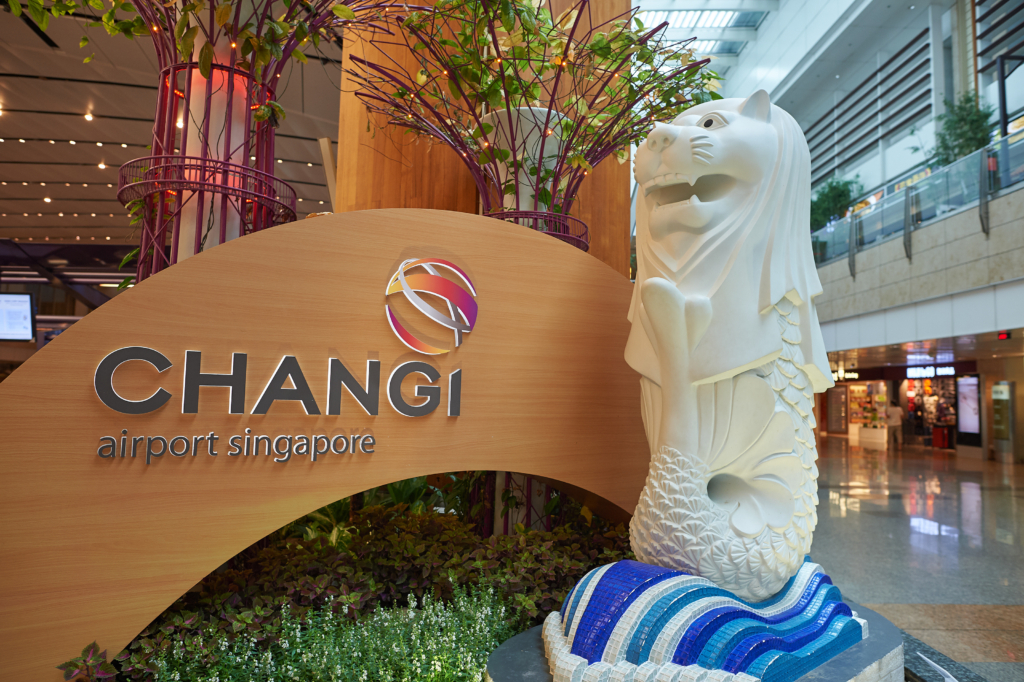
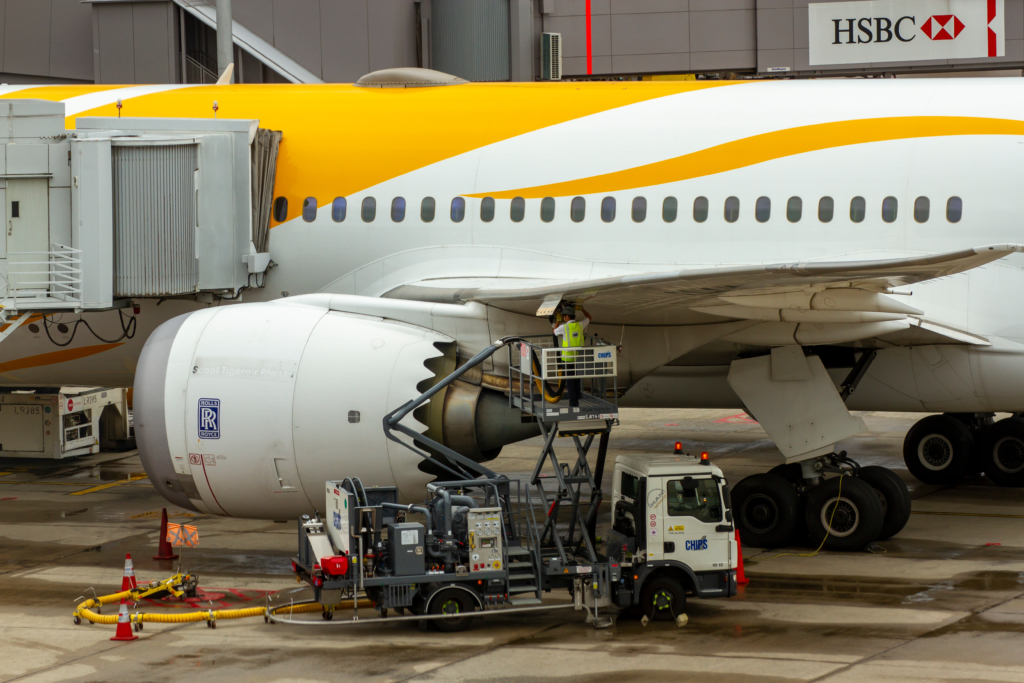
To strengthen its supply chain at Singapore Changi Airport, Neste acquired a minority stake in the Changi Airport Fuel Hydrant Installation Company in 2023. This provides direct access to the airport’s fuelling infrastructure, enabling SAF distribution to an expanding base of regional and international carriers.
Featured image: Christian Palent | stock.adobe.com