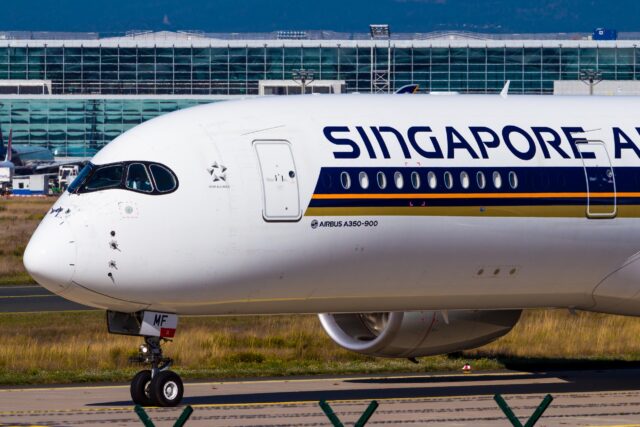
Singapore to replace Fokker 50 with Boeing P-8A Poseidon in major maritime defence boost

September 11, 2025
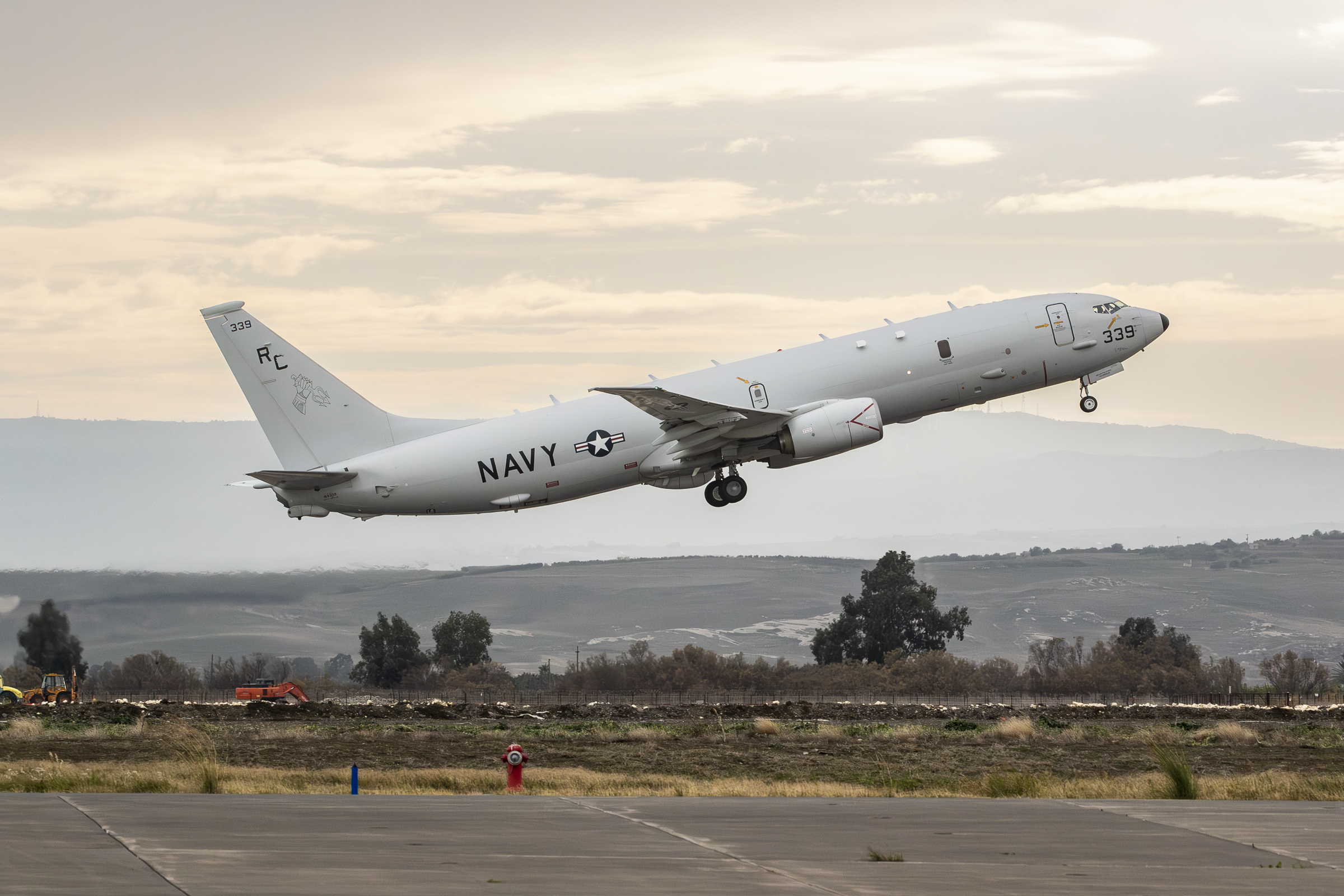
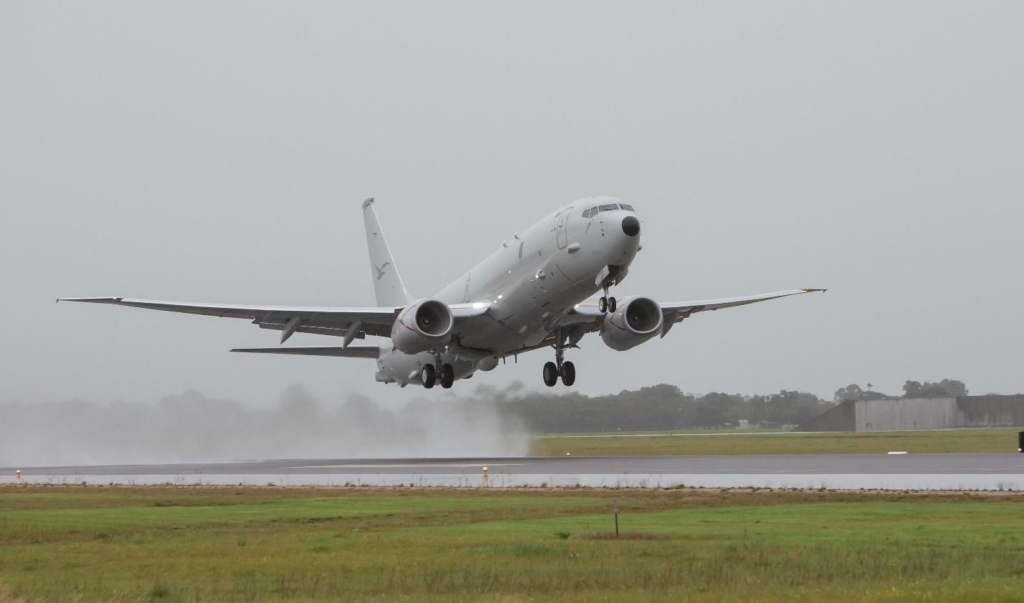
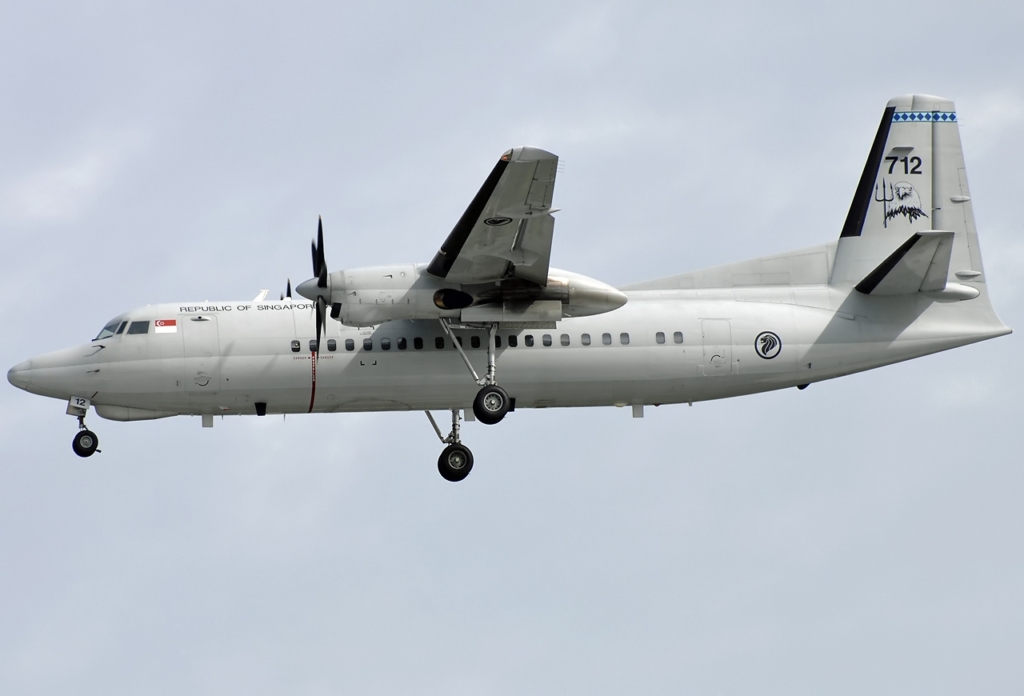
In a significant leap forward for its maritime defence posture, Singapore will acquire four Boeing P-8A Poseidon maritime patrol aircraft to replace its ageing fleet of Fokker 50s, in service since 1993.
The acquisition marks a critical step in the city-state’s strategy to bolster anti-submarine warfare capabilities and sharpen its maritime situational awareness amid evolving regional threats.
The P-8A aircraft, widely recognised as among the most advanced maritime patrol platforms globally, will enable the Republic of Singapore Air Force (RSAF) to detect, track, and counter sub-surface and surface threats across vast oceanic distances.
The Ministry of Defence confirmed the decision as part of the first phase of its wider maritime security modernisation programme.
The announcement followed Defence Minister Chan Chun Sing’s visit to Washington, where he met US Secretary of Defence Pete Hegseth at the newly christened Department of War on September 9.
During their discussions, Minister Chan emphasised that the Poseidon acquisition reflects Singapore’s long-term commitment to safeguarding its maritime approaches and supporting broader regional stability.
Describing Singapore as “an anchor of US friendship and presence in the region”, Secretary Hegseth reaffirmed strong bilateral defence ties and noted the importance of continued cooperation in ensuring security across the Indo-Pacific.
P-8A Poseidon to replace Singapore’s Fokker 50 fleet
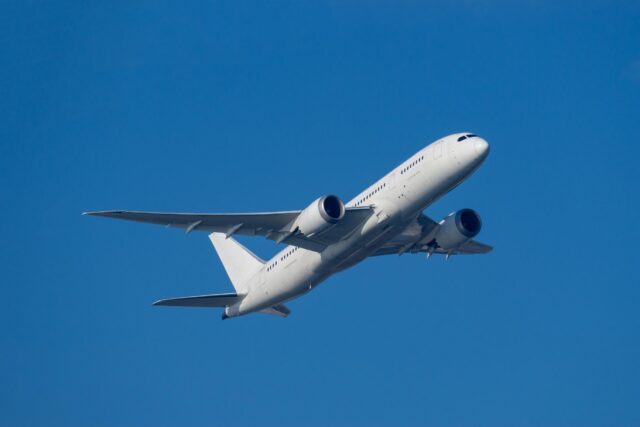
The Boeing P-8A Poseidon is a militarised derivative of the commercial Boeing 737-800 airliner, adapted for long-range maritime patrol, anti-submarine warfare (ASW), and search-and-rescue missions. It will replace Singapore’s Fokker 50 Enforcer and Utility variants, which have provided maritime surveillance for over three decades but are now nearing the end of their operational life.
Equipped with cutting-edge radar, acoustic sensors, sonobuoys, and lightweight torpedoes, the P-8A is capable of conducting wide-area surveillance and engaging both sub-surface and surface threats.
Its advanced electro-optical and infrared systems further expand its intelligence-gathering and targeting roles. The aircraft’s endurance and range, enhanced by in-flight refuelling capability, allow it to sustain patrols over extended maritime zones.
Globally, the P-8A is operated by countries including the United States, the United Kingdom, Australia, India, South Korea, Norway, and New Zealand, reflecting its proven performance and high interoperability with allied forces.
Strategic timing for P-8A maritime patrol acquisition
Singapore’s decision comes at a time when many nations in the region are modernising their naval and air assets in response to an increasingly complex maritime security environment.
The Straits of Malacca and the South China Sea, vital shipping lanes for global trade, remain areas of strategic importance where surveillance and deterrence capabilities are paramount.
The acquisition also aligns with Singapore’s approach to maintaining a technologically advanced, high-readiness force despite its small size and manpower constraints.
By investing in highly capable, multi-role platforms, Singapore ensures maximum utility from its defence assets while staying ahead of evolving threats.
Singapore RSAF modernisation includes F-35 fighter jets
Notably, the city-state has also been investing in next-generation air power.
The RSAF is on track to receive its first batch of F-35 Lightning II stealth fighters by the end of 2026. The order includes 12 short take-off and vertical landing (STOVL) F-35Bs and eight conventional take-off and landing F-35As, forming a 20-aircraft fleet.
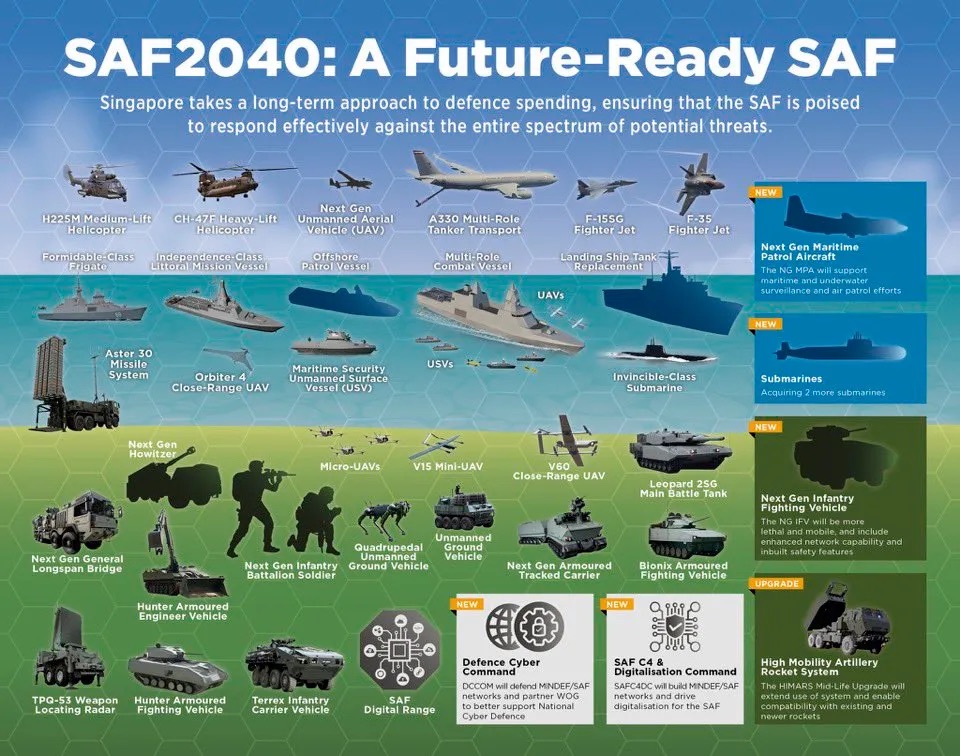
Production of the aircraft has already commenced, and a dedicated training detachment will be established at Ebbing Air National Guard Base in Arkansas.
The Boeing P-8A Poseidon mission roles and capabilities
The P-8A’s acquisition not only strengthens maritime domain awareness but also deepens integration with allied forces operating the same platform.
As a versatile multi-mission aircraft, the Poseidon brings capabilities that align with Singapore’s broader defence objectives, including:
- Anti-Submarine Warfare (ASW): Use of advanced sonar buoys and onboard processing systems, enabling real-time detection and neutralisation of undersea threats.
- Anti-Surface Warfare (ASuW): Equipped with high-resolution radar, electronic surveillance measures, and weapons systems to engage hostile surface vessels.
- Maritime Surveillance and Reconnaissance: Long-range ISR capabilities to monitor critical sea lanes, provide early warning, and support naval task forces.
- Search and Rescue Operations: Equipped to detect distressed vessels, coordinate with naval and aerial assets, and deploy survival equipment if needed.
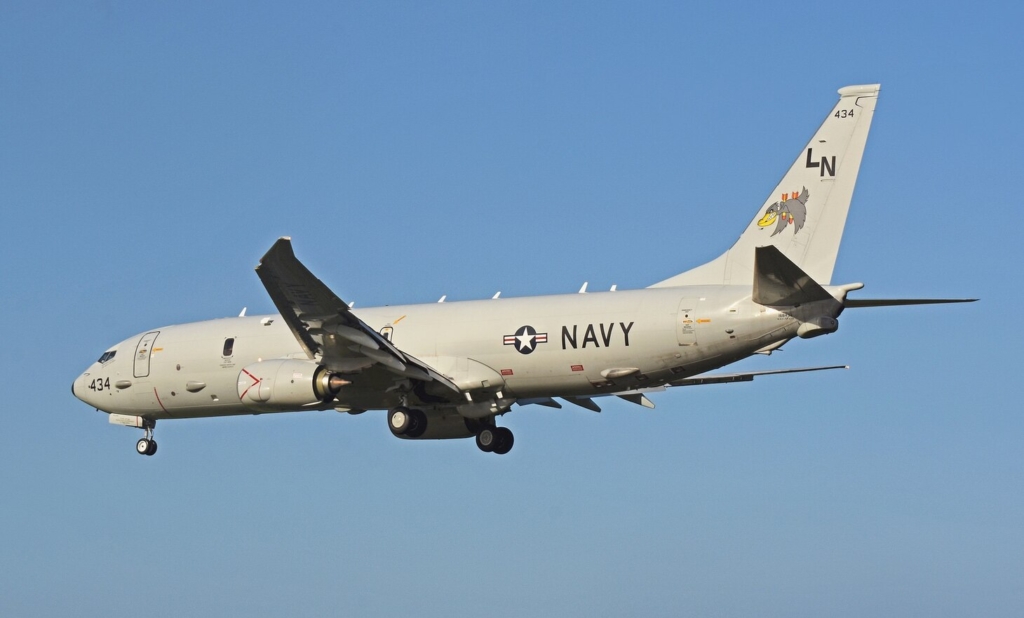
The aircraft also carries a fully integrated military communications suite and mission management system, enabling seamless coordination with other Singapore Armed Forces (SAF) platforms and allied forces during joint operations.
Singapore–US defence partnership strengthened by P-8A deal
Singapore’s acquisition of the P-8A underscores the enduring and strategic nature of its defence relationship with the United States.
The deal was likely facilitated through Foreign Military Sales (FMS) channels, which enable close operational alignment and access to advanced US defence technologies.
While financial terms of the purchase have not been disclosed, similar acquisitions by regional partners have ranged between US$300–350 million per aircraft.
The move also complements Singapore’s ongoing efforts to enhance interoperability with like-minded nations in the Indo-Pacific and beyond.
With many P-8A operators participating in multinational maritime exercises, Singapore will be well-placed to contribute more effectively to coalition missions and humanitarian response operations.
Future expansion of Singapore’s P-8A fleet and unmanned options
While only four aircraft have been confirmed in this phase, the procurement opens the door to a broader transformation of Singapore’s maritime patrol capabilities.
Analysts have speculated that additional aircraft or complementary unmanned systems could follow, depending on operational requirements and evolving strategic needs.