Singapore Airshow: Tigerair Taiwan orders Airbus A321neos

February 4, 2026
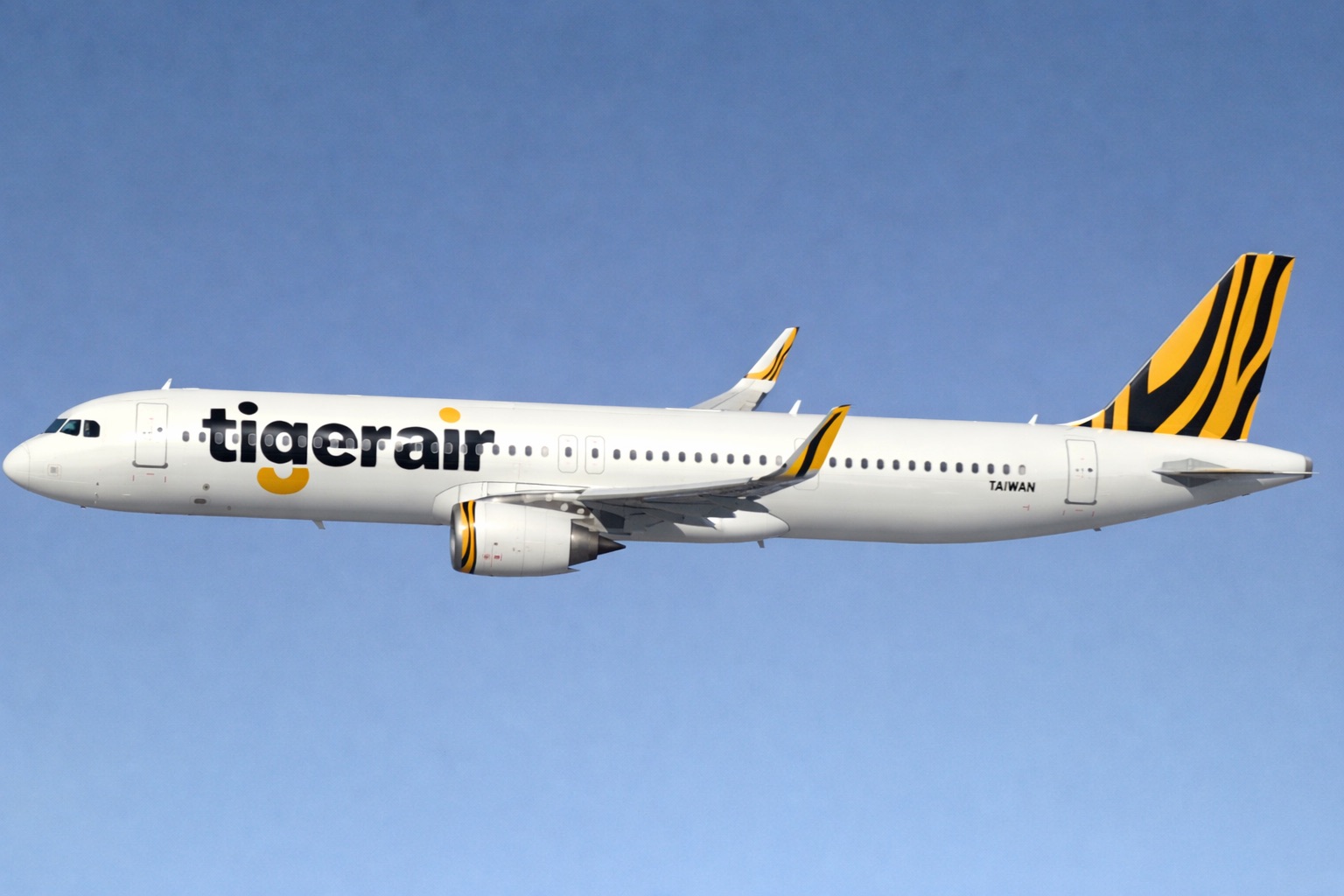
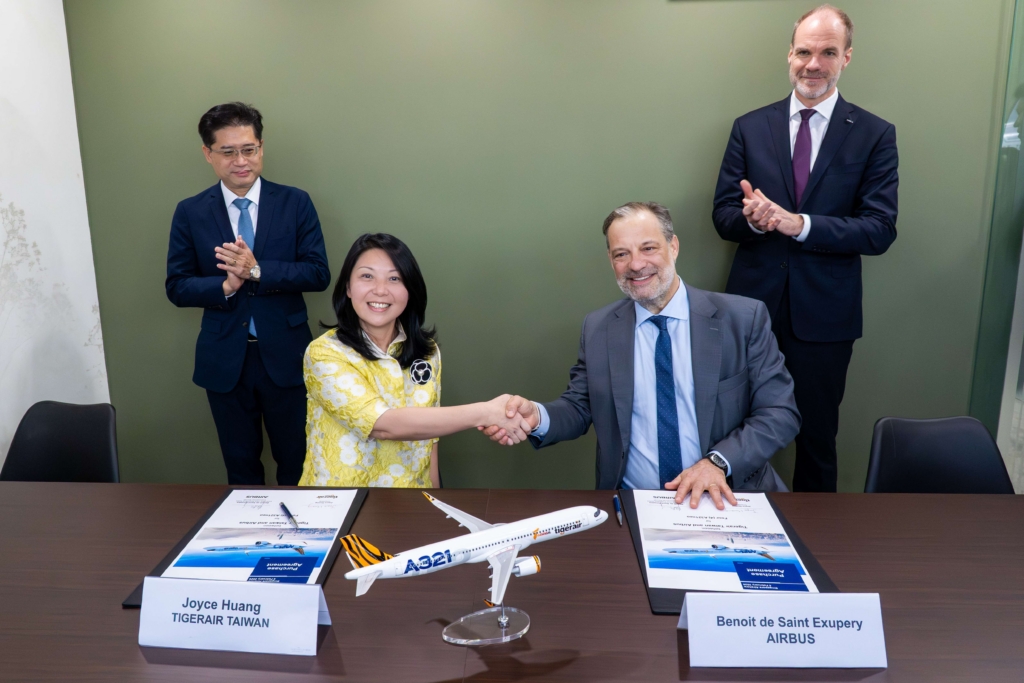
Tigerair Taiwan has scored Airbus its first order at the Singapore Airshow, signing a purchase agreement for four A321neo aircraft.
The deal, signed today, 4 February, is the first time the low-cost airline has ordered the largest Airbus narrowbody, although it is solidly embedded in the Airbus ecosystem already.
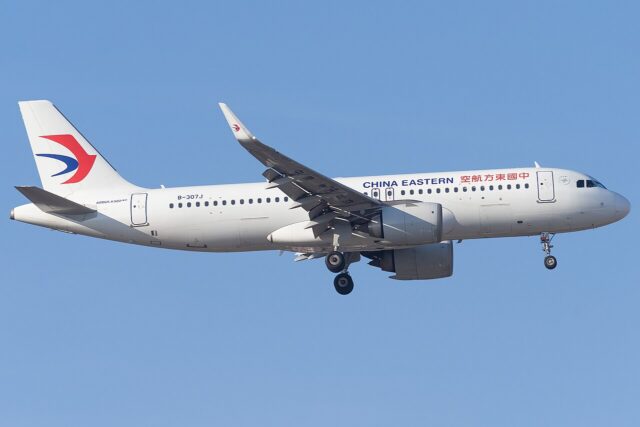
It operates a fleet of 17 A320 family aircraft, which includes eight A320neos. Adding the A321neo will allow Tigerair to increase capacity while maintaining the benefits of a common fleet type.
“We are pleased to see Tigerair Taiwan reaffirm its confidence in Airbus as it takes another step in its fleet growth,” said Benoît de Saint-Exupéry, Airbus EVP Sales for Commercial Aircraft. “The A321neo is the ideal platform for Tigerair Taiwan to capture growing demand while maintaining its commitment to cost-effective operations.”
Tigerair Taiwan picks the A321neo as part of its ‘third generation’ fleet strategy
The A321neo order is part of Tigerair Taiwan’s “third-generation” fleet expansion strategy, aimed at growing capacity and enhancing efficiency across its network.
Speaking today, Chairperson Joyce Huang of Tigerair Taiwan noted that the purchase would help the airline “maximise operational efficiency as we scale for regional dominance.”
“Configured with 232 seats, the A321neo allows us to increase capacity on our high-demand ‘golden routes’ and accelerate network expansion,” Huang added. “By serving more passengers across more destinations with a lower cost per seat, this investment reinforces our position as Taiwan’s leading LCC.”
Tigerair’s ‘third generation’ strategy focuses on resetting the airline’s operating model around a higher capacity, more capable narrowbody aircraft.
The carrier’s first generation was built around early A320s as it established itself in the Taiwanese low-cost market. The second phase introduced A320neos, focusing on fuel efficiency and operating cost reductions. The move to the Airbus A321neo represents a more strategic evolution, leveraging the aircraft’s capabilities to reshape the network itself.
Slot constraints make the Airbus A321neo an obvious choice for Tigerair
One of Tigerair Taiwan’s core challenges is operating from slot-constrained airports, particularly Taipei Taoyuan. In those conditions, growth through additional frequencies can be difficult or impossible. The A321neo offers a straightforward workaround: more seats per movement.
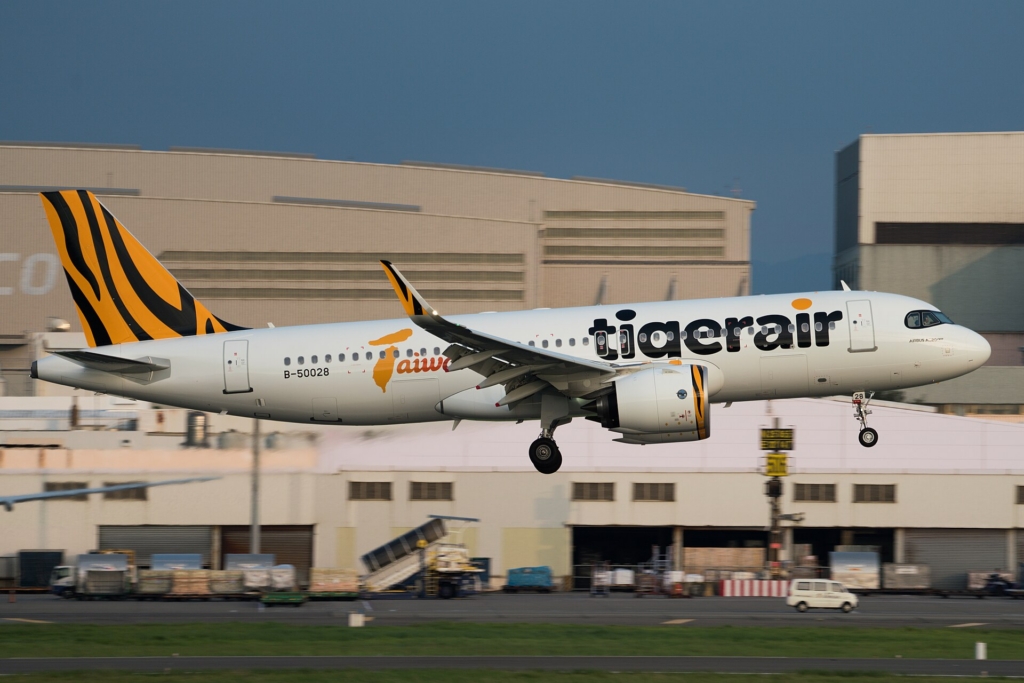
Just as importantly, the A321neo’s longer range opens up new network options. Routes that were marginal or inefficient with an A320 become commercially viable, giving Tigerair more flexibility to explore longer regional sectors, thinner leisure markets, or secondary city pairs that still benefit from a low-cost offering.
Adding to this is the aircraft’s fuel burn advantage, typically around 20% lower than previous generation aircraft. With more passengers on each flight, the CO2 per passenger decreases, moving the airline towards its ESG goals.