Singapore Airlines A350 suffers significant tail damage in Changi tailstrike

January 27, 2026
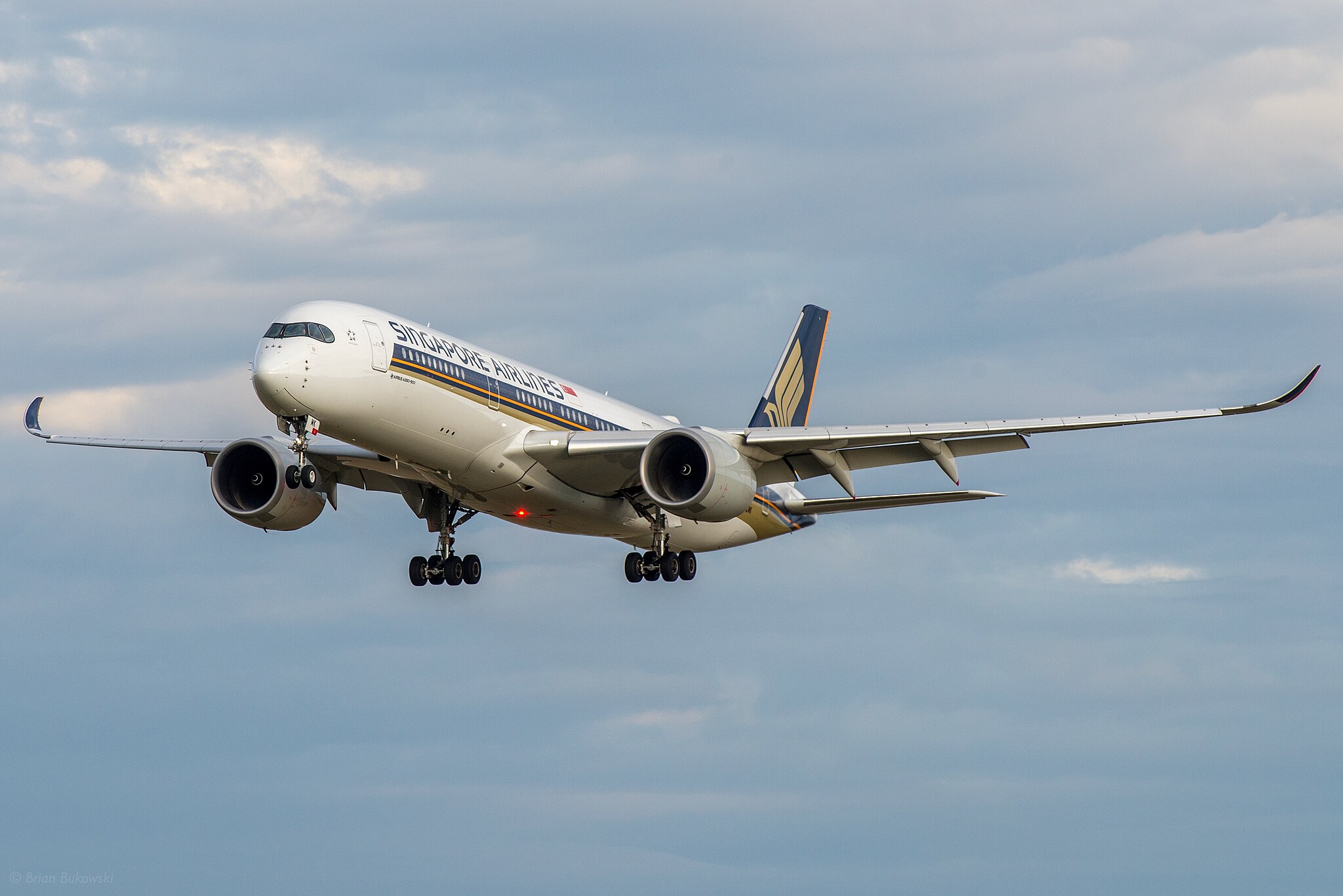
A Singapore Airlines Airbus A350-900 aircraft sustained damage after a tailstrike during an attempted landing at Singapore Changi Airport, before the crew executed a go-around and completed a subsequent landing without further incident.
The event occurred on the evening of 24 January, involving flight SQ917 from Manila Ninoy Aquino International Airport.
The aircraft, an Airbus A350-941 registered 9V-SHW, was operating a scheduled passenger service with 256 passengers and 16 crew members on board.
The aircraft attempted to land on runway 02L at approximately 18:07 local time, but the approach was rejected due to wind conditions at Changi Airport.
Singapore Airlines A350 tailstrike reported during rejected landing at Changi Airport
Media reports indicated that the aircraft’s tail made contact with the runway during the initial landing attempt.
Photos subsequently shared on social media appeared to show visible damage to the rear fuselage.
Singapore Airlines Airbus A350-941 suffers a tail strike during go-around at Singapore Changi Airport.
— Breaking Aviation News & Videos (@aviationbrk) January 26, 2026
A photo of 9V-SHW has appeared on social media showing damage to its tail. The aircraft has been grounded in Singapore since the incident on Saturday. pic.twitter.com/EWGIx9Dsfs
Asia One reported that following the runway contact, the aircraft climbed away to 4000ft and repositioned for another approach.
Flight tracking data from FlightRadar24 shows that SQ917 eventually landed on runway 02R at 18:32, around 25 minutes after the rejected landing.
Responding to queries from Asia One, a Singapore Airlines spokesperson confirmed that the decision to discontinue the first landing was weather-related.
The airline described the event as a “rejected landing”, stating that the aircraft landed safely shortly afterwards.
SIA Airbus A350 lands safely on second attempt after tailstrike
After the successful second approach, the A350 taxied to the terminal without further issue. Singapore Airlines said that all passengers and crew disembarked normally, and there were no injuries reported.
The aircraft was shown on FlightRadar24 to still be on the ground in Singapore on Tuesday, 27 January.
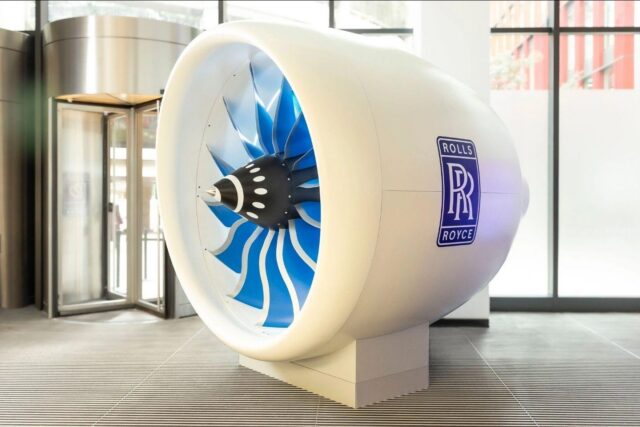
The aircraft involved was delivered to Singapore Airlines in 2021 and is powered by Rolls-Royce Trent XWB-84 engines. The airline described the damage as minor, although tailstrikes typically require detailed inspections due to the loads transmitted through the rear fuselage and empennage during runway contact.

Under standard procedures, an aircraft experiencing a tailstrike is removed from service pending structural inspections, which may include checks of the rear pressure bulkhead, fuselage skin and associated internal structures.
Weather conditions examined after Singapore Airlines A350 rejected landing
While Singapore Airlines has attributed the rejected landing to wind conditions, Changi Airport is known for complex meteorological effects, including gusty winds and directional variability during monsoon periods.
Such conditions can increase the challenge of maintaining pitch control during flare and touchdown, particularly for long-bodied widebody aircraft.
Featured image: BriYYZ from Toronto, Canada | Wikimedia Commons