Ryanair ends its Prime subscription after just eight months as the trial proves financially unsustainable

Ryanair has quietly scrapped its Prime subscription programme after only eight months, drawing a line under an experiment that ended up costing the airline more than it brought in.
The carrier confirmed on Friday, 28 November, that no new customers can join the scheme, although existing subscribers will continue to receive benefits until their current 12-month term expires.
Ryanair’s subscription experiment doesn’t go to plan
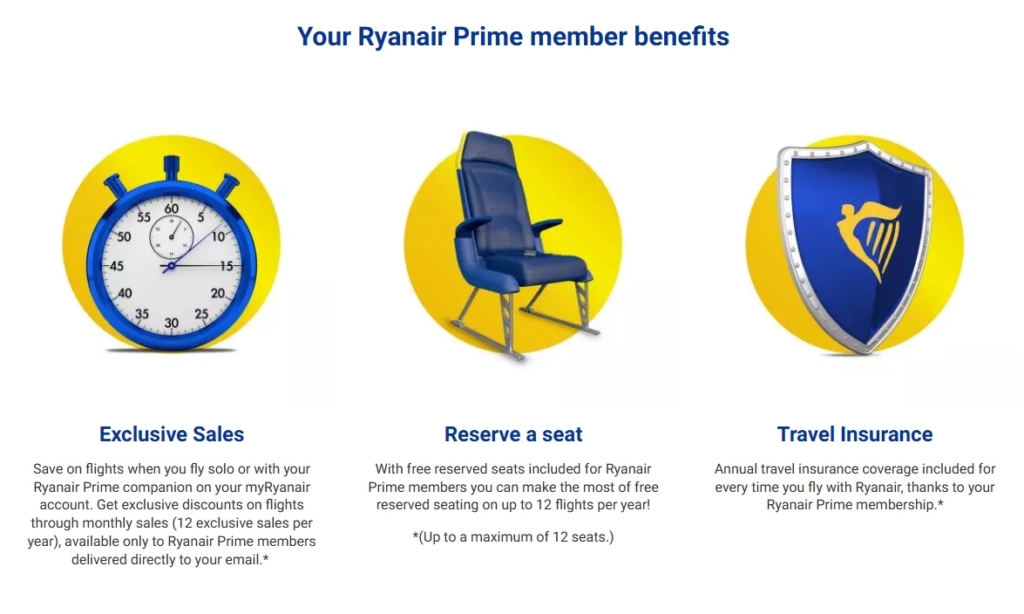
Prime launched in March 2025 with a headline price of £79 or €79 per year and a cap of 250,000 members. It promised monthly member-only fare sales, free reserved seating on eligible flights, bundled travel insurance and the option to add a discounted “Prime companion”.
In reality, uptake was modest, with only around 55,000 travellers signing up during the trial window.
Ryanair’s Chief Marketing Officer, Dara Brady, said the maths simply did not work. In a short statement confirming the shutdown, he noted that the scheme “cost more money than it generated”, and external reporting backs that up.
According to the airline, over the eight-month trial, Prime is understood to have generated approximately €4.4 million in subscription revenue while handing out roughly €6 million in fare discounts, leaving the programme in the red before even accounting for marketing and tech overheads.
“This level of memberships, or subscription revenue, does not justify the time and effort it takes to launch monthly exclusive Prime seat sales for our 55,000 Prime members,” Brady concluded.
For an airline that prides itself on disciplined execution of ancillaries, this was an uncharacteristic misfire.
What should Ryanair Prime subscription passengers do now?
Customers who already paid for Prime will keep their benefits for the remainder of their annual term. The last cohort, signed up shortly before the closure, will see their perks run until October 2026.
Travellers do not need to take any action to maintain eligibility, but those who used Prime mainly for monthly fare sales should keep an eye on standard promotions, which Ryanair is expected to continue running independently of the subscription.
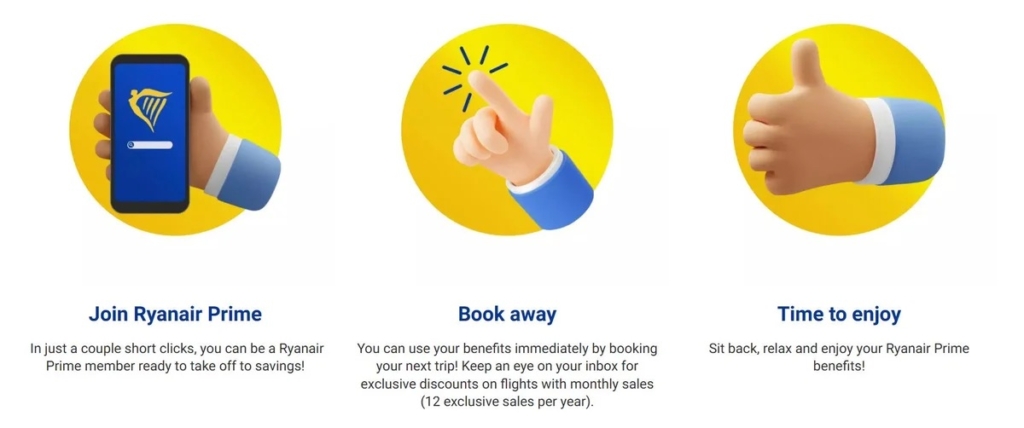
Free reserved seating and included insurance will no longer be bundled once a customer’s term ends. Anyone relying on those benefits should expect to return to Ryanair’s pay-as-you-go model, where seat selection, priority boarding and travel insurance are priced separately.
The carrier has not indicated whether it will offer pro-rated refunds, but all current messaging points to a full honouring of existing contracts until expiry rather than cancellation or compensation.
Do airline subscription models work?
Ryanair’s experience shows that subscriptions do not automatically translate into reliable ancillary revenue, but other airlines have achieved modest success by keeping the value proposition straightforward.
Frontier Airlines’ GoWild! Pass is the most extreme model. For a flat annual fee, pass-holders can book “unlimited” Frontier flights, base fare only, with taxes and extras added, provided they are flexible on timing. Advocates say frequent, light-packing travellers can save substantially, while critics argue availability gaps and add-on fees limit its usefulness. In practice, GoWild! remains a niche product for a very specific subset of travellers.
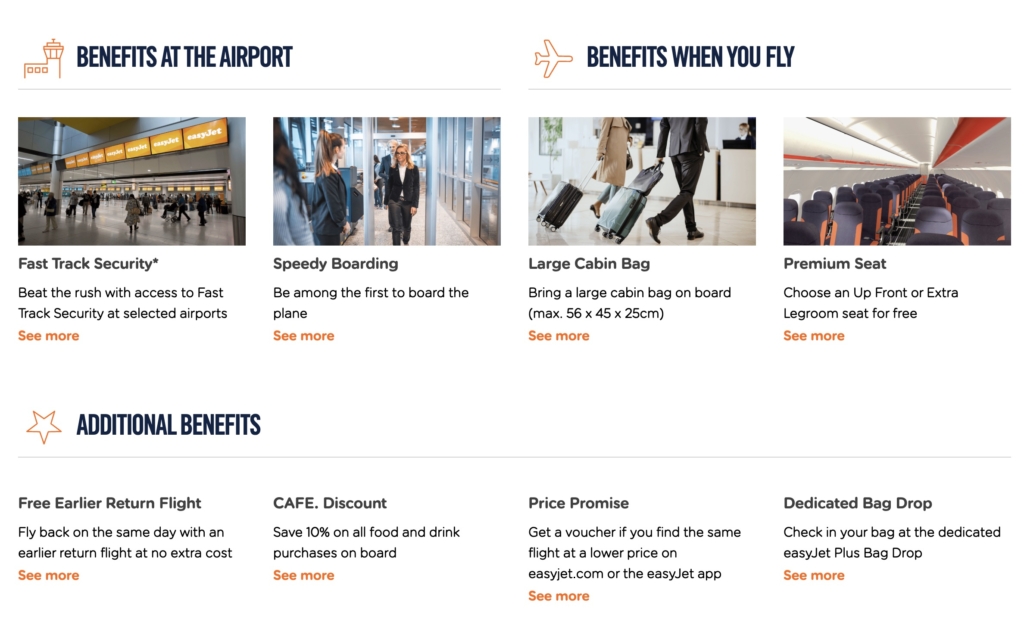
At the opposite end are paid-benefit schemes such as easyJet Plus. For £249 a year, members receive priority boarding, fast bag-drop, a large cabin bag and free premium seat selection, appealing to regular short-haul flyers who want predictable convenience. easyJet’s pause of its invitation-only Flight Club suggests carriers are re-evaluating how far these models can scale.
Wizz Air sits between the two extremes. Its long-running Discount Club gives immediate fare savings and baggage discounts on every booking, with an optional companion add-on. The programme has run for more than a decade and remains heavily promoted, largely because its value is consistent, simple and widely used.
Read more: Airlines cash in on package holiday boom and easyJet is the latest to ride the wave
What this says about Ryanair’s failed subscription model
The common thread across the surviving schemes is clarity. Frontier appeals to ultra-flexible travellers, Wizz provides fixed, always-on savings, and easyJet Plus bundles predictable convenience perks.
Ryanair Prime sat awkwardly between these models, offering monthly flash sales and scattered perks that were costly for the airline but inconsistent for the customer. With uptake far below its 250,000-member ambition and discounts outstripping subscription income, Prime simply never reached sustainable scale.
Ultimately, Prime failed not because airline subscriptions are flawed, but because its structure did not suit Ryanair’s customers.