Zipline: Rwanda launches world’s first nationwide drone delivery system

February 13, 2026
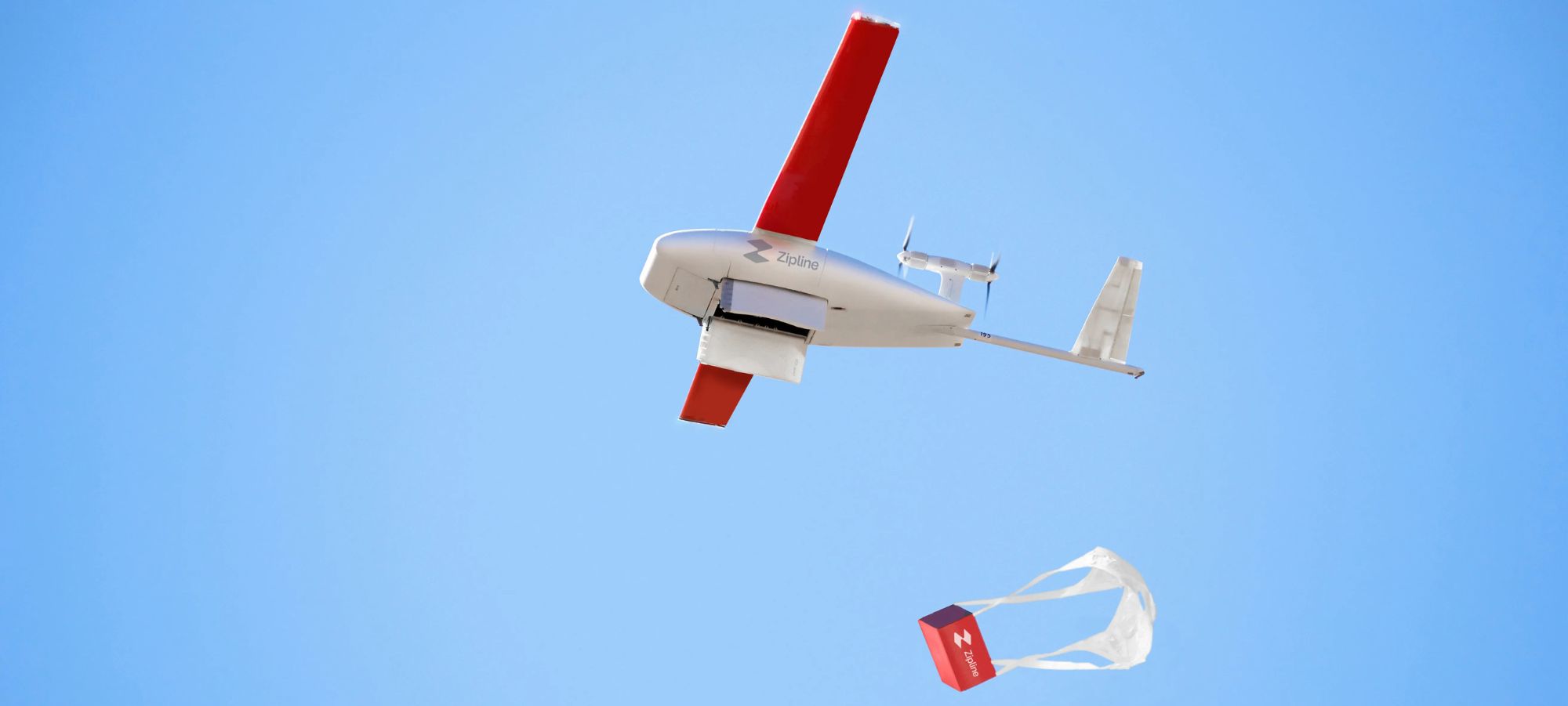
The Government of Rwanda has signed a historic agreement with Zipline to become the first country worldwide to launch nationwide autonomous logistics coverage.
The agreement also positions Rwanda as the first African country to deploy Zipline’s urban delivery system and the first country on the continent with an autonomous delivery testing centre.

Rwanda pioneers drone delivery in Africa
Rwanda will become the first country in Africa to introduce Platform 2 (P2), Zipline’s urban delivery system. P2 is already deployed in some US states, where it delivers 100,000 retail and food items to homes and office buildings.
Hotels and public spaces. Once deployed in Kigali, where around 40% of the country’s healthcare demand is concentrated, the system will enable fast, quiet, and precise deliveries across the Rwandan capital and other densely populated urban areas.
No stranger to uncrewed air mobility (UAM) innovation, Rwanda, a landlocked East African country, is rapidly positioning itself as a leader in autonomous logistics, AI, and robotics.
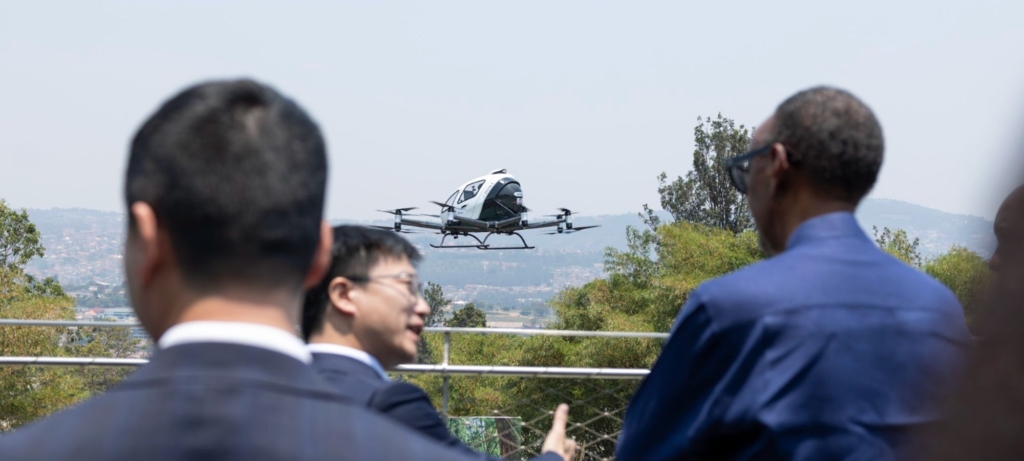
In September 2025, the country marked another first when it partnered with Chinese eVTOL manufacturer EHang to become the first African state to fly an electric air taxi.
Zipline strengthens collaboration with Rwanda
Rwanda first partnered with Zipline in 2016, when it launched Zipline’s autonomous delivery service to deliver life-saving medical supplies, including blood, by drone to remote communities throughout the country. “A decision that changed health access forever,” according to Caitlin Burton, CEO of Zipline Africa.
Underlining that Rwanda didn’t ask whether it had been done before, but whether it could work and save lives, she explained, “they tested it, measured it, and when the data proved the impact, they scaled it.”
In addition to reducing waste, equalising access, boosting economies and improving health outcomes, Zipline’s drone delivery system has led to a 51% reductio in maternal deaths.
Burton added, “Today. Rwanda is doing it again. This is a global first – not because the technology exists, but because the leadership exists.”
How Zipline is transforming lives in Rwanda
Paula Ingabire, Rwanda’s Minister of CIT and Innovation, reiterated that Rwanda and Zipline have been working together for years to harness technology for the good of the people. “We have witnessed the extraordinary impact of drone delivery – saving time, saving money and saving lives,” she said.
“With this partnership, we will now expand to urban delivery, bringing these benefits to even more communities.”
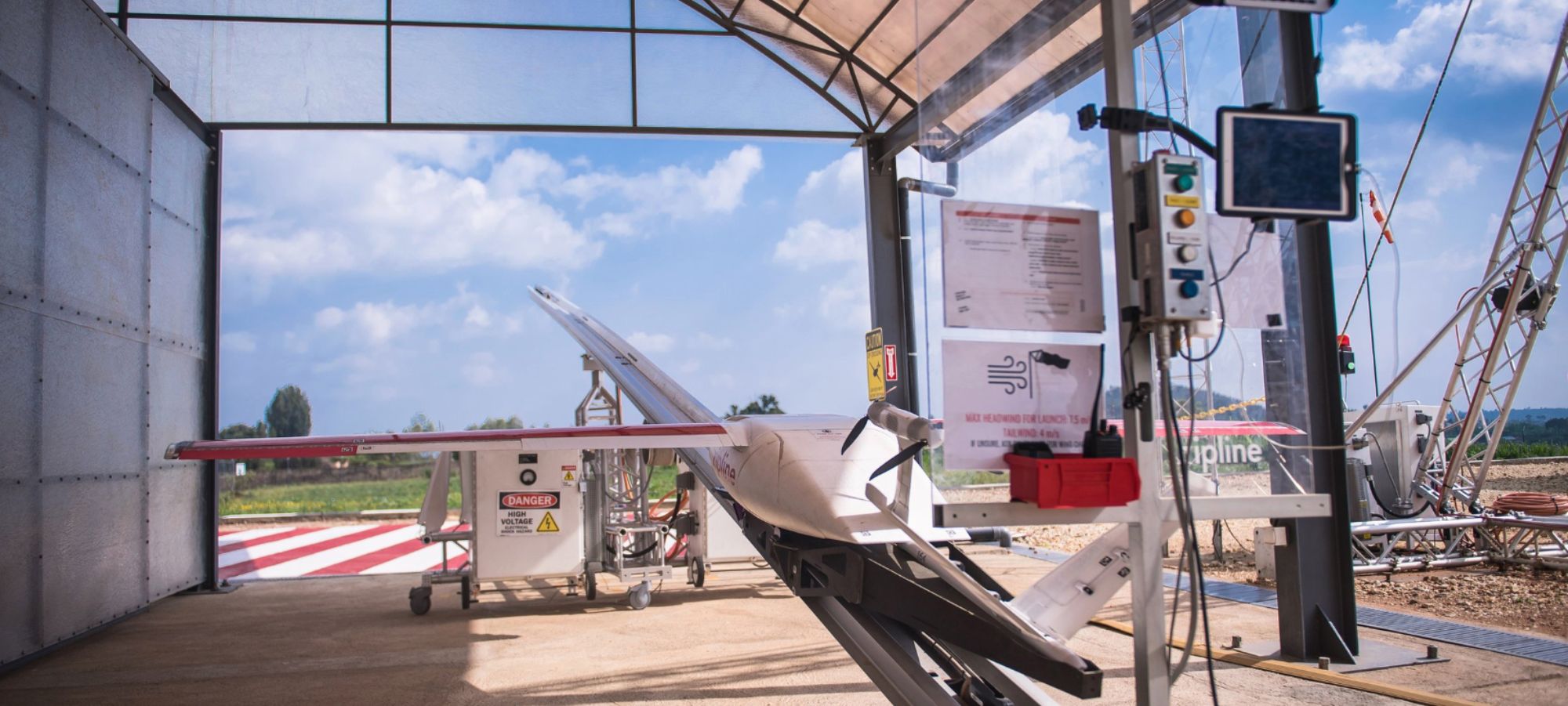
Expanding on their existing collaboration, this latest agreement marks the first milestone under Zipline’s recent US$150 million pay-for-performance award from the US Department of State. Under the scheme, the US government will provide upfront infrastructure funding to Zipline, while the Rwandan government has committed to paying for ongoing operations.
The expanded collaboration will also include the addition of a long-range distribution centre in the Karongi district, near the border with the Democratic Republic of the Congo (DRC), to complement the existing facilities in Muhanga and Kayonza. The new hub is expected to benefit approximately 200 health posts and 60 major health institutions, reaching more than 2.9 million people.
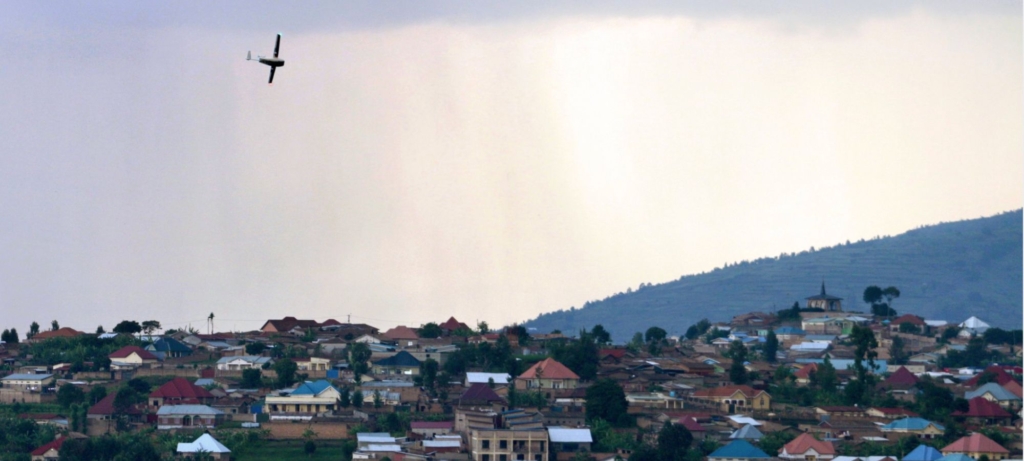
In total, Zipline’s nationwide coverage will cover more than 11 million people and support around 350 local jobs.
The US drone firm will also establish a new AI and robotics testing facility in Rwanda, to support aircraft performance testing, new safety systems and next-generation logistics software, as well as support the development of a local talent pipeline.
Zipline is also operational in Ghana, Nigeria, Kenya and Côte d’Ivoire.
Featured image: Zipline