Russia arms Shahed drones with R-60 air-to-air missiles to hunt Ukrainian helicopters

December 2, 2025
As Ukraine gets better at using its helicopters and aircraft to intercept Russian drones, Russia is adapting by incorporating an air-to-air capability for its one-way attack drones. Meanwhile, Ukraine is rapidly fielding a burgeoning array of interceptor drones to counter increasingly massed Russian drone attacks.
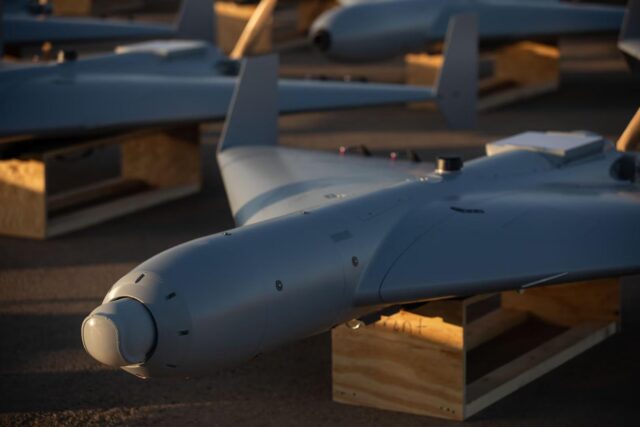
Russian Shahed drone found with air-to-air missile
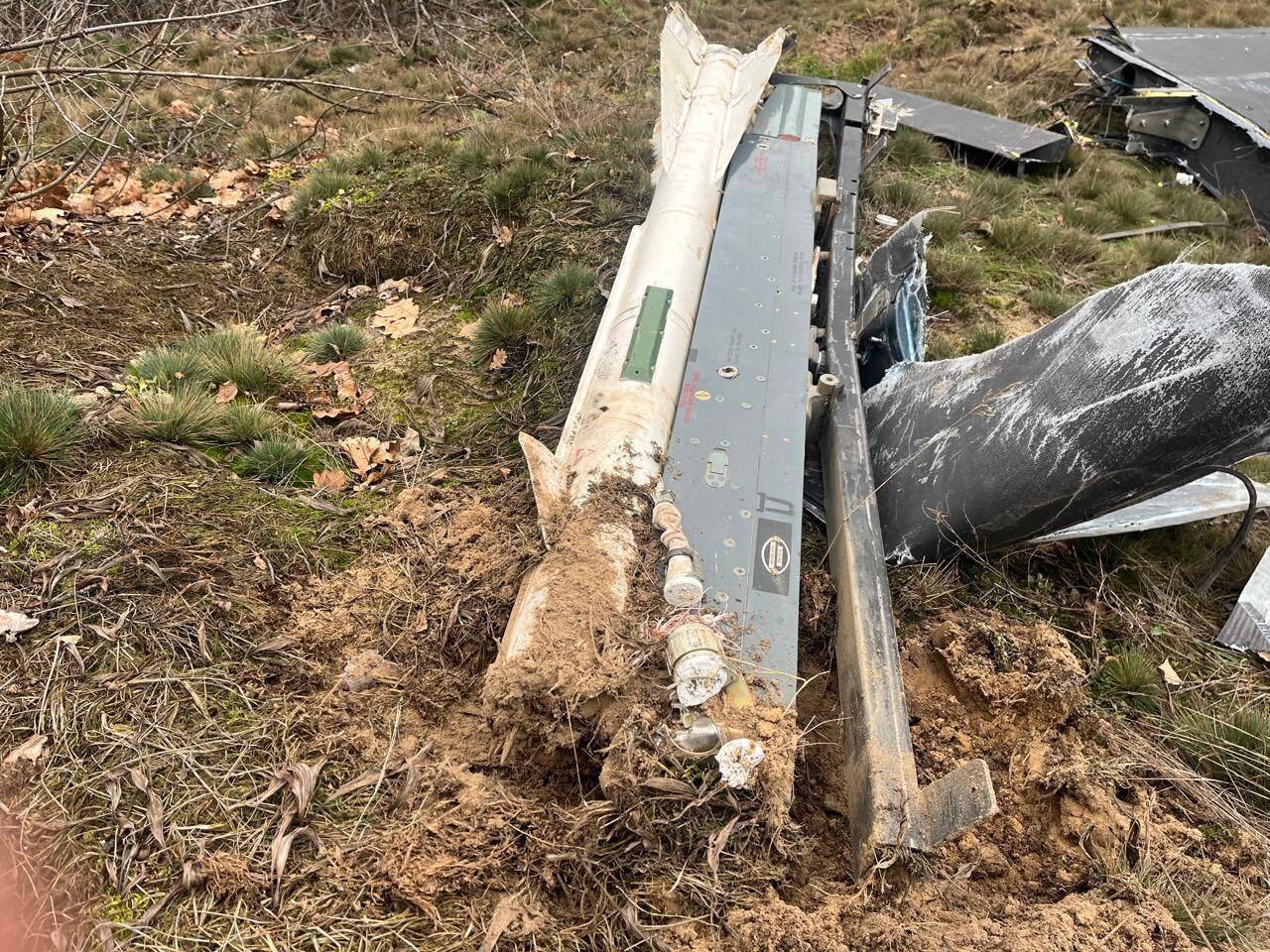
According to the Ukrainian non-governmental organisation, Sternenko Community Foundation, Ukraine’s Darknode Battalion of the 412th Nemesis Brigade shot down a Russian Shahed-136 one-way attack drone that was carrying an R-60 air-to-air missile (NATO reporting name AA-8 Aphid).
The missile was attached to a launch rail that had been installed on the Shahed’s nose.
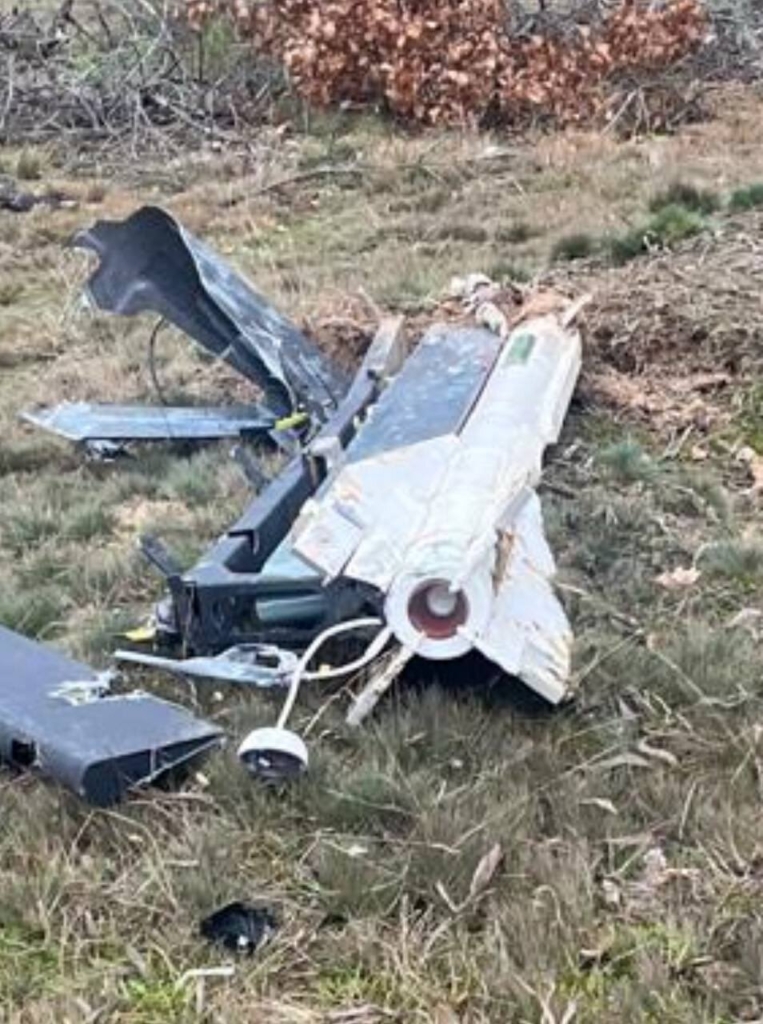
Serhii Sternenko added, “Likely, this is how the enemy is trying to counter our helicopter aviation.” For anyone following the war in Ukraine, this is not a surprising development.
The War Zone reports the seven-foot-long R-60 was designed by the Soviets and first entered service in the early 1970s. It, along with its smaller R-73 variant, remains in widespread service around the world. Its Western analogue is missiles like the AIM-9 Sidewinder family.
A logical step in the evolving drone war
Ukraine has already used kamikaze drones to bring down Russian helicopters in flight. It has also attracted air-to-air missiles on its sea-going drones (USVs) that have successfully shot down Russian fast jets. Ukraine is known to have put R-60 missiles on these USVs.
For the first time in warfare history, a fighter jet was shot down by a naval kamikaze drone equipped with missiles
— Ukraine Battle Map (@ukraine_map) May 3, 2025
Yesterday, a Ukrainian 🇺🇦 USV shot down a $50 million Russian Su-30 fighter jet over the Black Sea, +500km from Odesa, using a reconfigured R-73 air-to-air missile pic.twitter.com/OtHYsQdt1e
Russia putting air-to-air missiles on its Shahed-style drones is very much in character with this war. A Shahed was armed with a single R-60 heat-seeking missile and would have the effect of threatening Ukrainian helicopters, fighter jets, and creating a deterrent.
Ukraine is having considerable success in using its helicopters in an anti-drone role. Its newly supplied French Mirage 2000s and F-16 Fighting Falcons are also primarily tasked with air defence against cruise missiles and drones. Ukrainian Mirage 2000 pilots recently praised the old French Magic-2 air-to-air missile for being almost 100% effective.

The new Shahed drone with its air-to-air missile is designed to threaten these aircraft as they hunt the drones. It remains unclear how effective the measure will be and how Ukraine will need to respond.
Get the latest aerospace defence news here on AGN.
Ukraine’s new Sting drone hunter
It appears the Shahed carrying the missile was intercepted by the Sting anti-drone interceptor. Sting is a small interceptor drone built by Ukraine’s Wild Hornets team to intercept Shahed-style drones. Sting appears similar to the Octopus interceptor drones being mass-produced with the United Kingdom.
⚡️Ще один ексклюзив.
— Serhii Sternenko ✙ (@sternenko) December 1, 2025
Батальйон Darknode 412-ї бригади Nemesis збив Шахед, який ніс на собі авіаційну ракету Р-60.
Ймовірно, так ворог намагається протидіяти нашій вертолітній авіації. Втім, рішення наразі сумнівне.
Але от дрони проти Шахедів – рішення робоче!
ДОНАТЬТЕ НА… https://t.co/4xoImIMP30 pic.twitter.com/kWnwScK8rj
The Wild Hornets claim on their website, “Verified data show our drones have neutralised 1738 enemy assets valued at $1,69 billion.” It is unclear when that figure was updated; the most recent news articles on the website are from April.
According to NOEL reports on the 4th of November, in just four months of production, the fast and nimble drone has already taken down over 1,000 drones. This is up from the 600 interceptions over 600 claimed in mid-October.
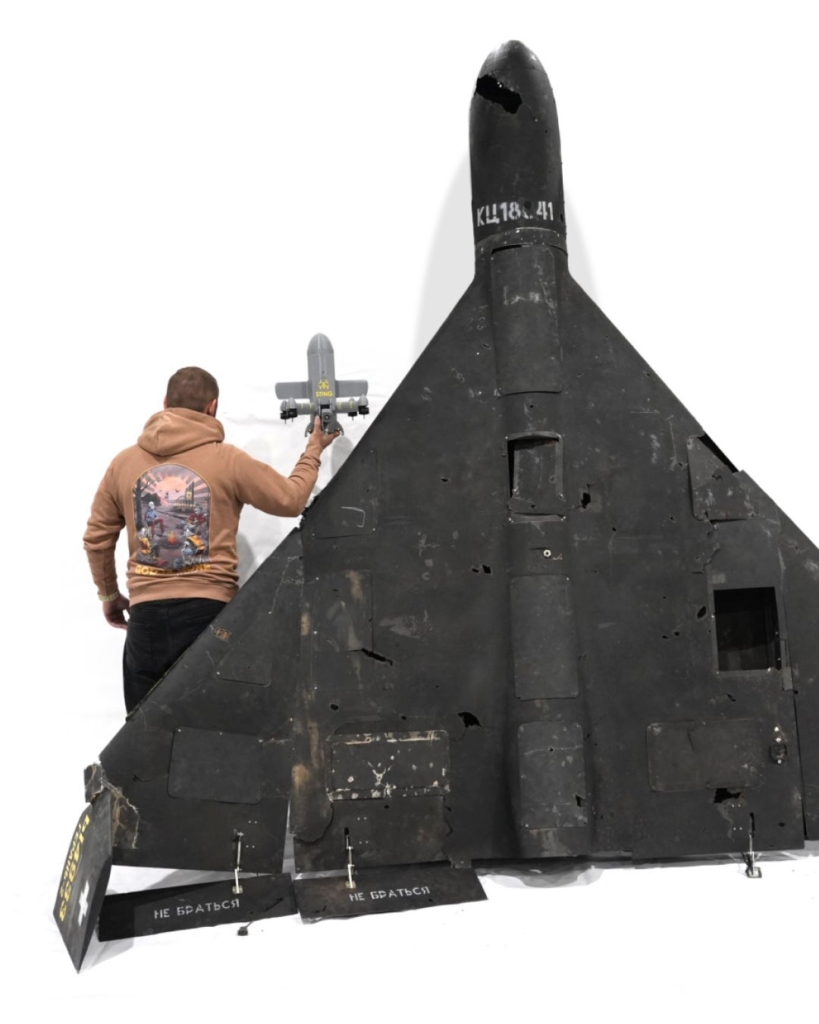
The interceptor is built to be an easy-to-use platform that can be mass-produced. The drone war in Ukraine is evolving so fast that reports of the status of the war are outdated within months or less.
Featured Image: Serhii Sternenko / X