Russia is running out of parts to keep ageing Antonov transport aircraft flying

April 10, 2026
The private intelligence and analytics firm Dallas has obtained internal Russian documents, some dated as recently as December 2025, that point to a growing crisis in Russia’s ability to sustain its ageing Antonov transport fleet.
The materials originate from Aviarmont, the state-owned maintenance organisation under Rostec, which is responsible for supporting the operational readiness of the Russian Aerospace Forces (VKS).
The documents suggest the issue is no longer simply fleet age, but Russia’s diminishing ability to maintain and sustain a critical segment of its military airlift capability.
Loss of Ukrainian supply chains leaves Russia struggling to maintain Antonov aircraft
The roots of the problem predate the full-scale invasion of Ukraine.
Following the annexation of Crimea in 2014, Russia’s cooperation with Ukraine’s Antonov Company collapsed, cutting off access to:
- original design expertise
- certified spare parts
- production and repair support
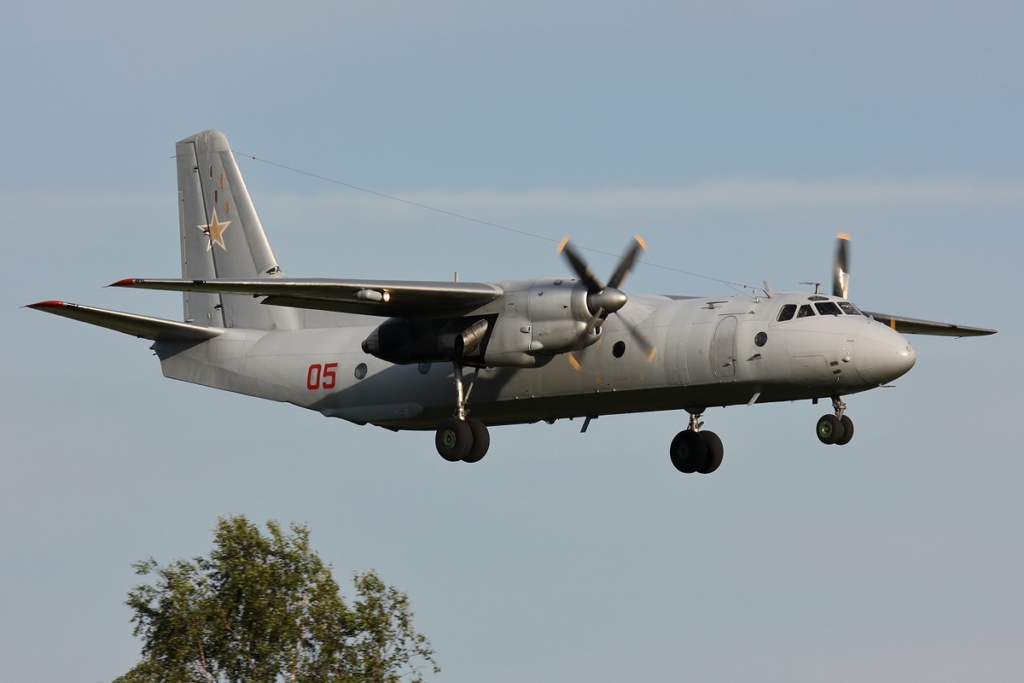
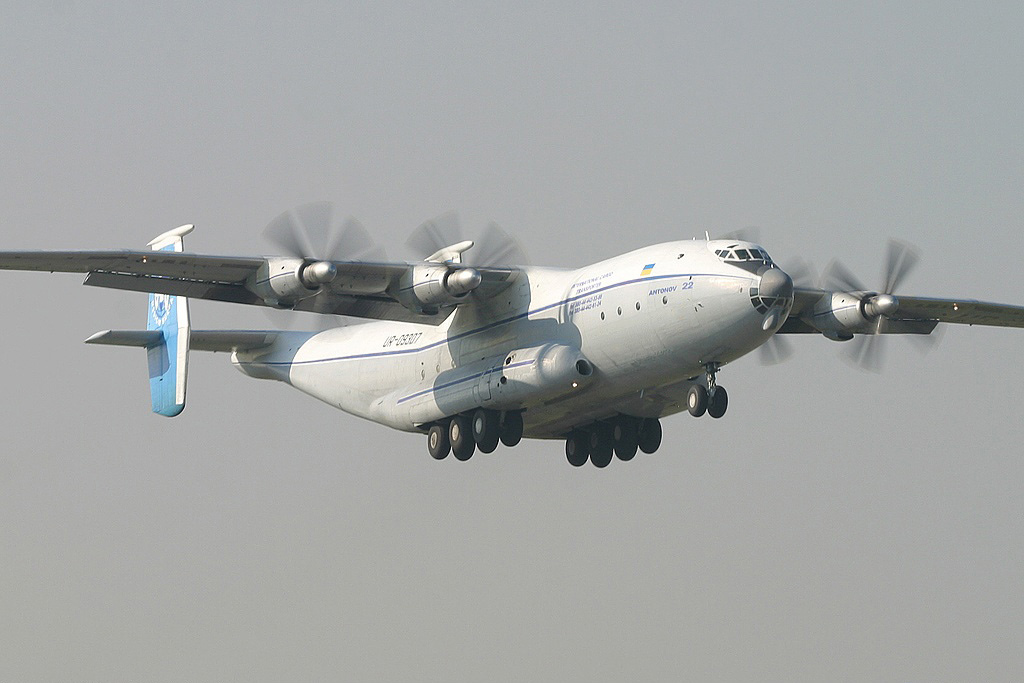
Aircraft, including the Antonov An-22, Antonov An-26, Antonov An-30 and Antonov An-72, remain in widespread use across Russian military and security services, but depend on a support ecosystem that no longer exists.
No new Antonov aircraft have been produced since 2016, leaving Russia reliant on an ageing fleet that cannot be readily replaced.
Parts shortages and missing design data undermine Russia’s Antonov aircraft maintenance
Internal correspondence cited by Dallas highlights three core constraints limiting Russia’s ability to sustain the fleet:
- no effective import substitution for key components
- incomplete or missing design and engineering documentation
- no domestic production of critical spare parts
In a report addressed to Rostec leadership, Aviarmont director general Albert Bakov warned that repair facilities are unable to carry out maintenance to the required standards under current conditions.
The documents also indicate that previously approved maintenance schedules for Antonov aircraft have not been fully implemented by the Russian Ministry of Defence, further compounding technical risk.
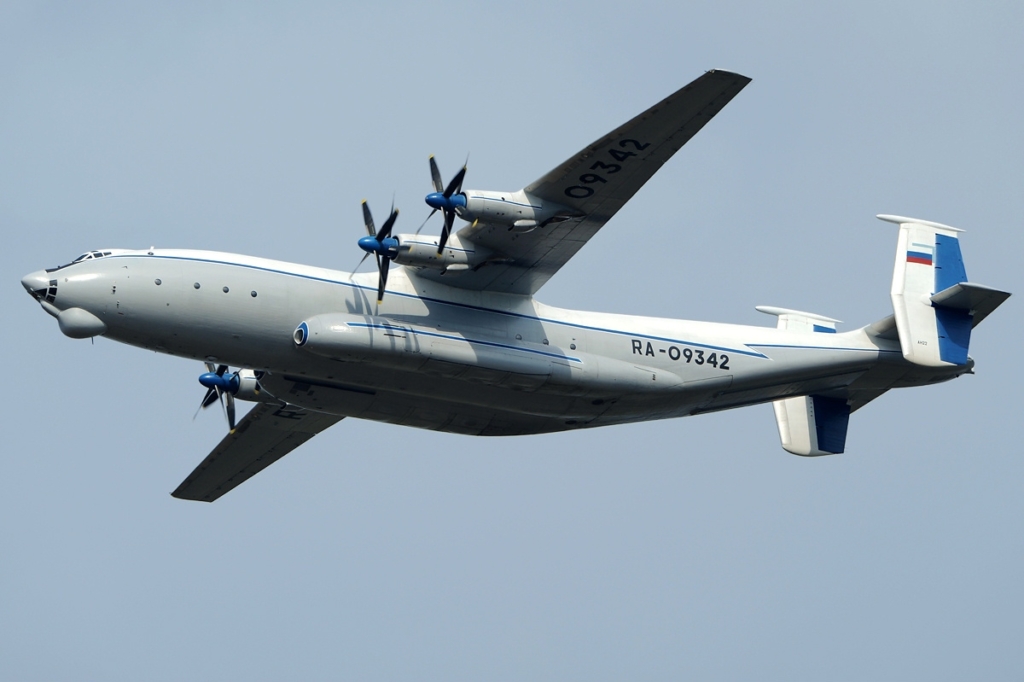
Open-source tracking by Oryx suggests Russia has lost only a small number of Antonov transport aircraft during the war, with visually confirmed losses remaining in the single digits.
However, the Dallas documents indicate that battlefield attrition is not the primary constraint on the fleet.
Instead, the more significant risk lies in sustainment. The growing backlog of aircraft awaiting repair and an inability to source critical components mean maintenance timelines can no longer be met.
| Metric | Value |
|---|---|
| Total Antonov aircraft in service | 368 |
| Aircraft requiring repair | 143 |
| Aircraft not requiring immediate repair | 225 |
| Share of fleet needing repair | 38.9% |
| Primary operators | Russian Ministry of Defence, National Guard and FSB aviation units |
This points to a slower but more consequential decline, where aircraft are lost not to combat, but to maintenance bottlenecks and structural degradation.
AGN has previously reported how sanctions mean Russia is unable to purchase new Boeing, Airbus, Embraer, ATR, COMAC, and other commercial aircraft, as these aircraft (including Chinese) have Western components.
At the same time, Russia is trying to substitute key components and resume production of its own aircraft. This is easier said than done, and while prototypes are flying, they have yet to yield tangible results.
Warning Russia could be forced to ground Antonov aircraft in 18-24 months
One internal assessment, dated May 2025, delivers the starkest conclusion.
It warns that, without urgent intervention, repairs to Antonov aircraft could become impossible within 18 to 24 months, at which point continued operation would no longer be viable.
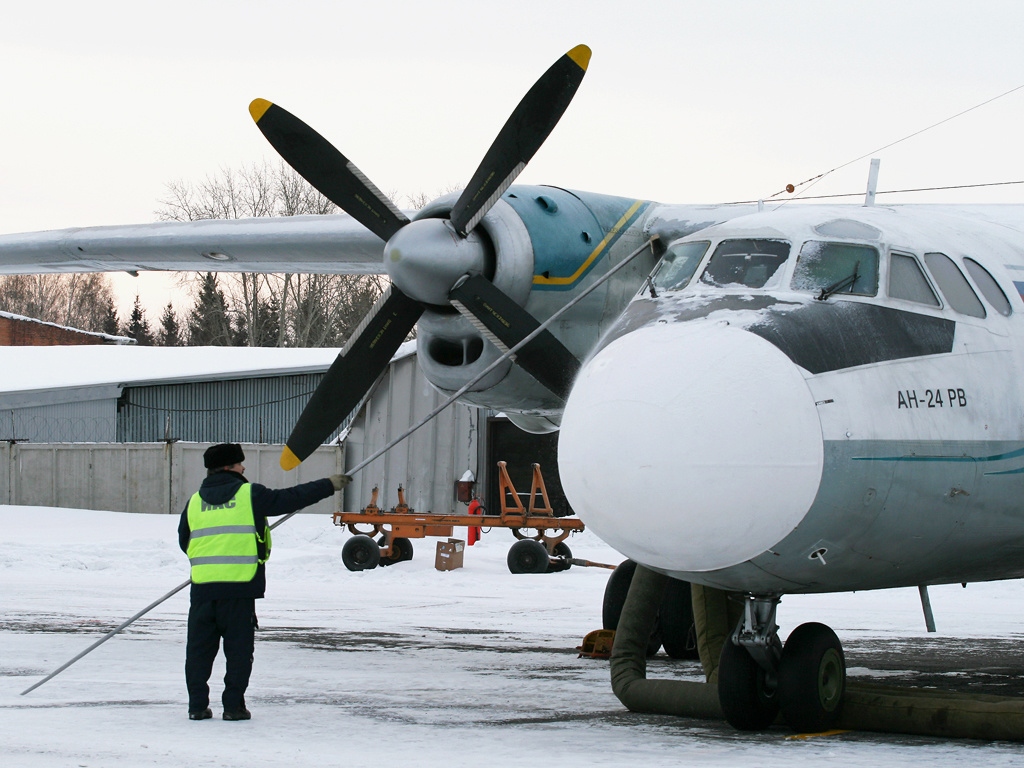
According to the documents, existing contracts cannot be fulfilled within the required timeframes due to the lack of parts and technical capability.
The sustainment challenge is being exacerbated by financial and industrial pressures.
Aviarmont facilities, including key Antonov repair plants, are reported to be under severe financial strain, with funds allocated under state defence contracts already exhausted in some cases.
| Metric | Value |
|---|---|
| Aircraft under overhaul at 308 ARZ | 14 |
| State defence contracts covering those aircraft | 11 |
| Funds already spent | RUB 2.389bn |
| Additional funding required | RUB 4.195bn |
| Aviarmont repair plants | 15 |
| Aviarmont 2024 financial result | Loss of RUB 4.7bn |
Planned programmes to address component shortages, including work led by the Myasishchev Experimental Machine-Building Plant, are not expected to receive significant funding until later in the decade.
At the same time, Western sanctions have restricted access not only to Ukrainian components but also to wider global aerospace supply chains, limiting Russia’s ability to source alternatives.
Recent Antonov crashes highlight growing safety concerns in Russia’s fleet
Recent incidents have underscored the potential consequences of these challenges.
In December 2025, an Antonov An-22 broke apart during a test flight following maintenance, killing all crew on board. In March 2026, an Antonov An-26 crashed during a routine flight over Crimea, with 29 fatalities, including a senior Russian general. Early reports pointed to a technical malfunction.
While individual causes remain under investigation, the broader trend aligns with concerns raised in internal documents about a decline in maintenance capability. Russia is already investigating 51 regional airlines for maintenance violations.
✈️Moment of the crash of the Russian military transport aircraft An-22 https://t.co/TnvYdBNXB9 pic.twitter.com/7u5xoRh2wx
— Special Kherson Cat 🐈🇺🇦 (@bayraktar_1love) December 14, 2025

Antonov aircraft play a central role in Russia’s military logistics system, supporting:
- troop transport and rotation
- resupply of forward units
- operations in remote regions, including the Arctic and Far East
Unlike combat aircraft, these platforms underpin operational reach and sustainment.
A sustained decline in availability would therefore have disproportionate effects on Russia’s ability to move and support forces across its territory and in active theatres.
The documents do not point to an immediate grounding of the fleet, but they do suggest a trajectory of progressive degradation.
Without access to original supply chains and with domestic substitution efforts still falling short, Russia faces a narrowing window to stabilise its Antonov fleet.
The issue is no longer how many aircraft remain in inventory, but how many can be kept airworthy in the years ahead.
Featured Image: Sulivanmark / Wikimedia