RAF gunners hailed as ‘aces’ after downing Iranian drones in Middle East

March 30, 2026
The Royal Air Force has informally designated ground-based personnel as “aces” after they shot down more than five Iranian drones during recent operations in the Middle East, the UK government confirmed on 28 March.
The move comes as British forces continue to play a supporting role in defending allied assets and interests in the region amid ongoing Iranian missile and drone attacks.
RAF awards ‘ace’ status for first time after Iran drone interceptions
The UK government formally confirmed the designation on 28 March, stating that RAF Regiment gunners in the Middle East had become “aces” for the first time in the unit’s history. The term, traditionally reserved for fighter pilots who down five enemy aircraft, is no longer officially used by the RAF and is largely considered historical.
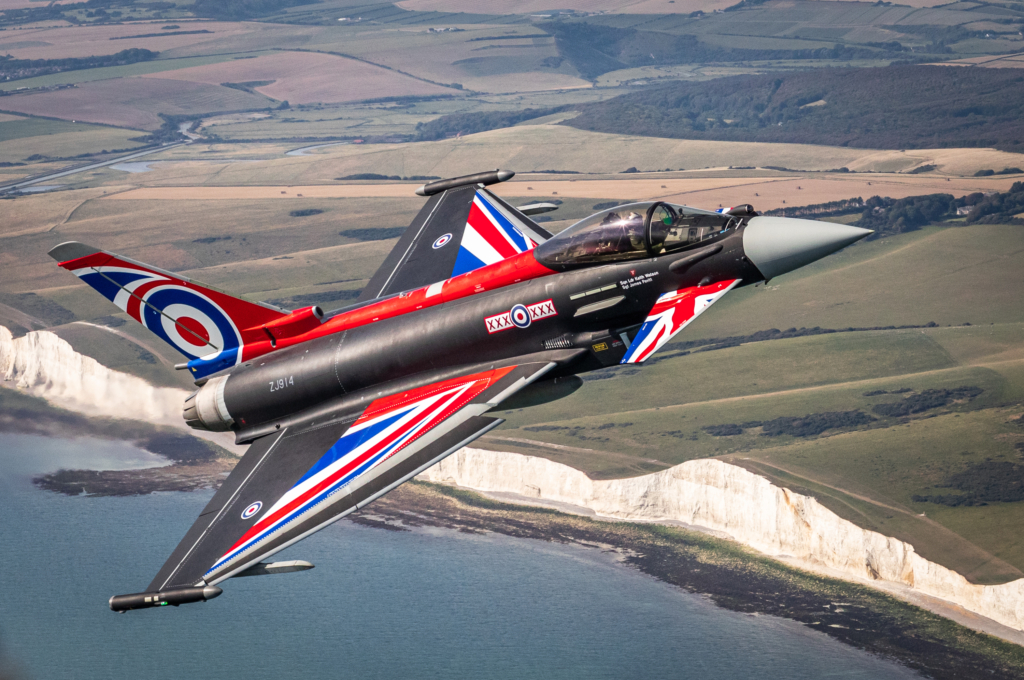
An “ace” has traditionally referred to a pilot credited with shooting down five enemy aircraft in aerial combat. In this case, the designation has been applied to engagements involving Iranian drones, intercepted using ground-based air defence systems rather than fast jets such as the Eurofighter Typhoon.
Update on UK operations in the Middle East, 29 March 2026. pic.twitter.com/ah2Z9C365H
— Ministry of Defence 🇬🇧 (@DefenceHQ) March 29, 2026
Under this interpretation, RAF Regiment gunners are considered to have reached the five-kill threshold, with four personnel now described as having achieved “ace” status following multiple drone interceptions during operations in the Middle East.
RAF deploys Rapid Sentry system to counter Iranian drone threat
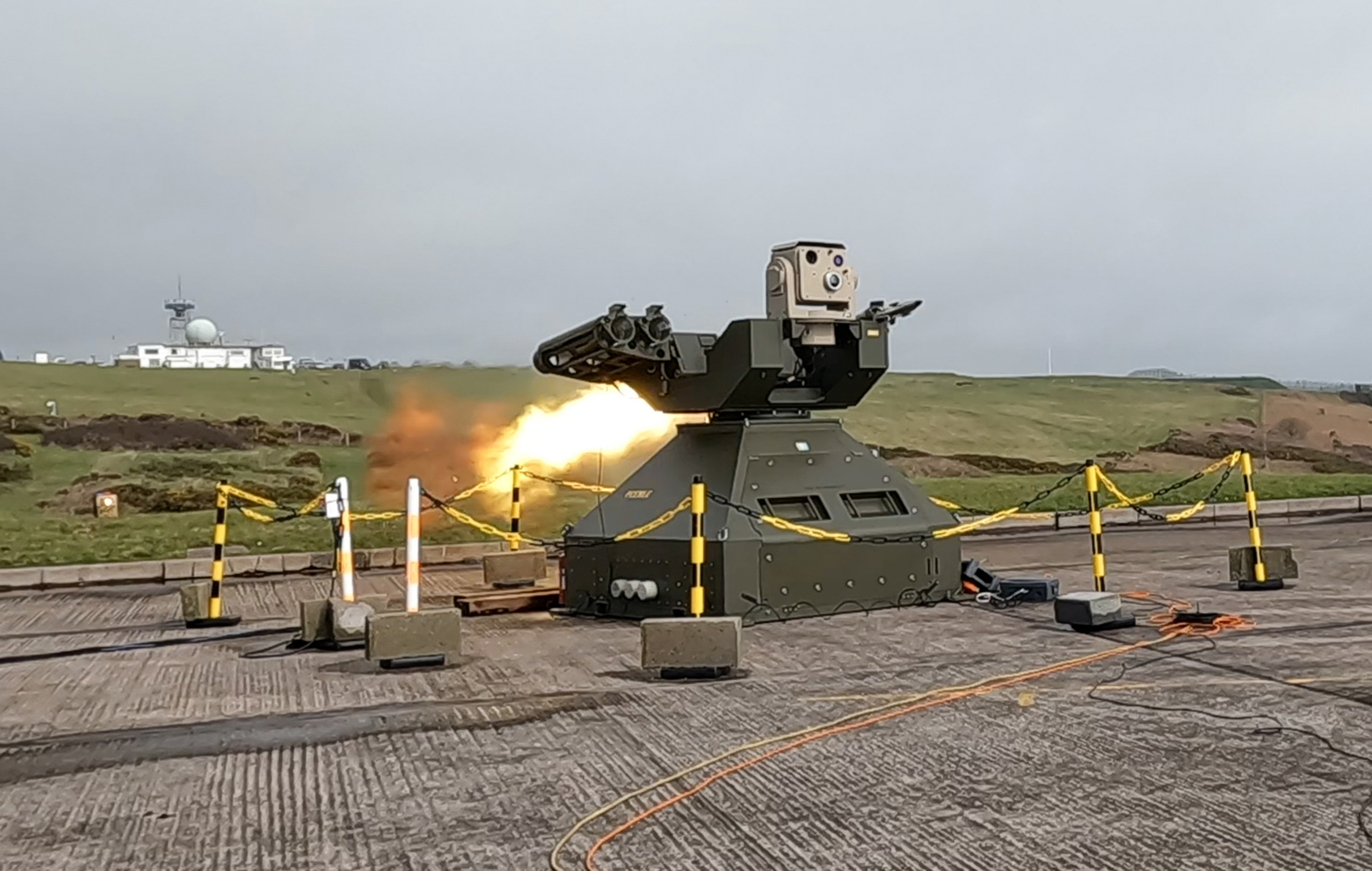
The RAF is using a layered approach that combines early-warning sensors, electronic warfare, and the Rapid Sentry short-range air defence system, which is armed with Lightweight Multirole Missiles (LMM).
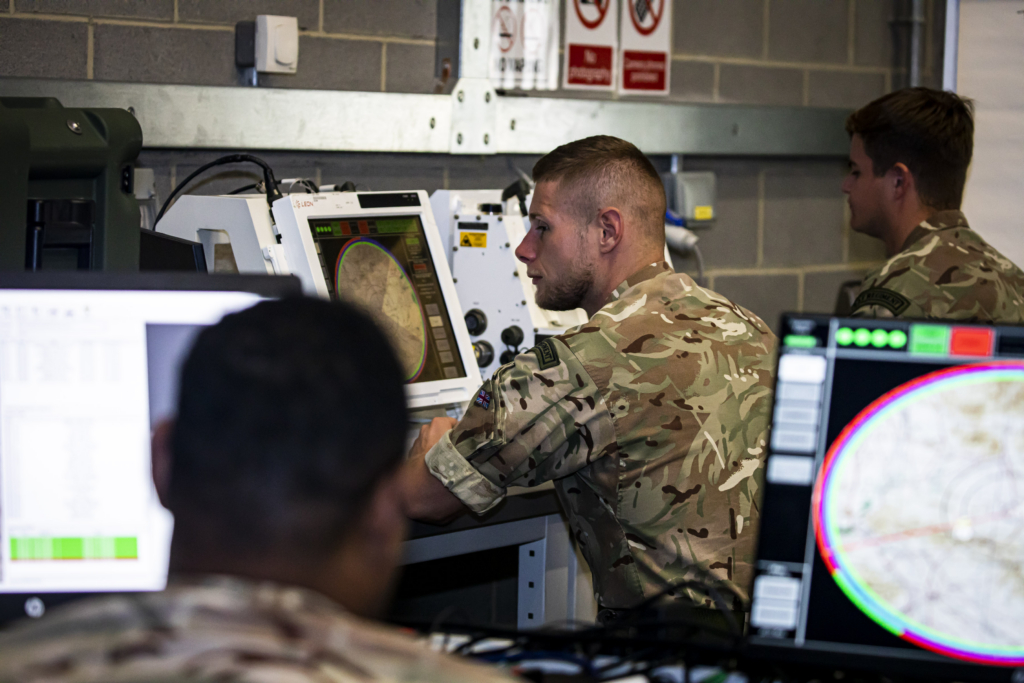
Since the start of the conflict, RAF Regiment personnel, supported by Royal Air Force engineers and air surveillance officers, have been engaged in countering Iranian drones and missiles.
The UK government said that during 23–24 March, gunners operating within a ground-based counter-drone unit “delivered the most effective defensive outcome achieved in a single night to date”.
The Royal Air Force says the RAF Regiment’s counter-UAS operators are working in a dense, high-tempo environment with layered sensor and radar networks, electronic warfare, and kinetic defeat-effect systems.
Update on UK operations in the Middle East, 27 March 2026. pic.twitter.com/YRQzs151Wu
— Ministry of Defence 🇬🇧 (@DefenceHQ) March 27, 2026
While the combined Gulf State, US, UK, and other allied air defence presence in the region is formidable and has neutralised the vast majority of Iranian-fired projectiles, a frustrating number have been getting through, striking high-value targets.
Ukraine is now working with the Gulf states, offering its assistance in shooting down Iran’s many Shahed-style drones. Ukraine is offering its numerous and cheap interceptor drones and is reportedly asking for the UAE’s withdrawn fleet of Mirage 2000s.
RAF and Royal Navy expand presence in Middle East conflict
In the build-up to the US-Israeli air campaign over Iran, AGN reported that the Royal Air Force was also building up its Eurofighter Typhoons as well as F-35B fighter jets at Al Udeid (Qatar) and Akrotiri (Cyprus).

The question was never so much whether the United Kingdom would be involved in the conflict, but rather what type of involvement that would be. So far, the Royal Air Force has been active protecting its allies and partners in the region (including Cyprus) from Iranian and Hezbollah missile and drone attacks.

Since the war broke out, the UK has dispatched the Type 45 air defence destroyer, HMS Dragon, to protect Cyprus and an attack submarine to near Iran. It is in talks to take part in a future coalition mission to police the Strait of Hormuz, although that operation is not imminent.
Featured Image: Royal Air Force