8 historic RAAF warbird aircraft withdrawn from 100 Squadron service after review

January 19, 2026
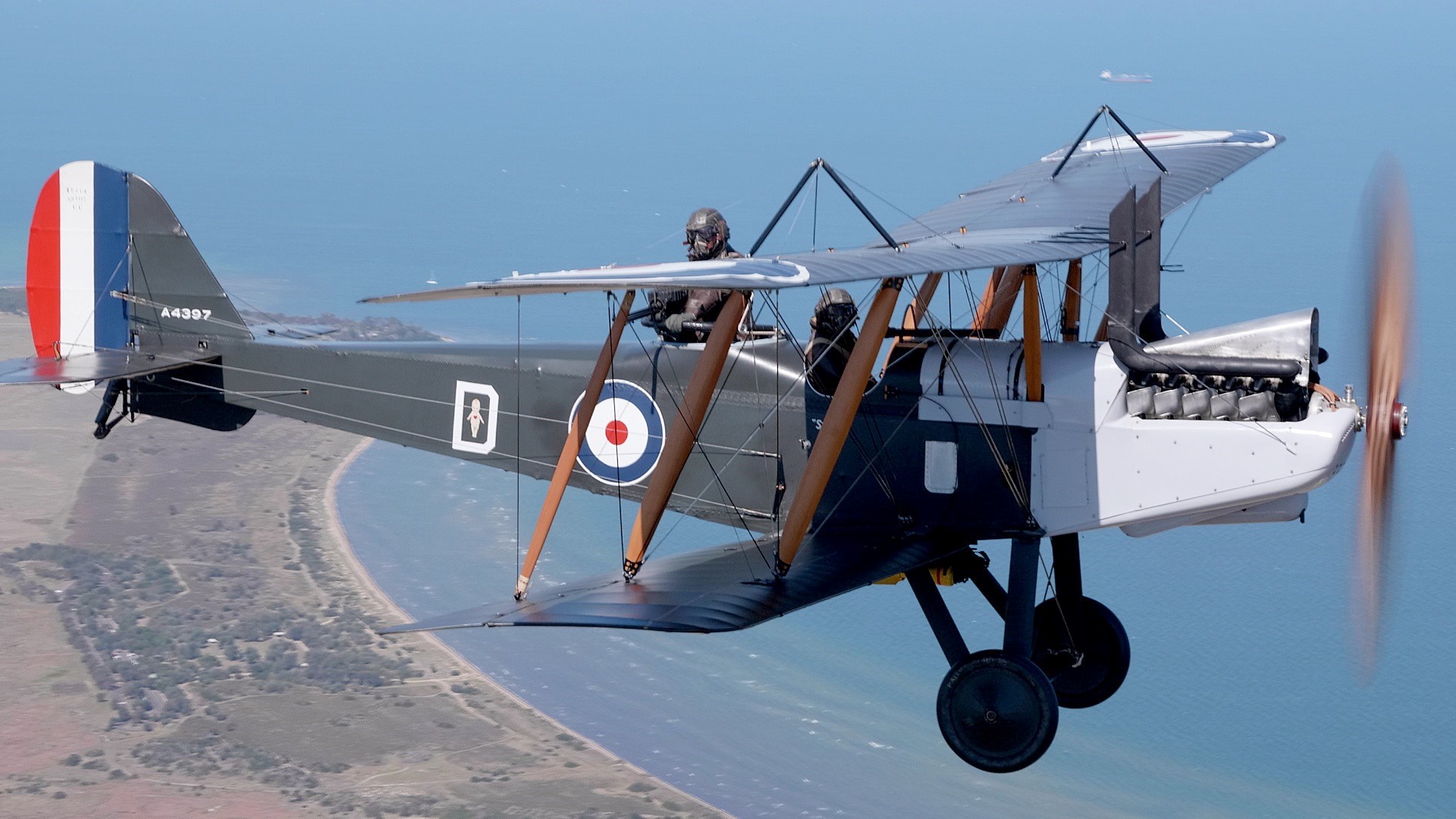
The Australian Air Force is trimming its fleet of 19 heritage aircraft to just 11 following a review that assessed aircraft airworthiness. Some of the retirements include WWI-era aircraft.
RAAF to retire eight heritage military aircraft
On the 15th of January, the Royal Australian Air Force (RAAF) announced it will be withdrawing eight heritage aircraft following a review to “ensure 100 Squadron remains safe, sustainable, and connected to Air Force history.”
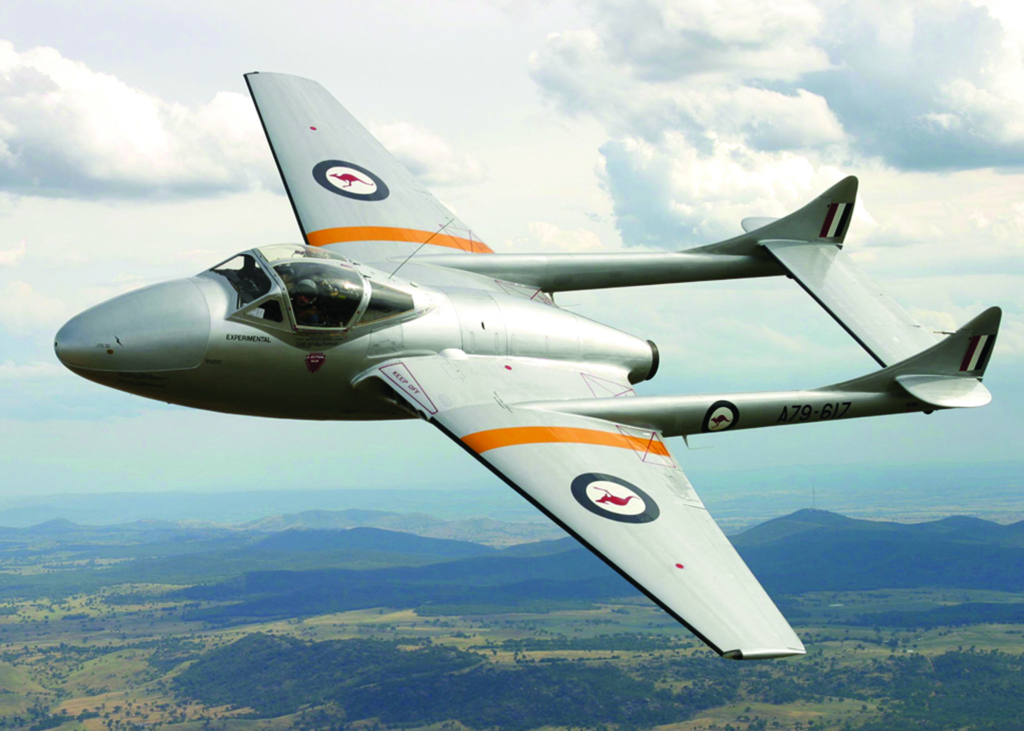
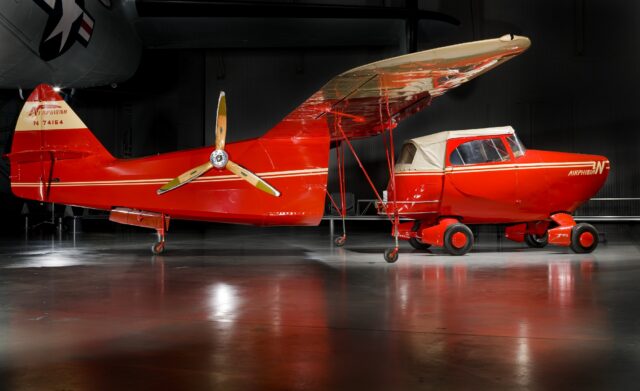
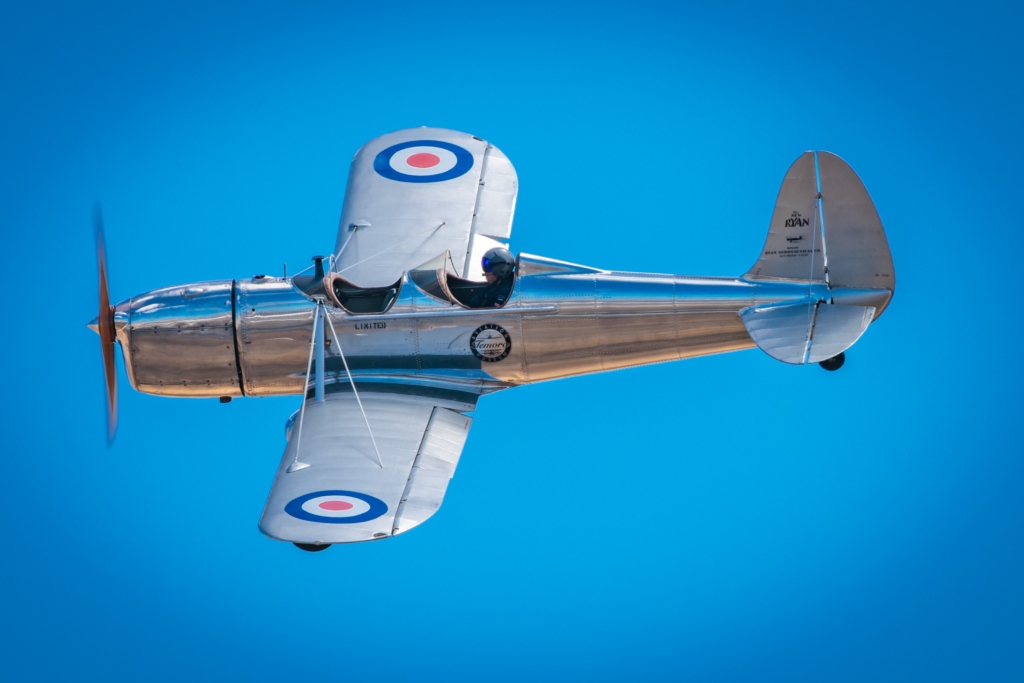
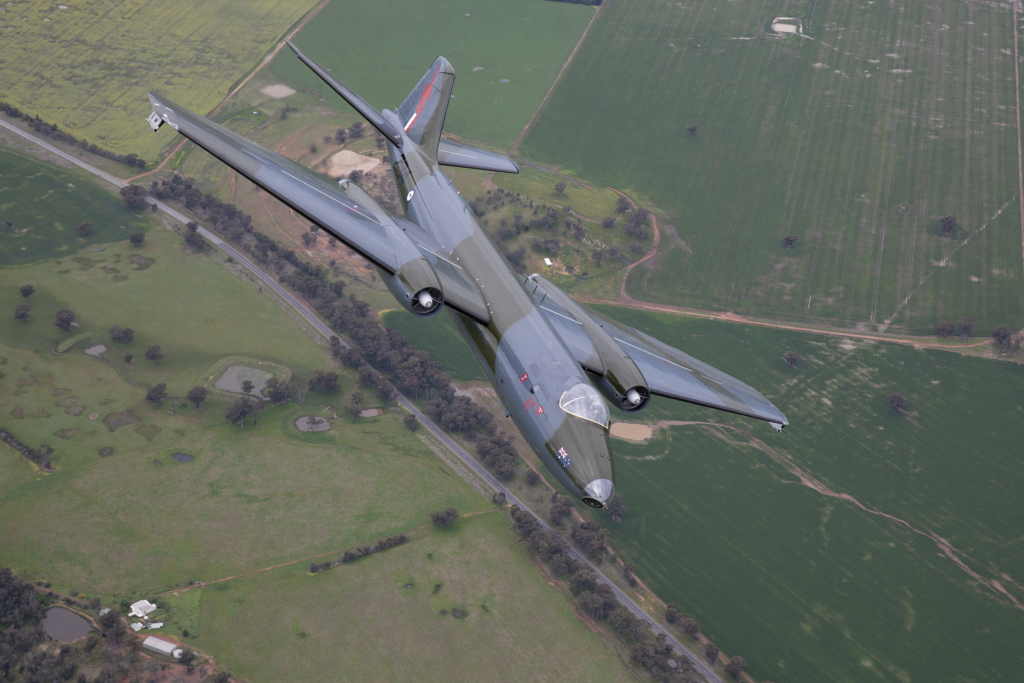
These aircraft are DH-115 Vampire T.35, Gloster Meteor F.8, Cessna A-37B Dragonfly, Ryan STM-S2, English Electric Canberra, CA-27 Sabre, CT4A, and Royal Aircraft Factory RE8.
It added that streamlining the remaining fleet will allow Australia’s 100 Squadron to maintain “quality heritage displays, engage communities, and protect the long-term viability of Air Force’s heritage capability.”
The force says that withdrawing these old aircraft is essential to maintain operational safety as well as a balanced preservation of heritage. It notes that it is increasingly difficult to maintain aircraft as they age.
While it’s hard to see these aircraft retire, heritage aircraft are comparatively dangerous. For example, there have been at least three Spitfire crashes in the last 18 months. In July 2024, a pilot was killed after his replica Spitfire crashed and caught fire at Enstone Airfield in England.
In May 2025, RAF pilot Sqn Ldr Mark Long was killed when his WWII veteran Spitfire (owned by the Battle of Britain Memorial Flight) crashed. In October 2025, another Spitfire was forced to make an emergency landing after the engine failed.
Get the latest aerospace defence news here on AGN.
Fate of the retiring heritage aircraft
The aircraft will be transferred “with dignity” to museums and heritage organisations. It is unclear how many, if any, of these will continue flying with new owners.
The news release says that the five aircraft that had originally been transferred from the Temora Aviation Museum will return there. The Temora Aviation Museum says these are the Vampire T.35, Meteor F.8, A-37 Dragonfly, Ryan STM-S2, and Canberra.
The RAAF says the other three are being considered for static display at approved institutions. It doesn’t specify them, but are the CA-27 Sabre, CT4A, and Royal Aircraft Factory RE8.
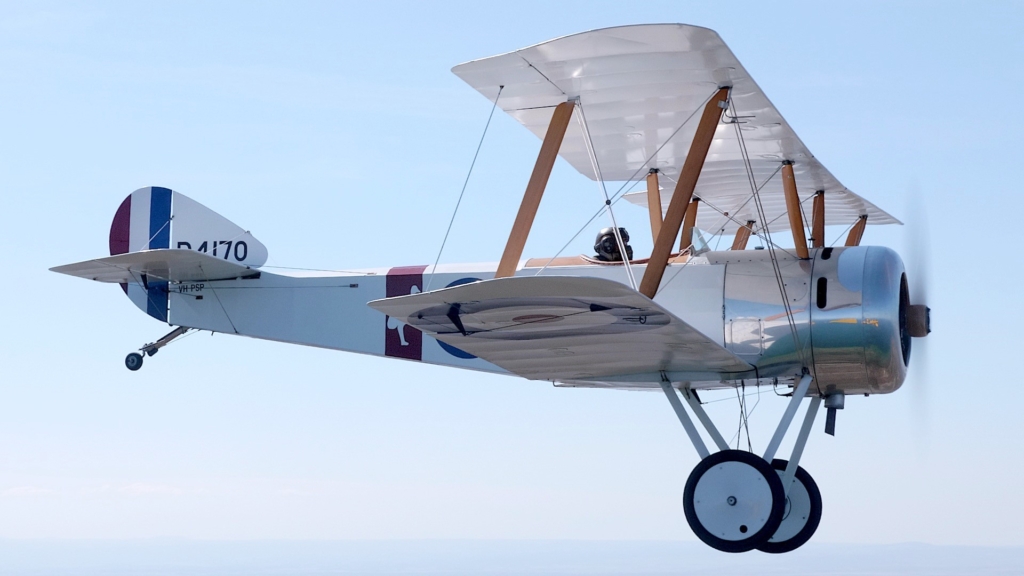
Of the aircraft being retired, some that particularly stand out are the RE8 (a biplane from WWI), the Sopwith Pup (also a biplane from WWI), and the Gloster Meteor. The Gloster Meteor was the second jet fighter to enter service during WWII.
The CT4A is notable for its Kiwi heritage, being developed in New Zealand as a military training version of the Australian-designed Victa Aircruiser.
In New Zealand, the combined military and civil Air Force Heritage Flight of New Zealand operates the North American T-6 Harvard, de Havilland Tiger Moth, the Supermarine Spitfire, the Grumman TBM Avenger, and the North American P-51 Mustang.
Remaining RAAF heritage aircraft fleet
The RAAF asserts that reducing the fleet will allow it to better focus on operating a select group of heritage aircraft for ceremonial duties and flying displays. The remaining aircraft are heavily WWII-era.
The remaining RAAF heritage fleet will consist of eleven aircraft. These are the North American Mustang, North American Harvard, CAC Winjeel, two de Havilland Tiger Moths, Sopwith Pup, Lockheed Hudson, Spitfire Mk8, Spitfire Mk16, CAC Boomerang, and CAC Wirraway.
The RAAF Heritage Squadron was reformed in 2021 to coincide with the Australian Air Force Centenary. It is based at RAAF Base Point Cook and the Temora Aviation Museum.
Australian Aviation says this reestablished the squadron after it was disbanded in its previous incarnation in May 1946.
The 100 Squadron was formed from surviving personnel from the British RAF’s No. 100 Torpedo Bomber Squadron after escaping Malaya as it fell to the Japanese.
Featured Image: RAAF