Hairy situation: Qantas’s beard ban sparks a global aviation safety debate

September 2, 2025
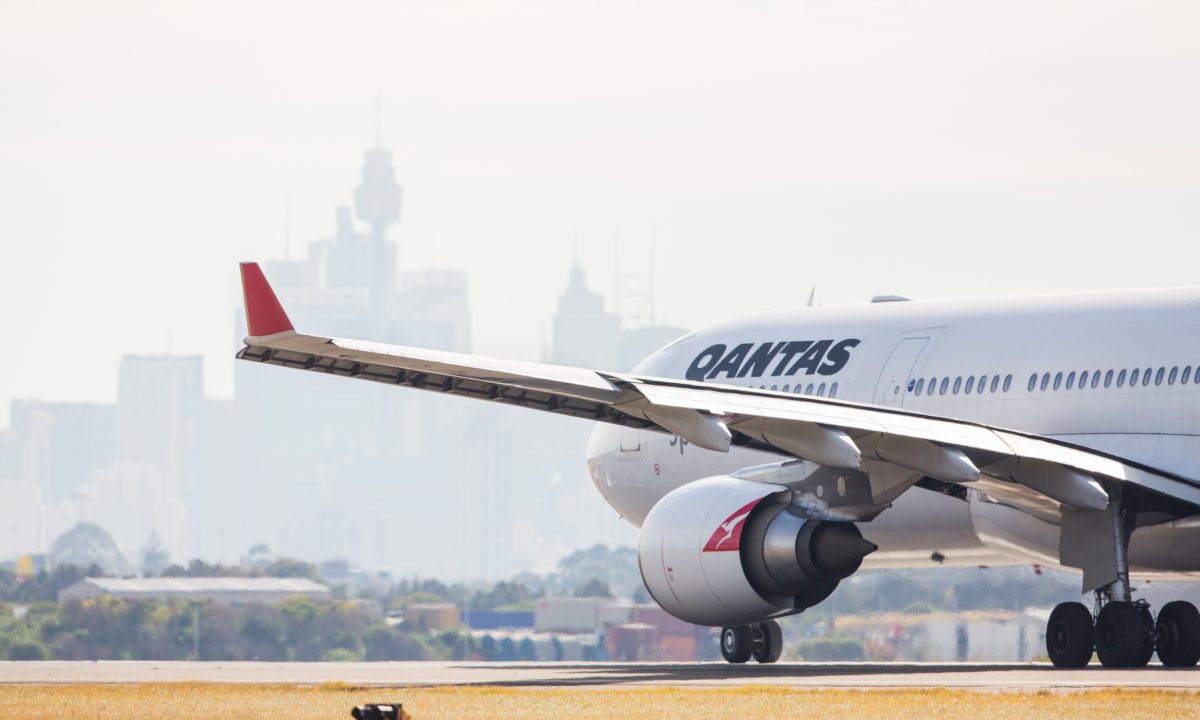
Qantas is moving to standardise a clean-shaven rule for all pilots, extending an existing ban at Qantas and Jetstar to regional carrier QantasLink. The airline cites a QinetiQ safety review that warns facial hair can compromise the seal of quick-donning oxygen masks in emergencies.
The proposal has sparked union pushback and a broader scientific argument over whether modern masks are actually affected by beards.
Why Qantas wants pilots to be clean-shaven
According to reporting on the internal consultation, Qantas’s stated rationale follows QinetiQ’s conclusion that beards may impair mask seal integrity, reducing oxygen delivery at altitude—hence a uniform “no-beard” policy across all pilot groups. A decision has been under consultation, with feedback solicited from crews.
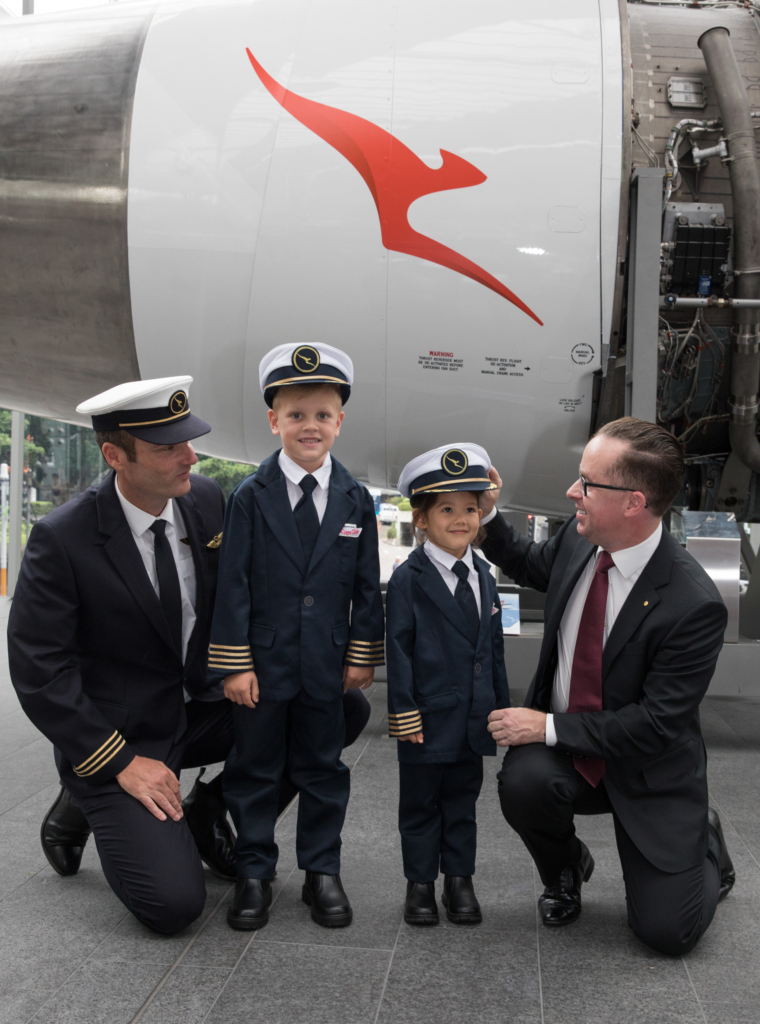
Aviation unions have raised concerns about Qantas’ transparency, suggesting that the QinetiQ study may have been selected or framed to support a management agenda rather than approach the issue objectively.
The Australian Federation of Air Pilots has stated:
“This existing policy is already outdated and based on obsolete science. The AFAP holds serious concerns about the independence and integrity of the QinetiQ process. We will be submitting a detailed response outlining the scientific flaws in QinetiQ’s approach and presenting the most up-to-date, peer-reviewed evidence on this issue. This submission will be shared with members once finalised.
“We also note that Virgin Australia permits tidy beards among its flight crew, as do Emirates, Etihad, and Cathay. The Royal Australian Air Force also lifted its ban on facial hair in late 2022, as long as beards were kept neat within a minimum bulk of 4mm and a maximum of 5cm.”
The pilot beard science duel: Embry-Riddle vs. QinetiQ
In 2024, researchers at Embry-Riddle Aeronautical University (ERAU) tested pilots and students in three groups: clean-shaven, short-beard (~1 cm), and long-beard (more than 3 cm) in a simulated 30,000-ft environment.
Participants donned standard oxygen masks while oxygen saturation, heart rate, and leak detection (via test vapours) were monitored. The result: no evidence of mask leakage, hypoxia, or performance degradation attributable to facial hair.
QinetiQ, by contrast, reportedly leans on the long-standing view—also reflected in older advisories—that hair compromises seals. ERAU’s Prof. John French has criticised the QinetiQ review as over-reliant on outdated or non-aviation respirator data and not reflective of modern flight-deck equipment; QinetiQ has questioned ERAU’s conclusions in turn. In short, the science is contested.

The beard debate extends outside of Australia to the US. The FAA published an advisory circular in 1987 warning flight crew against growing beards, based on a study conducted by the Civil Aeromedical Institute (CAMI). As AC No. 120-43 stated, “Bearded crewmembers should be aware that oxygen mask efficiency is reduced by the presence of facial hair.”
That AC has largely driven airline policy on pilot beards over the past thirty-eight years. However, the 2024 study conducted by Embry-Riddle found no correlation between facial hair and oxygen mask performance.
“None of the beard conditions differed in the time to don the masks,” the study’s authors wrote. “There were no differences in the arterial saturation per cent of oxygen (Spo2) between beard conditions for either mask-on or mask-off segments in the chamber. There were significant differences in Spo2 between the mask-on segment and the mask-off segment, indicating that hypoxemic conditions would have been detected had the masks been ineffective.”
How other airlines handle pilot beards
Policies on facial hair vary widely at airlines worldwide, balancing legacy safety guidance against newer data and workforce lifestyle and religious expectations:
- US majors (Delta, United, American, etc.): Generally do not allow beards for pilots; some allow moustaches within strict limits. Their rules are grounded in the oxygen-mask-seal rationale of the FAA’s 1987 AC.
- Air Canada: Allows beards if kept ≤ 12.5 mm. This policy change was supported by a study by Simon Fraser University, which also found that beards do not degrade mask performance.
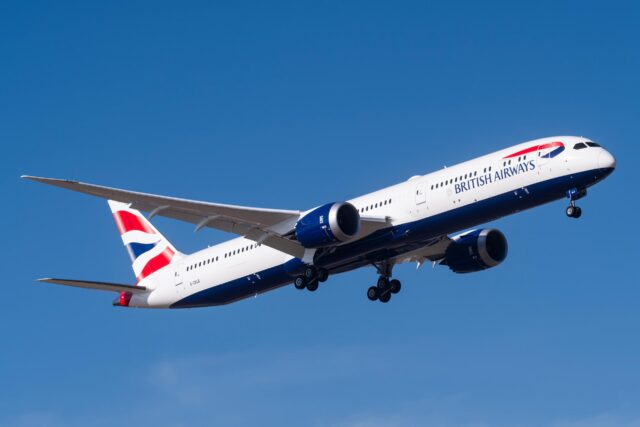
- British Airways permits trimmed beards, provided they meet the requirements of its smoke hood seal.
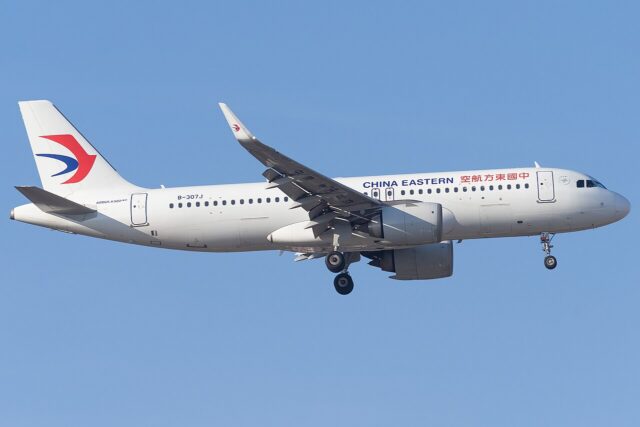
- Virgin Australia, Emirates, Etihad, and Cathay Pacific all reportedly permit a neat beard.
- Australia’s RAA lifted its ban in 2022, accompanied by grooming limits (e.g., defined bulk/length of the beard).
A hairy situation for Qantas to navigate
For Qantas, a group-wide ban would harmonise cockpit appearance rules and remove ambiguity across brands. However, it would also put the flag carrier at odds with its employees, with competitors, and with national military practices that already allow trimmed beards.
Some research suggests that there is no operational safety risk associated with facial hair under modern equipment. However, Qantas has chosen to support findings that contradict this, aligning with its own agenda. Feedback from pilots’ unions may still prompt the beard question to take another direction in Australia.
The Qantas beard dispute raises global questions about aviation industry studies: Should legacy safety findings dictate policy indefinitely, or should rules evolve in response to new human-factors data and advancements in equipment design?