Qantas Airbus A380 flew over 17,000 miles with a tool left in its wing

January 27, 2026
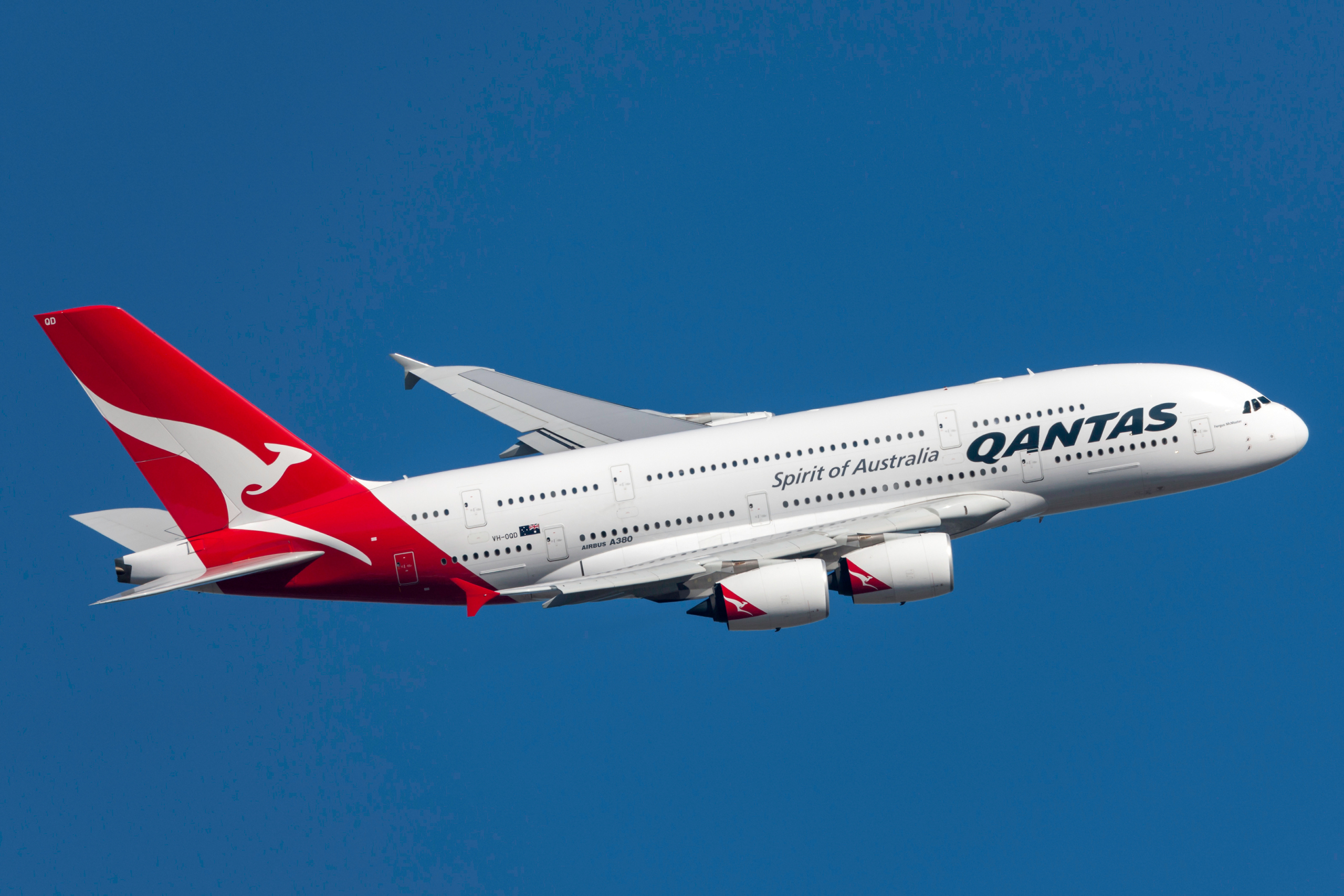
Australia’s air safety regulator has opened an investigation after a maintenance tool was discovered inside the wing structure of a Qantas Airbus A380 following a return flight between Sydney and Dallas.
The Australian Transport Safety Bureau (ATSB) confirmed it is examining an incident involving an Airbus A380 with tail number VH-OQK, after a tool was located inside the aircraft’s left wing at Sydney Airport on 9 January 2026.
The aircraft had completed two flight sectors before the object was identified.
Registered as investigation AO-2026-004, the event has been classified as a foreign object debris incident. No damage to the aircraft was reported, and no injuries occurred.
Qantas A380 completed trans-Pacific flight before tool was discovered
According to ATSB data, the aircraft had operated a long-haul service from Dallas/Fort Worth International Airport to Sydney before the tool was found. The regulator confirmed the object was discovered during a post-flight inspection.
“The ATSB is investigating an occurrence where a tool was located inside the left wing of a Qantas Airbus A380,” the bureau said in its notice.
It added that the investigation is currently in the evidence-collection phase, which will involve interviews with relevant personnel, examination of maintenance documentation and review of other data.
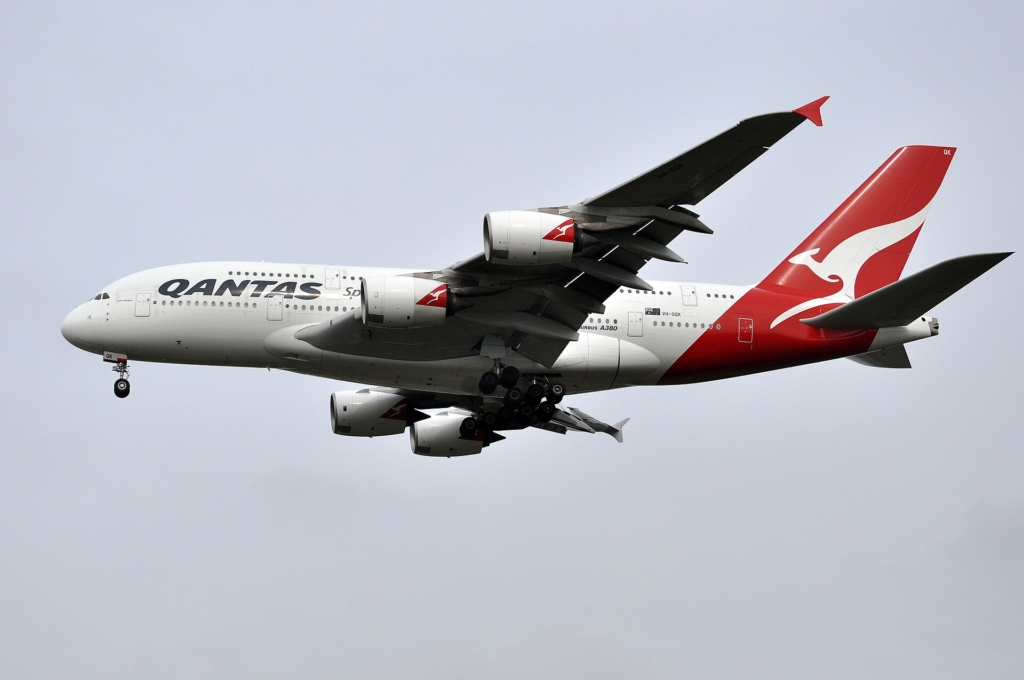
The ATSB said a final report is expected in the second quarter of 2026, adding that if any critical safety issue is identified during the inquiry, relevant parties would be notified immediately.
Qantas has not indicated that the incident affected flight safety, but the presence of an object within the airframe structure will raise questions about the airline’s maintenance processes.
Not the first time Qantas has flown an Airbus A380 with a tool where it shouldn’t be
The investigation comes against the backdrop of a similar incident involving another Qantas A380.
In a report published in November 2024, the ATSB said a 1.25m nylon tool, used to turn the engine’s intermediate‑pressure compressor during borescope inspections, was left inside the engine of an Airbus A380 during maintenance at Los Angeles International Airport.

The tool lodged in the engine’s low-pressure compressor section for 34 flight cycles – nearly 300 flight hours – before being discovered during a subsequent check.
“The ATSB investigation found that maintenance engineers did not notice the tool had been left in the engine’s low-pressure compressor case when conducting checks for foreign objects at the completion of the borescope inspection task,” ATSB Chief Commissioner Angus Mitchell said.
“Further, maintenance engineers did not commence the lost tool procedure once the tool had been identified as missing, and the certifying engineer released the aircraft for service with the tool unaccounted for.”
Although the tool was deformed, no engine damage was identified.
After that incident, Qantas Engineering said it had “immediately briefed staff on the importance of ensuring all tooling is returned and actioned by tool store personnel”.
Jetstar Airways A320 suffered RTO after screwdriver tip left in engine
In another incident, a Jetstar Airways Airbus A320 at Brisbane Airport suffered engine power loss and a rejected take-off, which was traced to a screwdriver tip that had been left inside the aircraft’s right engine during maintenance.
The incident occurred on 23 October 2020, as the A320 was departing Brisbane on a scheduled passenger service to Cairns. During the take-off roll, as thrust was being increased, the flight crew experienced abnormal vibration accompanied by a popping noise that intensified rapidly.
The aircraft began to deviate to the right of the runway centreline, despite the first officer applying full left rudder. In response, the captain rejected the take-off, selected reverse thrust and brought the aircraft to a stop on the runway.

Passengers on board, air traffic control personnel in the Brisbane tower, and crew on a following aircraft reported briefly observing flames from the right engine. The aircraft subsequently taxied back to the gate, where all passengers and crew disembarked without injury.
Post-incident inspections identified metallic debris in the tailpipe of the right engine. Further examination during engine disassembly revealed substantial damage to the high-pressure compressor. Investigators also found a removable screwdriver tip lodged within the engine’s combustion section.
The ATSB determined that the tool fragment had been present in the engine for more than 100 flight cycles prior to the incident. During engine operation, the object migrated into the high-pressure compressor, where it caused damage to multiple rotor blades and stator vanes.
Featured image: Ryan / stock.adobe.com
Sign up for our newsletter and get our latest content in your inbox.