Honeywell integrates SAMURAI on Odys Laila VTOL for C-UAS role

April 7, 2026
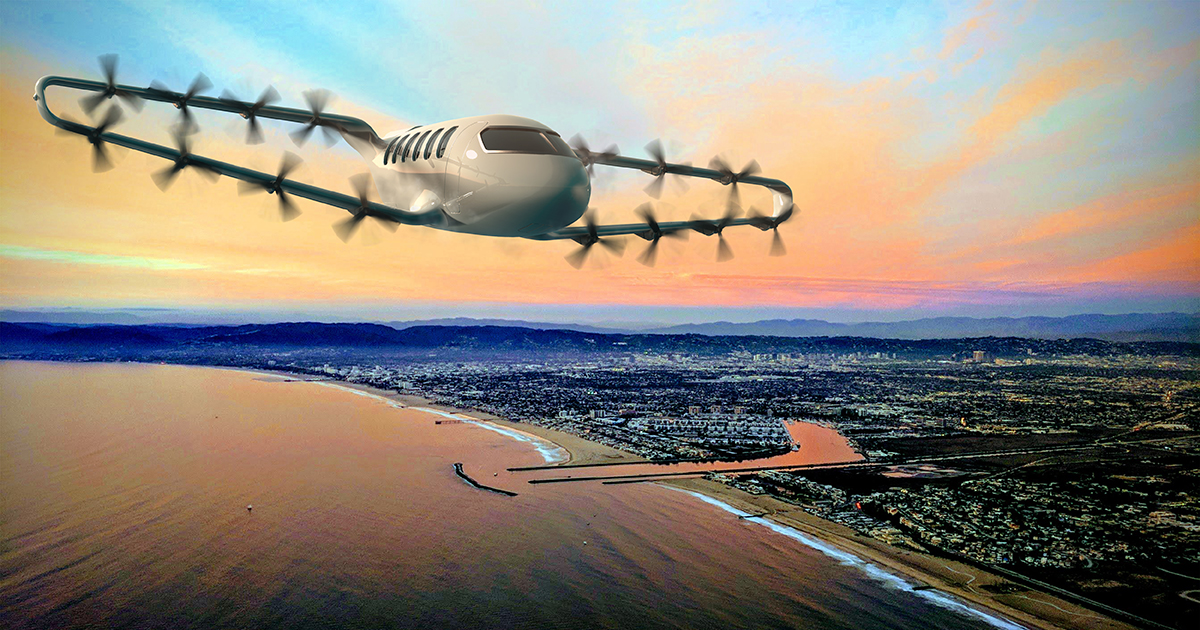
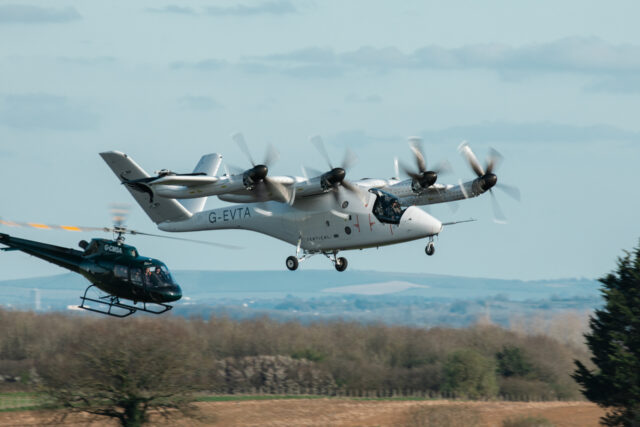
Odys Aviation and Honeywell have announced they will produce a C-UAS variant of the VTOL Laila. Laila is notable for its blown-wing lift system and is part of a broader effort to develop flying taxis and autonomous cargo drones by California start-up companies.
Odys and Honeywell to build Laila-SAMURAI C-UAS
Honeywell announced a week ago that it will collaborate with Odys Aviation “to deliver a persistent airborne defence solution designed to protect critical infrastructure and strategic assets from rapidly evolving drone threats.”

Honeywell says the counter-unmanned aerial system (C-UAS) will integrate its SAMURAI Autonomous Airborne platform on Odys’ long-range Laila UAV.
The resulting Laila-SAMURAI system will provide a new defensive layer complementing ground-based sensors and high-end missile defence systems.
SAMURAI is a modular counter-unmanned aerial system (UAS) architecture that integrates radio-frequency detection with electro-optical sensing technologies. It can incorporate interceptor drones to counter swarm threats.
Honeywell writes that Laila will serve as the first airborne application of its Honeywell SAMURAI system. Even though Honeywell does not produce aircraft directly, it is one of the world’s most important aerospace companies, with its systems found in almost all commercial and US military aircraft.
Zero. That’s how many feet of runway Laila or Alta will need to take off. It’s also the number of tilt rotors used on either aircraft. Our aircraft utilize flap-based thrust vectoring to direct thrust downward and provide vertical lift. Find out more: https://t.co/TDp98Qr2DU pic.twitter.com/MzPuciSklY
— Odys Aviation (@OdysAviation) January 14, 2026
Laila comes with a hybrid propulsion system and has an endurance of up to eight hours and a range of 450 miles. Honeywell notes, “Laila eliminates the need for dedicated charging infrastructure, enabling rapid deployment in remote, expeditionary, and offshore environments. “
Focus on protecting distributed energy infrastructure
The goal is to create a C-UAS system that will reduce reliance on costly kinetic defences (like interceptor missiles) and to extend the coverage over vast and remote areas.
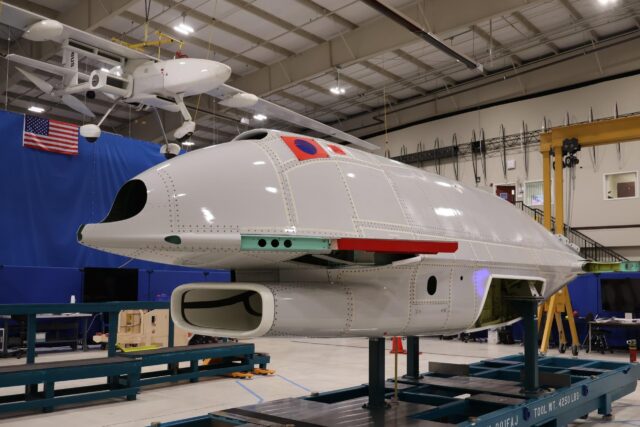
Laila is complete! This is the pre-production prototype that will undergo flight testing in the United States. Laila was built at our facility in Long Beach, California, and following US flight testing, it will travel to Oman for our Operational Launch Program (OLP). pic.twitter.com/JzZkgFnz3t
— Odys Aviation (@OdysAviation) November 18, 2025
Honeywell says this will be a major boost in protecting distributed energy infrastructure like pipelines, refineries, and offshore production platforms.
For example, the vital Strait of Hormuz is effectively blocked, interrupting around 20 million barrels of crude oil a day. Saudi Arabia has been able to divert around 7 million barrels a day through a pipeline running across the peninsula. However, the pipeline is potentially very vulnerable to attacks.
James Dorris, CEO of Odys Aviation, noted, “Drone threats have fundamentally changed the economics and operational requirements of air defence.”
Dorris added, “Critical infrastructure and forward-operating locations require persistent protection across large areas and the ability to engage threats at the horizon long before they’re at the doorstep.”
From air taxis to military drones
Odys Aviation is developing hybrid-electric vertical take-off and landing (VTOL) aircraft, or flying taxis. In 2025, AGN reported Odys Aviation was planning to test-fly a passenger VTOL variant of Laila in Fiji sometime during 2026.
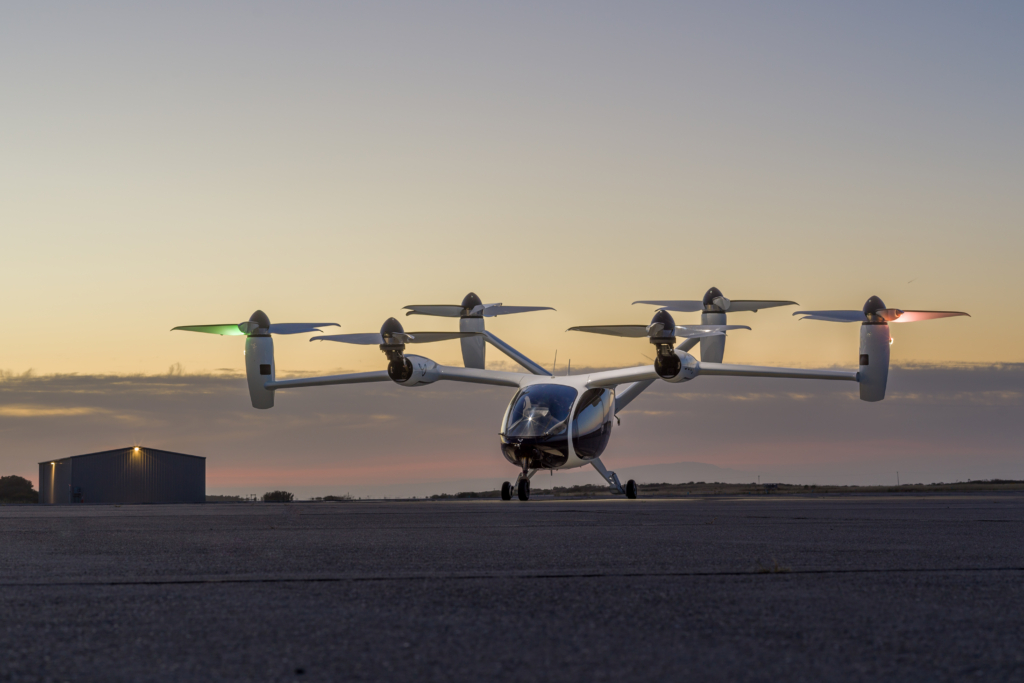
Other companies like Joby Aviation and Archer Aviation have also developed electric or hybrid-electric flying taxis. Joby has already unveiled a hybrid militarised version of its eVTOL air taxi, while Archer is partnering with Anduril to develop military drones.
And while these aircraft are beginning to roll out around the world, the start-up companies are quickly developing autonomous military variants.
Odys advertises its Laila aircraft as being able to fill U-CAS missions, emergency support missions, and long-range logistics missions.
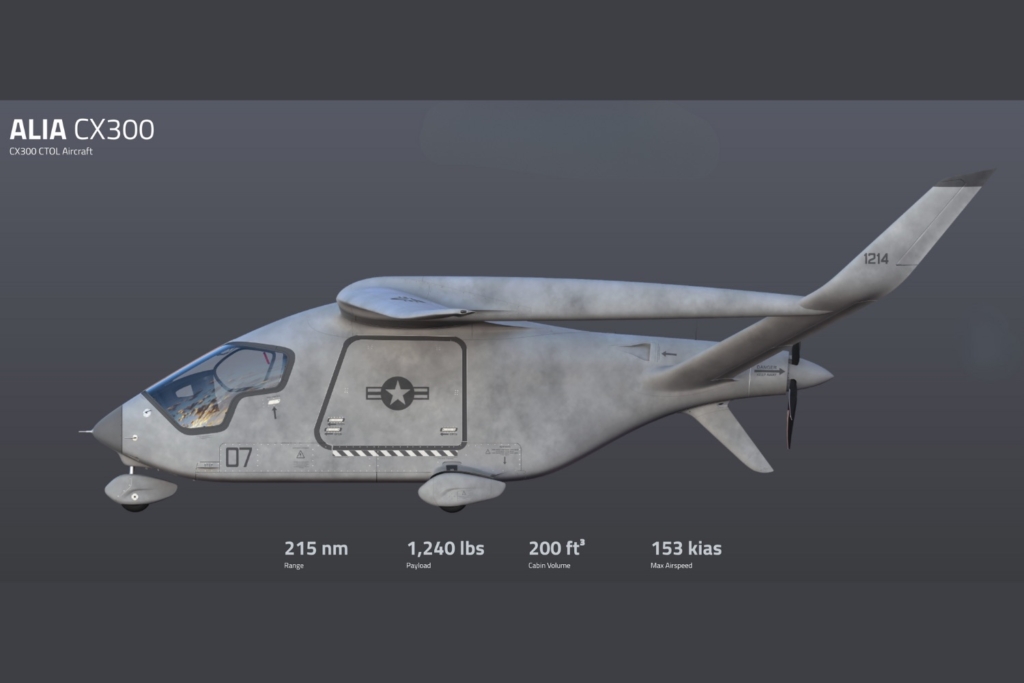
Odys is currently working on its next larger VTOL aircraft called Alta. Alta is piloted and has room for up to nine passengers and a range of up to 750 miles. It is also designed as a dual commercial/military platform able to ferry passengers, fill cargo missions, and be adapted for a range of military missions.
Featured Image: Odys Aviation