Norse Atlantic sends half its Boeing 787 Dreamliners to IndiGo in decisive ACMI pivot

February 10, 2026
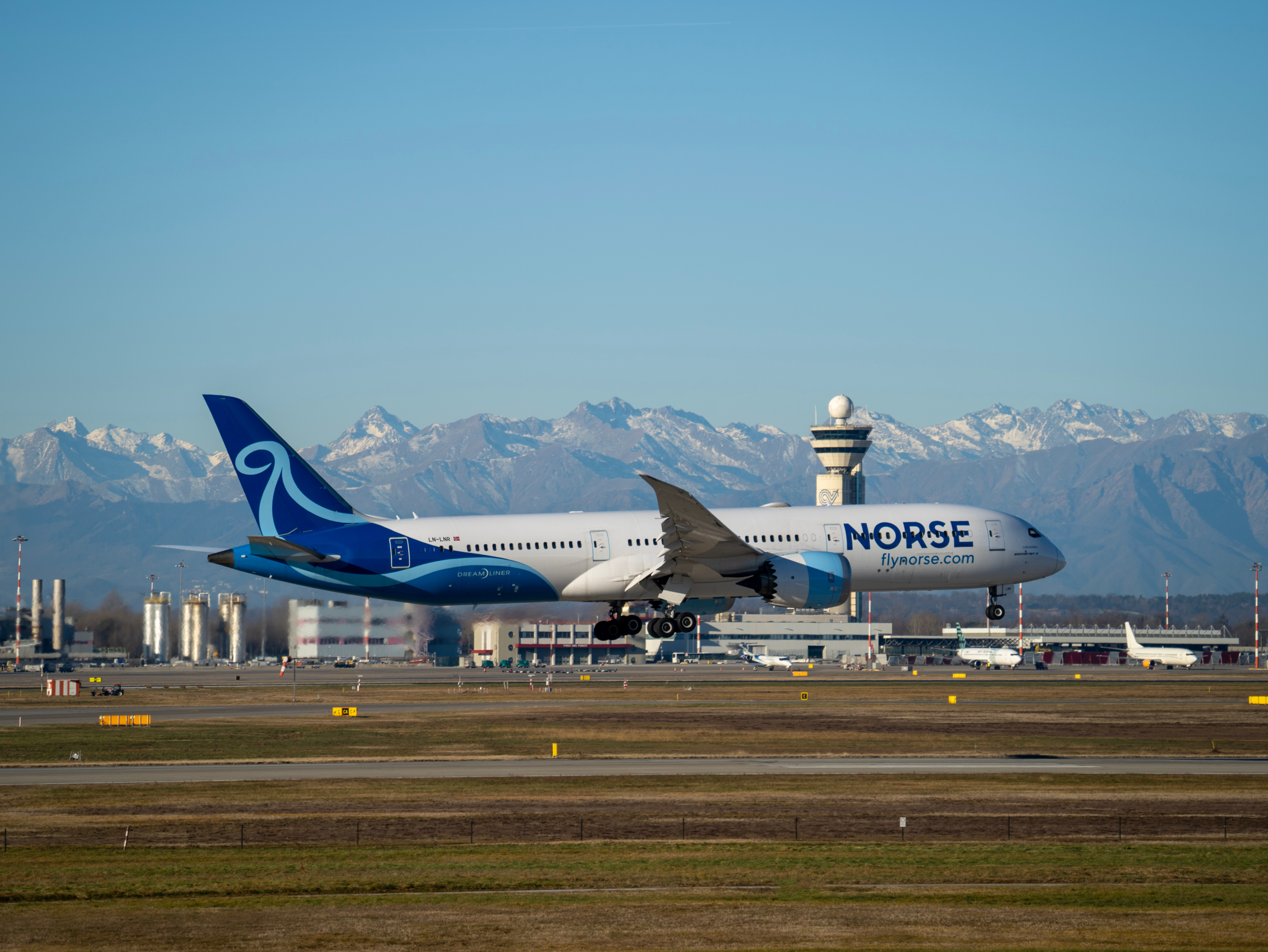
Norse Atlantic Airways has completed a major strategic transition, placing 50% of its Boeing 787-9 fleet into long-term ACMI operations with IndiGo. The fleet shift to ACMI service is intended to stabilise Norse’s revenues and reduce exposure to the volatility of long-haul flying, including what the Nordic airline describes as “uneven demand and fuel price fluctuations.”
Norse delivered the sixth and final 787-9 to IndiGo on 29 January 2026, and it is already in commercial service.
A structural shift toward predictable income for Norse
Norse has a fleet of 12 Boeing 787-9 Dreamliners with an average age of 7.6 years. The airline describes the transition of half the fleet to contract service as a move to a more resilient hybrid model, combining long-term ACMI and charter flying with a smaller and optimised scheduled network focused on the strongest leisure demand.

“Completing this transition materially strengthens Norse’s financial and strategic position,” said Eivind Roald, CEO of Norse Atlantic. “This balanced model gives Norse greater stability, flexibility, and resilience in the operating environment.”
Norse stated that IndiGo will pay for 350 guaranteed block hours per aircraft per month, with added compensation for higher aircraft utilisation.
India’s largest airline is leasing widebody aircraft to accelerate international growth ahead of Airbus A350 deliveries, set to begin in 2027.
Norse’s remaining Dreamliners will fly high-demand routes
The remaining Dreamliners will continue to operate on Norse’s network, which the airline states is “actively optimised to focus on routes with the strongest consumer demand.”
Norse Atlantic’s winter program focused on high-demand transatlantic routes from Europe to Thailand and South Africa, as well as seasonal cruise-related charter flights from the UK to the Caribbean. For the upcoming spring and summer season, Norse plans to operate a network connecting key US and European cities.
Why Norse is moving toward ACMI
Norse Atlantic’s shift toward ACMI reflects a hard-headed reassessment of the economics of long-haul low-cost flying rather than a short-term tactical adjustment.
Operating widebody aircraft on thin, highly seasonal leisure routes exposes airlines to significant revenue volatility, particularly when fuel prices, exchange rates, and long-haul demand move out of sync. While Norse has consistently filled seats, with load factors above 90%, weakening passenger yields and limited ancillary upside have made it difficult to translate high utilisation into sustained profitability.
ACMI flying offers a fundamentally different risk profile. Under long-term contracts, aircraft are placed with another carrier at guaranteed block hours, providing stable, predictable income that is largely insulated from fluctuations in ticket demand, pricing pressure, and fuel costs. For an airline operating a small fleet of widebody aircraft, that predictability is critical.
“Long-term ACMI operations provide predictable revenues and shield the company from fuel price risk and ongoing market volatility,” explains CEO Roald, “while our own network allows us to capture upside in selected long-haul leisure markets.”

The hybrid approach allows Norse to retain exposure to high-yield seasonal opportunities through a reduced scheduled network, while anchoring a substantial portion of its fleet in contracted flying. In practice, this reduces the airline’s dependence on consistently strong leisure demand across all seasons and lowers the financial risk of operating capital-intensive widebody aircraft.
The IndiGo agreement, covering half of Norse’s Dreamliner fleet, effectively turns those aircraft into revenue-generating assets with guaranteed utilisation. That, in turn, gives Norse greater flexibility to optimise its remaining network without the pressure of needing every aircraft to perform in the scheduled market at all times.
The airline is betting that predictability will support a pivot from long-running losses to stable profitability.
Featured Image: Matteo Ceruti | stock.adobe.com