Why SFO and 19 other US airports are unaffected by TSA shutdown chaos

March 26, 2026
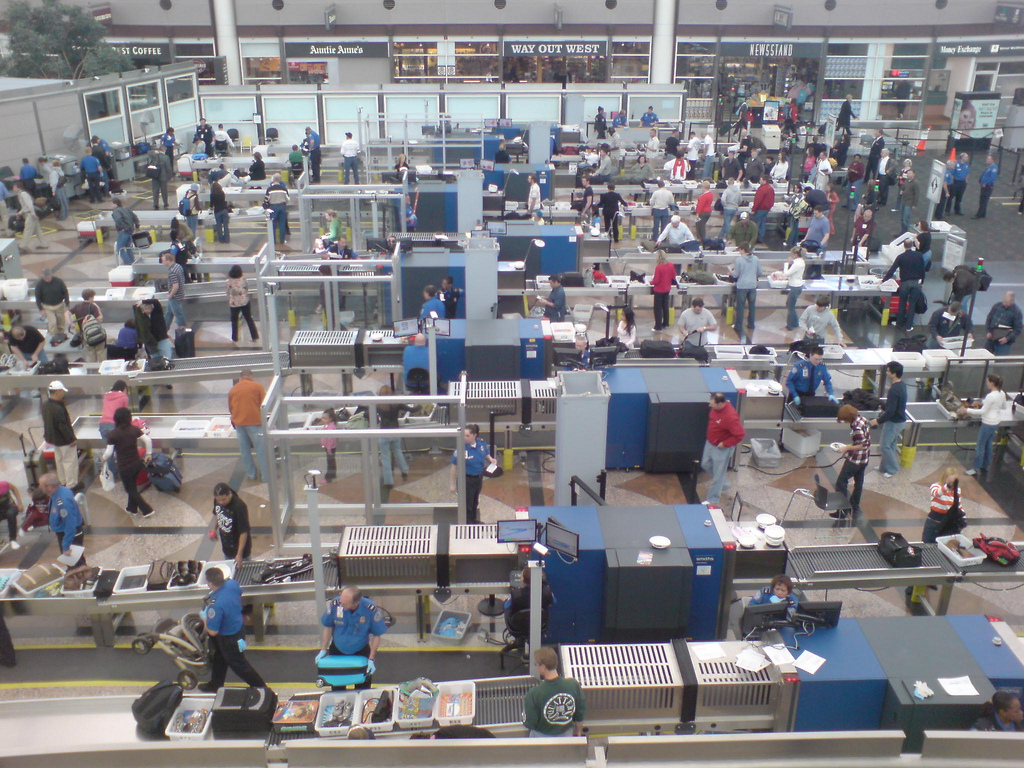
Airport security in the United States has been thrust into the spotlight this week after US President Donald Trump deployed Immigration and Customs Enforcement (ICE) agents to staff checkpoints following another government shutdown.
Following a lapse in Department of Homeland Security funding, Transportation Security Administration (TSA) workers who would normally be stationed at the country’s airport security lines have gone without pay, with some not reporting for work as the shutdown drags on.
San Francisco airport won’t have ICE agents as it’s immune from TSA pain
As wait times grow, with some airports such as those in Houston and Atlanta experiencing queuing times exceeding two hours, Trump said ICE agents would be sent to try to tackle the long delays passengers have been experiencing.
Some predicted chaos and fear with ICE at Houston airport.
— Greg Madden (@GregMaddenUSMC) March 26, 2026
Instead: agents walking the lines, giving clear directions, and making sure dehydrated travelers get water while stuck for hours.
Turns out when the government shutdown creates problems, the same government’s other… pic.twitter.com/TD7hCQrYzv
Notably, on Sunday, the arrest of a mother and her child at San Francisco International Airport’s (SFO) Terminal 3 by ICE agents triggered renewed concern from some groups about the decision to deploy them to do the TSA workers’ jobs.
However, in response to media questions about the incident, an SFO spokesperson noted that they would not be having ICE agents deployed at the airport because they do not use TSA and are not affected by the shutdown.
While we've seen & heard about the long security checkpoint lines over the last few weeks at major airports around the country, SFO is NOT experiencing this issue. 🔗 more info on the Screening Partnership Program 🛃 https://t.co/jHLdCcmblQ pic.twitter.com/A6qGDl6oNd
— San Francisco International Airport (SFO) ✈️ (@flySFO) March 20, 2026
That’s because SFO, along with 19 other US airports, are members of a special TSA programme that allows it to operate security without government-funded workers.
Screening Partnership Program provides private security
Through the TSA’s Screening Partnership Program (SPP), some airports contract private security companies to carry out passenger screening.
These private officers must meet the same federal standards, training, and oversight as TSA staff, and the TSA remains in charge of regulations and supervision.
The TSA said its federal security director remains in charge of security and incident management at airports within the SPP, and all private screening staff must comply with TSA standard operating procedures.
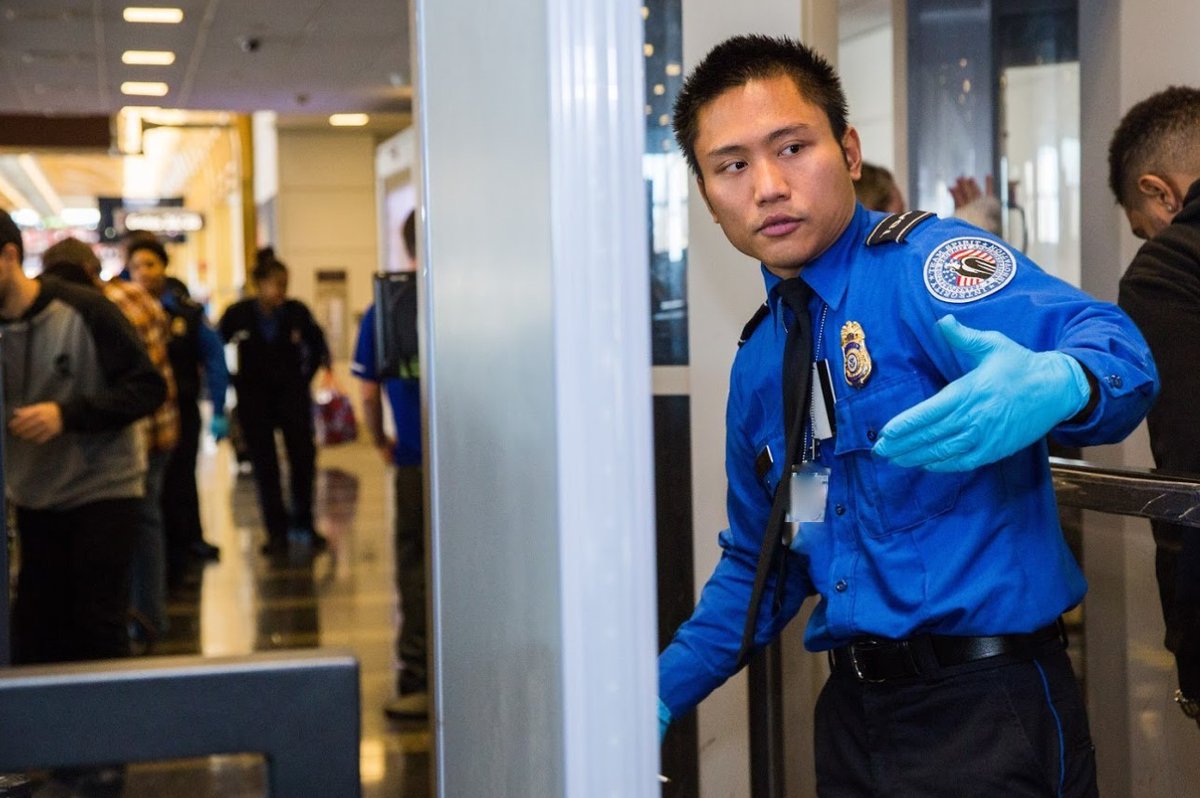
Private security teams must also use TSA-provided screening machines and cannot use their own equipment.
For passengers, the experience is nearly identical, with the primary difference centring on who employs the screeners, not how the security process is operated.
The full list of airports under the SPP
Here is the full list of 20 airports that use private security personnel and are therefore unaffected by the US government shutdown:
- Atlantic City International Airport
- Charles M. Schulz–Sonoma County Airport
- Dawson Community Airport
- Great Falls International Airport
- Glacier Park International Airport
- Greater Rochester International Airport
- Havre City-County Airport
- Kansas City International Airport
- L. M. Clayton Airport
- Orlando Sanford International Airport
- Portsmouth International Airport
- Punta Gorda Airport
- Roswell International Air Center
- San Francisco International Airport
- Sarasota-Bradenton International Airport
- Sidney-Richland Municipal Airport
- Sioux Falls Regional Airport
- Tupelo Regional Airport
- Wokal Field/Glasgow International Airport
- Yellowstone Airport
While the majority of these are smaller, regional airports, the list includes larger hubs such as SFO and Kansas City International Airport.
What is next for the TSA?
While the TSA is likely to return to its normal operation once the shutdown ends, the issue of how the US airport security is managed is now in the spotlight.
Florida Governor Ron DeSantis has suggested that airport security across the country should be privatised.

Sheldon H Jacobson, a professor of Computer Science at the University of Illinois Urbana-Champaign, wrote in The Hill that: “The current DHS shutdown will eventually end, and TSA officers will get paid for all the time they worked during the shutdown.
“Exploring airport security privatisation through the SPP should be on every airport’s to-do list. Airports can choose to opt into the program and receive bids from contractors.
“Yet the TSA always sets the standards and ensures that all operations follow TSA protocols. This is why airport security can be privatised, while aviation security should not.”
Featured image: Danpaluska | Wikimedia Commons