Hyper-efficient: Natilus unveils double-decker design for its Horizon Evo passenger aircraft

February 11, 2026

Following feedback from the Federal Aviation Administration (FAA), Natilus has decided to switch to a dual-deck design for its blended-wing-body (BWB) aircraft, as it readies the 200-250 passenger plane for certification.
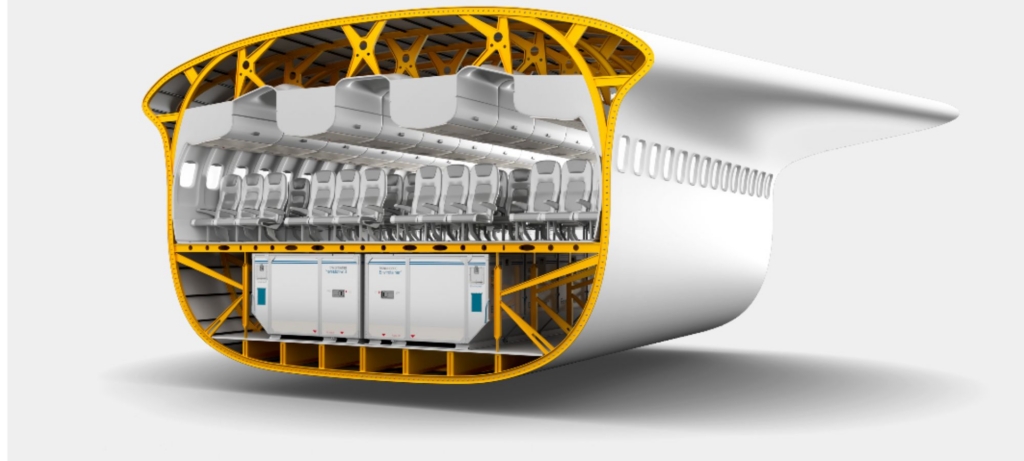
With Horizon Evo expected to enter commercial service in the early 2030s, US-based manufacturer, Natilus, has redesigned its hyper-efficient blended-wing plane as a dual-deck rather than a single-deck aircraft.
Indian carrier SpiceJet is one of several airline partners planning to purchase the aircraft. The airline, which confirmed plans to purchase 100 of the aircraft at the end of 2025, is currently working with the San Diego manufacturer to secure certification in India.
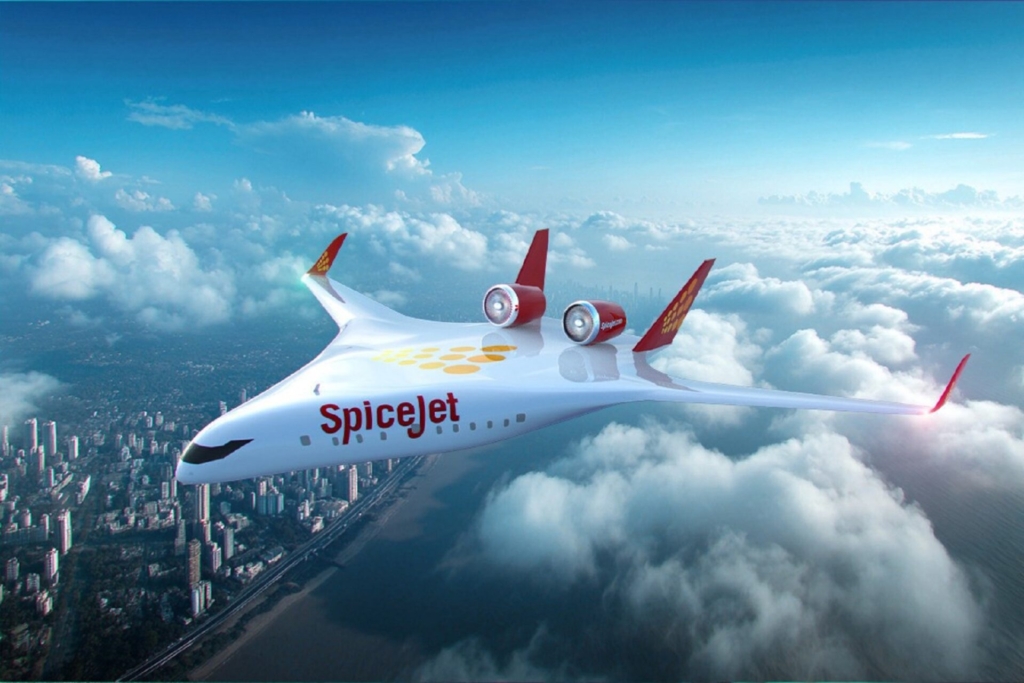
Horizon Evo versus Boeing’s 737 MAX and Airbus’ A320
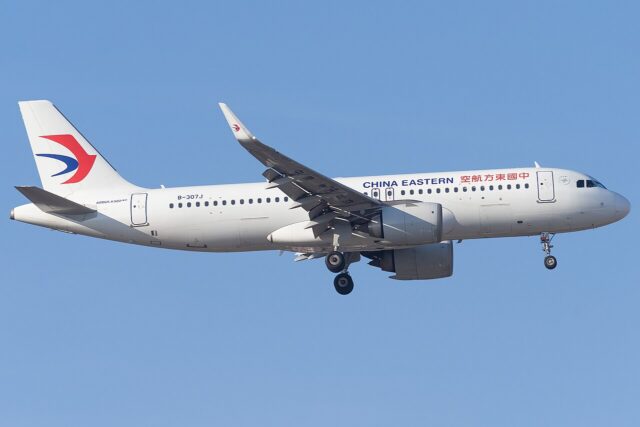
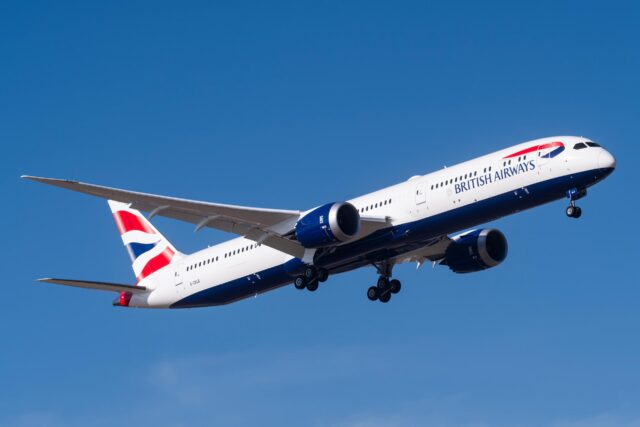
With the OEM positioning its BWB aircraft to challenge industry leaders such as the Boeing 737 MAX and Airbus A320, the latest design iteration is described as a “critical milestone.” It offers greater practicality in design, build, and operations, while improving the overall passenger experience and safety.
“There’s real excitement around what our new airframe brings,” said Aleksey Matyushe, co-founder and CEO of Natilus. Noting that the dual-deck model delivers greater returns in terms of fuel economics, he added, “it also addresses some of the recent and real pain points happening in aviation today around safety, passenger experience, and plane shortages.”
Natilus’ three key design principles
Natilus’ vision for its next-generation passenger aircraft is built on three key design pillars: a dual-deck layout with a focus on safety; increased overhead storage and windows; and improved turnaround times and seamless interoperability with existing infrastructure.
Critically, the new design maintains interoperability with existing ground infrastructure while implementing modifications to the profile and interior to enhance the passenger experience and safety.
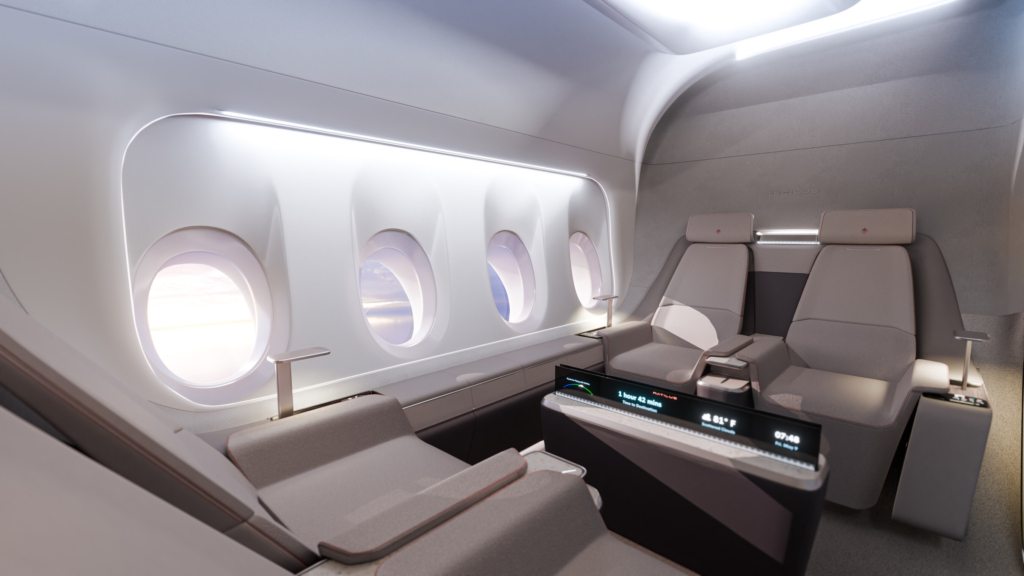
The dual-deck configuration mirrors the layout of existing narrowbodies, offering a spacious 7ft high by 26 ft wide upper-deck cabin for passengers, while the lower deck can accommodate standard cargo containers. The new design also provides improved access to emergency exit paths.
The upper deck has a volume of 8,500 cubic feet, while the lower deck offers 2,600 cubic feet.
Describing overhead storage space, or lack of, as a “real pain point for carriers”, Natilus is also increasing bulkhead storage throughout the cabin and has added more windows in response to “customer-driven” desire for the coveted window seat. It will also feature multiple aisles in both premium and economy cabins, with a 3-3-3-3 seat configuration in economy.

To ensure interoperability with existing ground infrastructure and avoid unnecessary delays in turnaround times, the Horizon Evo’s design maintains its purpose-built fit with passenger and cargo ground systems. It also includes the ability to carry standard air-freight containers in its lower deck.
Horizon Evo’s clear path to commercial certification
Explaining that the dual-deck design was driven by airline-validated insights, as well as emergency exit capability and turnaround times, Matyushev added, “This has put us on a clear path to commercial certification.”
Natilus is already filling its orderbook for its Horizon Evo, with more than 570 aircraft pre-orders valued at US$25 billion. Powered by either Pratt & Whitney 1500F or CFM Leap turbofans, the sustainable aviation fuel (SAF) compatibility of the aircraft (it can also be fuelled with Jet A), alongside its blended-wing design help reduce fuel consumption by 30% and operational costs by 50%, while increasing payload capacity by 40%.

With global fleets expected to double over the next 20 years, commercial aviation is facing a fast-approaching reckoning in which demand for new aircraft exceeds current production capacity.
“This is a crucial moment for innovation that solves the economics for carriers, the experience for passengers and the environmental impact for aviation,” said Dennis Mulenburg, CEO of New Vista Capital and former CEO of The Boeing Company, as he acknowledged that more than 40,000 aeroplane deliveries will be required over the next two decades.
“We believe Horizon Evo presents a highly attractive, transformative design at the leading edge of that solution,” he continued.
Horizon Evo is part of a growing movement for BWB aircraft
Natilus is not alone in its pursuit of a BWB aircraft. The design traces back to the 1920s with the fixed-wing monoplane design for the Westland Dreadnought. Since then, NASA has partnered with McDonnell Douglas on studies that explored lifting-fuselage designs promising major efficiency gains.
Early experimental models appeared in the 1990s, followed by Boeing/ NASA X-48 demonstrators, which were flown between 2007 and 2013. Airbus has also experimented with its concept Maveric, while another US-based startup, JetZero, recently confirmed it has raised approximately $175 million in Series B financing for its all-wing aircraft -Z4F. To date, the company has raised more than $1 billion.

Meanwhile, Natilus confirmed on Tuesday, 10 February, that it has secured US$28 million in Series A financing. This latest round of funding will allow it to complete manufacturing of its first full-scale prototype of the regional cargo plane Kona, which is expected to fly in the next 24 months.
Essentially a stepping stone technology for the Horizon Evo, Kona shares the same BWB design philosophy as the Horizon Evo. It is a small regional cargo freighter, which can be remotely piloted or autonomous. It is designed to carry up to 4.3 tonnes of freight on short-haul feeder routes, rather than operate as a passenger airliner.
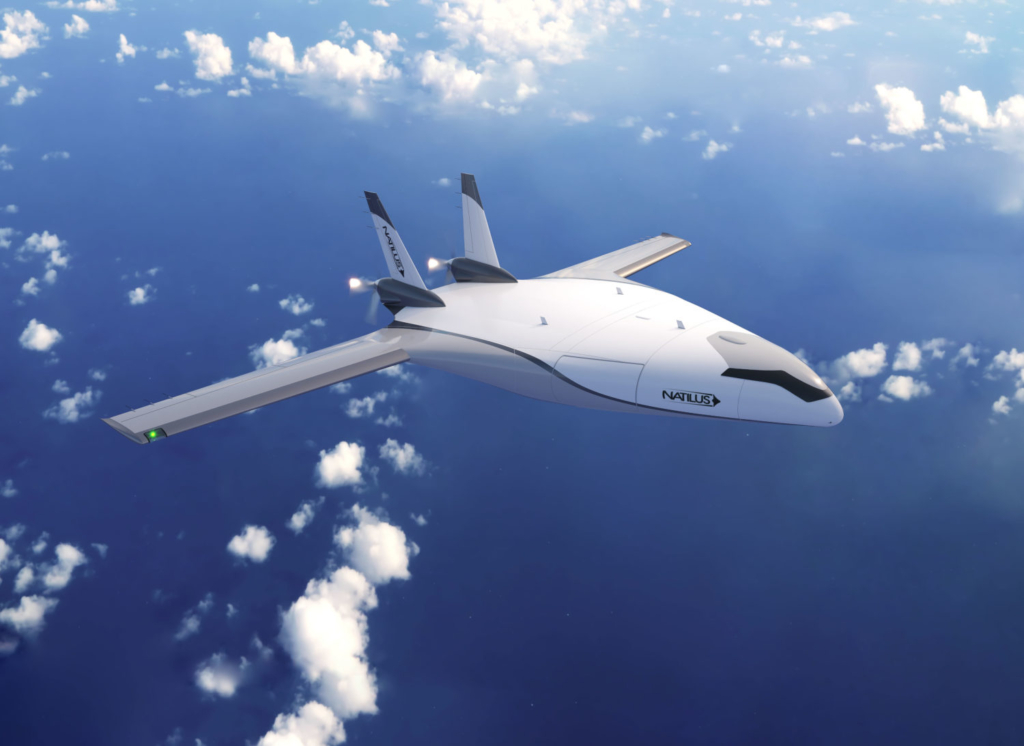
If Natilus can translate its bold efficiency claims into certified, in-service performance, Horizon Evo could arrive at exactly the right moment, as airlines search for capacity beyond the traditional duopoly. For now, the dual-deck redesign signals a company focused not just on innovation, but on making that innovation certifiable and commercially viable.
Featured image: Natilus