Houston we have a problem: NASA crew splash down after undocking from ISS early

January 15, 2026
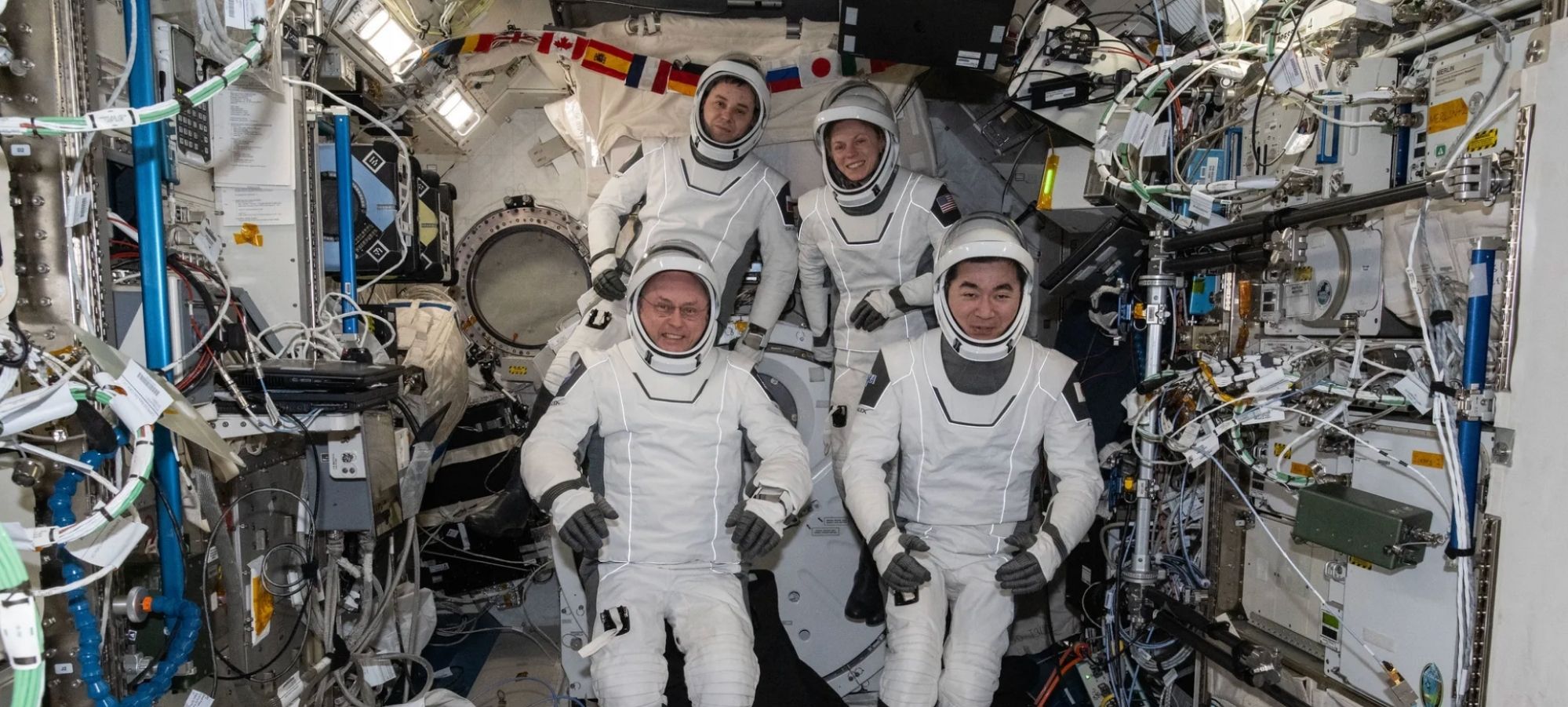
NASA’s SpaceX Dragon spacecraft aborted its mission early due to a medical situation involving one of the astronauts onboard.
NASA’s Crew-11 mission safely splashed down in the Pacific Ocean off the coast of San Diego in the early hours of Thursday morning (15 January). The safe return of the astronauts concludes a more than five-month mission aboard the International Space Station (ISS).

Why did NASA’s Crew-11 return early?
The crew were forced to return a month earlier than planned due to a medical concern involving one of the astronauts. NASA has yet to reveal details about the crew member due to medical privacy concerns, but it has been reported that the astronaut is in a stable condition.
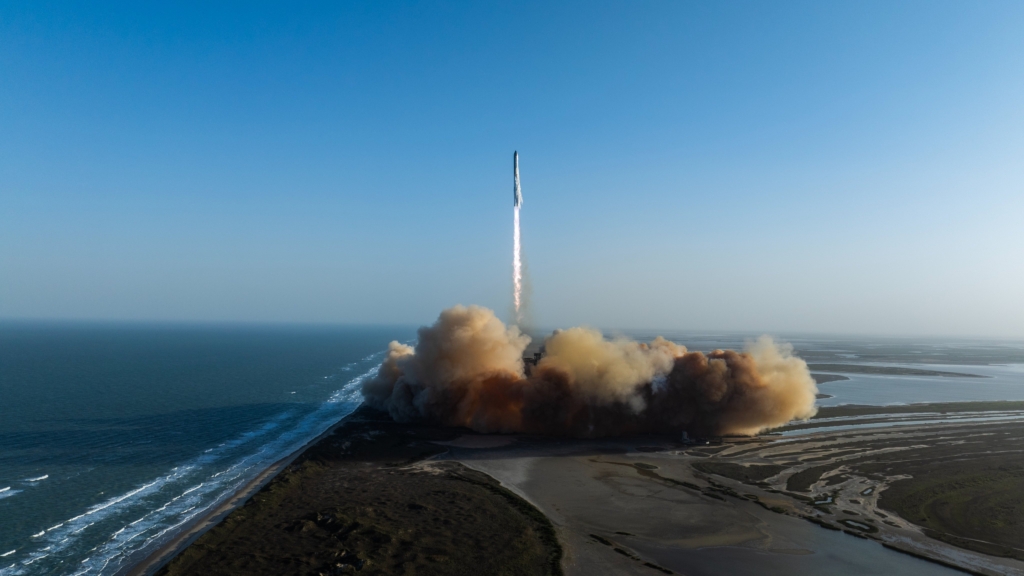
The team onboard SpaceX included NASA astronauts Zena Cardman and Mike Fincke, JAXA (Japan Aerospace Exploration Agency) astronaut Kimiya Yui and Roscosmos cosmonaut Oleg Platonov.
“I couldn’t be prouder of our astronauts and the teams on the ground at NASA, SpaceX and across our international partnerships,” said NASA administrator Jared Isaacman, after the crew had successfully returned to Earth.
The move to return the crew early came after NASA announced it had postponed a planned spacewalk with the two American astronauts, originally scheduled for the morning of 8 January.

NASA had confirmed earlier this month that in the best interest of Crew-11 it would be ending the mission early. The astronauts began their mission on 1 August, 2025, when they departed from the Kennedy Space Center in Florida before arriving approximately 15 hours later at the ISS. The mission marks the 11th crew rotation mission of SpaceX’s human space endeavour and its 12th flight with astronauts.
A successful mission to the ISS despite the early return
While in Space, the crew marked a historic milestone for the ISS – the 25th anniversary of the first crew that arrived at the station. The mission also marked the first time in 25 years that a medical evacuation has been necessary.
Congratulating the crew on their professionalism and focus, Isaacman added they had completed over 140 science experiments that advance human exploration, before undocking. The four crew members had also travelled nearly 71 million miles and completed more than 2,670 orbits around Earth.
“Missions like Crew-11 demonstrate the capability inherent in America’s space programme – our ability to bring astronauts home as needed, launch new crews quickly and continue pushing forward on human spaceflight as we prepare for our historic Artemis II mission, from low Earth orbit to the Moon and ultimately Mars.”
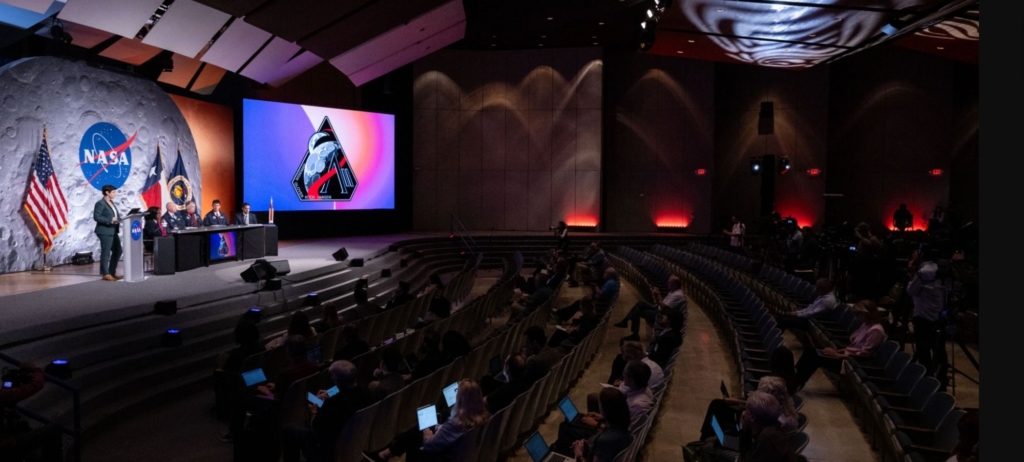
What happens to the Crew-11 astronauts now?
The crew have been transported to a local hospital for initial evaluations and assessments. They will then return to NASA’s Johnson Space Center in Houston to undergo standard post-flight reconditioning and evaluations.
When does NASA’s Moon mission launch?
NASA is planning to mark a major milestone in space exploration this year with plans to launch the first crewed mission to the Moon in more than 50 years. The mission could launch as early as 6 February.
The Artemis II mission is expected to last around 10 days and aims to set the stage for an eventual human landing on the lunar surface – the first time since the Apollo missions that took place in the 1960s and 70s. The astronauts travelling on Artemis II include NASA astronauts Reid Wiseman, Victor Glover and Christina Koch, as well as Canadian Space Ageny (CSA) astronaut Jeremy Hansen.

Artemis II edges closer to launch
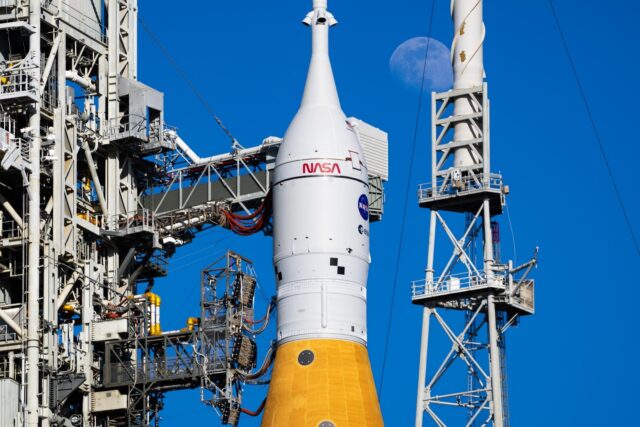
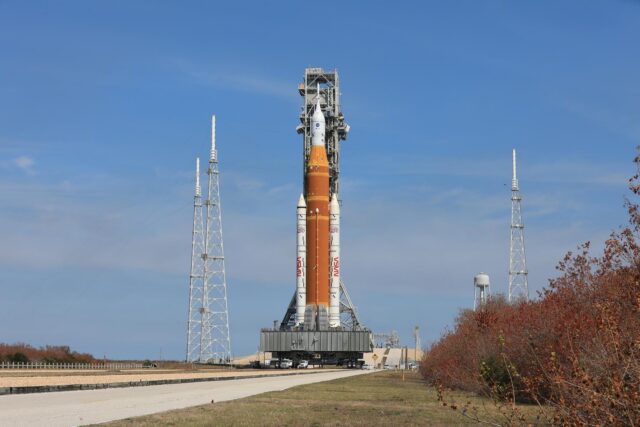
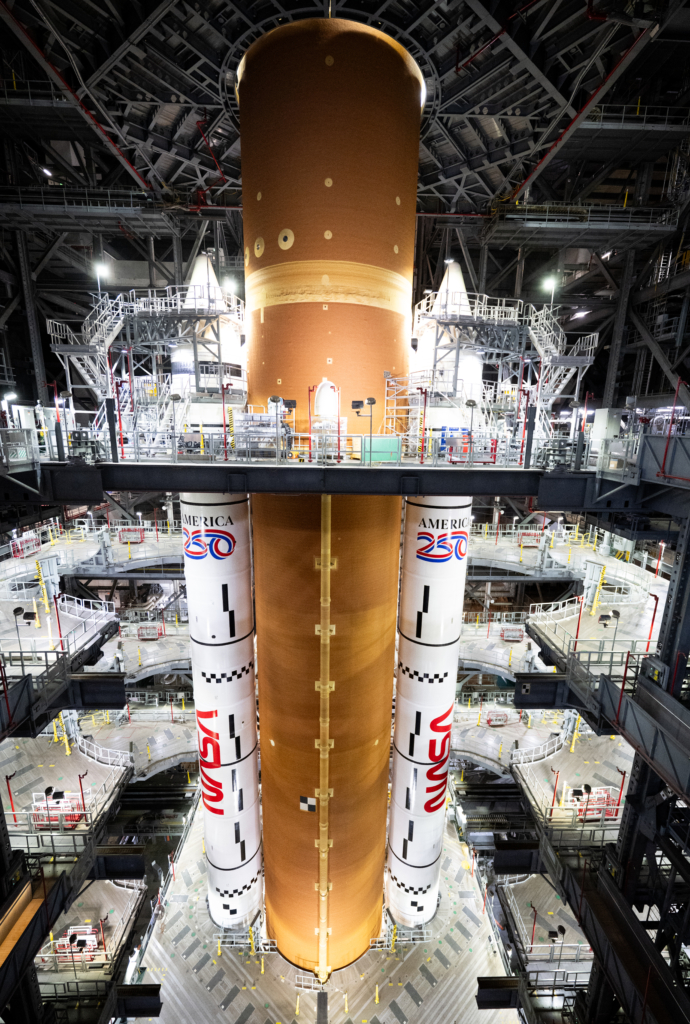
NASA’s integrated Space Launch System (SLS) rocket and Orion spacecraft for the Artemis II mission is inching closer to launch. The agency is targeting this Saturday 17 January to begin the multi-hour trek from the Vehicle Assembly Building to Launch Pad 39B at NASA’s Kennedy Space Center in Florida.
NASA’s crawler-transporter 2 will carry the 11-million-pound stack at about one mile per hour along the four-mile route – a journey that could take up to 12 hours.

Rollout out to the pad marks another milestone leading up to the Artemis 11 mission. With the launch window for Artemis II opening in early February, the coming weeks will see NASA complete final preparations of the rocket and, if needed, rollback SLS and Orion to the Vehicle Assembly Building for additional work. The mission management team will assess flight readiness after the wet dress rehearsal across the spacecraft, launch infrastructure and the crew and operations team before confirming a launch date.
It remains to be seen if, or how, the early return of Crew-11 will impact the Artemis II mission.
Featured image: NASA Crew-11