NASA is changing how it returns to the Moon, with a base, nuclear propulsion and a new Artemis plan

March 25, 2026
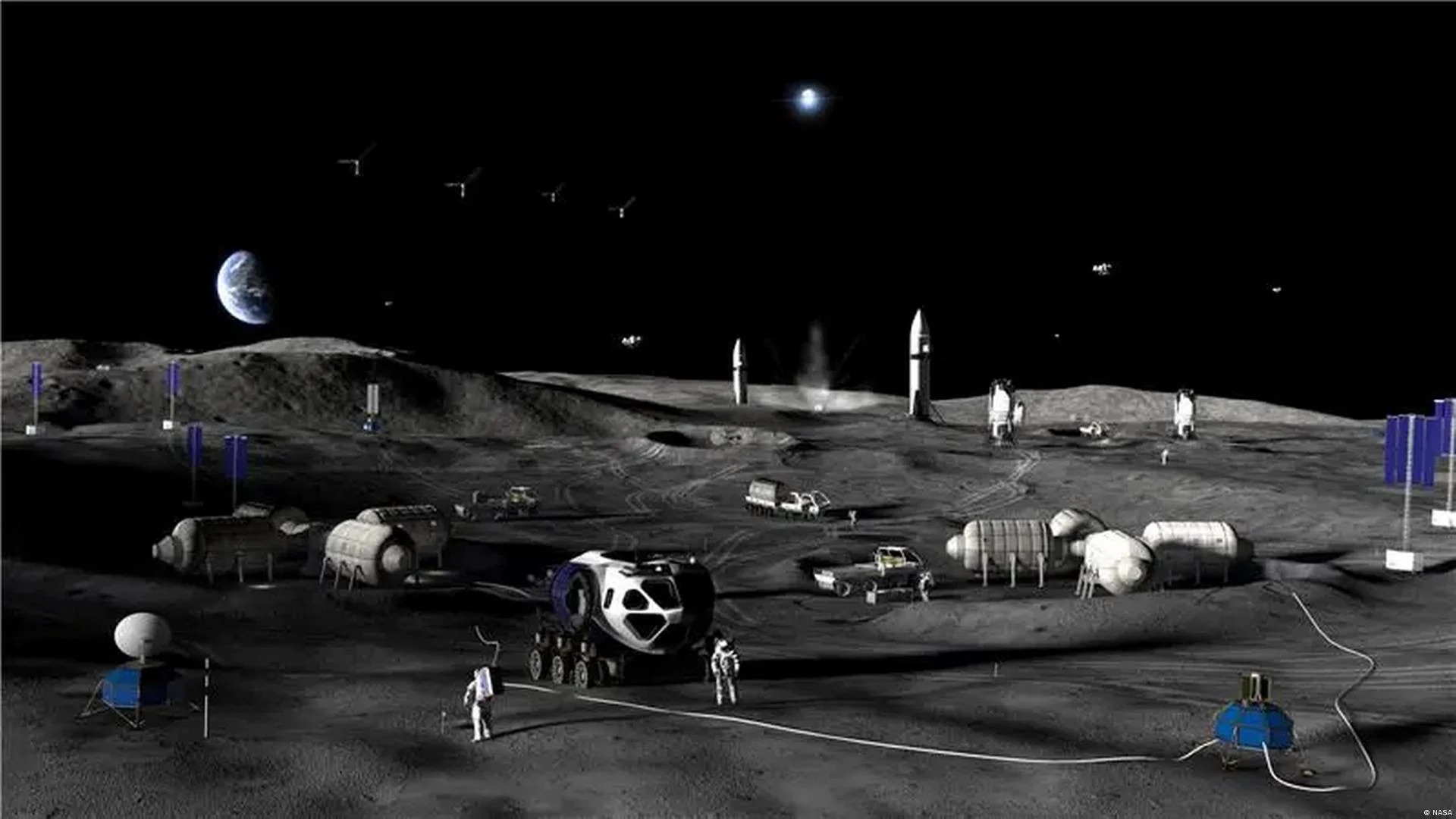
NASA has unveiled a sweeping overhaul of its space exploration strategy, shifting focus from orbital infrastructure to building a sustained human presence on the Moon, while accelerating plans for nuclear propulsion and commercial expansion in low Earth orbit.
The changes, outlined at the agency’s “Ignition” event in Washington on 24 March, mark one of the most significant realignments of NASA’s priorities in recent years, placing a lunar base at the centre of US ambitions in space and sidelining the long-planned Gateway station in lunar orbit.
“NASA is committed to achieving the near impossible once again, to return to the Moon before the end of President Trump’s term, build a Moon base, establish an enduring presence, and do the other things needed to ensure American leadership in space,” said NASA Administrator Jared Isaacman.
“This is why it is essential we leave an event like Ignition with complete alignment on the national imperative that is our collective mission.”
NASA shifts Artemis strategy from Gateway station to lunar surface base
For years, NASA’s Artemis programme has been built around a phased return to the Moon, with the Gateway space station intended to serve as a staging point in lunar orbit.
That approach is now being rethought.
Isaacman confirmed that the agency will pause Gateway “in its current form” and instead prioritise infrastructure that supports sustained operations on the lunar surface.
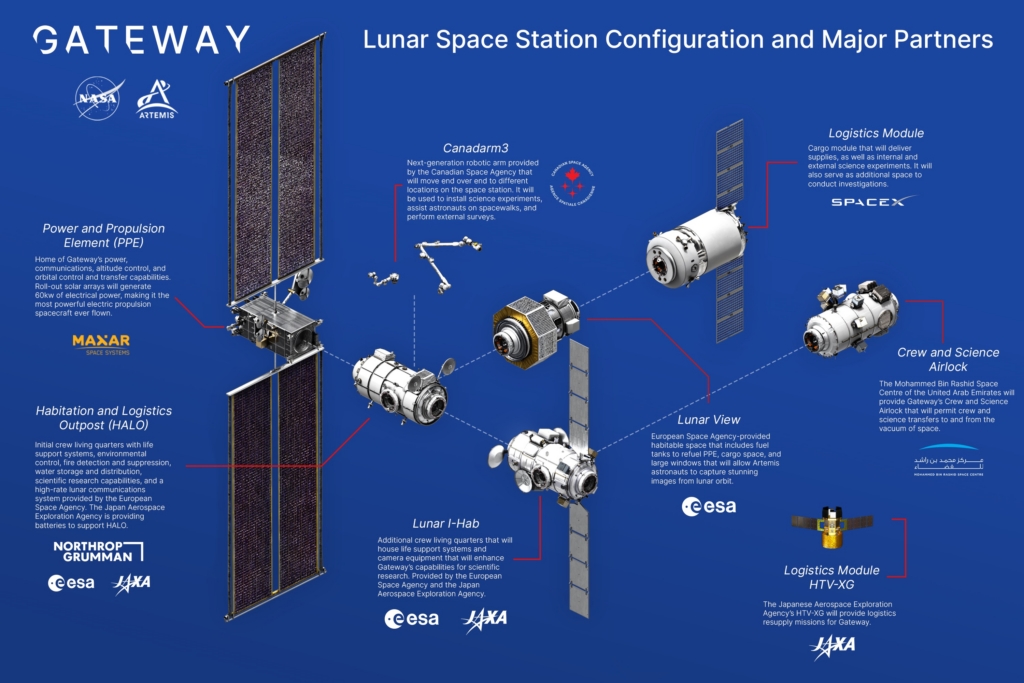
The decision reflects a broader conclusion within the agency that an orbital outpost, while useful, is not essential to achieving near-term objectives.
Elements of the Gateway programme, such as the Power and Propulsion Element and habitation modules, are expected to be repurposed, while international partnerships will be reshaped to support the new direction.
A three-phase plan for permanent Moon base and sustained presence
At the heart of the new plan is a three-phase approach to establishing a permanent presence on the Moon.
The first phase, running through the latter part of this decade, focuses on increasing the tempo of robotic and early crewed missions.
NASA intends to expand its Commercial Lunar Payload Services (CLPS) programme, delivering rovers, instruments and technology demonstrators to the lunar surface at a much higher cadence. This phase will also prioritise identifying viable base locations, particularly around the lunar south pole.
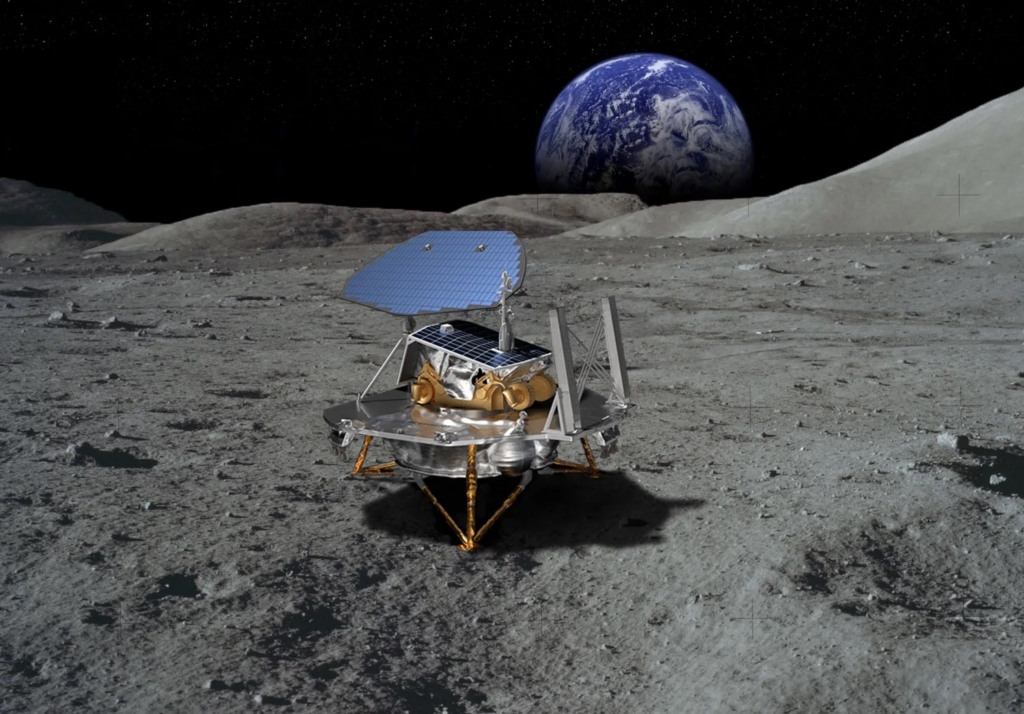
The second phase, expected to run into the early 2030s, shifts towards building out infrastructure with communications, navigation, power systems and surface mobility, while enabling more regular astronaut missions. NASA is targeting up to two crewed missions a year during this period, supported by larger cargo landers and international contributions.
The final phase will see the transition to sustained human presence, with long-duration missions, routine logistics and the delivery of heavier infrastructure, including habitats and advanced surface systems.
Overall spending on the lunar base effort is expected to run into tens of billions of dollars over the coming decade, reflecting the scale of the ambition.
Artemis programme shifts toward frequent missions and commercial lunar systems
The broader Artemis architecture is also being reshaped.
NASA plans to standardise configurations of its Space Launch System rocket and increase mission cadence, with Artemis III now targeting 2027 for a mission focused on testing integrated systems in Earth orbit ahead of a subsequent lunar landing.
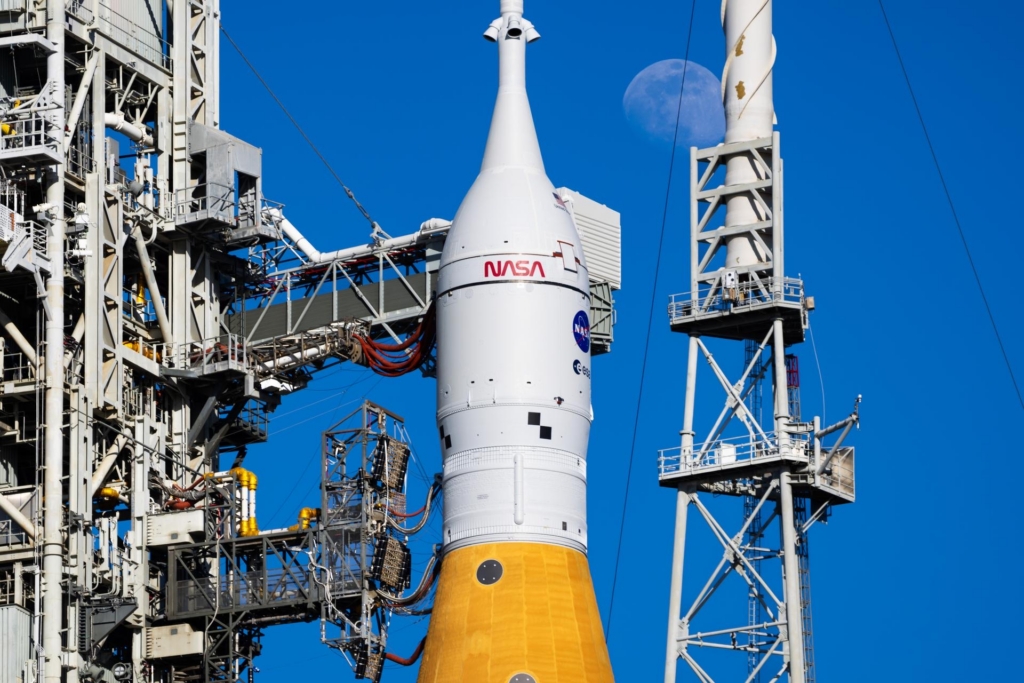
Beyond Artemis V, the agency intends to rely more heavily on commercially procured and reusable systems, with a goal of conducting crewed lunar landings as frequently as every six months.
This represents a shift away from bespoke, infrequent missions towards a more repeatable, modular approach, one that aligns more closely with commercial spaceflight models.
The emphasis, NASA officials said, is on building capability incrementally, landing by landing, rather than waiting for fully integrated systems to be completed before advancing.
NASA plans commercial space stations to replace ISS
While refocusing on the Moon, NASA is also attempting to manage a complex transition in low Earth orbit.
The International Space Station, which has supported more than 4,000 research investigations and hosted thousands of researchers from around the world, is approaching the end of its operational life. Replacing it with commercial platforms presents both an opportunity and a risk.
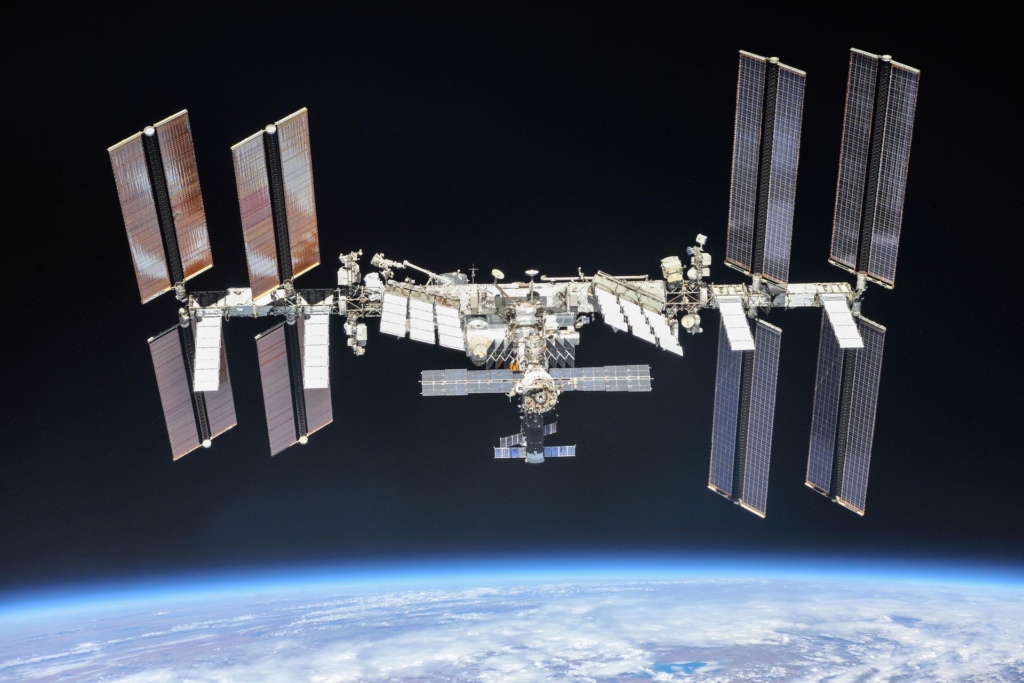
NASA’s updated strategy aims to avoid any gap in US human presence in orbit by introducing a phased approach.
Under the plan, a government-owned core module would initially be attached to the ISS, with commercial modules added and tested before eventually detaching into independent stations.
Over time, NASA would transition from operator to customer, purchasing services from commercial providers rather than owning the infrastructure outright.
The agency is also expanding opportunities for private astronaut missions and industry participation, signalling a broader effort to stimulate a sustainable orbital economy.
Advancing nuclear propulsion with Space Reactor-1 Mars mission plan
Beyond the Moon and low Earth orbit, NASA is also accelerating plans for deep space exploration.
Central to that effort is Space Reactor-1 Freedom, a nuclear-powered spacecraft that the agency intends to launch to Mars before the end of the decade. The mission will demonstrate nuclear electric propulsion, a technology long studied but never flown operationally.
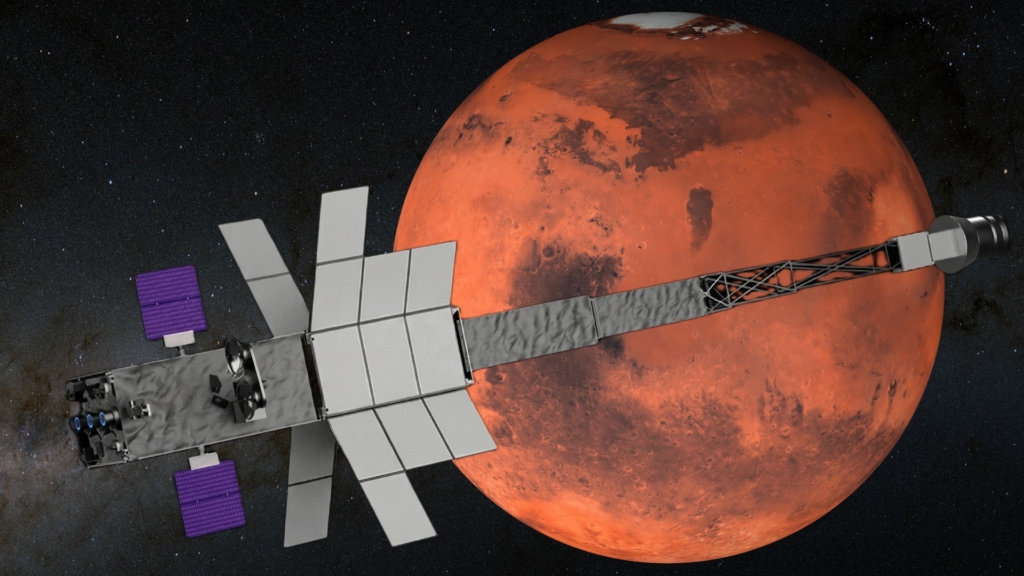
Unlike conventional propulsion systems, nuclear electric propulsion offers significantly higher efficiency, enabling heavier payloads and more ambitious missions, particularly in regions of the solar system where solar power becomes less effective.
The spacecraft is expected to deploy a payload of helicopter-style vehicles for exploration of the Martian surface, building on lessons from the Ingenuity Mars helicopter.
Officials described the initiative as a critical step in moving nuclear power from laboratory research into operational use, with implications for future missions to Mars and beyond.
Expanding lunar science missions with CLPS programme and increased launch cadence
NASA is also tying its lunar base ambitions directly to a sharp increase in scientific activity on the Moon.
Under the revised plan, the agency intends to accelerate its CLPS programme, targeting as many as 30 robotic landings from 2027. The higher cadence is designed to move science and technology to the lunar surface far more quickly than under previous architectures, while opening up opportunities for a broader range of participants.
Payloads are expected to include rovers, hoppers and drone-like systems, with contributions encouraged from industry, academia and international partners. Among the near-term missions are the VIPER rover, aimed at studying water ice at the lunar south pole, and the LuSEE-Night instrument, which will explore the Moon’s far side environment.
To support this expansion, NASA is issuing a Request for Information calling for payloads for missions planned in 2027 and 2028. The initiative is intended to widen access, allowing universities, researchers and students to develop instruments for deployment on the lunar surface.
The same framework will also extend beyond the Moon. NASA said the RFI will include payloads linked to future Mars missions, including work on a Mars Telecom Network and a nuclear technology demonstration, underscoring how lunar operations are being positioned as a stepping stone for deeper space exploration.
At the same time, flagship missions such as the Nancy Grace Roman Space Telescope and the Dragonfly mission to Saturn’s moon Titan are continuing to advance, alongside Earth observation programmes aimed at improving weather prediction and climate monitoring.
The build-out of lunar infrastructure is expected to play a key role in enabling future science, providing platforms for experiments and technology demonstrations that would not be possible with short-duration missions alone.
NASA workforce reforms and industry partnerships ramp up amid global space race
Underlying the entire strategy is a renewed emphasis on workforce and industrial capability.
NASA is moving to rebuild core technical expertise, converting contractor roles into civil service positions and embedding engineers across supply chains to accelerate production and resolve bottlenecks. The agency is also expanding opportunities for early-career professionals and experienced industry hires.
Administrator Isaacman framed the changes in stark terms.
“The clock is running in this great-power competition, and success or failure will be measured in months, not years,” he said, highlighting the urgency driving the agency’s reforms.
Taken together, the announcements signal a fundamental shift in NASA’s approach.
Rather than focusing on a single, large piece of infrastructure in lunar orbit, the agency is moving towards a more distributed model centred on surface operations, commercial partnerships and incremental capability building.