Artemis II countdown begins as NASA prepares first crewed Moon mission in over 50 years

March 31, 2026
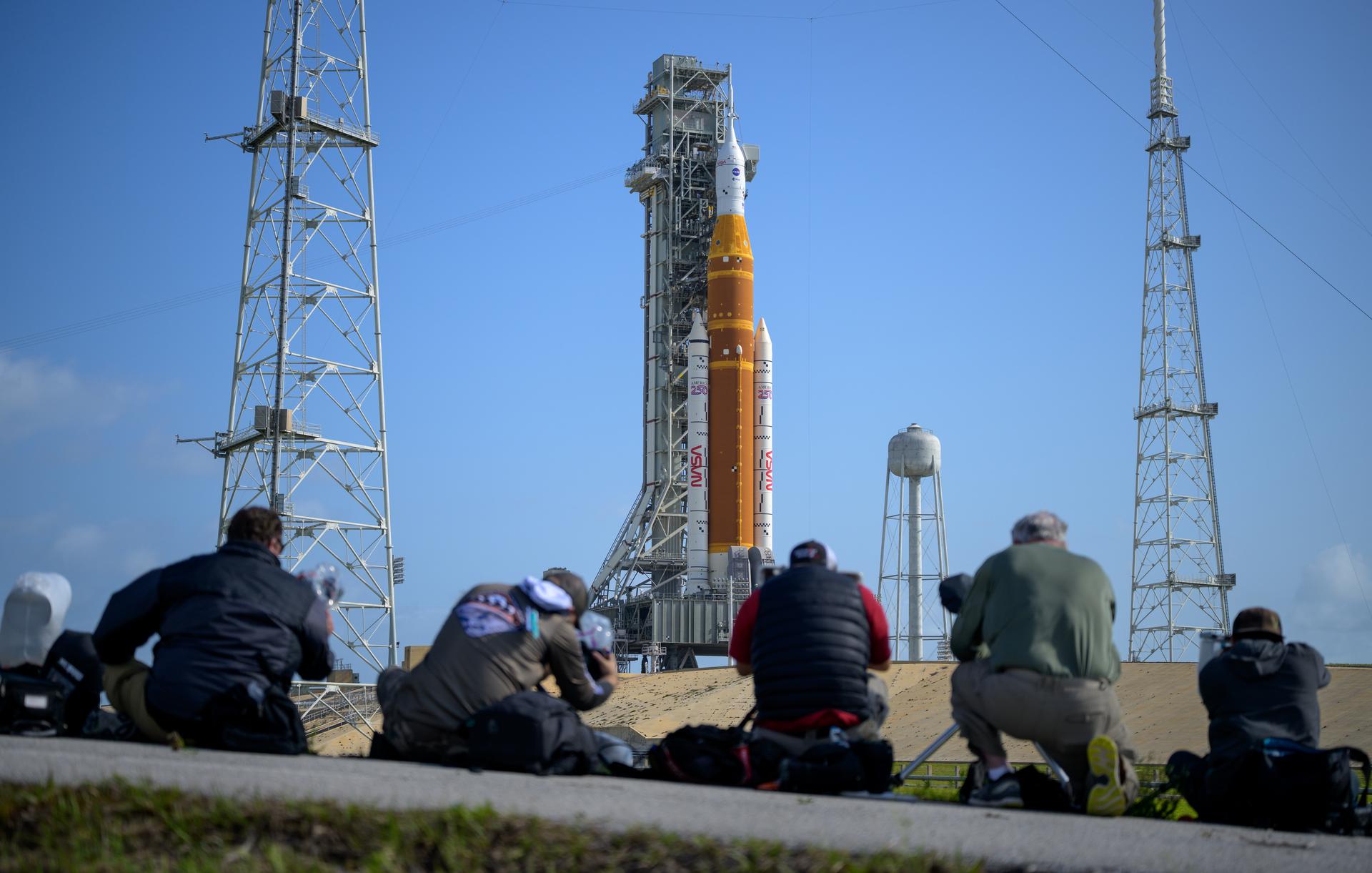
NASA has entered the final phase of preparations for Artemis II, with the first crewed mission to lunar distance in more than 50 years now set for launch from Kennedy Space Center tomorrow.
NASA advised that the onsite countdown clock started ticking down at 4:44 p.m. EDT yesterday, 30 March, to a targeted launch time of 6:24 p.m. on Wednesday, 1 April.
The mission will carry four astronauts — commander Reid Wiseman, pilot Victor Glover, mission specialist Christina Koch and Canadian Space Agency astronaut Jeremy Hansen — aboard the Orion spacecraft on a roughly 10-day journey around the Moon and back.
It marks a decisive moment for the Artemis programme, testing the systems that will underpin future lunar landings and a sustained human presence beyond Earth orbit.
Artemis II launch campaign shaped by delays and technical issues
The path to this launch window has been marked by delays, with NASA repeatedly stepping back to address technical issues rather than push ahead on schedule.
Earlier launch opportunities, including a potential March attempt, were abandoned after engineers detected a helium flow anomaly in the rocket’s upper stage, a system essential for maintaining propellant pressure.
The issue forced the Space Launch System to be rolled back to the Vehicle Assembly Building, where teams carried out inspections, replaced components and repeated testing before clearing the vehicle for flight.
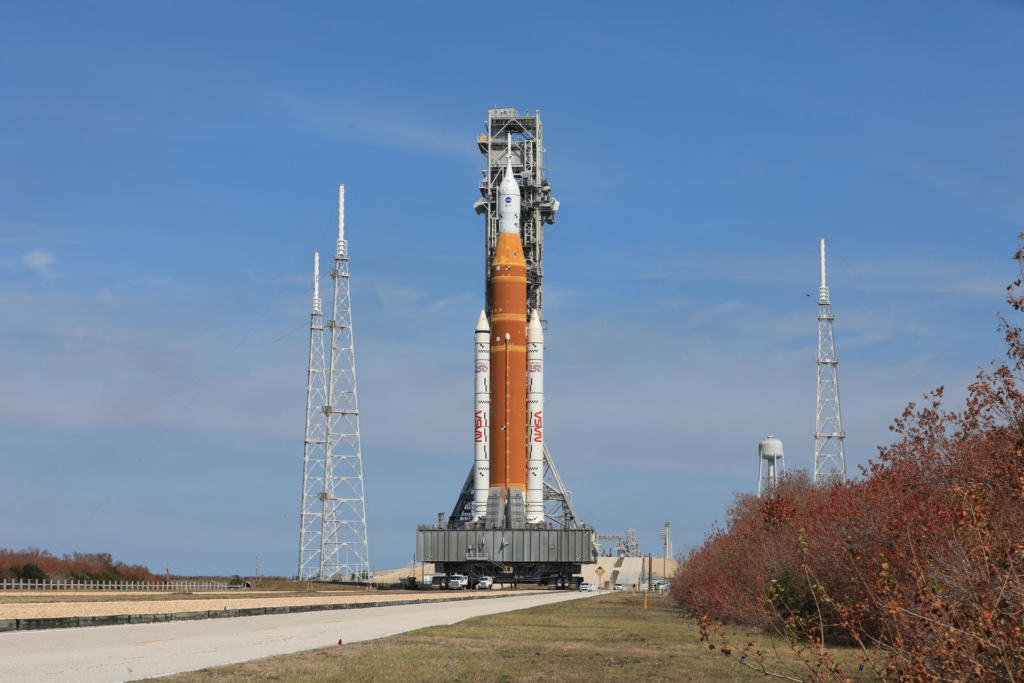
That setback followed earlier disruptions linked to hydrogen leaks during fuelling tests, underlining the complexity of preparing one of the most powerful rockets ever built.
NASA’s approach has been deliberate. Problems identified on the ground can be resolved; those encountered in deep space carry far greater consequences.
Artemis II launch date, time and how to watch live
Although NASA is targeting 1 April as the earliest launch opportunity, it also has backup windows extending through 6 April and later in the month if required.
Launch times shift across the window, beginning in the early evening and moving progressively later each day, with all attempts taking place from Launch Pad 39B at Kennedy Space Center.
As with any launch campaign, the schedule remains flexible. Weather, final technical checks and mission readiness reviews will determine the exact timing of liftoff within the available window.
You can watch Artemis II live via NASA’s free streaming service NASA+, available through web browsers and the NASA app, with no subscription required. The livestream is also carried across platforms, including YouTube and major streaming services.
Broadcast coverage begins with live views and audio commentary of tanking operations beginning at 7:45 a.m. on April 1, on NASA’s YouTube channel, as teams load propellant into the SLS rocket. Full coverage on NASA+ begins at 12:50 p.m. All times local (EDT).
What will happen on Artemis II?
Artemis II is not a landing mission, but it is central to everything that follows.
The crew will travel roughly 250,000 miles from Earth on a free-return trajectory around the Moon, validating life support, navigation, communications and overall spacecraft performance in deep space.
One of the most critical phases will come shortly after launch, when Orion will conduct proximity operations with its upper stage, a manoeuvre designed to test manual control and spacecraft handling.
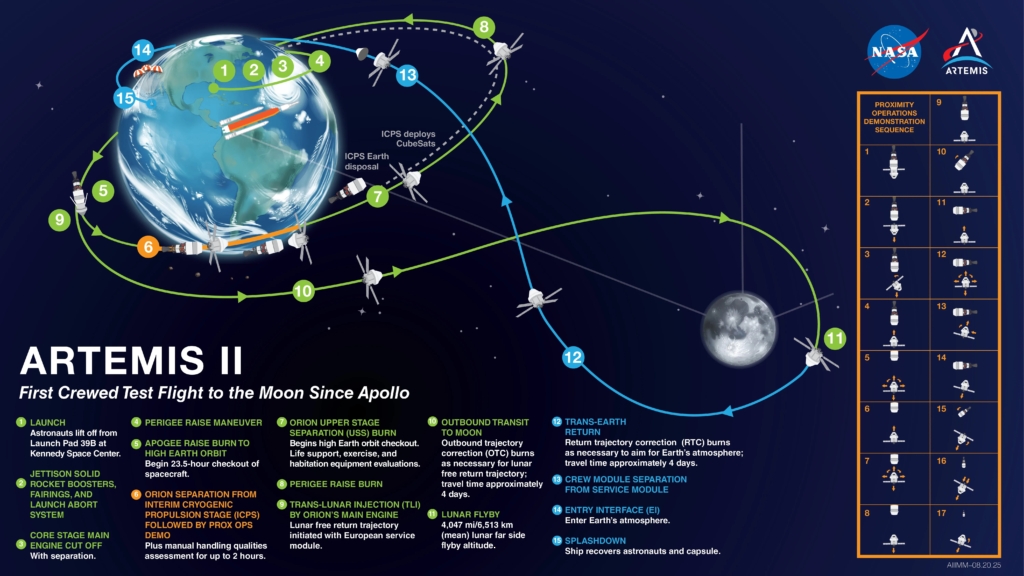
Throughout the mission, astronauts will also monitor radiation exposure, assess onboard systems and conduct observations of the lunar surface, including regions of the far side not previously seen directly by human eyes.
Artemis II crew prepares for historic NASA Moon mission
Speaking from quarantine earlier this week, the astronauts described a shift in atmosphere as the mission moved from preparation to execution.
“Things are certainly starting to feel real here at the Cape,” said mission specialist Christina Koch, referring to the arrival of families and the start of formal countdown activities.
Commander Reid Wiseman emphasised the experimental nature of the flight.
“This is a test flight. This is the first time we’re going to try… the first time we’re loading humans on board,” he said, noting that the launch will proceed only when both the vehicle and the team are ready.
Orion manual flight test key milestone for Artemis II mission
A central objective of Artemis II is to understand how Orion performs under direct human control, a capability that will be essential for future missions involving docking and lunar operations.
“We’re going to not only fly the vehicle manually… but execute the six degrees of freedom,” said pilot Victor Glover, describing how the crew will control the spacecraft while providing continuous feedback to engineers on the ground.
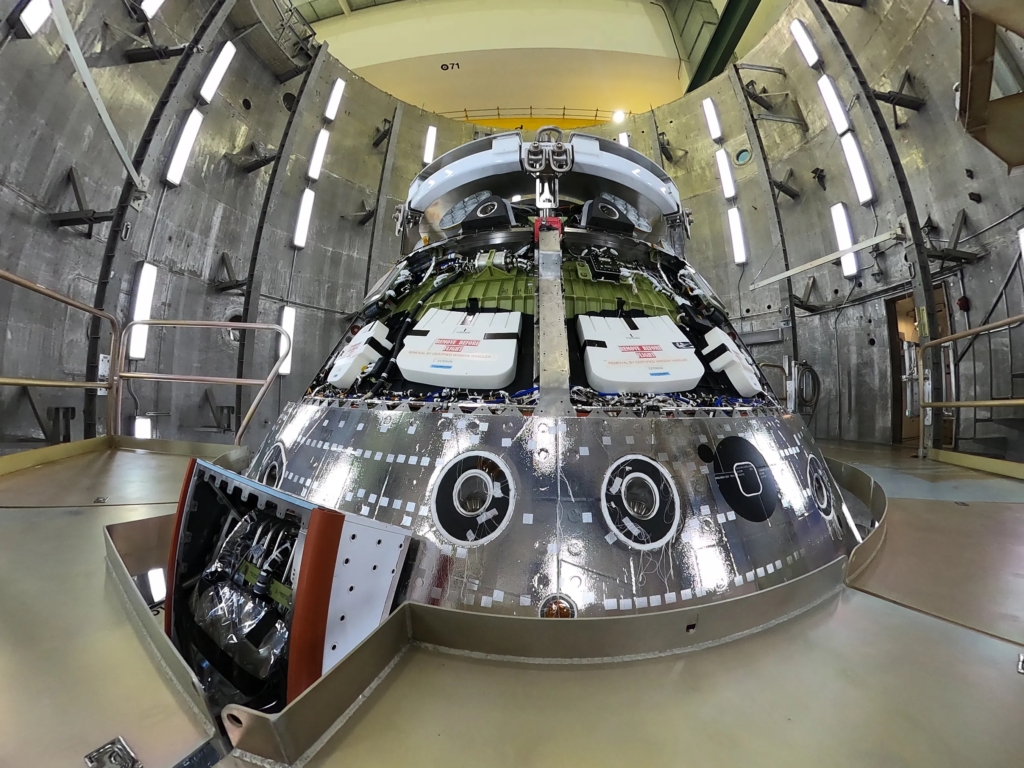
The manoeuvre will see Orion approach its upper stage from distances of over 100 metres to as close as 10 metres, allowing the crew to assess how the vehicle responds in real time.
The data gathered will help validate models used to train future crews and refine procedures for more complex missions.
For the astronauts, Artemis II represents more than a technical milestone — it is a shift in perspective.
“It is our strong hope that this mission is the start of an era where every person on Earth can look at the Moon and think of it as also a destination,” Glover said.
The mission will offer views of the Moon not seen by human eyes in decades, with the crew expected to spend significant time observing geological features and surface conditions during the flyby.
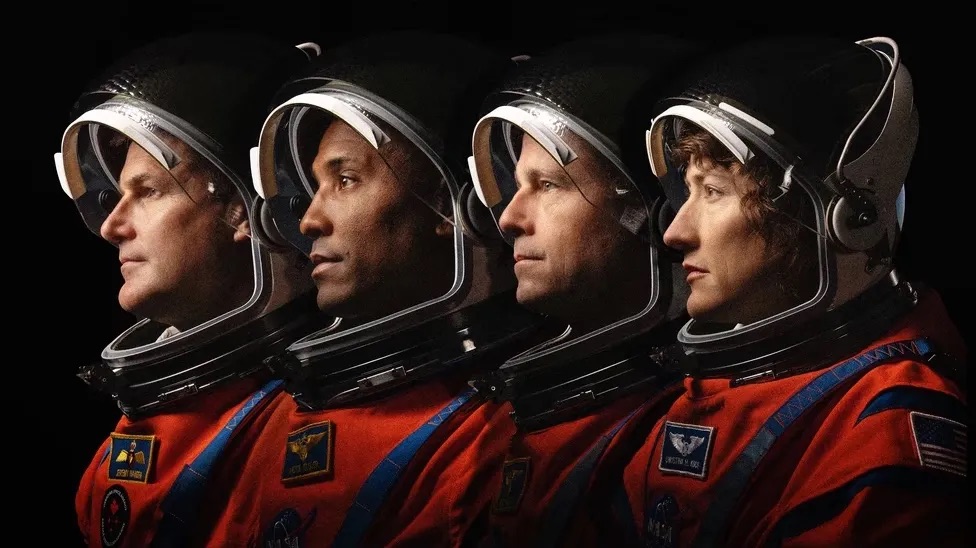
Despite the significance of the mission, the crew described a steady, measured mindset in the final days before launch.
“We’ve trained for this and we’re ready to go,” Wiseman said.
Koch added that the priority now is maintaining the right mental balance ahead of liftoff, describing it as “protecting that head space” before what will be an intense flight.
Hansen, who will become the first Canadian to travel to the Moon, pointed to the broader meaning of the mission, describing it as something that reflects international cooperation and shared ambition in space exploration.
Artemis II prepares NASA for sustained human presence on the Moon
Artemis II sits at the centre of NASA’s broader lunar ambitions.
The mission will test the integrated performance of the Space Launch System and Orion spacecraft in a crewed configuration, laying the groundwork for Artemis III and subsequent missions aimed at returning humans to the lunar surface.
For now, as the countdown continues, Artemis II marks a return to deep space and the beginning of a new phase in human exploration beyond Earth.
Featured image: NASA