Middle East conflict forces Israeli airlines to slash flights and move operations abroad

March 24, 2026
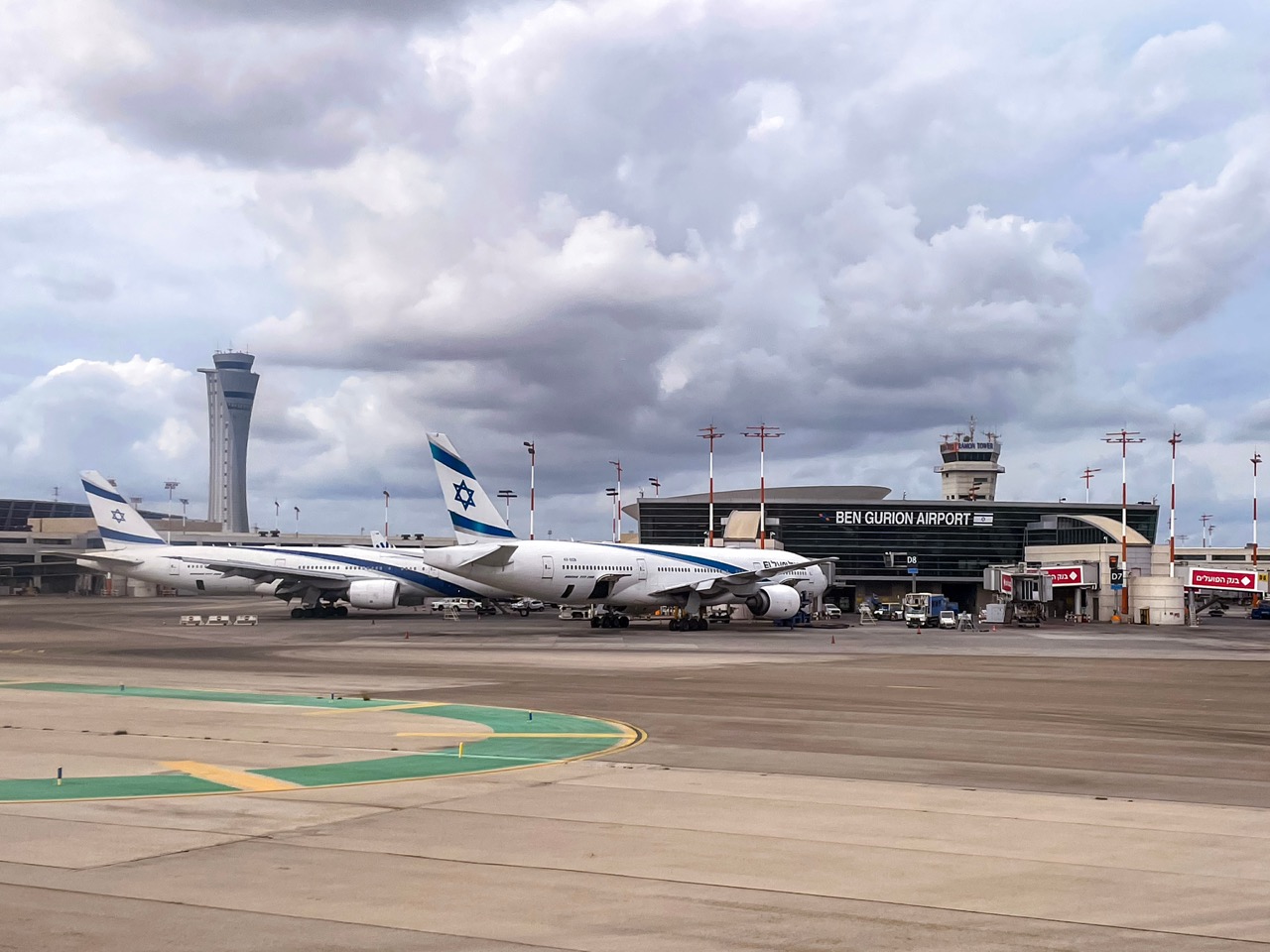
Israel’s airlines are rapidly scaling back operations as the escalating Middle East conflict forces strict limits on air traffic at the country’s main gateway. The situation has left the nation’s two largest carriers scrambling to maintain even minimal connectivity.
Ongoing missile threats from Iran have forced the Israeli government to impose restrictions on commercial airline operations at Ben Gurion Airport in Tel Aviv. The new rules limit the number of flights allowed to just one incoming and one outgoing flight per hour, with departures limited to 50 passengers per aircraft.
The measures protect civilian aviation amid heightened security risks. Still, they have effectively reduced Israeli airlines’ capacity to a fraction of normal operations and forced some to shift operations abroad.
EL AL is operating at around 5% capacity
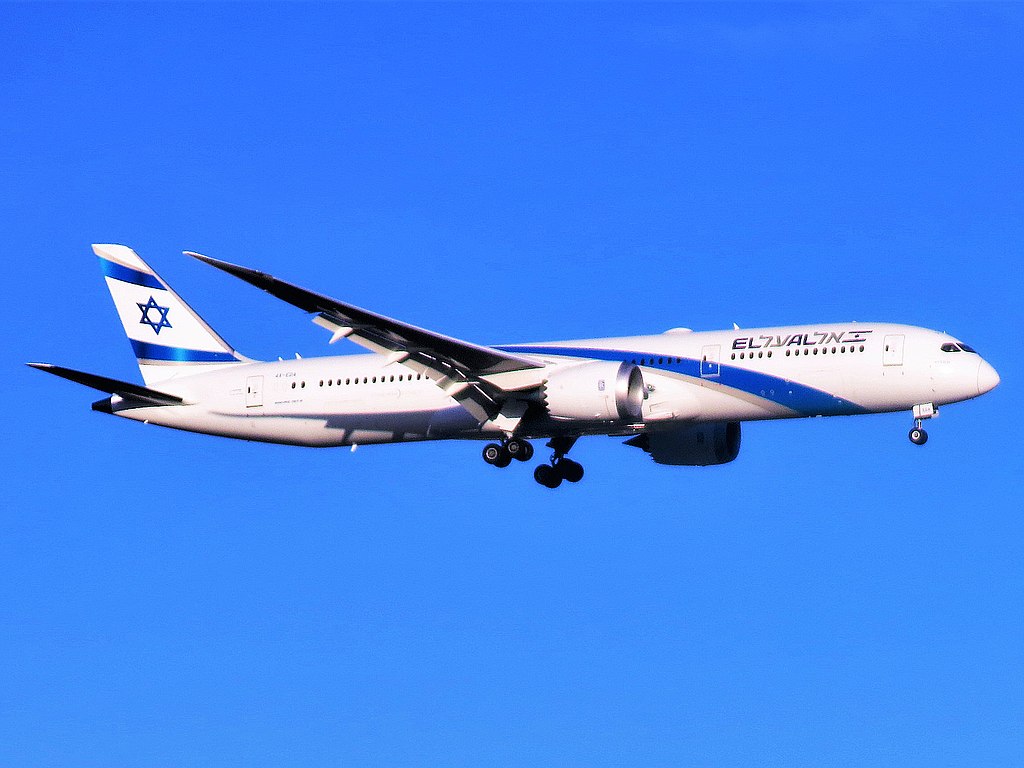
Israel’s flag carrier EL AL Israel Airlines has drastically reduced its flight schedule and is reviewing its operational plans. Government restrictions mean it will operate at around 5% of its usual capacity, as reported by Reuters.
The airline said it will prioritise essential routes to major cities such as New York, Los Angeles, London and Paris, with limited seats mainly allocated for humanitarian, medical and emergency travel.
“These strict limitations at Ben Gurion Airport effectively mean the airline is operating only essential flights, with the goal of maintaining the air bridge between Israel and the world,” EL AL told Reuters, adding, “special priority will be given to exceptional humanitarian and medical cases.”
The government’s directive came after two Iranian missile attacks reached Israeli territory on Saturday night, raising concerns about the safety of civil aviation operations. Israel’s Transportation Minister Miri Regev said the scaling back of take-offs and landings at Ben Gurion was necessary “to prevent potential risk to human life.”
EL AL has also urged authorities to allow greater use of Ramon Airport near the Red Sea city of Eilat, bordering Jordan and Egypt, as an alternative hub to relieve pressure on Ben Gurion. The drive from Tel Aviv to Ramon Airport takes over four hours, but increasing capacity there would help preserve air connectivity within Israel’s borders.
Arkia moves operations to neighbouring countries
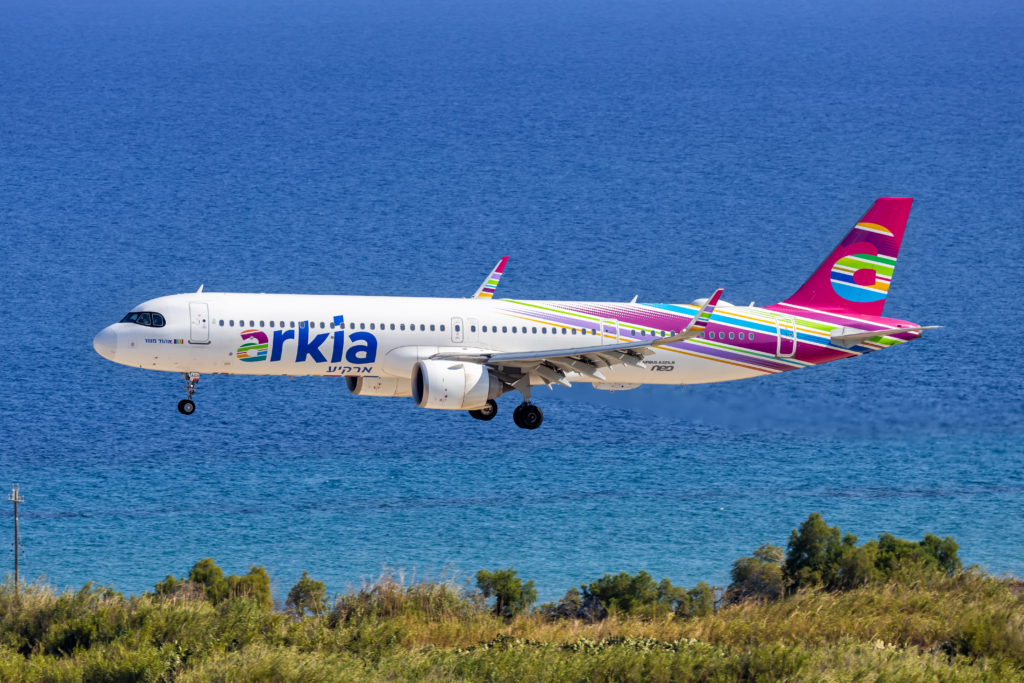
Meanwhile, Israel’s second-largest airline, Arkia Israeli Airlines, has shifted much of its operations outside the country.
The carrier plans to relocate many flights to airports in Jordan and Egypt, where aircraft can depart normally without the strict passenger limits currently imposed in Israel.
“Under the current framework, it is not possible to maintain regular aviation operations, and in practice it amounts to the closure of Israel’s skies,” Reuters quotes Arkia CEO Oz Berlowitz as saying.
As the Middle East Eye reported, the airline will keep limited operations from Ben Gurion, with humanitarian flights to Cyprus and Greece, where thousands of Israeli residents are currently stranded.
“Arkia will continue to operate responsibly, while maintaining the safety of its passengers and providing alternative and creative aviation solutions as much as possible,” the Middle East Eye quotes Berlowitz as saying.
Israeli travellers are crossing land borders to fly as Passover approaches
The disruption is also hitting travel demand during what would normally be one of Israel’s busiest travel periods, with the Passover holiday approaching and thousands of passengers unable to leave or return to the country.
As Haaretz reported, some Israeli travellers are already adapting to restrictions by crossing land borders into Jordan or Egypt to catch international flights, often at a higher cost and with longer journey times.
Some travelers who can’t get tickets at Ben-Gurion are turning to Taba Airport in Egypt and Aqaba Airport in Jordan, despite limited transportation options and rising border crossing costs.
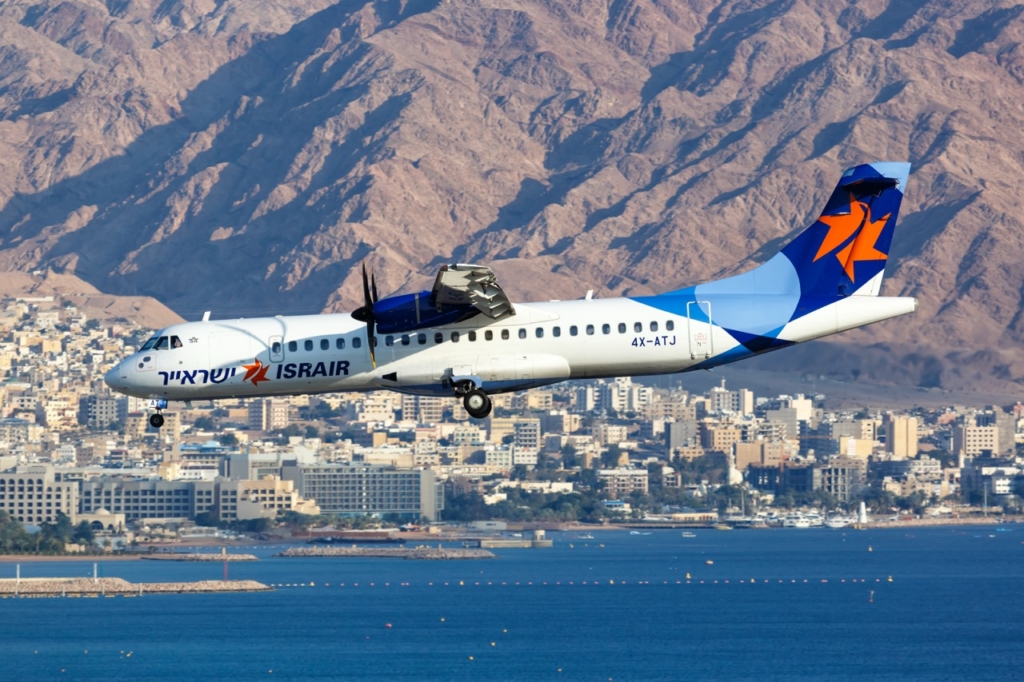
“A source in the Civil Aviation Authority said Israeli security officials are uneasy about the growing movement of Israelis through Taba and Aqaba airports,” Haaretz reports.
Israel’s National Security Council does not recommend flying through Aqaba or Taba airports. Still, the tightening of airline capacity in Israel has prompted many travellers to adapt to the inconvenience and the higher risk.
Since the conflict with Iran began, over 52,000 people have crossed the borders to fly out of Israel, and over 37,000 have crossed the borders to return.
Israeli airlines are left to maintain minimal connectivity
The restrictions come as most international airlines have suspended flights to Israel, leaving domestic carriers to handle limited repatriation and essential services.
Currently, only Israeli airlines operate flights into and out of the country, including EL AL, Arkia, and Israir.
The latest restrictions in Israel’s aviation sector have effectively cut off Israel’s air travel, capping airport capacity at the country’s primary hub. Carriers are adapting by shrinking their networks and, in some cases, moving operations elsewhere. However, many are still waiting for repatriation flights, with many more eager to travel abroad during Passover. Some have predicted that commercial aviation in Israel will not return to normal before summer. Berlowitz told Haaretz, “Most foreign airlines will not return to Israel before July or August.”
Featured Image: EnginKorkmaz | stock.adobe.com




![NASA's X-59 Quesst [registration N859NA '859'] is seen in-flight over California during the experimental supersonic aircraft's brief second test sortie on 21 March 2026. Image: NASA/Jim Ross](https://aerospaceglobalnews.com/wp-content/uploads/2026/03/X-59-Second-Flight-21-03-26-NASA-Jim-Ross-crop-scaled-640x0-c-default.jpg)