Marshall Aerospace secures five UK drone assessment projects under CAA SAIL Mark scheme

March 19, 2026
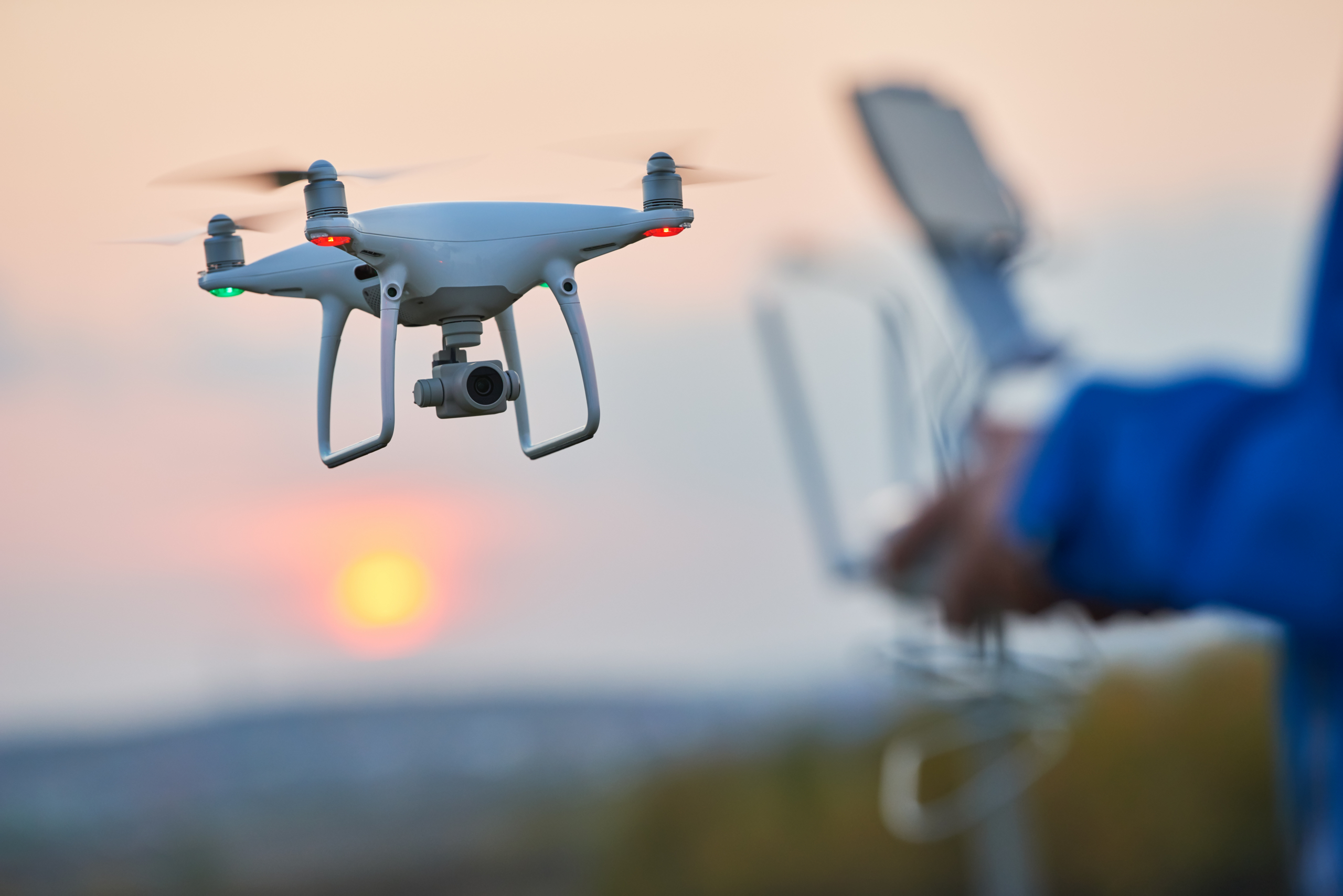
UK-based Marshall Aerospace is strengthening its position in the UK’s fast-growing uncrewed aircraft systems (UAS) sector after securing five separate SAIL Mark assessment projects funded by Innovate UK and the Department for Transport. The SAIL Mark assessments are designed to certify that operators can safely fly their uncrewed aerial vehicles for the purpose for which they are intended.
Marshall Aerospace awarded five CAA SAIL Mark UAS assessments
Marshall Aeropace, one of the UK’s leading aerospace design and engineering organisations, is building on its expertise in the Uncrewed Aerial Systems (UAS) sector. The Cambridge-based company announced on 18 March that it has been awarded five separate SAIL Mark assessment projects funded by Innovate UK and the Department for Transport.
Awarded through a Civil Aviation Authority (CAA) grant programme, the assessments will help UAS manufacturers progress toward UK operational authorisation. Marshall’s flightworthiness evaluations will span SAIL II (low) and SAIL III (moderate) risk levels, supporting applications from agriculture through to security, and will cover both drones and independent flight termination systems.
The CAA’s SAIL Mark scheme is a new independent technical assurance process that enables operators flying in a specific category to evidence that their drones are safe and suitable for their planned operation.
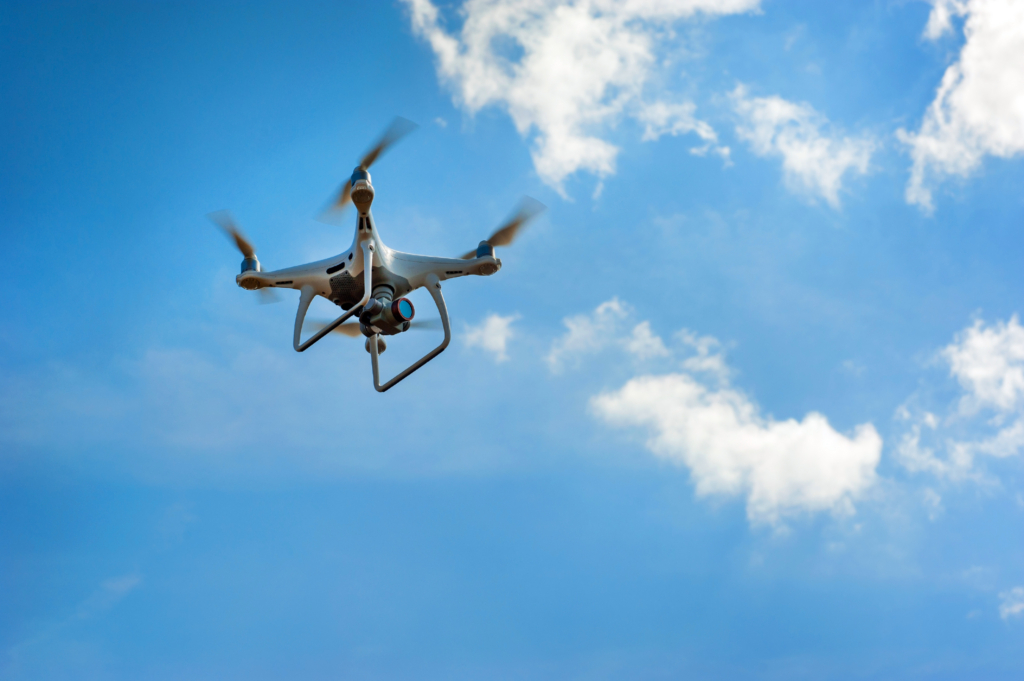
Only CAA‑designated Recognised Assessment Entities for Flightworthiness (RAE(F)) are authorised to conduct SAIL Mark assessments. Marshall was one of the first organisations in the UK to secure this designation, achieving RAE(F) status immediately after the launch of the SAIL Mark scheme in March 2025.
Under the terms of this latest agreement, Marshall will provide each applicant and the CAA with an independent flightworthiness report that includes an analysis of compliance with scheme requirements and a SAIL Mark recommendation. The CAA will then determine whether to award a SAIL Mark to the applicant.
Under the grant programme’s framework, both UK and international UAS manufacturers applied to receive fully-funded SAIL Mark assessments of their products. Recipients have now been nominated by a panel of experts from Innovate UK and the CAA, and funding has since been awarded, with assessments scheduled to be completed by the end of July of this year.
”We are proud to have been selected to deliver these assessments as a trusted engineering partner to the CAA, Innovate UK and the Department for Transport,” said Mark Hewer, Director for Aero Engineering Services at Marshall Aerospace.
“Our UAS assessment business is becoming a catalyst for the growth in the UK’s drone sector, lowering the barriers for new entrants while providing authoritative guidance that will directly contribute to the safe, scalable introduction of new products and technologies.”
Marshall brings aerospace design expertise to the UAS accreditation scheme
The CAA originally selected Marshall Aerospace for its accredited panel of UAS project RAE(F) assessments through its development of expertise in the design and certification organisation for crewed aircraft. This is in addition to its technical and regulatory knowledge gained from years of experimental designs, aerospace modifications and “contributions to evolving global regulations and aviation standards.”
Marshall, as a recognised entity, will offer flightworthiness assessments of specific category UAS designs. These assessments will form the basis of recommendations to the CAA on the compliance of the proposed UAS in line with UK regulatory requirements.

Over recent years, the company has been developing its expertise in UAS capabilities and was selected for the CAA panel under that organisation’s UK Specific Operations Risk Assessment (SORA) scheme, for specifically that reason, said a company statement.
“Marshall has a wealth of expertise, which positions us well to advise on compliance with safety and regulatory standards in line with UK SORA requirements for UAS. We are pleased to be driving the safe and responsible adoption of more advanced civil UAS technologies and services in the UK,” the Marshall’s statement added.
The CAA operates the UK’s regulatory framework for UAS programmes
According to the CAA website, the UK Specific Operations Risk Assessment (SORA) scheme is a way to classify the risk posed by a UAS operation and then identify mitigations and safety objectives to counter those risks.
It allows the UAS operator to identify operational limitations and training objectives for the personnel involved in the flights, technical requirements for the aircraft and develop the appropriate operational procedures.
As a part of the assessment process, designers and/or operators must demonstrate to the CAA that they comply with UK SORA’s flightworthiness requirements.
How does the SAIL Mark scheme complement UAS regulation?
The SAIL Mark programme run by the CAA was set up to demonstrate that an Unmanned Aircraft System (UAS) meets a specific set of UK SORA requirements. As more SAIL-marked UAS become available, UAS operators will be able to use them to comply with certain UK SORA technical requirements when applying for an Operational Authorisation.
This process has several stages before an operator can reach the SAIL Mark accreditation and operate its designed UAS legally. Designers wishing to get a SAIL Mark Certificate for their UAS must first ask a RAE(F) designated organisation.
The RAE(F) will then validate evidence of compliance provided by operators against technical requirements in their SORA-based application for an Operational Authorisation. These technical requirements relate to –
- Ground and air risk mitigations have been put in place
- Containment of the UAS within the operational volume
- Relevant Operational Safety Objectives (OSOs)
Subsequently, the RAE(F) will work directly with the applicant and then, if satisfied, give a recommendation to the CAA that the UAS is flightworthy. The concept of a ‘SAIL Mark’ for UAS has been developed so that the RAE(F) works directly with UAS manufacturers during its various stages of development, expediting the regulatory process.
According to the CAA, by validating the evidence provided by the developer, it will be possible to deliver a ‘SAIL Mark’ against a particular make and model of UAS, aligned to the SAIL levels within UK SORA, in which it is safe to operate.
Featured image: Kadmy / stock.adobe.com